
HTV Silicone Rubber
High quality of HTV solid silicone rubber raw material from China.
Home /
What Is HTV Silicone Rubber?
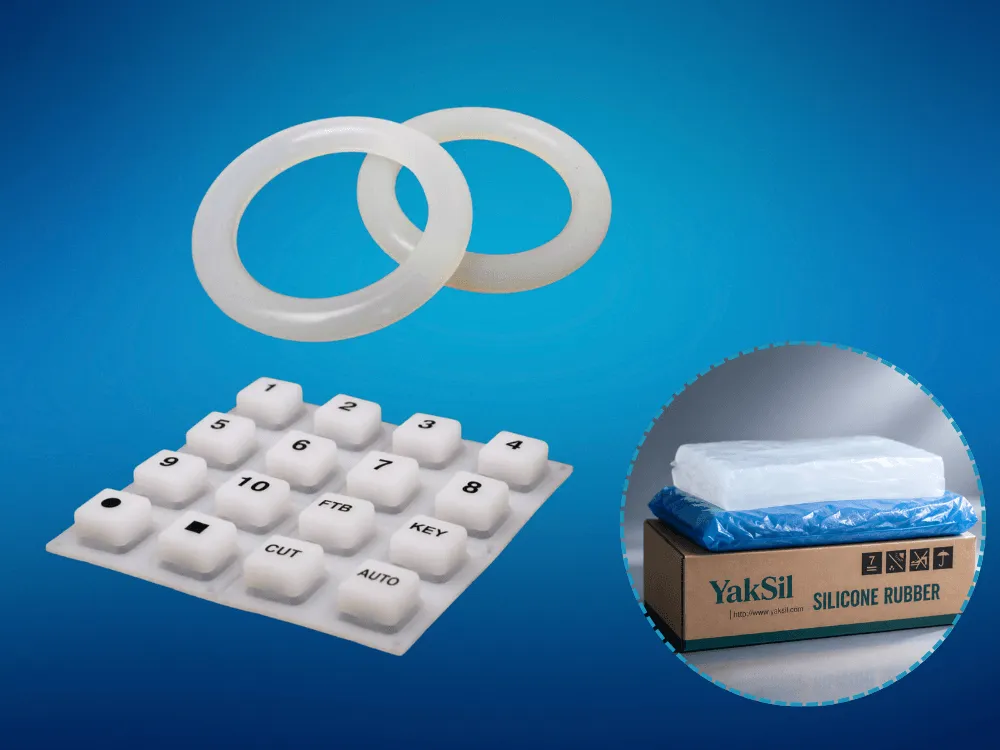
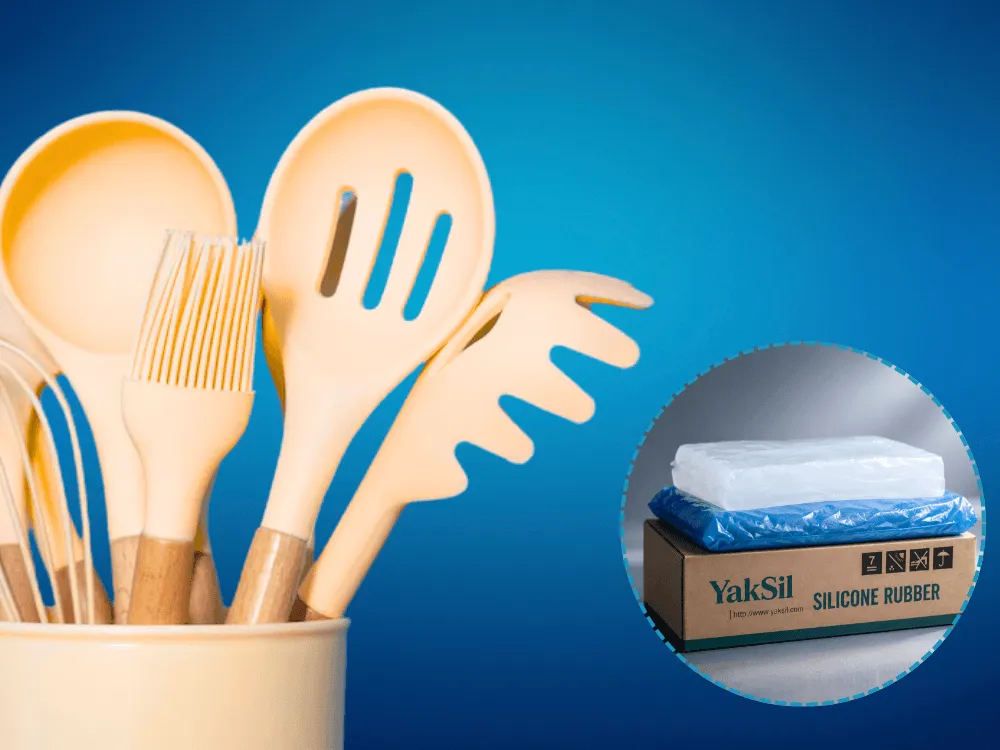
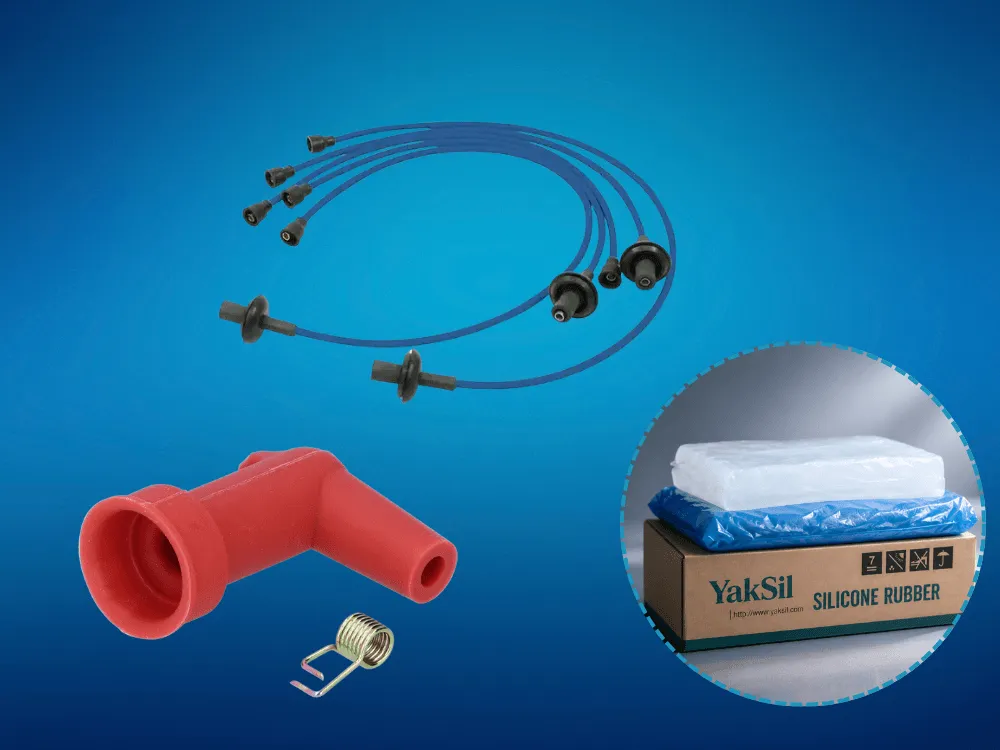
HTV Silicone Rubber(High Temperature Vulcanized Silicone Rubber) is a high-quality, heat-vulcanized silicone material widely used in industries requiring durable, flexible, and heat-resistant components. Known for its excellent thermal stability, electrical insulation, and chemical resistance, HTV Silicone Rubber is ideal for manufacturing seals, gaskets, automotive parts, and electronic components. Available in various hardness levels and colors, this versatile material can be custom-formulated to meet specific application needs. With its superior performance under extreme temperatures and mechanical stress, HTV Silicone Rubber remains a preferred choice for engineers and manufacturers seeking reliable, long-lasting solutions.
At Yakows, our HTV Silicone Rubber is produced with premium raw materials and precision processing to ensure excellent heat resistance, flexibility, and long-term durability. Our products hold internationally recognized certifications, including ISO 9001, RoHS, REACH, and UL, and we offer full customization options for hardness, color, and shape to meet specific application requirements.
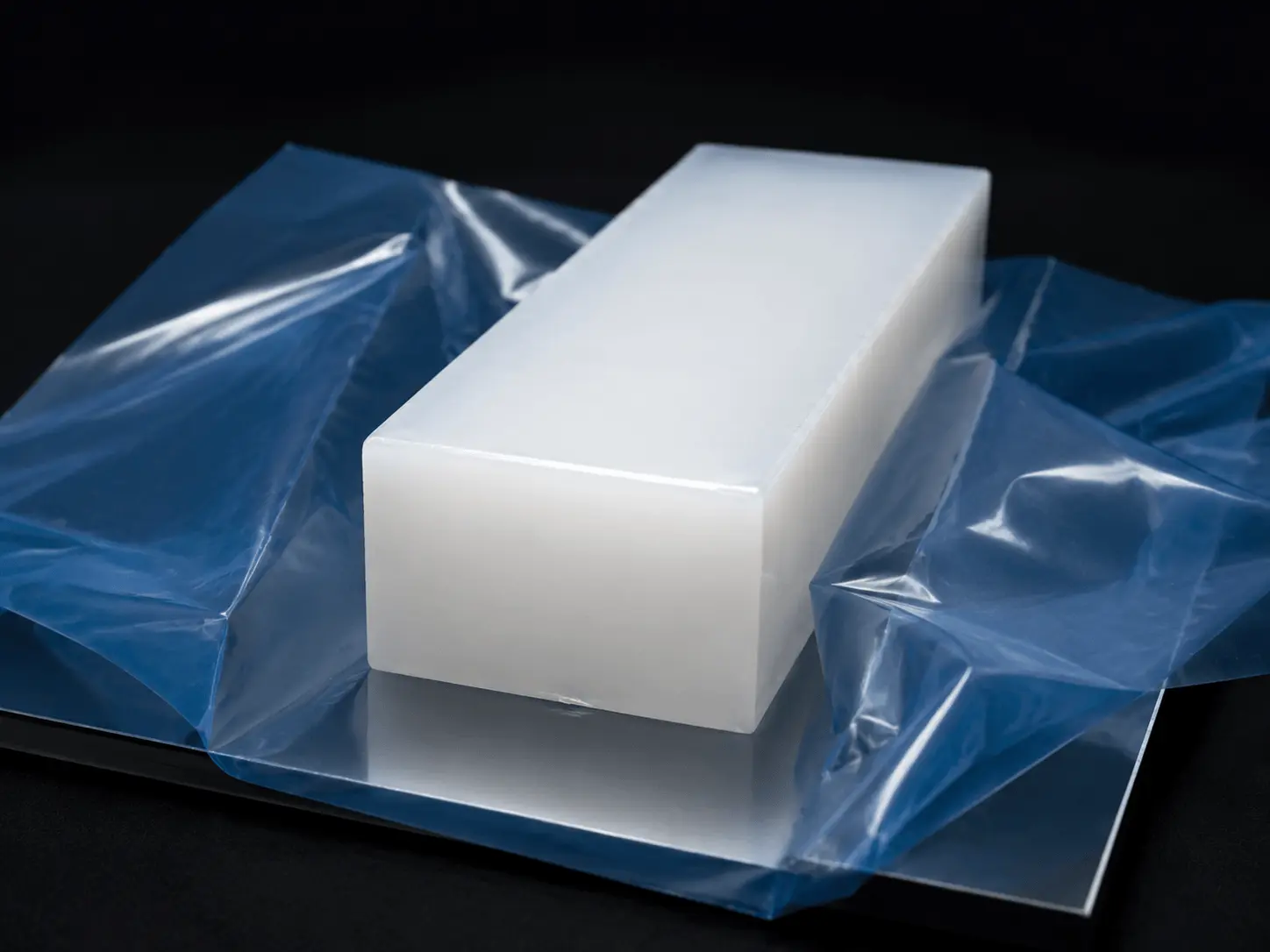
Yakows HTV Silicone Rubber
-

HTV Silicone Rubber For Composite Insulators
Lire la suite -
HTV Silicone Rubber for Polymer Insulators
Lire la suite -
HTV Silicone Rubber for Polymer Hollow Core Insulators
Lire la suite -
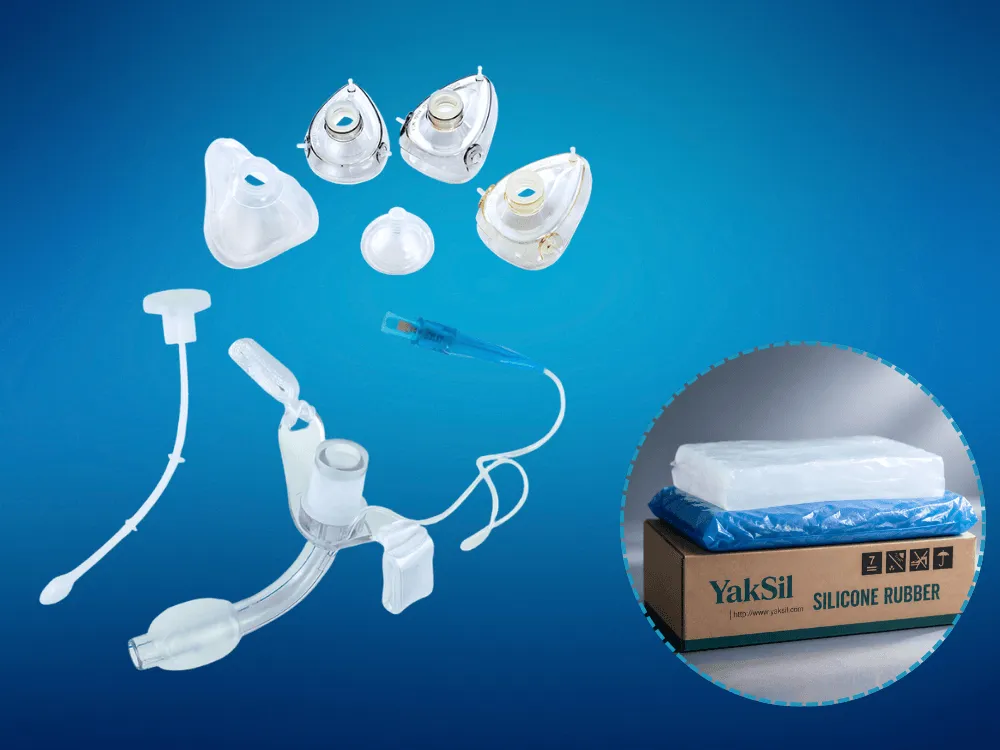
Medical Grade Silicone Rubber HTV
Lire la suite -
HTV Silicone - High Yellowing Resistant Silicone Rubber
Lire la suite -
HTV Silicone - High Tear Strength Silicone Rubber For Molding
Lire la suite -
HTV Silicone - General Purpose Silicone Rubber For Molding
Lire la suite -
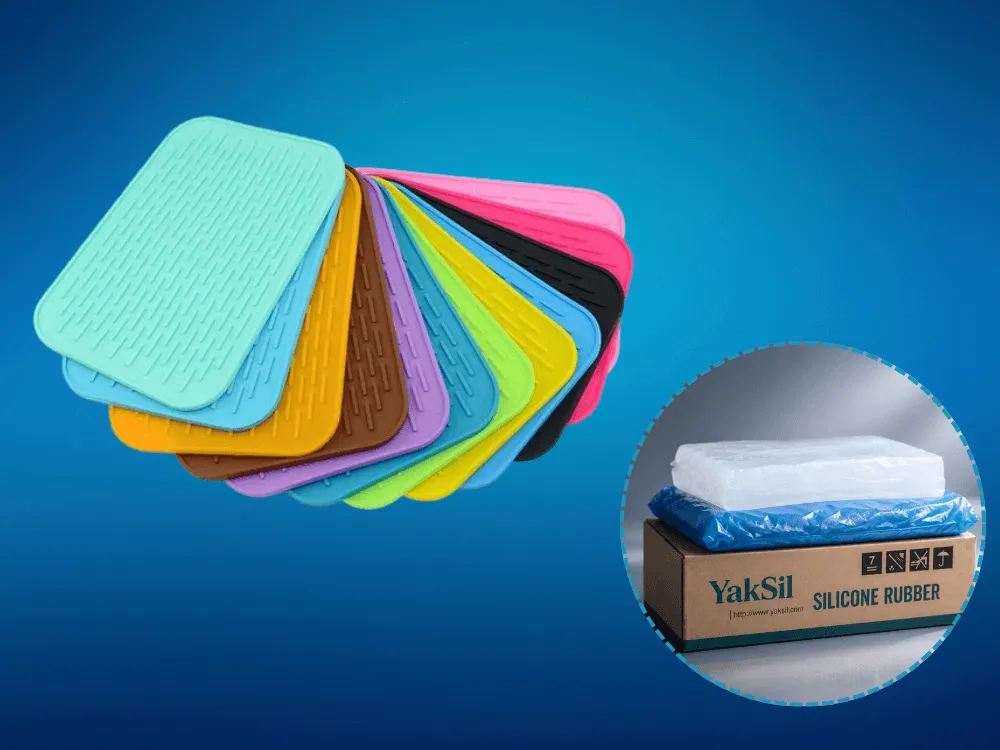
HTV Silicone - Food Grade HCR Silicone Rubber
Lire la suite -
HTV Silicone - Flame Retardant Solid Silicone Rubber
Lire la suite -
HTV Silicone Rubber for Composite Hollow Core Insulators
Lire la suite -
HTV Silicone Rubber for Composite Insulators
Lire la suite
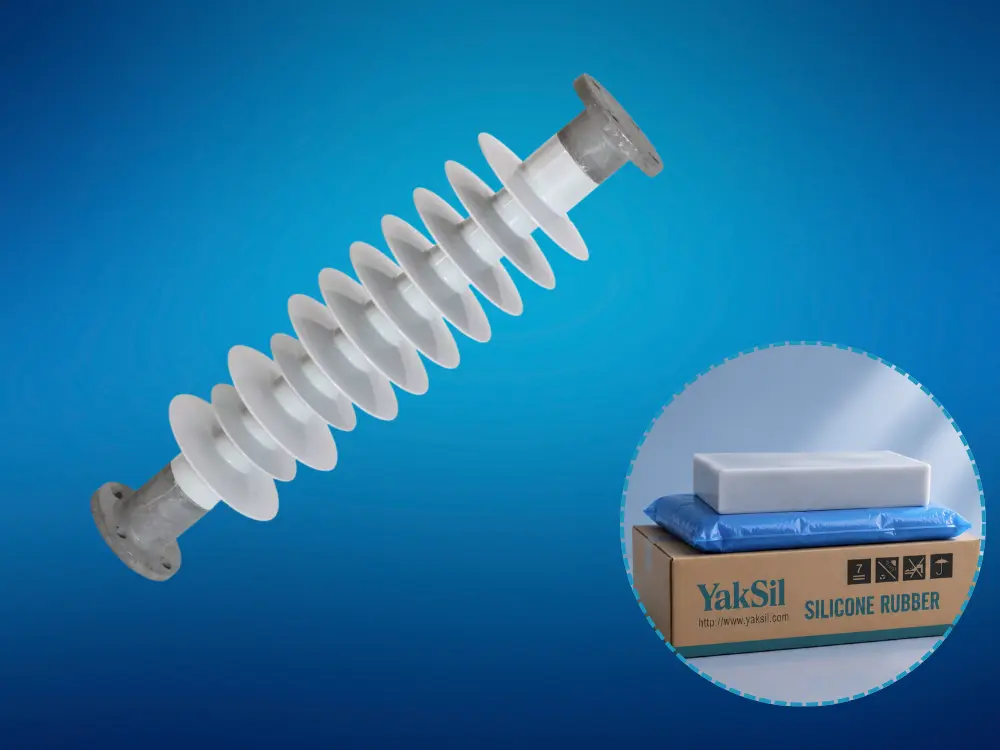
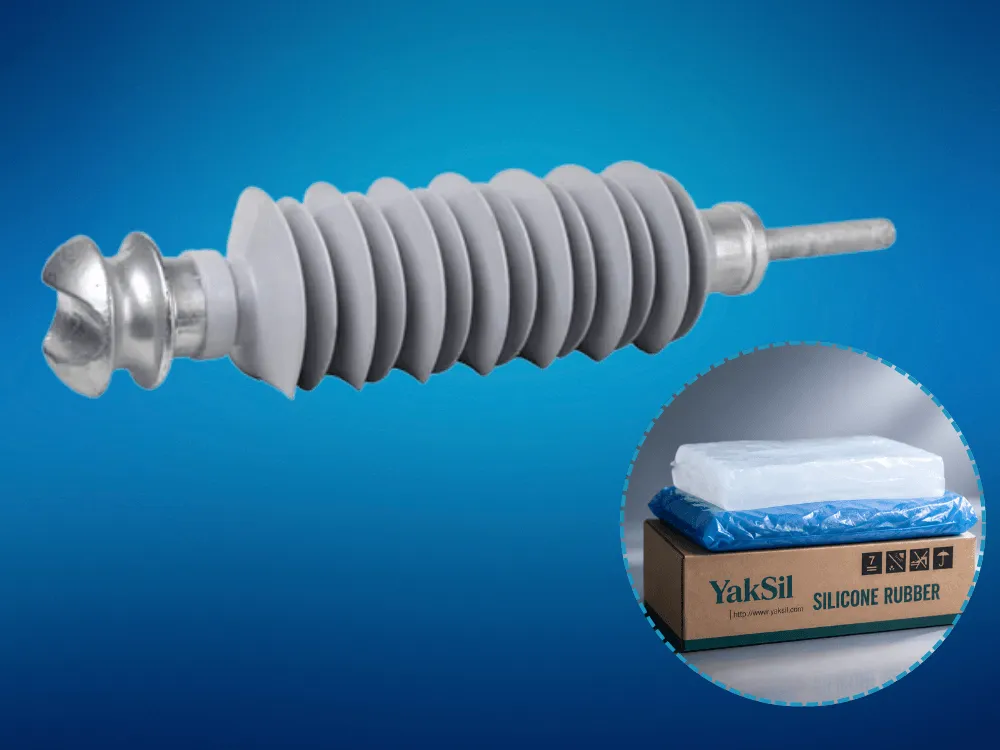
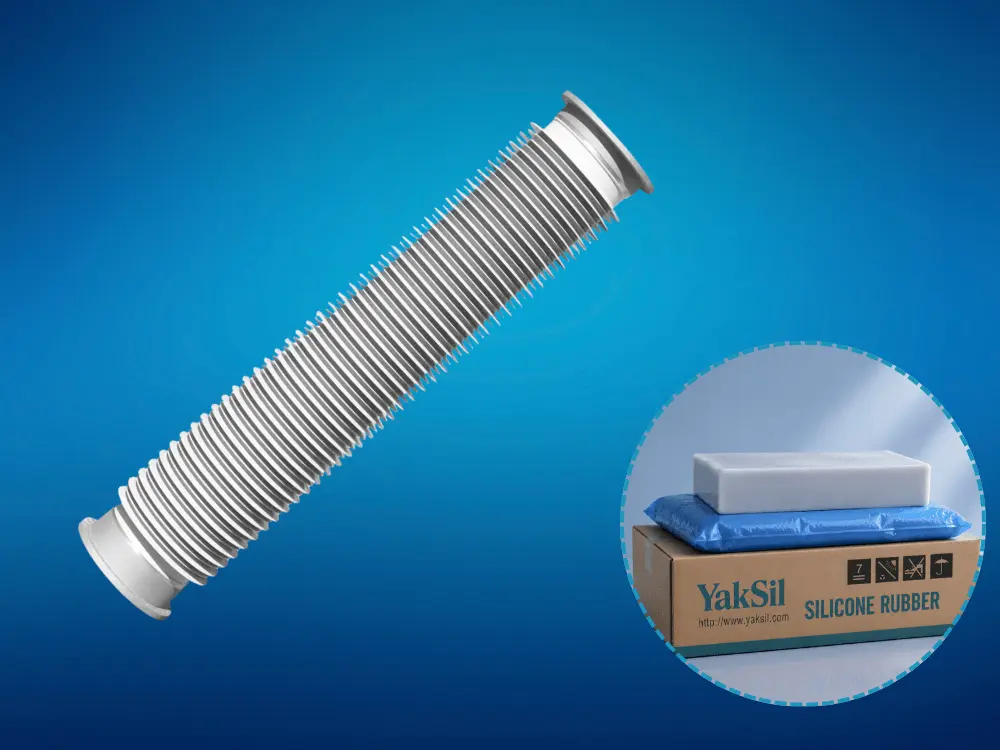
Case Study: Russia – High-Voltage Composite Insulators
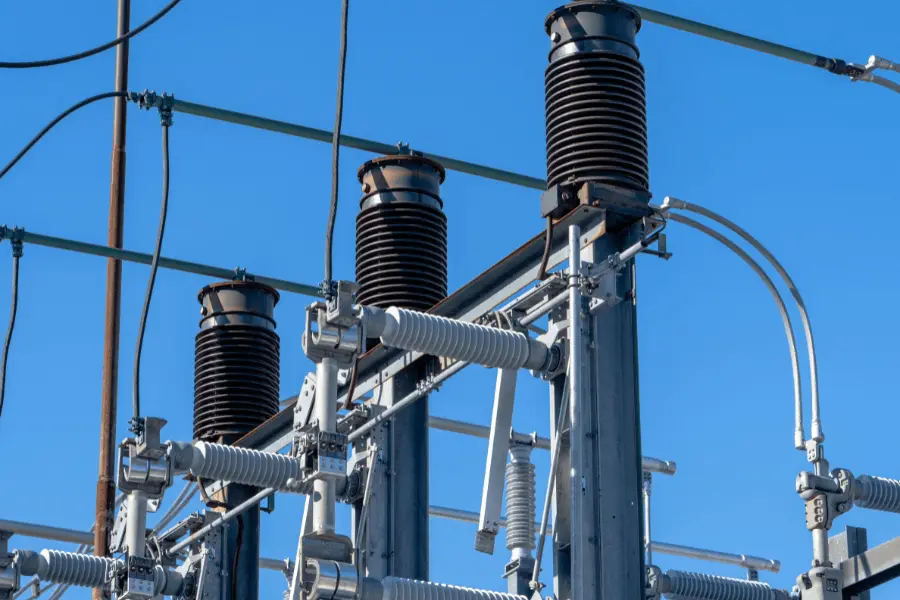
In collaboration with a leading Russian utility company, Yakows supplied HTV Silicone Rubber for high-voltage composite insulators. The client faced challenges with extreme temperature fluctuations (-40°C to +40°C) and UV degradation, which compromised the long-term reliability of traditional silicone coatings.
Our HTV Silicone Rubber provided outstanding hydrophobicity, tracking resistance, and thermal stability, ensuring the insulators maintained dielectric strength and surface cleanliness over time. The high tear resistance and elongation properties of Yakows HTV enabled easy molding around complex sheds and cores, improving assembly efficiency.
Results: The Russian client observed a significant reduction in leakage currents and maintenance frequency, with improved long-term reliability under harsh climatic conditions. Yakows HTV silicone rubber proved to be a critical solution for high-voltage insulation challenges.
Case Study: India – Outdoor Industry Composite Insulators
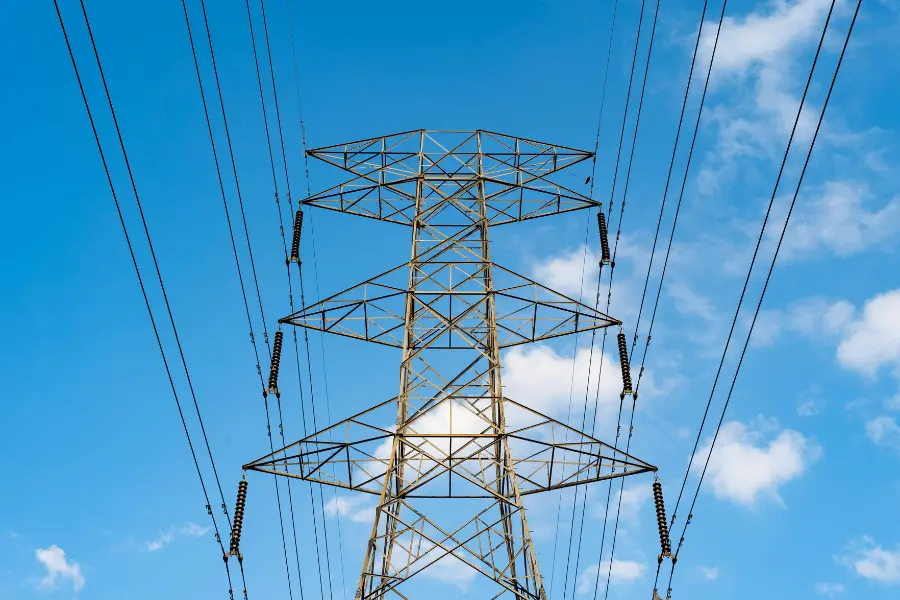
A major Indian transmission operator faced challenges with pollution accumulation and frequent wet conditions, which caused flashover issues on outdoor composite insulators. Yakows HTV Silicone Rubber was selected for its superior hydrophobicity transfer, tracking resistance, and UV aging stability.
The flexibility and mechanical strength of Yakows HTV allowed efficient coating and molding onto complex insulator geometries. Additionally, the material’s high-temperature resistance and dielectric performance ensured reliable operation even during monsoon and hot-season peaks.
Results: The Indian client reported reduced maintenance downtime, improved flashover performance, and longer service life of the insulators. Yakows HTV silicone rubber effectively addressed critical operational pain points, providing long-term reliability in challenging environmental conditions.

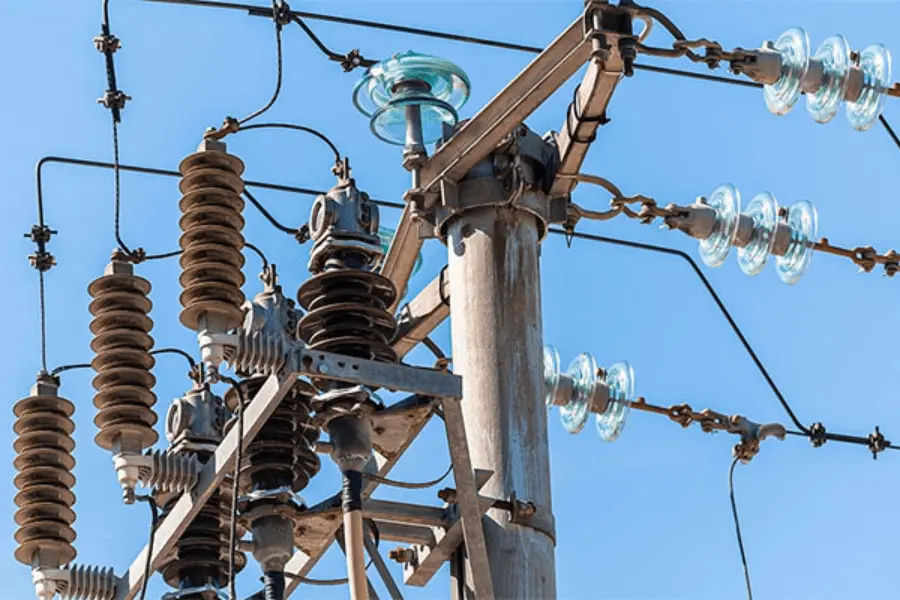
HTV Silicone Rubber & Liquid Silicone Rubber (LSR)
HTV Silicone Rubber
- Processing Method: Compression molding, extrusion, and custom HTV silicone rubber molding for industrial components and electrical insulators
- Mixing Temperature: 120–150°C for HTV silicone rubber sheets and molded parts
- Hardness Range: 20–80 Shore A, suitable for seals, gaskets, and high-voltage insulators
- Curing Mechanism: Heat-cured using peroxide or platinum systems for HTV silicone rubber molding processes
- Mechanical Properties: High tensile strength and tear resistance for durable HTV silicone rubber sheets, industrial insulators, and molded components
- Thermal Properties: Stable up to 250°C, maintains flexibility at low temperatures for electrical applications
- Electrical Properties: Excellent electrical insulation for HTV silicone rubber sheets, molded insulators, and industrial components
- Chemical Resistance: Resistant to oils, solvents, and mild acids/bases
- Typical Applications: Industrial seals, gaskets, automotive components, HTV silicone rubber sheets, and electrical insulators
- Surface Finish: Matte to semi-smooth surface for HTV silicone rubber molded products, sheets, and insulators
Liquid Silicone Rubber (LSR)
- Processing Method: Injection molding, including precision liquid silicone rubber (LSR) for medical-grade and food-grade components
- Mixing Temperature: 25–40°C (room temperature) suitable for medical-grade and food-grade LSR
- Hardness Range: 10–70 Shore A, ideal for soft-touch medical devices and food contact parts
- Curing Mechanism: Room-temperature vulcanization or heat-assisted curing for LSR injection molding
- Mechanical Properties: Excellent elongation and dimensional stability, optimal for medical-grade LSR parts and high-precision food-grade components
- Thermal Properties: Operates up to 230°C, suitable for medical devices and food-grade products
- Electrical Properties: Good dielectric properties, suitable for medical electronics and food-contact devices where insulation is required
- Chemical Resistance: High chemical resistance, compatible with medical-grade and food-grade applications
- Typical Applications: Medical devices, baby products, high-precision LSR seals, food-grade components, and electronic parts
- Surface Finish: High gloss and very smooth finish for LSR injection molded parts, suitable for transparent and food-contact applications
Frequently Asked Questions
Can Yakows HTV silicone rubber be used for high-voltage composite insulators?
Yes. Yakows HTV silicone rubber is specifically engineered for high-voltage composite insulators. Its excellent dielectric strength, hydrophobicity, and thermal stability ensure long-term reliability in outdoor and high-stress environments. It also provides high tear resistance and elongation, allowing efficient molding around complex insulator geometries.
How does Yakows silicone rubber maintain hydrophobicity over time?
Both Yakows HTV and liquid silicone rubber maintain long-term hydrophobicity due to the polymer’s intrinsic surface properties. HTV silicone rubber provides excellent hydrophobicity for industrial insulators, reducing leakage currents and flashover risks. LSR maintains hydrophobicity transfer, critical for medical and food-grade applications, even under extreme temperatures and UV exposure.
What processing methods are recommended for Yakows HTV silicone rubber?
Yakows HTV silicone rubber is compatible with compression molding, extrusion, and other heat-curing processes. These methods are suitable for producing industrial components, sheets, gaskets, and high-voltage insulators. Proper curing temperature (typically 120–150°C) ensures optimal mechanical and electrical properties.
CONTACT FACTORY DIRECTLY
To Find What You Need
Top row material
We use imported world-class silicone raw materials to satisfy the various of special characteristics requirements.
cost-effective
While pursuing quality, we offer competitive prices to help customers get higher profits
High quality product
We control all the production process strictly to ensure the purity, high performance and quality of GX silicone rubber.
Complete certificates
We provide perfect certification to meet the requirements of customers in different markets.