
HTV Silicone Rubber vs Natural Rubber
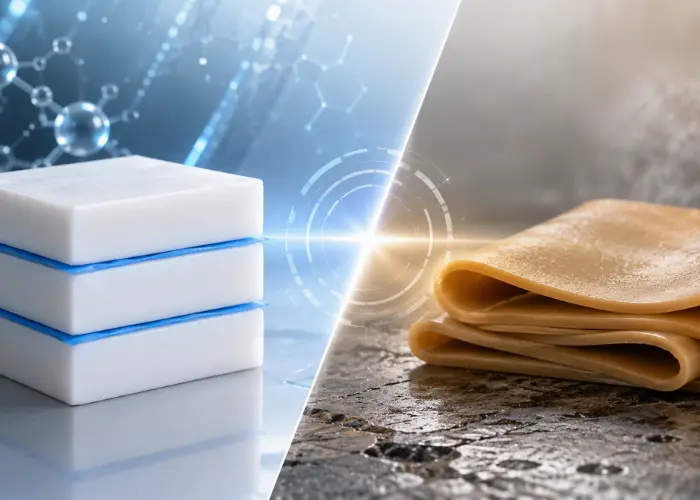
HTV Silicone Rubber vs Natural Rubber When comparing HTV silicone rubber vs natural rubber, the most important differences are found in thermal stability, environmental resistance, electrical insulation, mechanical performance, processing technology, and long-term durability. HTV silicone rubber is designed for applications that require stable performance under high temperatures, UV exposure, ozone, moisture, and electrical stress, […]
Why Use HTV Silicone Rubber For Composite Insulator?
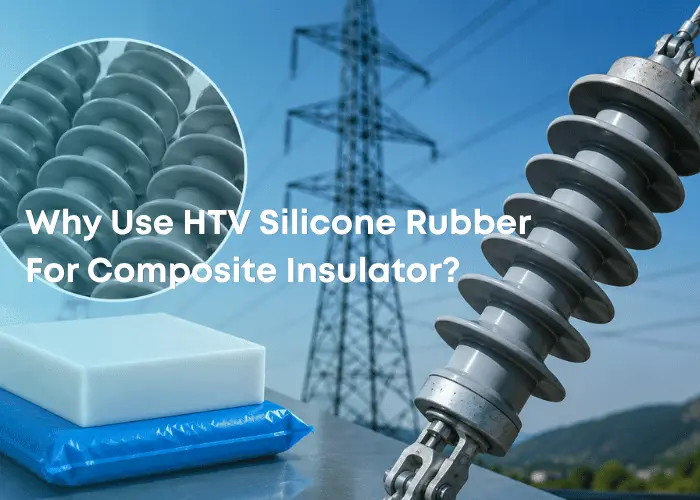
HTV Silicone Rubber Is the Most Reliable Material for Modern Composite Insulators In today’s power transmission and distribution industry, the long-term reliability of insulation materials directly influences the safety, operational stability, and economic efficiency of electrical networks. As transmission voltages continue to increase and environmental conditions become more demanding, traditional insulation materials are no longer […]
What Are the Silicone Rubber Molding Processing?
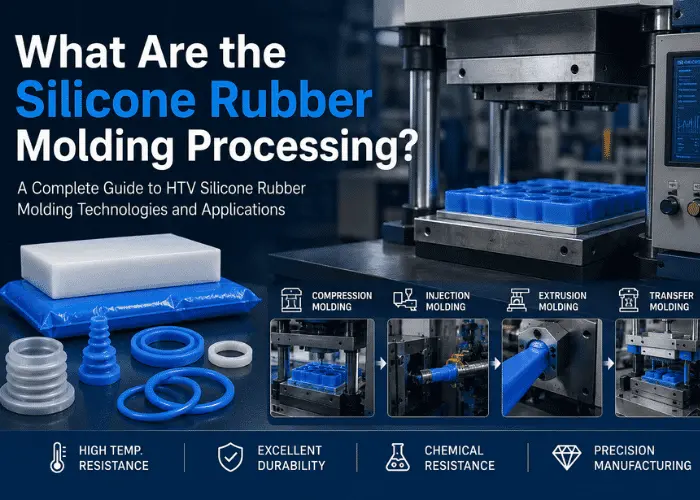
Silicone Rubber Molding Processing Silicone rubber molding processing refers to the manufacturing technologies used to shape silicone rubber into durable industrial, medical, automotive, and consumer products. The main silicone rubber molding processing methods include compression molding, injection molding, liquid silicone rubber molding (LSR), and transfer molding. Among these, liquid silicone rubber injection molding has become […]
What Is the Melting Point Of Silicone Rubber?

Silicone Rubber for Composite Insulator Silicone rubber, widely used in composite insulators, exhibits exceptional thermal stability, with decomposition beginning around 200–300°C and significant structural degradation occurring near 350°C. This property ensures that composite insulators maintain electrical insulation, mechanical integrity, and hydrophobicity under high-voltage and high-temperature conditions. Proper understanding of the thermal characteristics of silicone rubber […]
What Kind Of Silicone Rubber Is Food Grade?

Introduction to Food Grade Silicone Rubber Food grade silicone rubber is a highly specialized material used extensively in the food and beverage industry, from processing equipment to packaging and sealing components. Its combination of chemical inertness, thermal stability, and mechanical resilience makes it indispensable for applications requiring safety and durability. Unlike conventional industrial rubbers, food […]
What is Silicone Rubber?
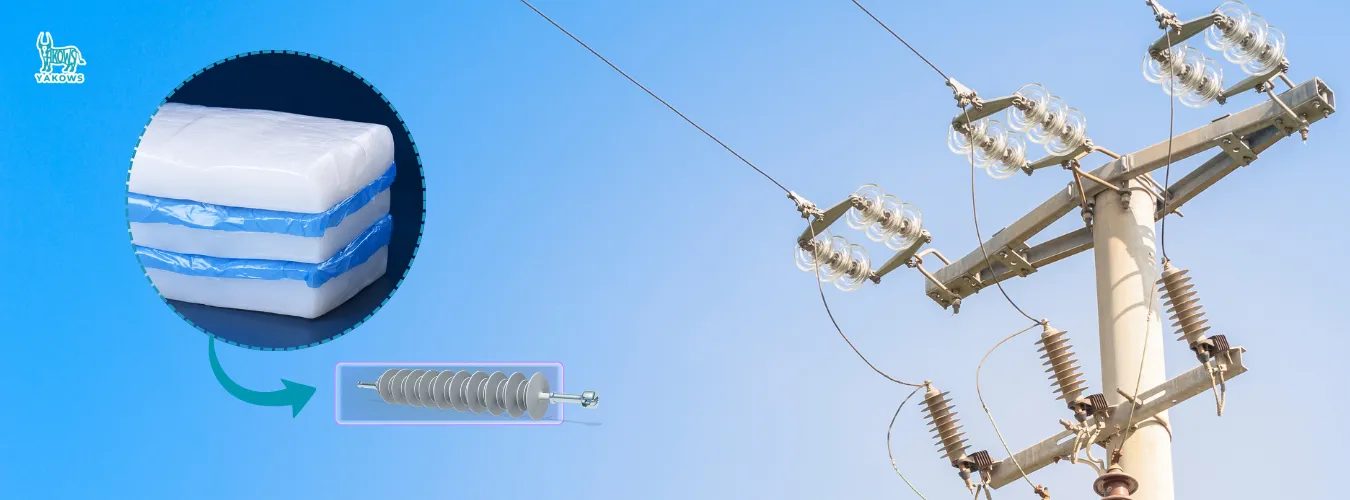
Introduction Of Silicone Rubber The development of silicone rubber began in the early 20th century, following the discovery of silicon-based polymers. Initially, its applications were limited due to production complexities and costs. However, advances in polymer chemistry and large-scale manufacturing have made silicone rubber widely accessible. Modern silicone formulations can now be precisely engineered to […]
What Is Heat Resistant HTV Silicone Rubber
What Is Heat Resistant HTV Silicone Rubber HTV silicone rubber is a high-performance material widely used in modern manufacturing for its exceptional thermal stability, mechanical flexibility, and chemical resistance. Among its many variants, heat resistant HTV silicone rubber (-50℃ to +300℃) stands out for its ability to perform reliably under extreme temperature conditions, making it […]
HTV Solid Silicone Rubber FAQ: Expert Answers to Material & Processing Questions
HTV Solid Silicone Rubber FAQ Overview High Temperature Vulcanized (HTV) solid silicone rubber is a versatile, high-performance elastomer used in automotive parts, kitchenware, medical devices, and industrial seals. This FAQ addresses common engineering and purchasing questions, from regulatory certifications to processing troubleshooting, helping you optimize material selection and molding success. [IMAGE_1] Frequently Asked Questions Q1: […]
HTV Solid Silicone Rubber FAQ: Expert Answers to Material & Processing Questions
Overview HTV solid silicone rubber (High-Temperature Vulcanizing silicone) is the industry standard for compression molding, transfer molding, and extrusion of durable rubber parts. This FAQ addresses technical pre-sales certifications, material properties, and post-sales processing challenges to help engineers and procurement specialists avoid common failures. [IMAGE_1] Frequently Asked Questions Q1: What is the maximum temperature resistance […]
Silicone Rubber: The "Protective Guardian" of Power Equipment

In the electric power system, the stable operation of equipment relies heavily on the support of various high-performance materials. Silicone rubber, serving as a "protective guardian" silently guarding electric power equipment, plays a crucial role in multiple key aspects. Power insulators are crucial components of power lines, serving […]