
HTV Silicone Rubber Material Solutions
Solid, heat-cured silicone rubber for electrical, new energy, wire & cable, industrial, consumer, food-contact and selected healthcare applications.
Yakows supplies multiple HTV formulations by hardness, cure system, mechanical performance, appearance, flame resistance and application requirement. Start with the finished part and service conditions, then match the grade.
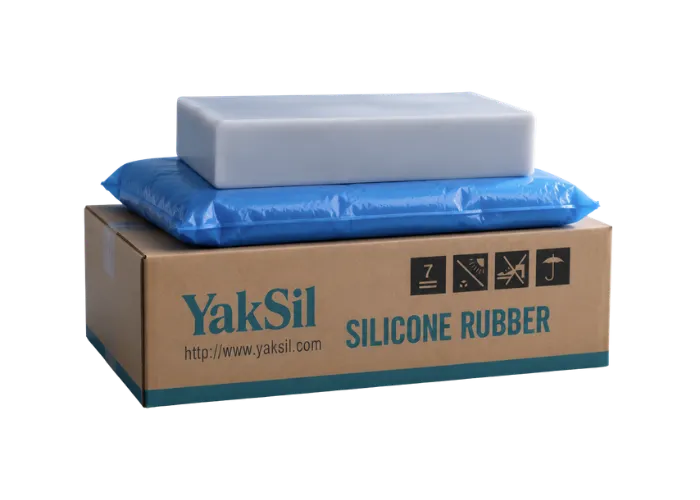
Selected grades 30A–90A Shore A
Peroxide or platinum by formulation
TDS, SDS, COA and selected compliance support
Cao su silicone HTV là gì?
HTV Silicone Rubber, also commonly called HCR (High Consistency Rubber), is a solid silicone elastomer that is vulcanized with heat. It is used to manufacture durable silicone parts by compression molding, extrusion, transfer molding and other heat-curing processes.
HTV silicone rubber is selected when a finished component needs a reliable combination of elasticity, temperature resistance, weatherability, electrical insulation, mechanical durability or long-term material stability. The balance of these properties depends on the exact formulation rather than on the HTV name alone.
Yakows HTV product families cover general-purpose compounds, high-tear formulations, high yellowing-resistant grades, flame-retardant silicone, food-grade HCR, selected medical-grade HTV and dedicated electrical-insulation materials for composite and hollow-core insulators.
Hỗn hợp cao su silicone rắn / có độ đặc cao
Selected product families from 30A to 90A Shore A
Peroxide or platinum depending on formulation
Hardness, color and application-oriented formulation support
Heat-cured solid silicone for molded, extruded and specialized components.
Formulations can be selected around sealing, mechanical, electrical, flame-retardant, appearance or regulated-application requirements.
Grade selection should consider the finished part, service environment, processing equipment and required documentation together.
Technical approval should be based on the exact grade TDS, sample evaluation and project-specific compliance requirements.
HTV Silicone Rubber Grades
Choose the material by the finished part and required performance. The grade pages below provide a closer look at each formulation family; final approval should be based on the selected grade's TDS, processing conditions and required compliance documents.
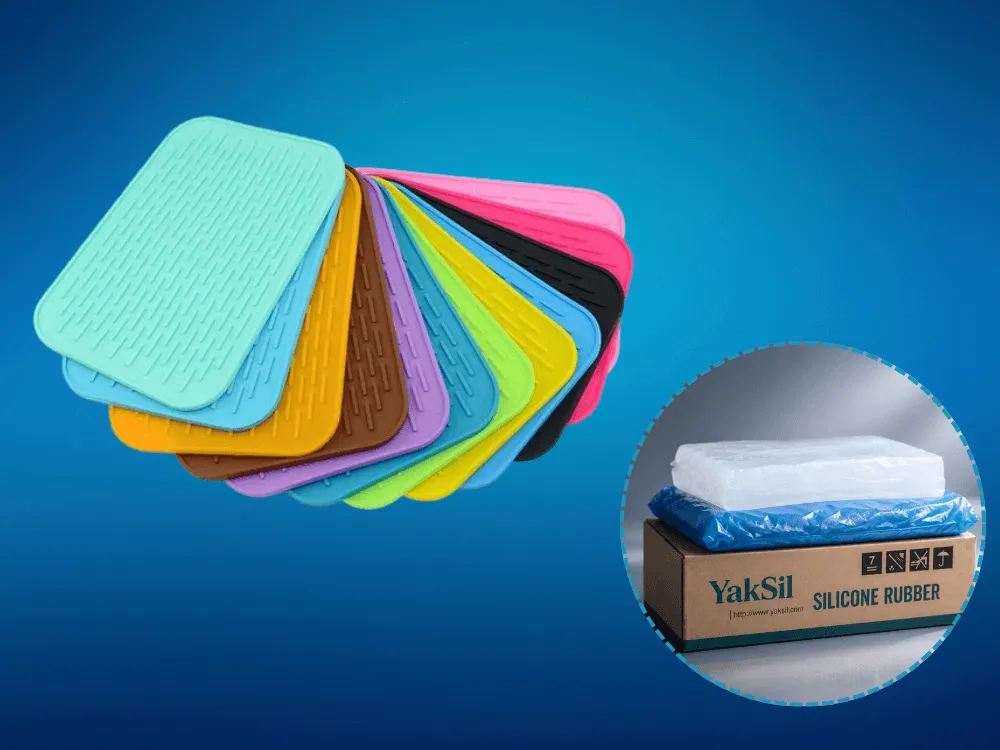
Cao su silicone HTV đa dụng
30A–90A options for common silicone parts.
O-rings, gaskets, pads, buttons, keypads and general industrial components.
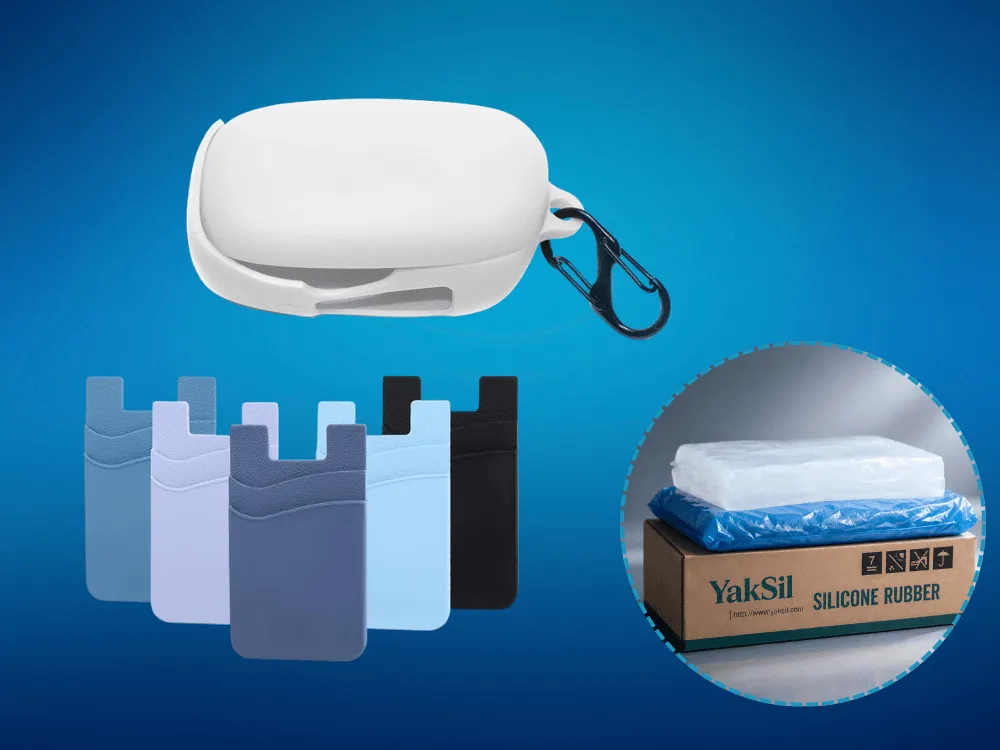
Cao su silicone HTV có độ bền kéo cao
For parts that require improved mechanical strength.
Flexible high-strength parts, sheathing, bands, seals and demanding silicone components.
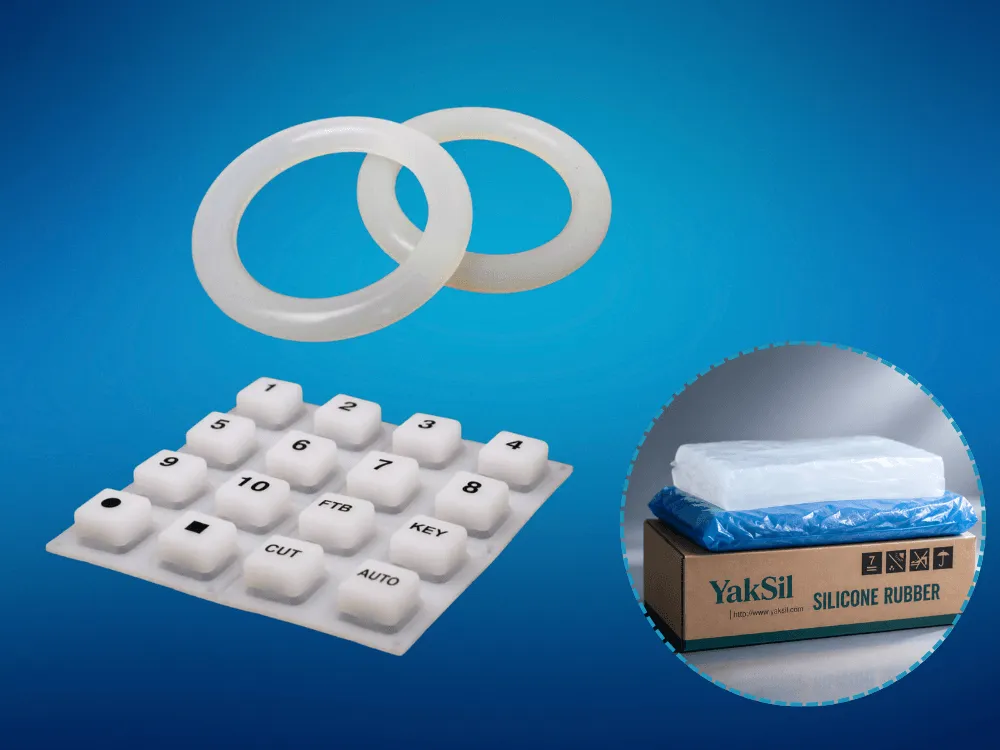
Cao su silicone HTV có khả năng chống ố vàng cao
For white, translucent and light-colored products.
Visible seals, keypads, kitchenware, baby products and appearance-sensitive components.
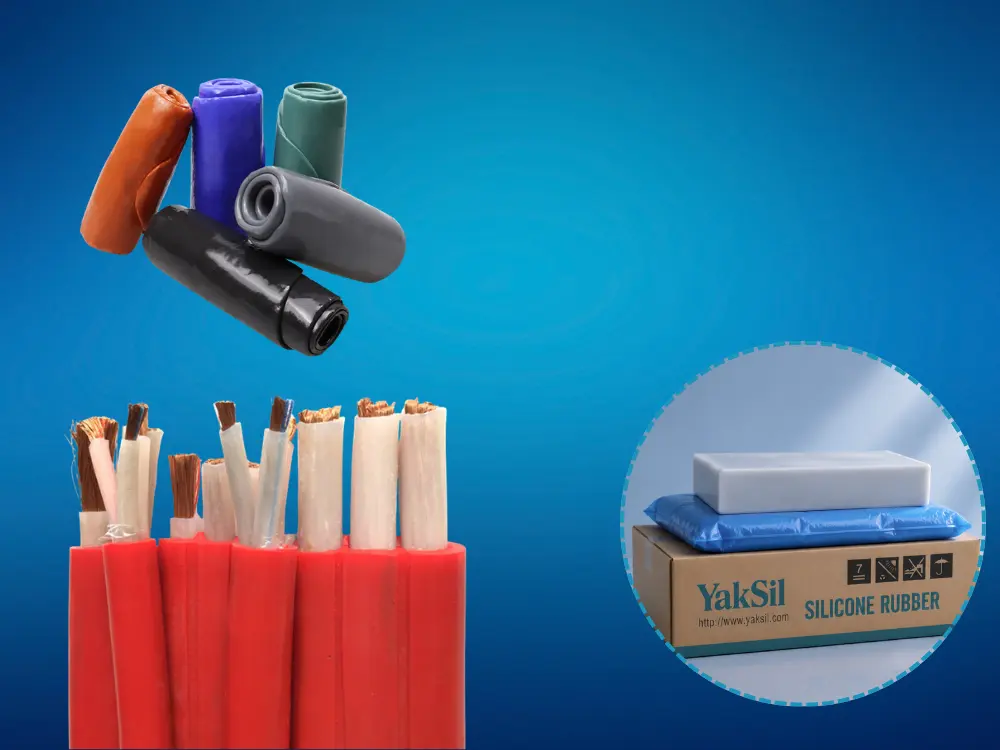
Cao su silicone chống cháy
General flame-retardant, high-strength and selected UL 94 V-0 options.
Electrical insulation, wire & cable, automotive protection and industrial electrical parts.
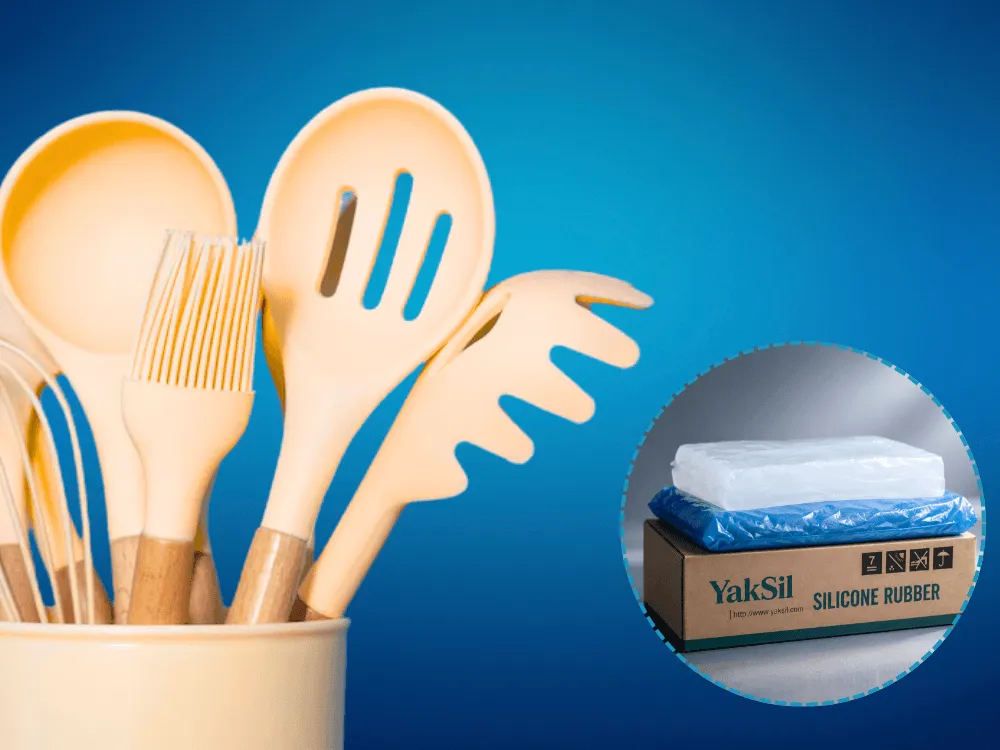
Cao su silicone HCR đạt tiêu chuẩn thực phẩm
Selected low-odor, platinum-cured options for food-contact use.
Kitchenware, baking molds, food-contact seals, appliance parts and selected baby products.
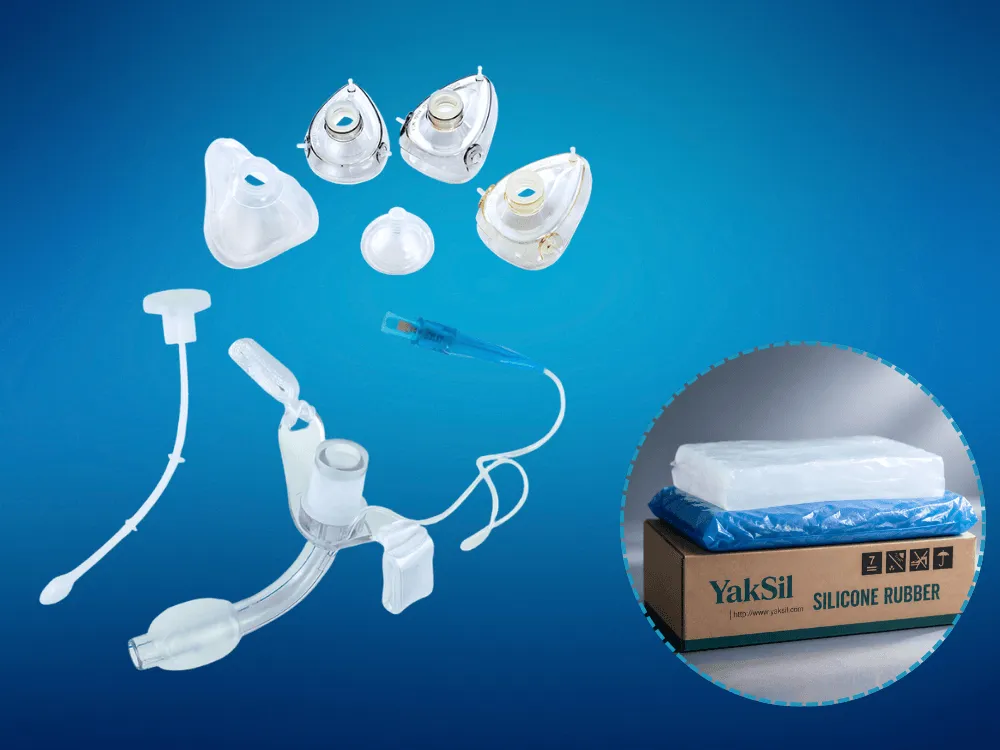
Cao su silicone HTV loại y tế
Selected HTV formulations for healthcare-related components.
Healthcare seals, respiratory-mask components and selected medical silicone parts.
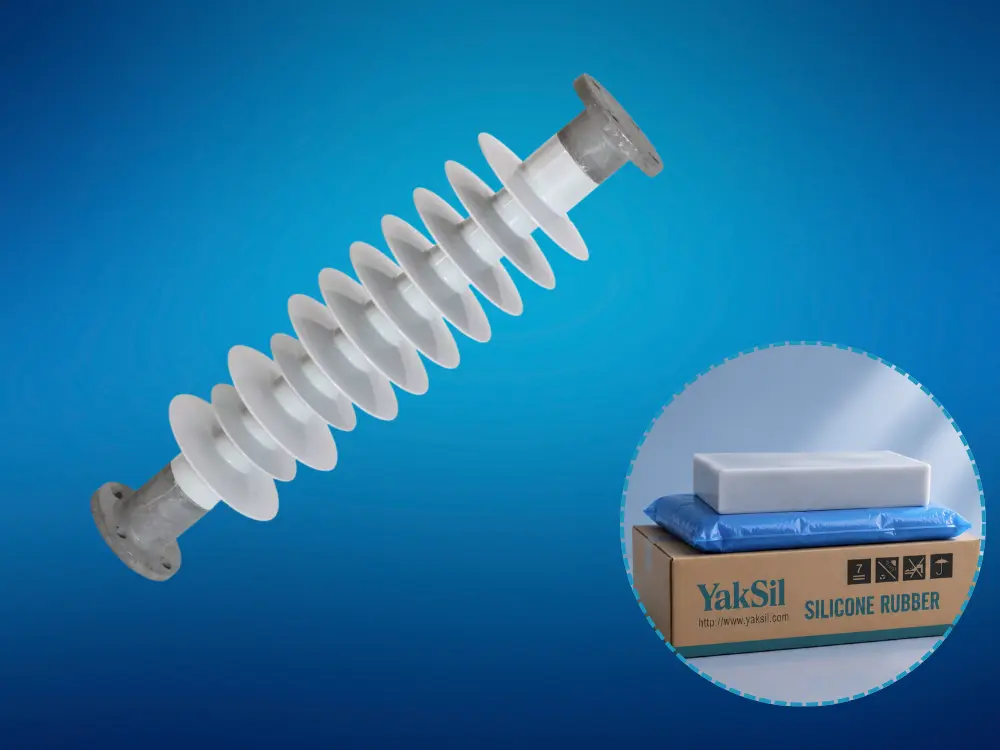
Cao su silicone HTV dùng cho cách điện composite
Electrical insulation formulation for outdoor power applications.
Composite insulator housings where hydrophobicity, tracking resistance, UV aging and durability matter.
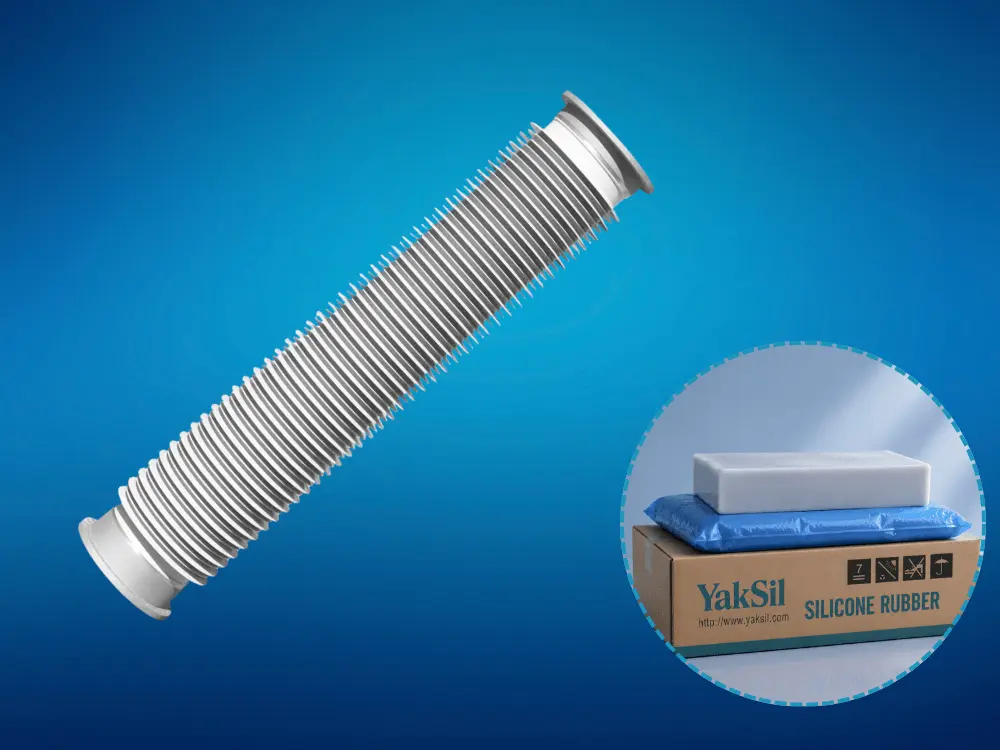
Cao su silicone HTV dùng cho cách điện lõi rỗng
For high-voltage outdoor equipment insulation systems.
GIS, transformer and reactor bushings, switchgear and transmission-related insulation systems.
Where HTV Silicone Rubber Is Used
HTV silicone rubber serves a wide range of end uses. Instead of choosing a material by one property alone, buyers typically match the application, process, appearance target, regulatory requirement and service environment together.

Power & Electrical
Composite insulators, hollow-core insulators, cable accessories, bushings and other outdoor or high-voltage components that require electrical insulation, weather resistance and long-term stability.
Related grades: composite-insulator HTV, hollow-core insulator HTV, flame-retardant HTV.

New Energy & EV
High-voltage cable parts, battery-pack sealing components, grommets, protective parts and flame-retardant electrical components used where insulation, heat resistance and durability are important.
Related grades: flame-retardant HTV, high-tear HTV, electrical-insulation HTV.
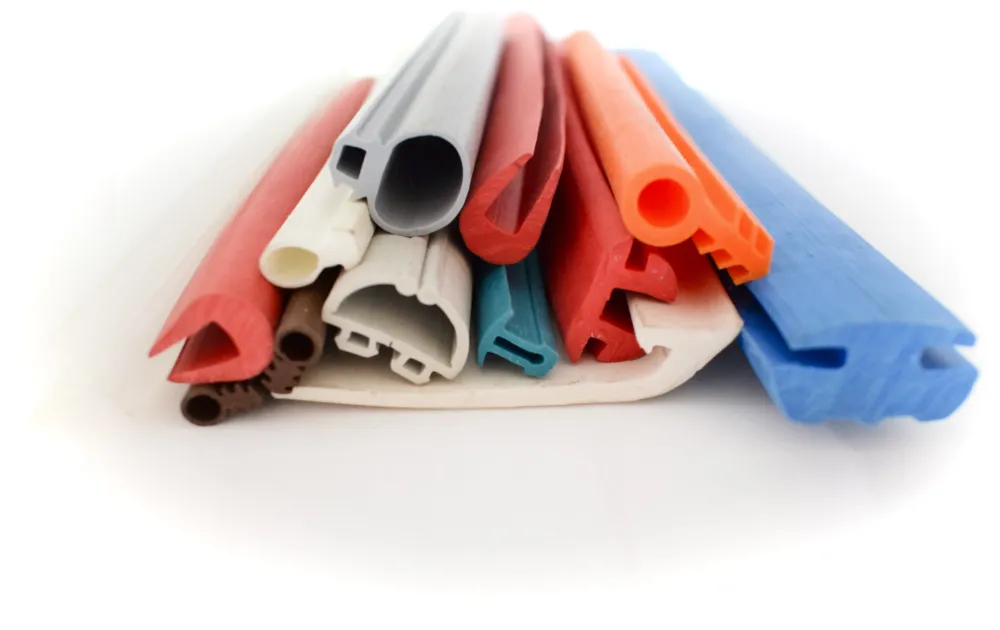
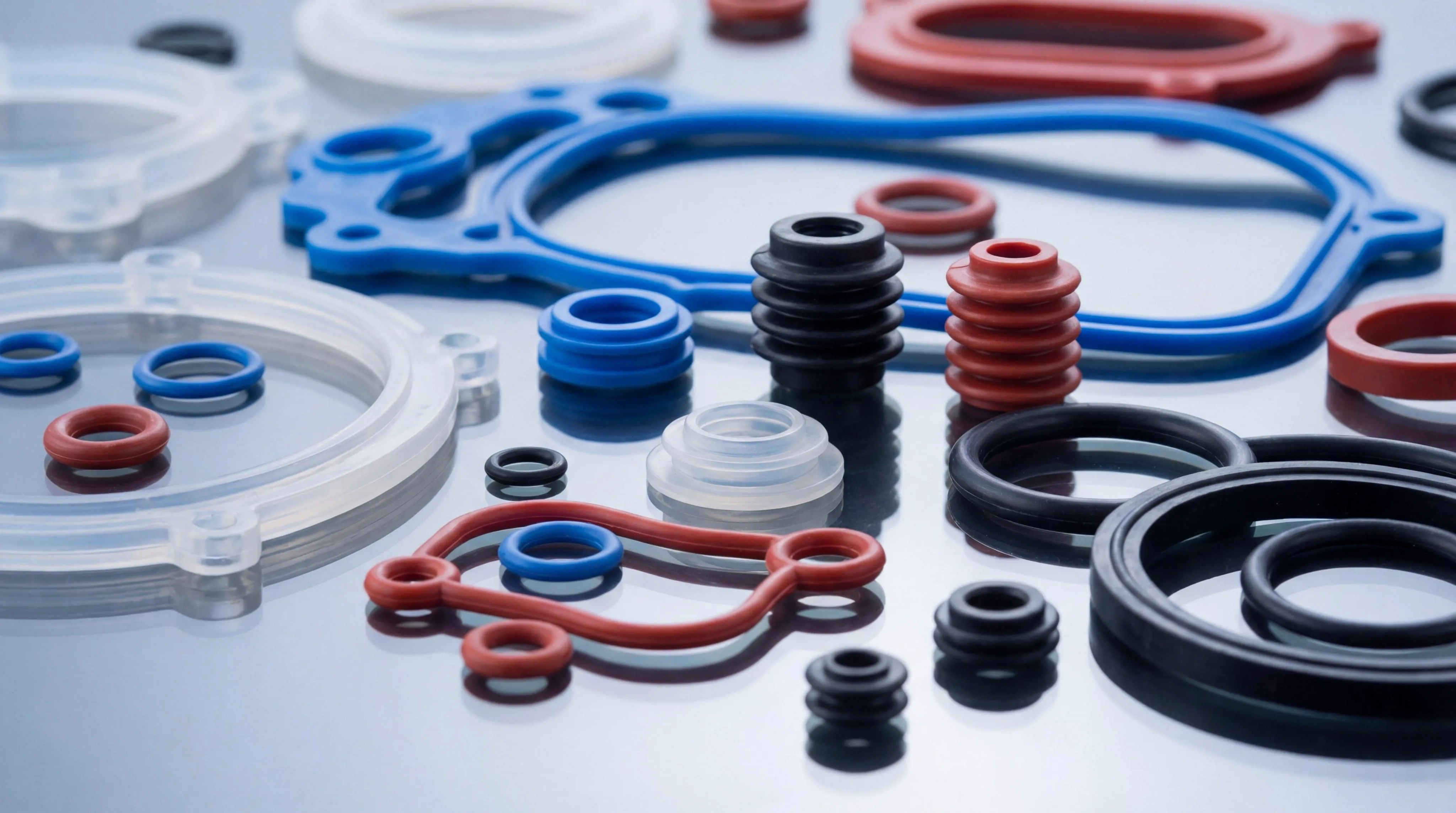
Industrial Sealing & Components
O-rings, gaskets, pads, washers, membranes and custom silicone components where elasticity, heat resistance, weatherability or repeated-use performance matter.
Related grades: general-purpose HTV, high-tear HTV, anti-yellowing HTV.
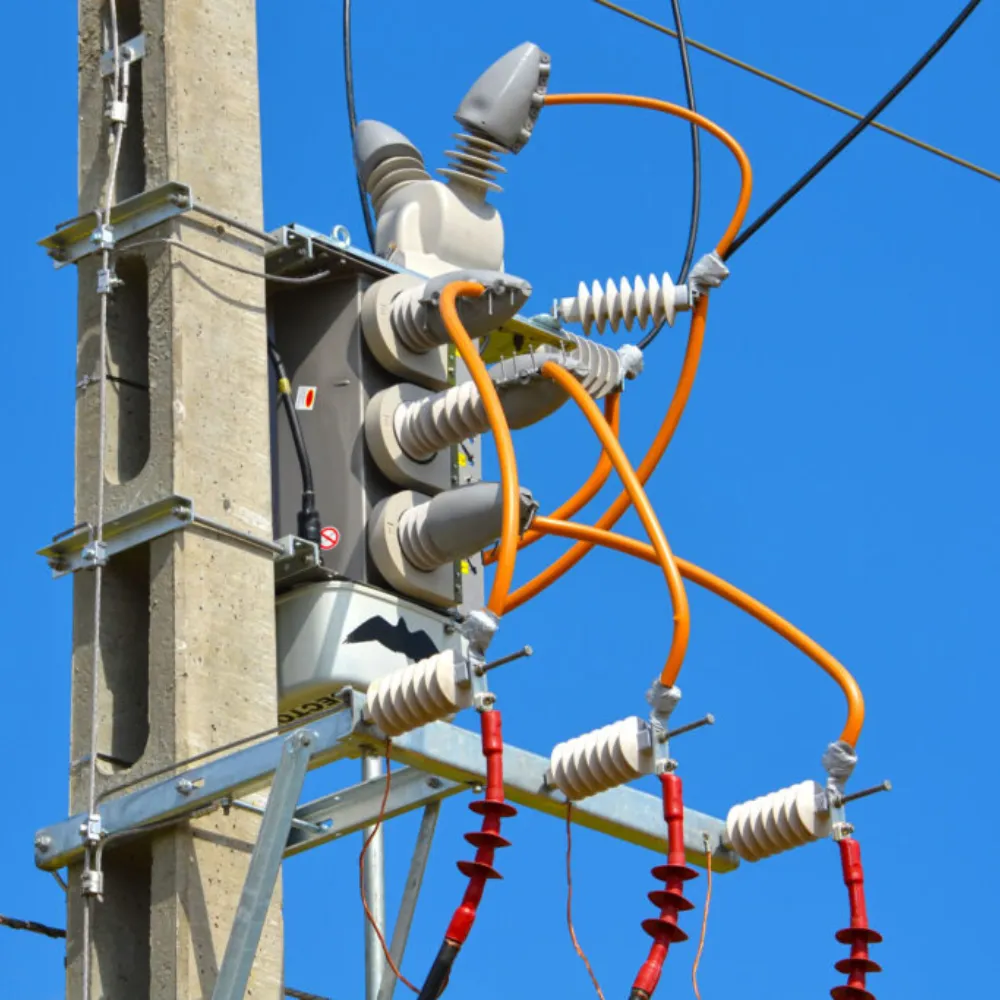
Dây và cáp
Insulation, sleeves, tubing, extruded profiles and other cable-related components that need stable material behavior through extrusion or other suitable HTV processing routes.
Related grades: flame-retardant HTV, general-purpose HTV, electrical-insulation HTV.
Consumer & Appliance
Buttons, keypads, kitchenware, visible light-colored parts and other silicone components where appearance stability, elasticity and product feel are part of the buying criteria.
Related grades: anti-yellowing HTV, food-grade HCR, general-purpose HTV.
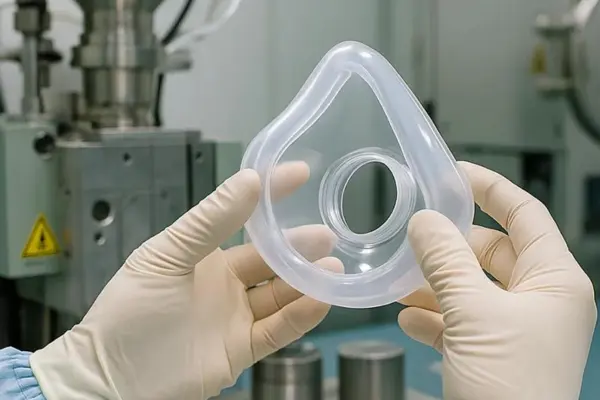
Food & Healthcare
Selected food-contact seals, baby-product components and healthcare-related silicone parts where the chosen grade, purity level and supporting documents must match the intended use.
Related grades: food-grade HCR, selected medical-grade HTV.
Most projects start with the part type and service environment, then move to hardness, cure system, appearance, flame-retardant or insulation requirements, and finally to documentation and commercial confirmation.
Yakows can guide grade selection, share grade-specific technical documents and discuss sample evaluation based on the customer's process, required performance and compliance needs.
Các tùy chọn về nguồn cung cấp và tính năng của cao su silicone HTV tiêu chuẩn
The table summarizes portfolio-level selection information represented across Yakows HTV product pages. Exact mechanical, electrical, curing and compliance values should always follow the TDS and documents of the selected grade.
| Selection Item | Typical Yakows HTV Options | What to Confirm |
|---|---|---|
| Material form | Hỗn hợp cao su silicone rắn / có độ đặc cao | Required handling and downstream process |
| Độ cứng | Selected product families from 30A to 90A Shore A | Target hardness, tolerance and finished-part function |
| Appearance / color | Màu trong mờ, trắng, đen và các màu tùy chỉnh tùy theo loại sản phẩm | Color target, translucency and yellowing requirement |
| Cure system | Các hệ thống được xúc tác bằng peroxit hoặc bạch kim tùy theo công thức | Process, odor, post-cure and application requirement |
| Xử lý | Đúc ép, đùn và đúc chuyển; các quy trình khác tùy theo loại sản phẩm | Equipment, cure conditions and production method |
| Mechanical properties | Có sẵn các công thức dùng cho mục đích chung và các công thức có độ bền cao / khả năng chống rách cao | Use grade-specific tensile, elongation and tear values |
| Electrical properties | Electrical-insulation and high-voltage composite-insulator grades available | Dielectric, tracking, erosion and project test requirements |
| Khả năng chịu nhiệt | Tùy thuộc vào công thức và điều kiện sử dụng | Use the operating-temperature range stated in the selected grade TDS |
| Flame / appearance options | Flame-retardant, selected UL 94 V-0, high tear and anti-yellowing options by grade | Required test level and exact grade evidence |
| Compliance support | Hỗ trợ liên quan đến các tiêu chuẩn RoHS, REACH, FDA, LFGB, PAHs và UL đối với các loại sản phẩm áp dụng | Không nên áp dụng một tuyên bố chứng nhận duy nhất cho mọi cấp độ HTV |
| Tài liệu | TDS, SDS, COA and selected certification / test documentation | Request files tied to the exact material being approved |
| Bao bì | Some Yakows HTV pages reference 20 kg carton / pallet packaging | Confirm packaging for the exact product and order |
Quy trình chế biến cao su silicone HTV
HTV silicone rubber is supplied as a high-consistency compound and selected according to the customer's production process. Cure conditions, compound handling and post-curing requirements can vary by formulation.
For stable mass production, curing temperature and time should follow the selected product TDS rather than being treated as one fixed value for all HTV silicone rubber.
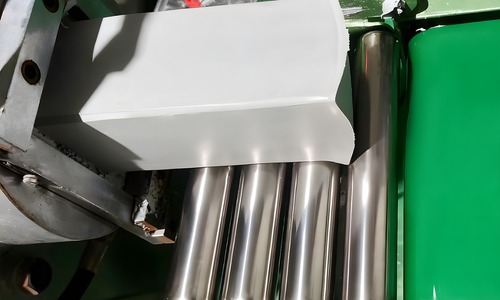
Yakows supports material selection for compression molding, extrusion, transfer molding and application-specific heat-curing processes. The material recommendation can take into account equipment, part geometry, cure system, production cycle and required finished-part performance.
Sampling under real customer production conditions is recommended before mass-production approval, especially where cure behavior, appearance, electrical performance or tight dimensional requirements are important.
Đúc ép
Common for O-rings, gaskets, pads, buttons, keypads, electrical parts and many solid silicone components.
Đùn
Được sử dụng cho các loại thanh định hình, dây cáp, gioăng, ống, lớp cách điện cho dây và cáp, cũng như các sản phẩm silicon dạng liên tục khác.
Đúc chuyển
Suitable for selected compounds and more complex structures where controlled material transfer into cavities or around inserts is required.
Specialized Processes
Electrical insulation and other application-specific products may require dedicated equipment, molding conditions and cure systems.
HTV Silicone Rubber vs LSR
HTV and LSR are both heat-cured silicone elastomer families, but their material form, handling and production systems are different. The right choice depends on the part design, process and production requirements.
| Mặt hàng | Cao su silicone HTV / HCR | Cao su silicone lỏng (LSR) |
|---|---|---|
| Material form | Solid / high-consistency compound | Hệ thống silicone lỏng hai thành phần |
| Typical processing | Đúc ép, đùn, đúc chuyển | Đúc phun chất lỏng |
| Curing system | Peroxide hoặc bạch kim, tùy theo cấp độ | Chủ yếu là quá trình đóng rắn bằng phản ứng cộng có sự xúc tác của bạch kim trong khuôn được làm nóng |
| Material handling | Hợp chất rắn; có thể cần phải tạo hình sơ bộ hoặc trộn theo quy trình | Được định lượng và trộn dưới dạng hệ thống chất lỏng hai thành phần |
| Typical applications | Vòng đệm công nghiệp, thanh định hình, chi tiết đúc, vật liệu cách điện và cách điện composite | Các bộ phận y tế, tiêu dùng, tiếp xúc với thực phẩm và kỹ thuật được đúc chính xác |
Project Experience with HTV Silicone Rubber
Application references provide additional evidence of how dedicated HTV formulations are evaluated in demanding service environments. They are examples of project experience, not universal performance claims for every HTV grade.
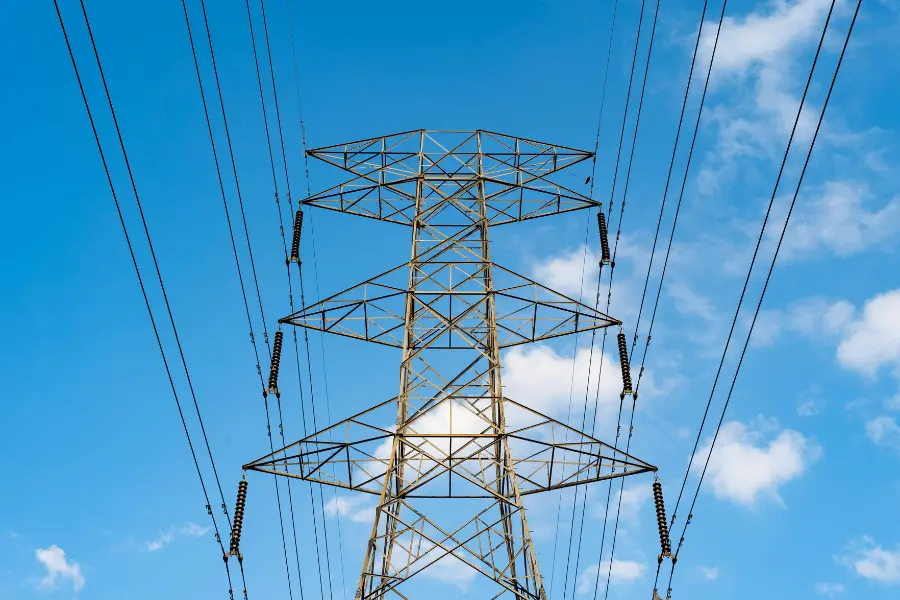
Outdoor service across a wide temperature range
The project description references approximately -40°C to +40°C operation together with UV exposure. The customer needed an insulation housing material able to support hydrophobic surface behavior, weathering resistance and reliable electrical service over long outdoor exposure.
Application: high-voltage composite insulator housing for outdoor grid service.
Material focus: hydrophobicity, tracking resistance, UV aging, mechanical durability and electrical insulation.
Reported result: lower leakage-current occurrence, reduced maintenance and improved long-term reliability according to the existing Yakows case description.
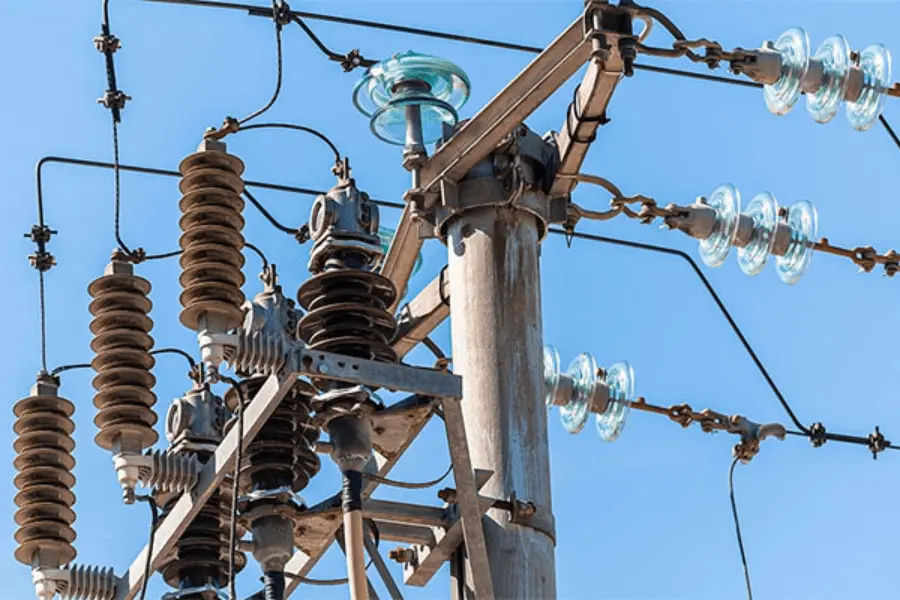
Wet, contaminated and monsoon operating conditions
The project description highlights frequent moisture, pollution accumulation and monsoon conditions. The customer required a silicone material that could maintain useful surface hydrophobicity and support dielectric reliability through changing outdoor conditions.
Application: outdoor transmission insulators exposed to wet and contaminated environments.
Material focus: hydrophobicity transfer, tracking resistance, UV-aging stability, flexibility and electrical performance.
Reported result: reduced maintenance downtime, improved flashover performance and longer service life according to the existing Yakows case description.
Năng lực sản xuất cao su silicone của Yakows
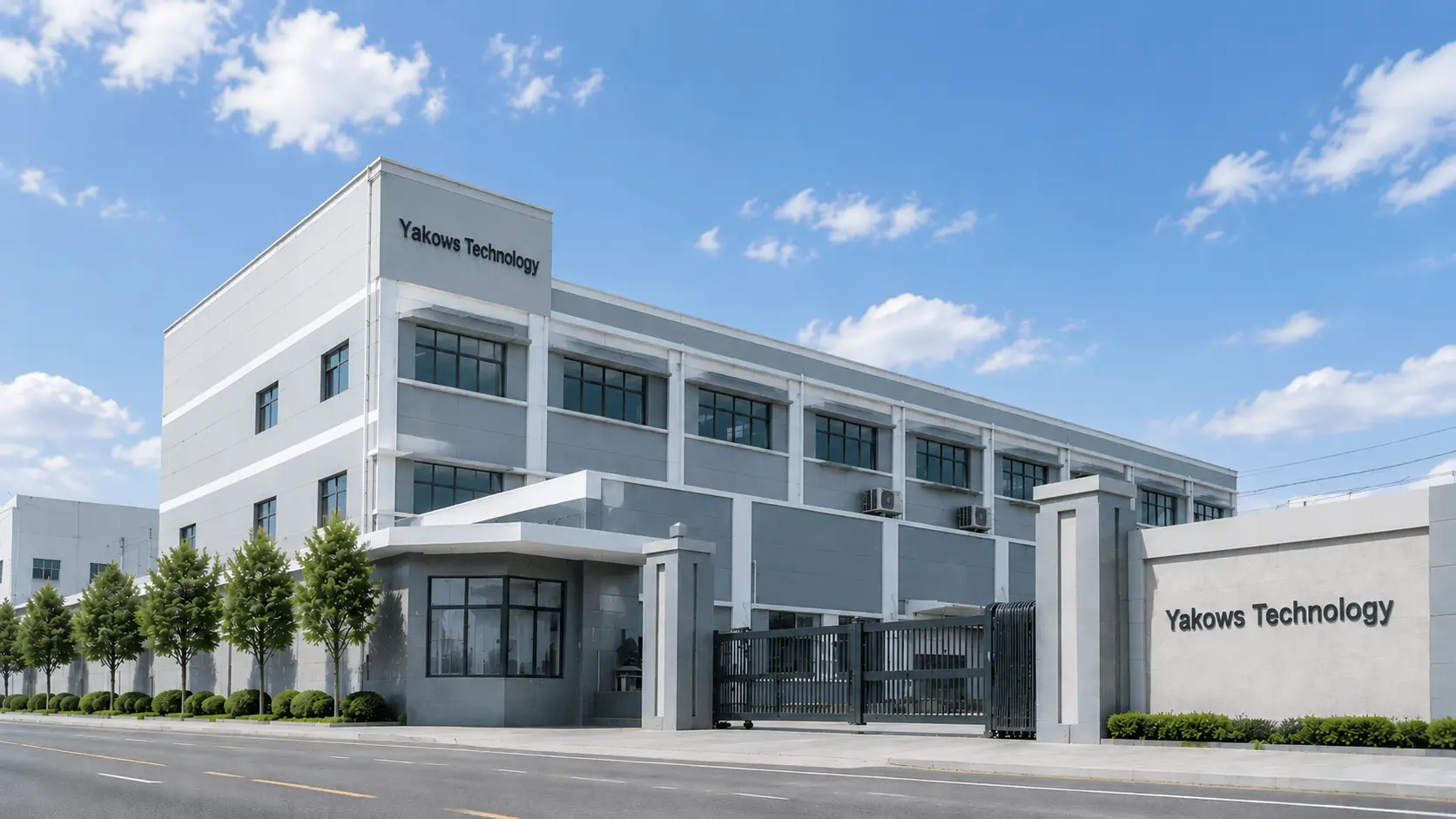
Yakows' website presents a 20,000 m² manufacturing base in Dongguan, an R&D team with long-term silicone-industry experience, and integrated capabilities covering silicone materials, mold development and custom component production.
For HTV projects, the value is not only compound supply. Material selection, formulation matching, sample evaluation, curing-system discussion, processing feedback and supporting technical documents can all be part of the qualification process.
Formulations can be selected around sealing, mechanical, electrical, appearance and regulated-application requirements.
Multiple hardness and color choices are available across the HTV product families, subject to the selected formulation.
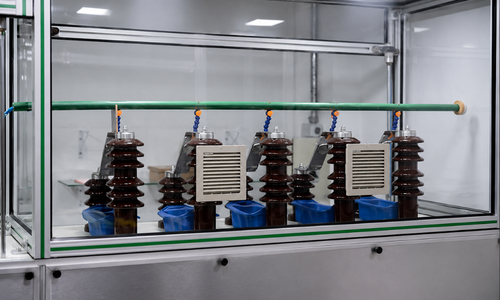
Material selection, sample testing, cure-system discussion and production troubleshooting can be supported according to the project.
TDS, SDS, COA and selected compliance / test documentation can be supplied according to product and project requirements.
TDS, SDS, COA và Hỗ trợ tuân thủ
For B2B material evaluation, technical documentation should be connected to the exact HTV silicone rubber grade rather than presented only as general company certificates.
Depending on the product and project, Yakows product pages reference support for TDS, SDS, COA and selected compliance or test documentation including RoHS, REACH, FDA, LFGB, PAHs and UL-related requirements.
Before approval, tell Yakows which standard or document your customer, factory or end market requires so the availability and scope can be confirmed for the exact grade.
Request grade-specific technical data including the properties and processing information published for the selected formulation.
SDS / COARequest safety information and available batch / quality documentation for procurement and material approval.
Tuân thủConfirm whether the selected grade has the exact RoHS, REACH, FDA, LFGB, PAHs, UL-related or other project evidence required.
SampleDiscuss the target grade, evaluation quantity, production process and test conditions before mass-production approval.
Câu hỏi thường gặp về cao su silicone HTV
Quick answers to common material-selection and procurement questions.
HTV có nghĩa là gì trong lĩnh vực cao su silicone?
HTV commonly means High Temperature Vulcanized Silicone Rubber. It is a solid silicone elastomer that is cured with heat and used across industrial, electrical and other technical applications.
Cao su silicone HTV có giống với HCR không?
In most industrial contexts, HTV silicone rubber and HCR (High Consistency Rubber) describe the same general family of solid, heat-cured silicone elastomers.
What hardness is available?
Several current Yakows HTV product families list options from 30A to 90A Shore A. Availability should be confirmed for the specific grade.
Cao su silicone HTV được đóng rắn như thế nào?
Depending on the formulation, HTV silicone rubber may use peroxide curing or platinum-catalyzed curing. Cure conditions should follow the selected grade's TDS.
Which HTV grade should I choose?
Start with the final application, hardness, processing method, operating conditions, performance targets, documentation requirements and estimated quantity. These inputs make grade recommendation more useful.
Can HTV silicone rubber be used for electrical insulation?
Yes. Yakows provides dedicated HTV grades for composite and hollow-core insulators as well as flame-retardant electrical applications. Exact performance and test requirements should be confirmed by grade.
Does Yakows provide food-grade or medical-grade HTV?
Yakows has dedicated food-grade HCR and medical-grade HTV product pages. Any compliance claim should be tied to the exact grade, supporting document and intended application.
What documents can I request?
Depending on grade and project requirements, support may include TDS, SDS, COA and selected compliance or test documents such as RoHS, REACH, FDA, LFGB, PAHs and UL-related documentation.
How do I request a quotation or sample?
Send the application, target hardness, color, process, cure system, key performance requirements, required documents and estimated quantity through the contact form or by email. Yakows can then discuss grade selection, sample evaluation and quotation.
What should I send to get a useful HTV quotation?
Send the finished application, target hardness and color, processing method, cure-system requirement, operating conditions, key performance targets, required documents, estimated quantity and sample need. This gives the technical and sales teams enough context to recommend a grade and prepare a more relevant quotation.
Tell Us What the Finished Part Needs to Do
Share the application and technical requirements. Yakows can help narrow the HTV grade, provide relevant documents and discuss sampling and quotation.