
Material Guide
6 loại cao su silicone phổ biến và ứng dụng của chúng
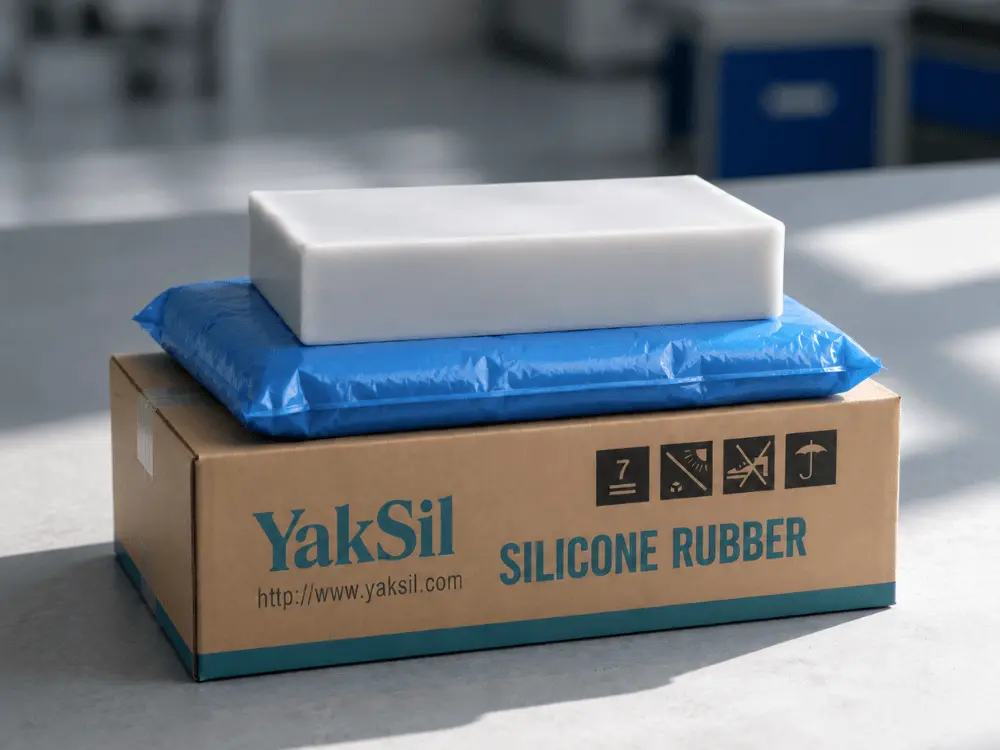
Cao su silicone is one of the most versatile elastomeric materials used in modern engineering. Its unique combination of thermal stability, flexibility, chemical resistance, electrical insulation, and biocompatibility makes it suitable for applications ranging from automotive seals and medical tubing to electronics, food-contact components, and aerospace parts.
Cao su silicone là gì?
Silicone rubber is a synthetic elastomer based primarily on polysiloxane chains, typically composed of alternating silicon and oxygen atoms with organic side groups such as methyl, vinyl, phenyl, or fluoroalkyl groups. Unlike many organic rubbers that rely on carbon-carbon backbones, silicone rubber has a silicon-oxygen backbone. This molecular structure contributes to its excellent resistance to heat, oxidation, ultraviolet radiation, ozone, and weathering.
In practical use, silicone rubber is not a single material but a family of elastomers. Different grades are formulated by modifying polymer structure, filler type, curing chemistry, hardness, viscosity, and post-curing requirements. The correct type of silicone rubber should be selected according to processing method, service temperature, regulatory requirements, mechanical load, chemical exposure, and product design.
Quick Comparison of 6 Common Types of Silicone Rubber
The following table summarizes six widely used silicone rubber types, their typical forms, core properties, and common industrial applications.
| Type of Silicone Rubber | Typical Form | Key Characteristics | Common Uses |
|---|---|---|---|
| Cao su có độ đặc cao | Gum-like solid compound | Excellent mechanical strength, extrusion and compression molding suitability | Seals, gaskets, tubing, profiles, automotive parts |
| Cao su silicone lỏng | Two-part pumpable liquid | High precision, fast injection molding, clean processing | Medical parts, baby products, electrical connectors, precision components |
| Silicone lưu hóa ở nhiệt độ phòng | One-part or two-part paste/liquid | Cures at room temperature, good sealing and bonding ability | Sealants, adhesives, potting, mold making, repair applications |
| Fluorosilicone Rubber | Solid or liquid compound | Improved resistance to fuels, oils, and solvents | Aerospace seals, fuel system gaskets, oil-resistant components |
| Cao su xốp silicon | Foamed or cellular rubber | Low density, compressibility, thermal insulation, sealing performance | Weather seals, enclosure gaskets, cushioning, thermal barriers |
| Electrically Conductive Silicone Rubber | Filled elastomer compound | Controlled conductivity, EMI shielding, flexible electrical contact | Keypads, shielding gaskets, sensors, antistatic components |
1. High Consistency Rubber
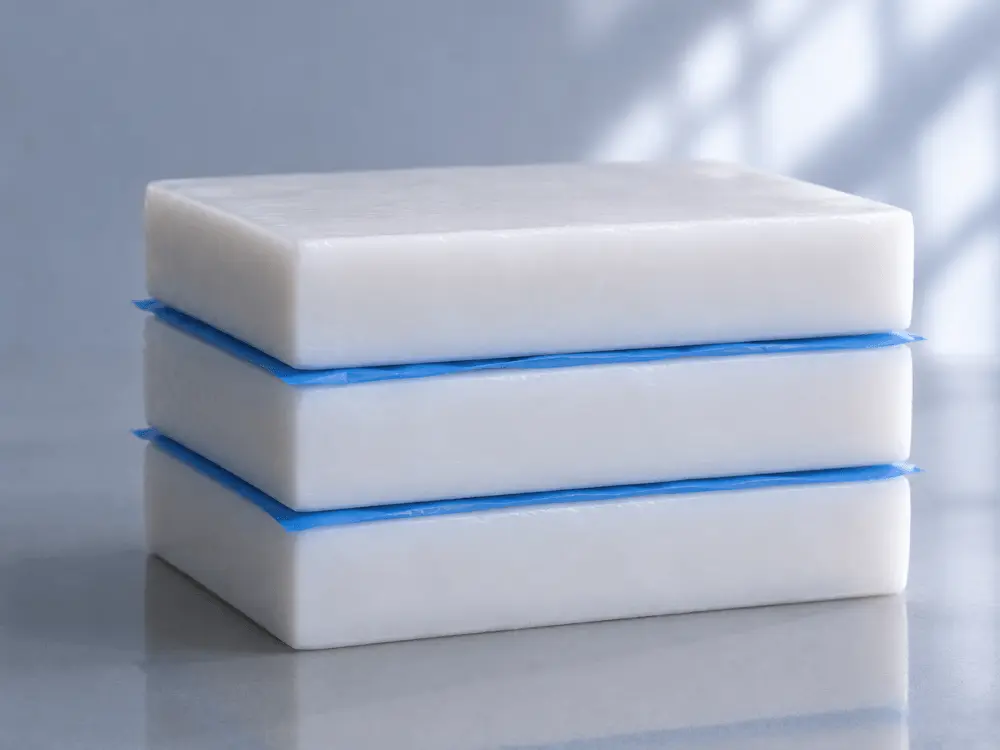
High Consistency Rubber, often abbreviated as HCR, is also known as solid silicone rubber or heat vulcanizing silicone rubber. It is supplied as a gum-like compound with relatively high viscosity. HCR is usually processed by compression molding, transfer molding, calendaring, or extrusion. After shaping, it is cured with peroxide or platinum-based systems, depending on the application requirements.
HCR is valued for its balance of mechanical strength, elasticity, heat resistance, and long-term durability. It can be formulated across a wide hardness range and can be reinforced with silica fillers to improve tensile strength, tear resistance, and dimensional stability. Many extruded silicone tubes, sealing profiles, O-rings, gaskets, and molded industrial parts are made from HCR.
This type is especially suitable when the part geometry is relatively simple, production volume is medium to high, and strong mechanical performance is required. In automotive and industrial equipment, HCR is commonly used for door seals, engine-area components, vibration dampers, cable insulation, and flexible connectors.
2. Liquid Silicone Rubber
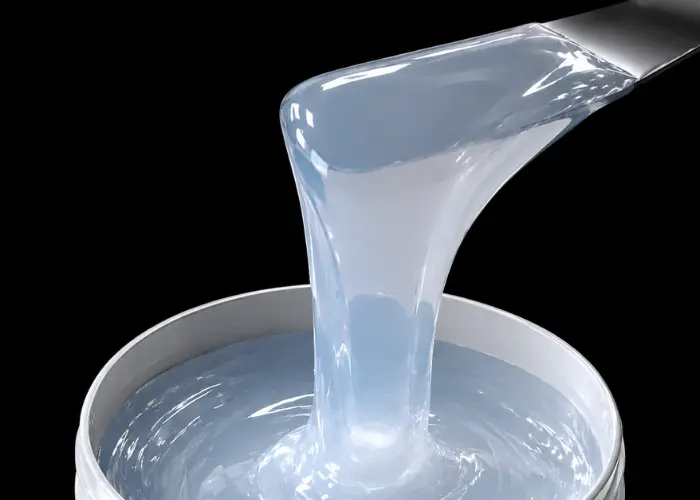
Liquid Silicone Rubber, or LSR, is a two-component, low-viscosity silicone system designed mainly for liquid injection molding. The two parts are typically mixed in a controlled ratio and cured rapidly inside a heated mold. Because LSR can flow easily into complex cavities, it is ideal for producing small, precise, and highly repeatable parts.
Compared with traditional solid silicone rubber, LSR offers excellent process automation. It is suitable for high-volume manufacturing where clean processing, tight tolerances, and short cycle times are important. LSR can also be overmolded onto plastics, metals, and electronic components, making it useful in integrated product designs.
Common applications include medical seals, respiratory components, syringe parts, baby bottle nipples, wearable device components, electrical connectors, waterproof seals, and precision valves. Medical and food-contact applications require carefully selected grades, validated processing conditions, and appropriate documentation from the material supplier.
3. Room Temperature Vulcanizing Silicone Rubber
Room Temperature Vulcanizing silicone rubber, commonly called RTV silicone, cures without the need for high-temperature molding equipment. RTV systems are available as one-part and two-part materials. One-part RTV products typically cure by reacting with moisture in the air, while two-part RTV systems cure after mixing a base and a curing agent.
RTV silicone rubber is widely used when in-place curing, sealing, bonding, casting, or repair is required. It has good adhesion to many substrates, although surface preparation and primer selection may be necessary for demanding applications. Its ability to cure at room temperature makes it practical for maintenance, electronics assembly, construction joints, and prototype development.
Typical uses include industrial sealants, electronic potting compounds, mold-making materials, adhesive gaskets, appliance seals, and protective coatings. RTV silicone is not always designed for high mechanical loads, so engineers should evaluate tensile strength, elongation, adhesion, cure depth, and chemical compatibility before using it as a structural material.
4. Fluorosilicone Rubber
Fluorosilicone rubber is a modified silicone elastomer that contains fluoroalkyl groups in the polymer structure. These groups improve resistance to fuels, oils, solvents, and certain hydrocarbons compared with standard methyl silicone rubber. At the same time, fluorosilicone retains many beneficial silicone properties, including flexibility over a broad temperature range and good resistance to weathering.
The main advantage of fluorosilicone rubber is its performance in environments where both temperature resistance and fluid resistance are required. Standard silicone rubber may swell or lose mechanical properties when exposed to fuels or aggressive oils. Fluorosilicone is often selected to reduce these risks in demanding sealing applications.
It is commonly used in aerospace fuel systems, automotive fuel seals, turbocharger hoses, oil-resistant gaskets, and industrial equipment exposed to hydrocarbons. However, fluorosilicone is generally more expensive than conventional silicone rubber and may have lower tear strength in some formulations. Therefore, it is usually chosen when chemical resistance justifies the added cost.
5. Silicone Sponge Rubber
Silicone sponge rubber is a cellular form of silicone elastomer. It contains a network of gas-filled cells that reduce density and increase compressibility. Depending on the formulation and manufacturing method, the cell structure may be open-cell, closed-cell, or a combination of both. Closed-cell silicone sponge is especially useful for sealing because it resists water absorption better than open-cell foam.
This material is selected when cushioning, thermal insulation, vibration absorption, or low-pressure sealing is required. Compared with dense silicone rubber, sponge silicone can deform more easily under compression, making it effective for irregular surfaces or enclosures that need environmental sealing.
Common applications include outdoor lighting seals, electrical enclosure gaskets, HVAC seals, oven door gaskets, battery pack cushioning, aerospace insulation pads, and industrial access-panel seals. Key design parameters include compression deflection, compression set, cell structure, density, and long-term recovery after repeated loading.
6. Electrically Conductive Silicone Rubber
Standard silicone rubber is usually an excellent electrical insulator. However, when filled with conductive particles such as carbon black, silver-plated materials, nickel-coated particles, or other conductive fillers, silicone rubber can be engineered to provide controlled electrical conductivity. This creates a flexible material that combines elastomeric behavior with electrical functionality.
Electrically conductive silicone rubber is widely used in electronic devices where flexibility, sealing, and conductivity must be combined. Conductive silicone keypads are a familiar example. When a user presses a key, the conductive silicone pill or contact completes an electrical circuit on a printed circuit board.
Other uses include electromagnetic interference shielding gaskets, antistatic seals, grounding pads, flexible sensors, and conductive connectors. The final performance depends strongly on filler type, filler loading, dispersion quality, compression pressure, surface contact, and environmental aging. Designers must consider both mechanical and electrical requirements when specifying this material.
How to Choose the Right Type of Silicone Rubber
Selecting the right silicone rubber begins with the operating environment. Temperature range, exposure to UV light, ozone, water, fuels, oils, cleaning agents, and mechanical stress should be evaluated before choosing a grade. For high-volume precision molding, LSR is often preferred. For extruded profiles and robust industrial parts, HCR is commonly suitable. For sealing or bonding on-site, RTV silicone is usually more practical.
Chemical exposure is another critical factor. Standard silicone rubber performs well against many environmental conditions but is not always the best option for fuels and hydrocarbon oils. In such cases, fluorosilicone may provide better long-term stability. For low-pressure sealing or cushioning, silicone sponge rubber may be more effective than dense silicone. For electronic or shielding functions, conductive silicone rubber should be considered.
Regulatory and quality requirements must also be reviewed. Medical, food-contact, automotive, aerospace, and electronics applications may require specific testing, traceability, extractables evaluation, cleanliness controls, flame resistance, or supplier certifications. A material should never be selected based only on the generic name “silicone rubber.” The exact formulation, cure system, post-cure process, and supplier data sheet are essential.
Key Advantages of Silicone Rubber
Across its different types, silicone rubber offers several engineering advantages. It remains flexible at low temperatures and stable at elevated temperatures. It resists aging caused by oxygen, ozone, sunlight, and weather exposure better than many organic elastomers. It can be formulated for transparency, pigmentation, electrical insulation, conductivity, flame resistance, softness, or high tear strength.
Silicone rubber also has limitations. It may have lower abrasion resistance than some organic rubbers, and standard grades may not resist fuels or concentrated solvents well. Some formulations require post-curing to remove volatile residues or improve final performance. For this reason, successful silicone rubber application depends on correct material selection, suitable processing, and careful validation under real service conditions.
Kết luận
Silicone rubber is not a single universal material but a broad family of elastomers with different processing methods and performance profiles. High Consistency Rubber, Liquid Silicone Rubber, RTV silicone, fluorosilicone rubber, silicone sponge rubber, and electrically conductive silicone rubber each serve different engineering needs.
Understanding these six common types helps designers, manufacturers, and buyers select a material that matches the actual application. Whether the goal is precision molding, medical safety, chemical resistance, environmental sealing, cushioning, or electrical functionality, the best choice depends on both material science and real-world operating conditions.