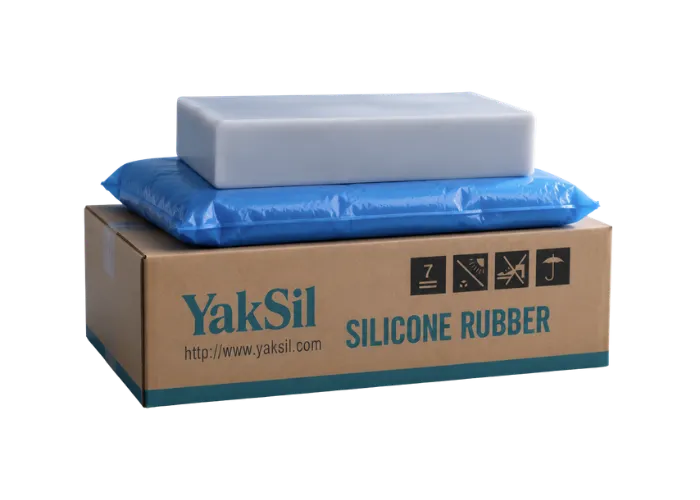
Performance 01
Cao su silicone có độ bền xé cao
For components requiring better tear resistance, flex durability and more reliable behavior during molding, handling and repeated use.

A focused product hub for buyers who are selecting silicone rubber by target performance rather than by a broad generic material name.
Yakows performance silicone rubber covers the property directions most often requested in industrial sourcing: tear strength, high-temperature stability, low compression set and high hardness. This page organizes those performance families into a clearer structure so users can move from a technical requirement to the right grade page more efficiently.
The current Yakows performance structure includes four main directions. Each card below works as a category entrance and should lead the user toward the corresponding performance page with stronger technical detail and conversion content.
For components requiring better tear resistance, flex durability and more reliable behavior during molding, handling and repeated use.

For molded and extruded parts that must maintain useful performance when exposed to elevated temperatures and thermal aging conditions.
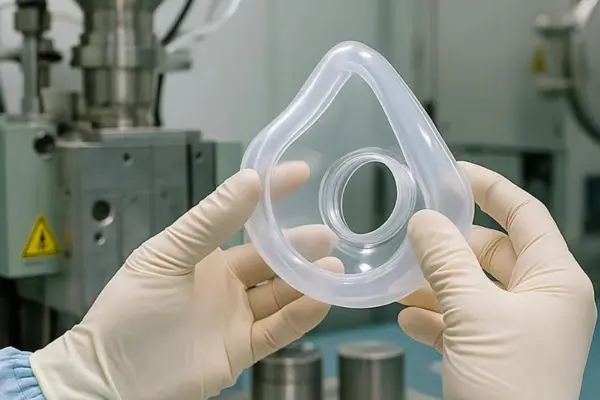
For O-rings, gaskets and static seals that need better shape recovery after long-term compression in service.
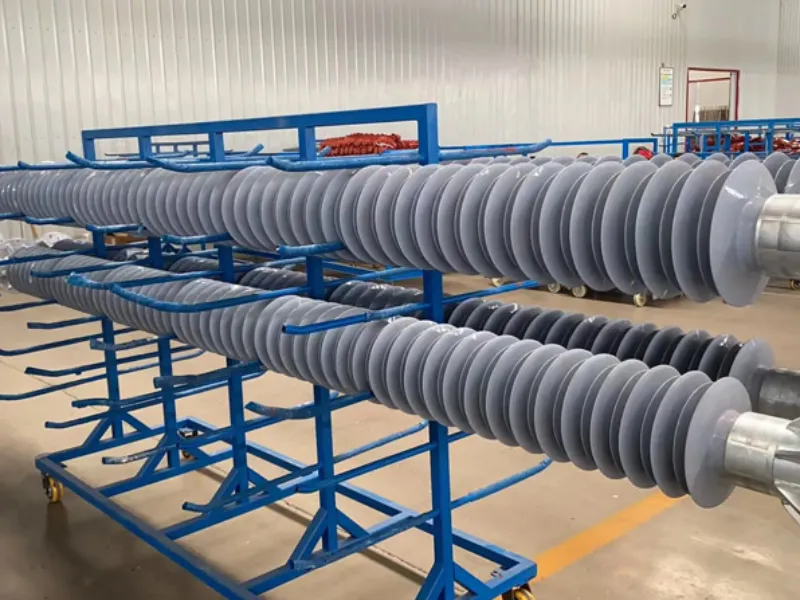
For applications needing a firmer compound, stronger support, dimensional stability and higher hardness selection within the silicone range.
This section makes the aggregation page more practical for real users. Instead of only showing page names, it connects each performance family to a main need, common component types and a clearer selection logic.
| Main Need | Recommended Direction | Typical Components | Trọng tâm lựa chọn | Explore |
|---|---|---|---|---|
| Resistance to tearing and repeated flex stress | Cao su silicone có độ bền xé cao | Flexible seals, thin-wall molded parts, mechanical silicone parts | Tear strength, elongation, demolding behavior, durability | View page |
| Reliable performance under high-temperature service | Cao su silicone chịu nhiệt độ cao | Heat-exposed seals, profiles, gaskets and molded components | Thermal aging, temperature resistance, process stability | View page |
| Better elastic recovery after long compression | Low Compression Set Silicone Rubber | O-rings, static gaskets, enclosure sealing parts | Compression set, long-term sealing reliability, hardness match | View page |
| Firmer structure and higher hardness requirement | Các giải pháp cao su silicone có độ cứng cao | Structural molded parts, support components and firmer silicone products | Hardness range, processing route, dimensional stability | View page |
To avoid a flat directory feeling, this section gives richer context around the key performance families and makes the page look more complete, more product-oriented and more valuable for SEO and user decision-making.
This direction is especially relevant when the silicone part includes thin sections, complex geometry or use conditions involving repeated movement and handling stress. It helps the buyer understand that tear strength is not an isolated number but part of a full compound-performance profile.
When the part remains compressed for a long service period, sealing performance depends heavily on elastic recovery. This direction is therefore important for O-rings, enclosure gaskets and other components where contact pressure must be maintained over time.
Heat resistance and hardness should not be mixed into one concept. Some buyers need better thermal retention, while others need a firmer silicone body with more structural support. This page helps separate those two demand types so users can enter the right performance page from the beginning.
Although this is a performance aggregation page, users still need a path back to the core material families. That is why the page should clearly connect the performance directions to HTV / HCR and, where appropriate, to LSR.
High-consistency solid silicone compounds are the main base for current Yakows performance pages. They are suitable for compression molding, extrusion and related industrial processing routes.
For projects requiring liquid injection molding and more automated processing, LSR may be the correct platform. It should remain connected as a parallel material system rather than competing with the HTV performance logic.
This content helps convert the page from a simple catalog entrance into a more conversion-oriented procurement page for manufacturers and engineers.
Define the real product requirement, such as sealing, thermal exposure, flexibility or dimensional support.
Compression molding, extrusion or another manufacturing route can significantly affect compound selection.
Select whether tear strength, temperature, compression recovery or hardness is the most important property in the project.
Use TDS, technical discussion and sample testing to narrow the final grade after the correct performance family is chosen.
Application coverage helps users understand how the performance families support real manufactured components and also strengthens the page’s internal linking role within the site structure.
Low-compression-set and heat-resistant compounds for O-rings, enclosure gaskets and long-term static sealing components.
High-tear compounds for flexible parts, shaped components and silicone products exposed to movement or stress.
High-temperature silicone for heat-exposed molded or extruded parts requiring more stable service performance.
High-hardness silicone solutions for products needing a firmer body, support function or controlled dimensional behavior.
These FAQ blocks improve content depth, support long-tail keyword coverage and answer common pre-inquiry questions for industrial buyers.
Tell us what your part needs to do, how it will be produced and which property matters most. Yakows can help you identify the correct performance route, review relevant technical data and move toward sample evaluation more efficiently.
Share your application, processing method and property requirements with our team.