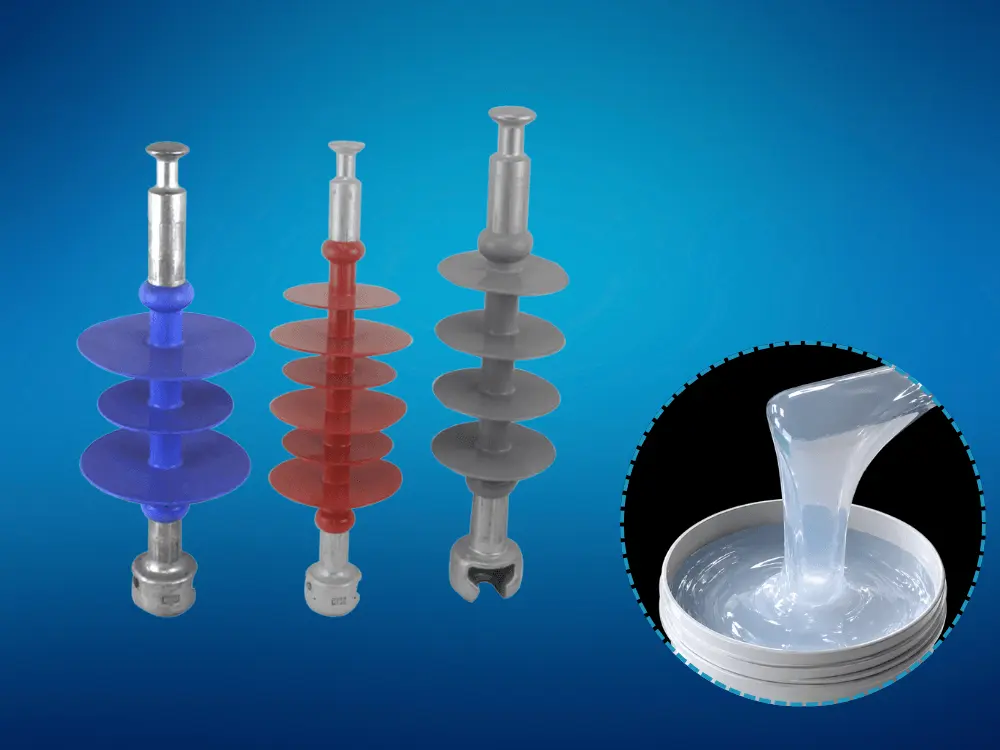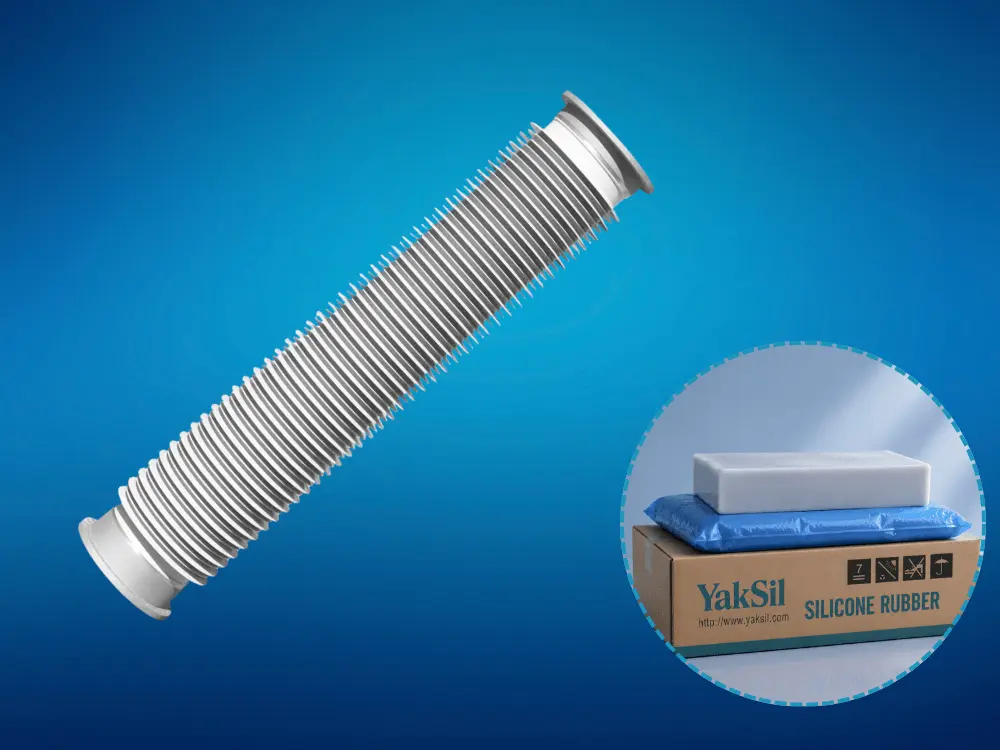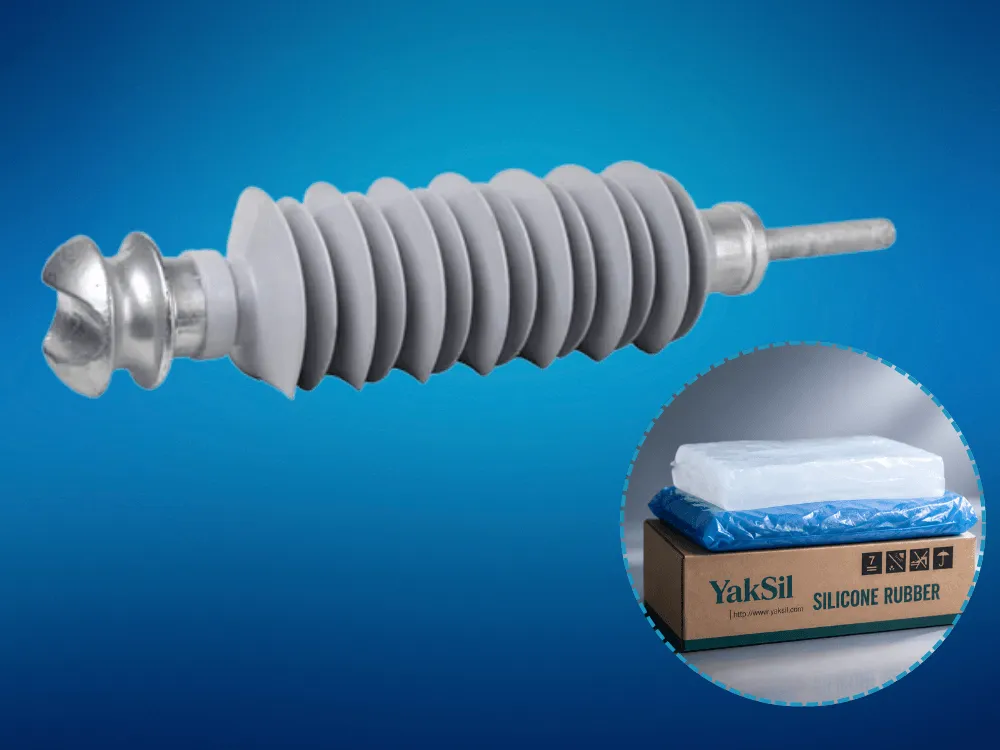
Sản phẩm cao su silicone Engineered for Performance.
Yakows provides silicone rubber materials and custom silicone compounds for molding, extrusion, sheeting, sealing and precision manufacturing. Our silicone rubber product range includes HTV silicone rubber, liquid silicone rubber (LSR), RTV silicone and application-specific compounds for electrical, automotive, medical, food-contact and industrial applications.

Silicone Rubber Materials for Sản xuất công nghiệp
Cao su silicone is widely used to manufacture flexible seals, gaskets, O-rings, tubing, profiles, sheets, electrical insulation components and precision molded parts. Depending on the manufacturing process, silicone materials may be supplied as solid silicone rubber, high-temperature vulcanized silicone rubber, liquid silicone rubber or room-temperature-curing silicone.
For manufacturers, selecting a silicone rubber product is not only a question of hardness. Processing method, curing system, flow behavior, tear strength, compression performance, temperature exposure, weathering, electrical requirements and regulatory documentation can all influence material selection.
Cao su silicone HTV, also referred to as solid silicone rubber or HCR silicone, is commonly selected for compression molding, extrusion, calendering and molded rubber components. Different formulations can be developed for general-purpose, high-strength, flame-retardant, food-contact, medical and electrical applications.
Liquid silicone rubber (LSR) is designed for liquid injection molding and precision manufacturing. It is particularly suitable when production requires automated processing, detailed part geometry, repeatable molding quality and efficient high-volume production.
RTV silicone rubber cures without the same high-temperature molding process used for HTV or LSR. RTV materials are commonly considered for sealing, bonding, encapsulation, potting, repair and mold-making applications.
YakSil supports manufacturers that require silicone rubber for molding, silicone rubber sheeting, silicone for O-rings, extrusion profiles, insulation parts and custom industrial silicone applications. Material recommendations can be based on your processing method, product design and operating environment.
Three Silicone Platforms. Different Processing Logic.
Understanding the difference between HTV, liquid silicone rubber and RTV silicone helps manufacturers select a material that works with the intended production process and finished-part performance requirements.
Cao su silicone HTV
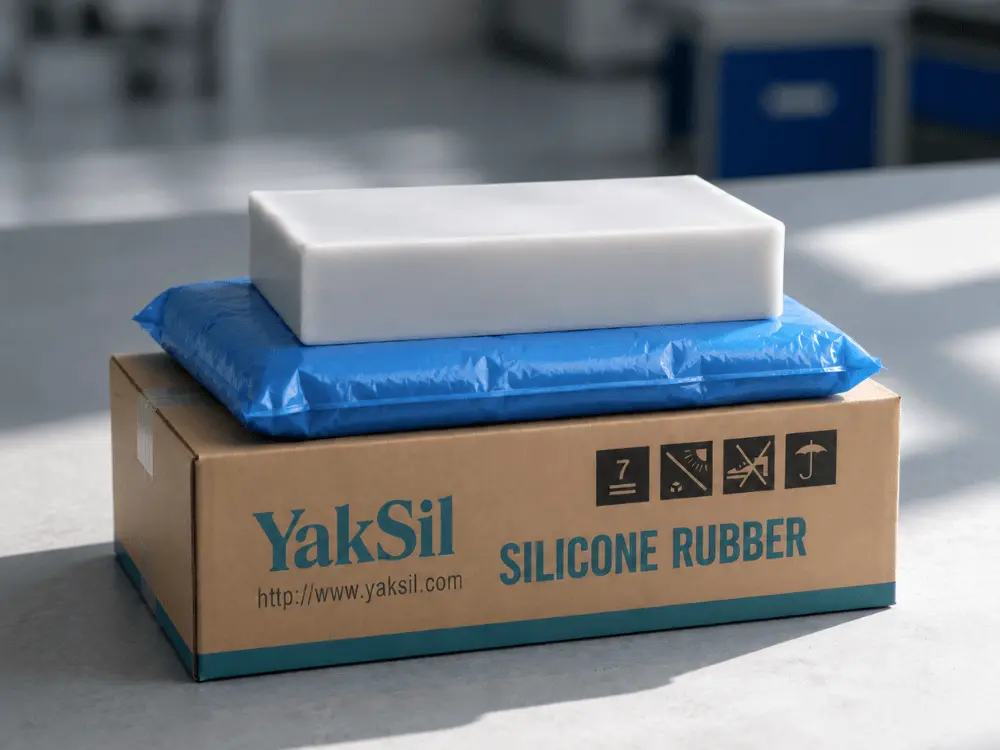
High-temperature vulcanized silicone rubber is a solid silicone elastomer designed for heat-curing processes. HTV silicone can be formulated for molding, extrusion, calendering and other industrial silicone rubber processing methods.
Explore HTV Silicone Rubber- Compression molding and transfer molding
- Extruded silicone tubing and profiles
- Calendered silicone rubber sheeting
- Gaskets, seals, pads and molded parts
- Các tùy chọn độ cứng và màu sắc theo yêu cầu
- Application-specific compound development
Cao su silicone lỏng
Liquid silicone rubber, commonly abbreviated as LSR, is a two-component silicone system primarily designed for liquid injection molding. It is suitable for manufacturers producing precision silicone parts, complex geometries and repeatable high-volume components.
Explore Liquid Silicone Rubber- Liquid silicone injection molding
- Automated high-volume manufacturing
- Precision molded silicone parts
- Complex and thin component geometries
- Medical and food-contact material options
- Custom color and hardness requirements
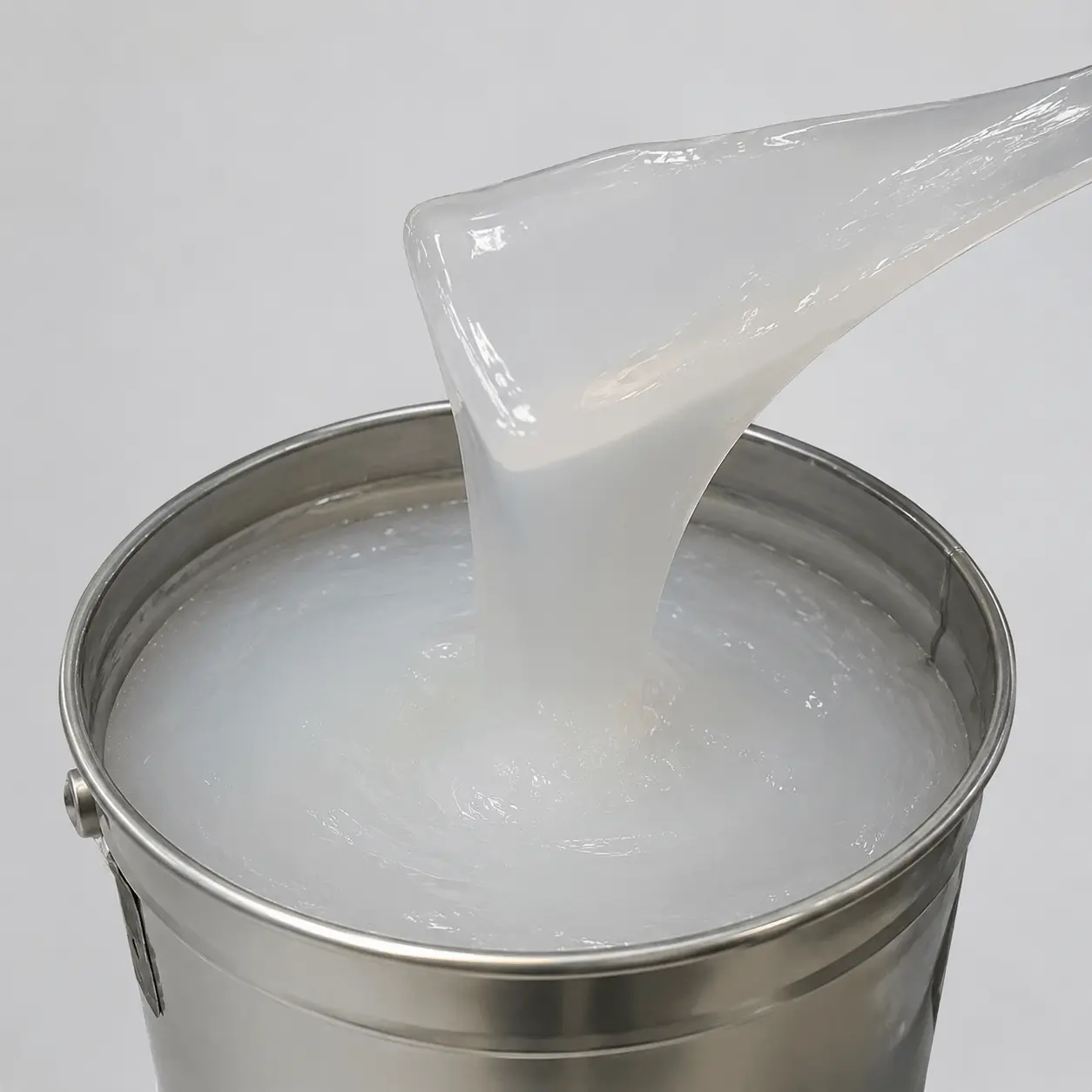
Why Manufacturers Choose Cao su silicone
Silicone rubber combines environmental durability, flexibility and processing versatility. Actual properties depend on the formulation, curing system, hardness and application grade.
Wide Temperature Capability
Silicone rubber is commonly selected where conventional elastomers may lose flexibility or performance under elevated or low-temperature service conditions.
UV, Ozone & Weather Resistance
Silicone materials are widely used in outdoor components because of their resistance to ozone, sunlight, moisture and long-term environmental exposure.
Cách điện
Suitable silicone formulations can provide stable electrical insulation performance for cable accessories, protective components and high-voltage insulation applications.
Flexible Sealing Performance
Silicone elastomers can maintain softness and elastic recovery, making them useful for seals, O-rings, gaskets and flexible contact components.
Mechanical Property Options
Formulations can be selected according to hardness, tensile strength, tear resistance, elongation and compression requirements.
Specialized Silicone Grades
Material systems can be developed for medical, food-contact, flame-retardant, electrical, high-strength and other application-specific requirements.
How to Select Silicone Rubber by Manufacturing Process
The production method is one of the fastest ways to narrow down the right silicone material. Use this comparison as a starting point before evaluating final mechanical, regulatory and application requirements.
| Quy trình sản xuất | Recommended Silicone | Các sản phẩm tiêu biểu | Key Selection Focus |
|---|---|---|---|
| Đúc ép | HTV / HCR | O-rings, seals, gaskets, plugs, covers, pads and molded parts | Flow, mold release, cure, tear strength and compression behavior |
| Liquid Injection Molding | LSR | Precision components, valves, diaphragms and complex molded parts | Injection behavior, cure speed, precision and production repeatability |
| Đùn | Extrusion HTV | Silicone tubing, profiles, cords, strips and cable components | Extrusion stability, surface, dimensional consistency and cure |
| Quá trình cán phẳng | Sheeting HTV | Silicone sheets, insulation pads, die-cut gaskets and membranes | Sheet uniformity, thickness, tensile and surface quality |
| Potting / Encapsulation | Silicone RTV | Electronic assemblies, electrical protection and encapsulation | Cure system, viscosity, adhesion and application environment |
| Gắn kết / Sửa chữa | RTV / Silicone Adhesive | Silicone bonding, sealing and maintenance applications | Surface preparation, adhesion and curing conditions |
Silicone Rubber for Common Manufactured Products
Different finished products place different demands on silicone material flow, hardness, tear resistance, compression recovery and processing stability.
Silicone O-Rings
Silicone for O-rings used in static sealing, environmental sealing, temperature-resistant assemblies and industrial equipment.
Silicone Rubber Gaskets
HTV and LSR materials for molded, die-cut and engineered gasket applications.
Tấm cao su silicone
Calendering-grade silicone compounds for sheets, insulation pads, seals and die-cut rubber components.
Silicone Tubing
Extrusion-grade silicone for flexible tubing, industrial fluid handling, medical and food-related applications where applicable.
Molded Silicone Parts
Silicone compounds for covers, plugs, keypads, diaphragms, valves and custom molded components.
Silicone Profiles
Solid silicone rubber for continuous extrusion profiles, sealing strips, cords and custom cross-sections.
Electrical Silicone Parts
Insulation-grade silicone materials for composite insulators, cable accessories and electrical protection components.
Custom Silicone Compounds
Formulation options based on hardness, color, processing method, mechanical properties and application requirements.
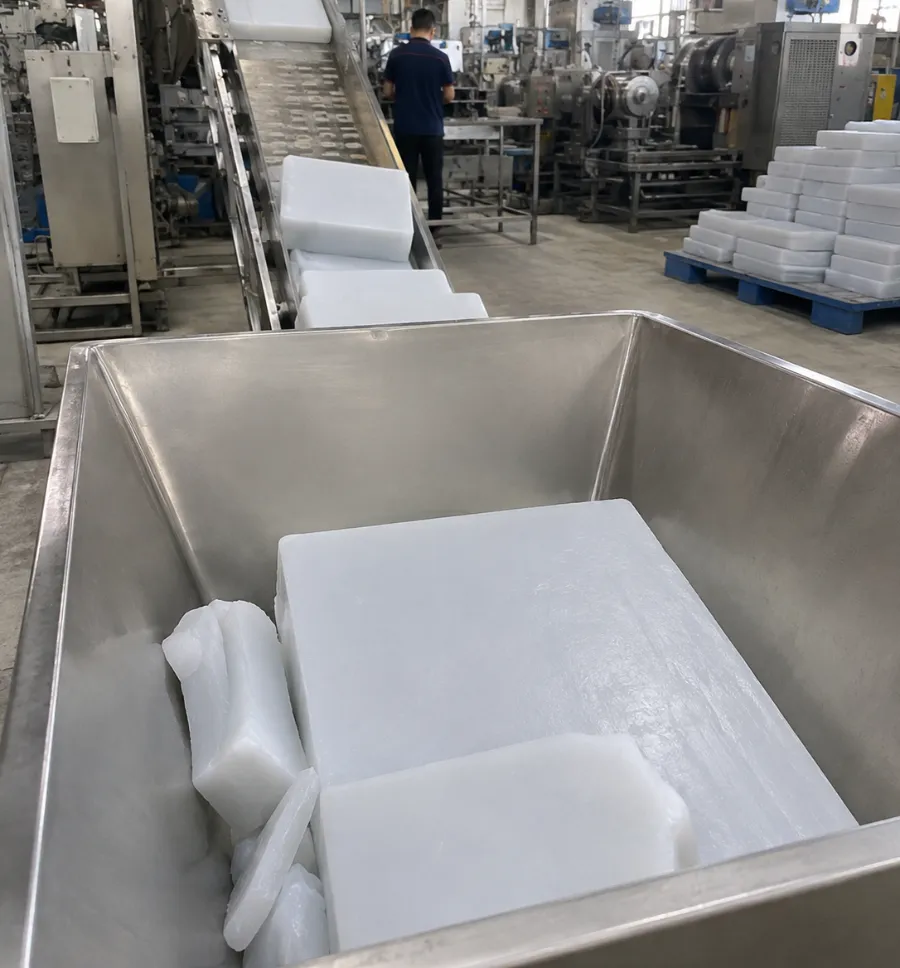
From Silicone Compound to Finished Component
Processing stability is critical to production efficiency and finished-part consistency. Silicone formulations should be selected with the actual manufacturing equipment and production conditions in mind.
Material & Application Review
Evaluate part design, production process, hardness, working temperature, mechanical requirements, environment and required documentation.
Silicone Compound Selection
Select a suitable HTV, HCR, LSR or RTV silicone system according to the processing method and finished application.
Processing Evaluation
Consider flow behavior, curing, mold release, extrusion stability, dimensional consistency and production repeatability.
Property Verification
Evaluate relevant physical, mechanical, electrical or application-specific performance according to project requirements.
Production & Quality Consistency
Stable compound preparation and process control help manufacturers maintain repeatable material performance during production.
Silicone Rubber for Demanding Industries
From electrical insulation to precision healthcare components, silicone materials are used where long-term flexibility, environmental durability or specialized performance is required.

Cách điện
Silicone rubber for composite insulators, cable accessories, insulating components and outdoor electrical applications.
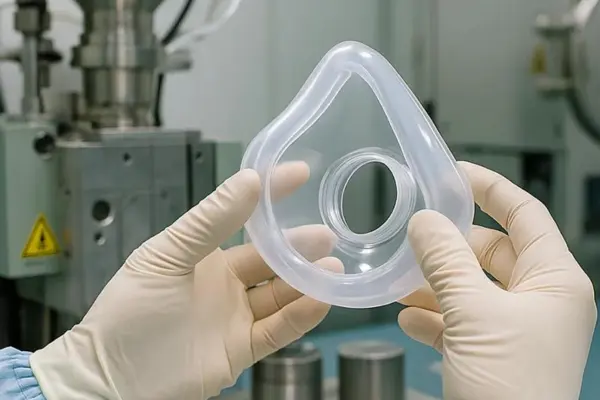
Medical Silicone
Material options for tubing, seals, diaphragms, valves, wearable components and medical device applications.
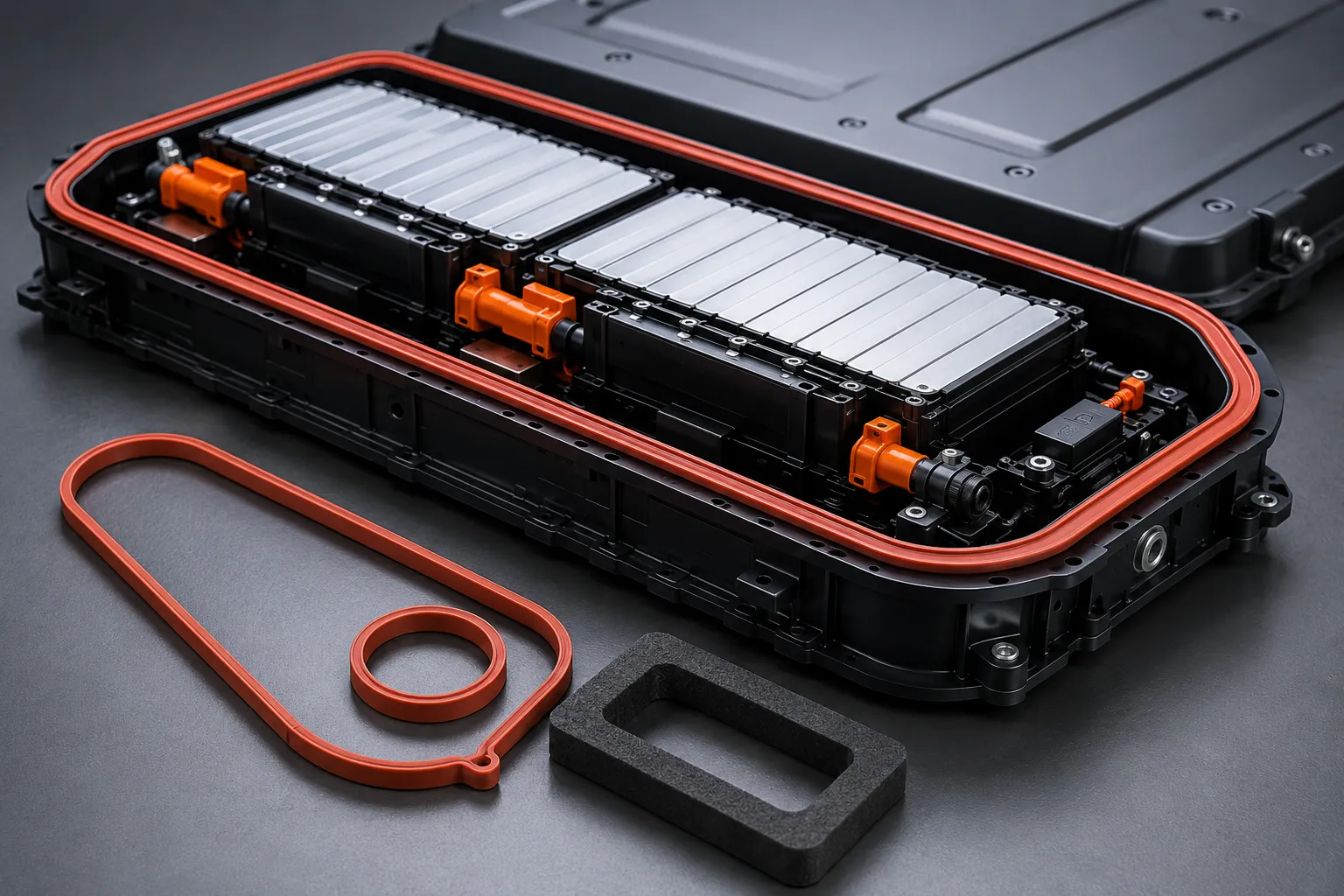
Mobility & Automotive
Seals, connector components, protective parts and silicone materials for demanding vehicle environments.

Food & Consumer
Food-contact silicone options for molded parts, seals, tubing and consumer applications.
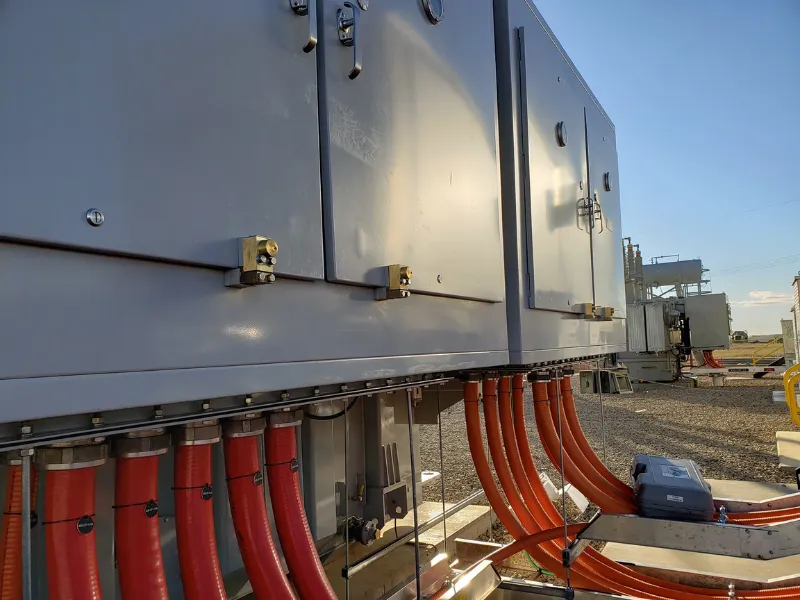
Machinery & Equipment
Silicone materials for industrial sealing, cushioning, insulation and custom molded components.
The Right Compound Starts with the Right Specification.
A silicone rubber grade that works for one application may not be ideal for another. Yakows can evaluate material requirements around your production process, product design, performance targets and intended market.
What Should You Send Us?
Providing these details helps narrow down the suitable silicone rubber material faster.
- 01 Finished product or part drawing
- 02 Compression molding, injection molding, extrusion or other processing method
- 03 Target hardness and color
- 04 Operating temperature and environment
- 05 Mechanical or electrical requirements
- 06 Medical, food-contact, flame-retardant or other compliance requirements
- 07 Sample quantity and expected production volume
Explore Silicone Rubber by Application
For more specific projects, explore silicone rubber grades developed around electrical, medical, food-contact, flame resistance and specialized molding requirements.
Cao su silicone HTV
Solid silicone compounds for molding, extrusion and calendering.
Precision MoldingCao su silicone lỏng
LSR material systems for liquid injection molding.
Electrical SafetyCao su silicone chống cháy
Flame-resistant silicone compounds for electrical and industrial applications.
HealthcareSilicone y tế
Silicone material solutions for medical and healthcare components.
Food ContactFood Grade Silicone Rubber
HCR silicone material options for food-contact applications.
Power TransmissionSilicone for Composite Insulators
HTV silicone rubber for high-voltage insulation applications.
What is silicone rubber?
What is HTV silicone rubber?
Is HCR the same as HTV silicone rubber?
What is liquid silicone rubber?
What is the difference between HTV and LSR silicone?
Which silicone rubber is best for O-rings and gaskets?
Which silicone rubber is suitable for extrusion?
Can silicone rubber be customized?
Is silicone rubber suitable for outdoor applications?
What information is needed to select silicone rubber?
Tell Us How Your Silicone Part Needs to Perform.
Send your drawing, molding process, target hardness, application environment and performance requirements. Yakows can help evaluate a suitable HTV, LSR or specialized silicone rubber material for your manufacturing project.