
Silicone Rubber Material Guide
HCR Silicone vs HTV Silicone
When comparing HCR silicone vs HTV silicone, many buyers and engineers quickly discover that the two terms are closely related but not exactly the same. Both are widely used in silicone rubber manufacturing, including extrusion, compression molding, transfer molding, seals, gaskets, tubing, cable insulation, medical components, food-grade products, and high-temperature industrial parts. Understanding the difference helps avoid specification mistakes and makes communication with silicone rubber suppliers much more accurate.
What Is HCR Silicone?
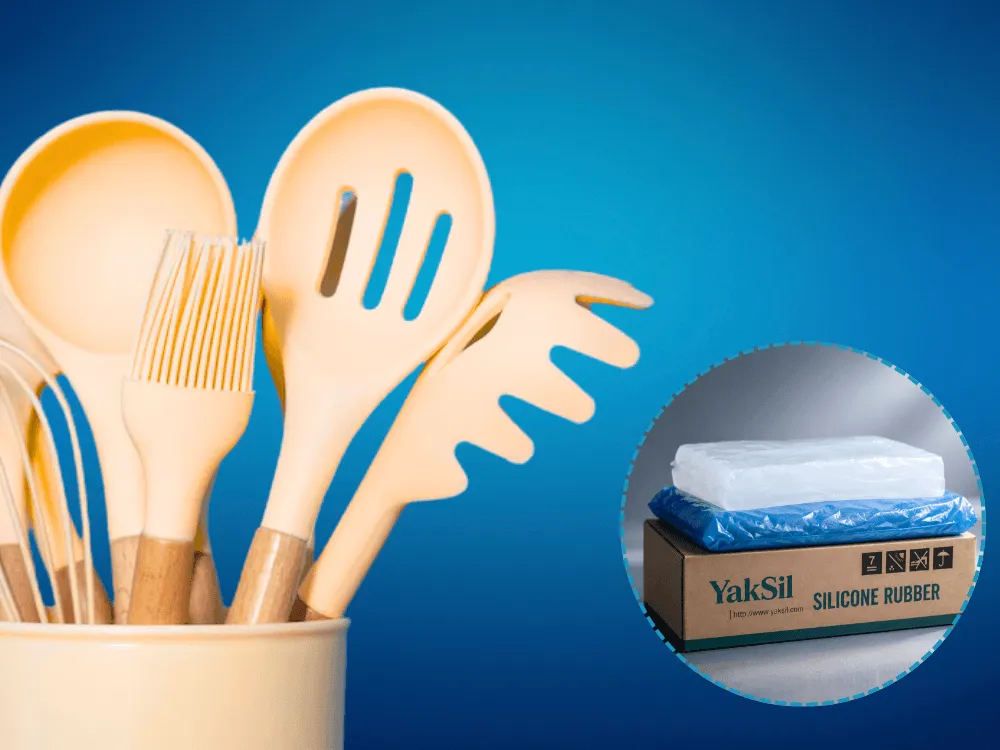
HCR silicone stands for High Consistency Rubber silicone. It is a solid, gum-like silicone rubber compound with high viscosity and excellent mechanical stability. Unlike liquid silicone rubber, which can be pumped into an injection mold, HCR silicone needs to be processed mechanically before it becomes a finished part.
In production, HCR silicone rubber is usually supplied in slabs, strips, rolls, or blocks. It can be compounded with pigments, curing agents, reinforcing fillers, flame-retardant additives, conductive fillers, or other functional ingredients depending on the final application. Because of this formulation flexibility, high consistency silicone rubber is widely used for custom silicone rubber parts, extruded silicone tubing, molded silicone gaskets, silicone profiles, cable insulation, and industrial sealing products.
The term HCR mainly describes the physical form and processing behavior of the material. It tells the manufacturer that the silicone is a high-viscosity rubber compound rather than a liquid material. This is important for mold design, equipment selection, production efficiency, and part consistency.
What Is HTV Silicone?
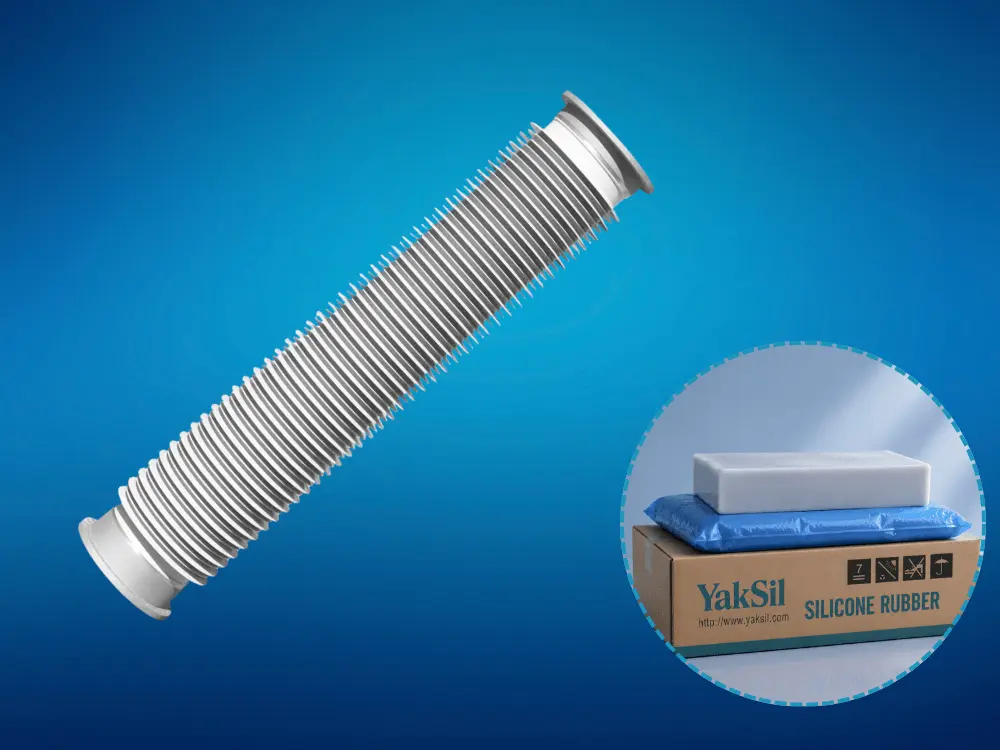
HTV silicone stands for High Temperature Vulcanizing silicone. It refers to silicone rubber that cures under elevated temperature. During vulcanization, the uncured compound changes into a stable elastomer with elasticity, heat resistance, aging resistance, and reliable long-term performance.
HTV silicone rubber is commonly used in high-temperature molding and extrusion processes. Depending on the requirements, the curing system may be peroxide-based or platinum-catalyzed. After curing, the material can maintain flexibility over a wide temperature range and perform well in demanding environments such as automotive systems, electrical insulation, industrial machinery, food-contact components, and medical-grade silicone parts.
Unlike HCR, the term HTV focuses more on the curing method than the material’s physical form. In real manufacturing, many HCR silicone compounds are also HTV silicone compounds because they are high-consistency rubbers that need heat to cure. This overlap is the main reason the two terms are often confused.
Are HCR Silicone and HTV Silicone the Same?
HCR silicone and HTV silicone often refer to overlapping materials, but they are not identical technical terms. HCR silicone describes a high-consistency rubber form, while HTV silicone describes a high-temperature vulcanizing process. A material can be both HCR and HTV when it is a solid silicone rubber compound that requires heat curing.
For example, a compound used for silicone tubing extrusion may be called HCR silicone because of its solid gum-like consistency. The same compound may also be called HTV silicone because it is cured at high temperature after extrusion. Both descriptions can be correct, but they highlight different aspects of the same material system.
This distinction matters when discussing silicone rubber material selection. If the focus is material feeding, mixing, milling, extrusion, calendering, or compression molding, HCR silicone is usually the more precise term. If the focus is curing temperature, vulcanization conditions, post-curing, and final elastomer properties, HTV silicone is usually more relevant.
Key Differences Between HCR Silicone and HTV Silicone
| Factor | HCR Silicone | HTV Silicone |
|---|---|---|
| Main Meaning | High Consistency Rubber silicone | High Temperature Vulcanizing silicone |
| Technical Focus | Material form, viscosity, and processability | Curing method and vulcanization temperature |
| Physical State | Solid, gum-like, high-viscosity compound | Usually a heat-curable silicone rubber compound |
| Common Processes | Compression molding, extrusion, transfer molding, calendering | Heat curing after molding, extrusion, or forming |
| Các sản phẩm tiêu biểu | Silicone tubing, profiles, gaskets, seals, cable insulation, molded parts | Heat-resistant silicone parts, industrial seals, electrical components, automotive rubber parts |
Processing and Manufacturing Considerations
HCR silicone rubber usually requires mixing, milling, shaping, and curing. Before production, the compound may be blended with color masterbatch, curing agents, or special additives to meet product requirements. This makes HCR silicone suitable for customized manufacturing, especially when the project requires specific hardness, color, elongation, tear strength, or compression set performance.
For extruded silicone products, HCR silicone is often selected because it can maintain shape during continuous processing. It is commonly used for silicone tubing, silicone cords, sponge silicone profiles, sealing strips, oven door gaskets, and wire or cable insulation. After extrusion, the material is cured through a hot air tunnel, salt bath, or other high-temperature curing system.
For molded silicone parts, HCR or HTV silicone compounds can be processed through compression molding or transfer molding. Compression molding is often suitable for simple shapes, medium-volume production, and thicker parts. Transfer molding may be used when more precise material flow or insert molding is required. In both cases, controlling pressure, curing temperature, cycle time, and post-curing conditions is essential for stable product quality.
Material Performance and Advantages
Both HCR silicone and HTV silicone rubber are valued for their durability, flexibility, and resistance to harsh operating conditions. After proper vulcanization, silicone elastomers can offer excellent heat resistance, weather resistance, ozone resistance, aging resistance, and electrical insulation. These properties make them suitable for industries where conventional organic rubber may fail too quickly.
HCR silicone is especially useful when the application requires strong mechanical properties and flexible processing options. It can be formulated for high tear strength, low compression set, flame resistance, electrical conductivity, transparency, or food-grade performance. This is why many manufacturers use HCR silicone for custom silicone seals, industrial silicone gaskets, medical silicone tubing, and high-temperature silicone profiles.
HTV silicone is important when the final product must be cured at high temperature to achieve stable elastomer performance. Properly cured HTV silicone rubber can maintain flexibility and sealing performance over long service periods. It is frequently used in automotive silicone parts, appliance seals, electrical insulation components, lighting accessories, industrial pads, and parts exposed to heat, outdoor weather, or repeated mechanical stress.
Các ứng dụng phổ biến
In the automotive industry, HCR and HTV silicone materials are used for gaskets, connector seals, protective boots, vibration dampers, hoses, and under-hood components. These parts often require heat resistance, compression set resistance, and stable performance after long-term exposure to temperature changes and mechanical movement.
In electrical and electronics applications, silicone rubber is widely used for cable insulation, sleeves, insulating pads, connectors, and high-voltage components. Its thermal stability and dielectric properties make it suitable for applications where insulation reliability and safety are critical.
In medical and healthcare applications, selected silicone rubber grades may be used for tubing, masks, valves, seals, and flexible medical components. For these products, material selection should be based on biocompatibility requirements, cleanliness, processing stability, and supplier documentation. Not every HCR or HTV silicone compound is automatically medical grade, so qualification and testing are necessary.
In food-contact and consumer products, silicone rubber is commonly used for baking mats, kitchen seals, appliance gaskets, baby product parts, and flexible household components. For these applications, buyers should confirm food-grade compliance, odor control, color stability, post-curing requirements, and applicable regulatory standards before mass production.
Cách chọn vật liệu cao su silicone phù hợp
Choosing between HCR silicone and HTV silicone starts with understanding the finished product and manufacturing process. If the product is an extruded silicone tube, sealing profile, solid cord, sponge strip, or cable insulation layer, high consistency silicone rubber is often a practical option because it supports continuous extrusion and reliable shape control.
If the product is a heat-resistant molded silicone part, automotive seal, electrical insulation component, or industrial gasket, an HTV silicone rubber compound may be specified based on curing behavior and final performance. However, because many HTV compounds are also HCR materials, the best approach is to define both the material form and curing requirements in the technical specification.
Buyers should consider Shore A hardness, tensile strength, elongation, tear resistance, compression set, operating temperature, color, transparency, flame resistance, regulatory compliance, and production volume. It is also important to consider whether the part will be exposed to oil, steam, UV light, ozone, repeated compression, or electrical stress.
For critical applications, sample testing is strongly recommended before full-scale production. A silicone rubber compound that performs well in one mold or extrusion line may need adjustment in another process because part thickness, curing temperature, mold structure, and post-curing conditions can affect the final result.
Working With a Silicone Rubber Supplier
A reliable silicone rubber supplier should be able to provide technical data sheets, processing recommendations, compliance documents, and sample support. For custom silicone rubber parts, the supplier should also understand mold design, extrusion tooling, curing systems, tolerances, shrinkage, surface finish, and quality control requirements.
When requesting a quotation, it is helpful to provide drawings, dimensions, hardness requirements, working temperature, application environment, color, certification needs, and estimated order quantity. Clear information allows the manufacturer to recommend a suitable HCR silicone compound, HTV silicone rubber grade, or customized formulation.
For projects involving food-grade silicone, medical-grade silicone, flame-retardant silicone, conductive silicone, or high-temperature silicone elastomers, documentation and testing should be reviewed carefully. Professional material selection reduces quality risks and helps ensure that the finished product meets both performance and compliance expectations.
Kết luận
HCR silicone and HTV silicone are closely connected but not exactly the same. HCR silicone refers to high consistency rubber silicone, emphasizing material form and processing behavior. HTV silicone refers to high temperature vulcanizing silicone, emphasizing heat curing and final elastomer formation.
In many real-world applications, one silicone rubber compound can be both HCR and HTV. The key is to understand whether you are discussing the material’s physical form, its processing method, or its curing behavior. By defining these details clearly, engineers and buyers can select the right silicone rubber material for extrusion, molding, sealing, insulation, medical, food-grade, automotive, and industrial applications.