
RTV Silicone Compound
RTV silicone compound is a versatile room-temperature vulcanizing material used for sealing, bonding, insulation, gasketing, and protection in industrial, electrical, automotive, construction, and maintenance applications.
What Is RTV Silicone Compound?
RTV silicone compound, short for room-temperature vulcanizing silicone compound, is a silicone-based material that cures at ambient temperature after exposure to moisture, air, or a specific curing mechanism. Unlike heat-cured silicone materials that require ovens or high-temperature processing, RTV silicone compound is designed for convenient application directly on parts, surfaces, assemblies, and equipment.
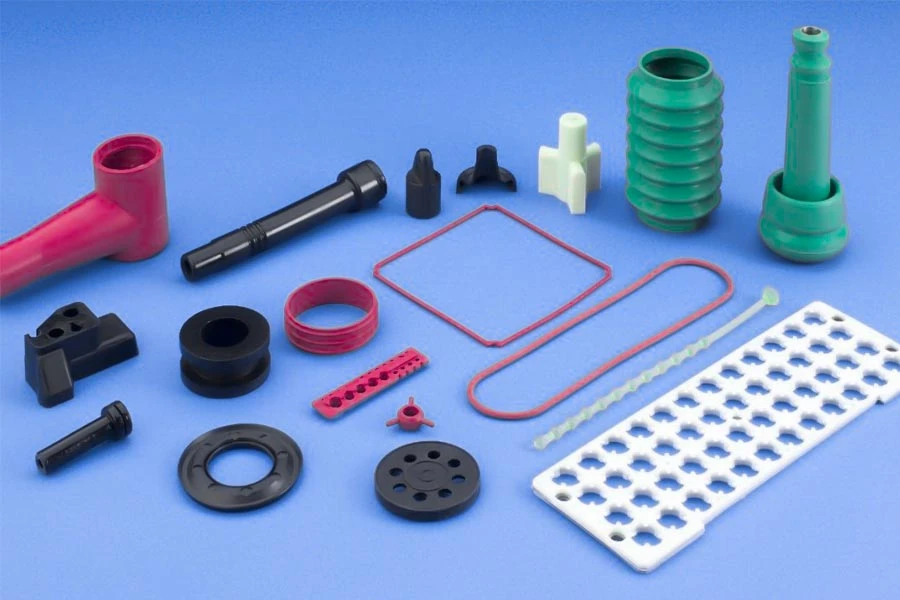
In industrial use, RTV silicone compound is valued for its flexibility, weather resistance, electrical insulation, temperature stability, and strong sealing performance. It can be applied as a paste, gel, adhesive, sealant, coating, or encapsulating compound depending on the formulation. Once cured, it forms an elastic rubber-like material that can resist vibration, moisture, ozone, UV exposure, and many environmental stresses.
Because of these properties, RTV silicone compound is widely used in electronics, automotive engines, HVAC systems, lighting fixtures, electrical cabinets, marine equipment, industrial machinery, household appliances, and general repair work. Its ability to bond to metals, glass, ceramics, plastics, painted surfaces, and composite materials makes it a practical solution for many sealing and protection requirements.
How RTV Silicone Compound Works
The working principle of RTV silicone compound is based on room-temperature curing. After application, the compound reacts with moisture in the air or with a curing agent included in the formulation. This chemical reaction transforms the uncured material from a soft paste or fluid into a flexible silicone elastomer.
One-component RTV silicone compound is usually supplied in a tube, cartridge, pail, or drum and begins curing when exposed to atmospheric moisture. It is simple to use and suitable for maintenance, sealing, and bonding tasks where convenient field application is important. Two-component RTV silicone compound, on the other hand, cures when a base material and curing agent are mixed together. This type is often selected for potting, molding, encapsulation, and applications requiring controlled cure depth or faster processing.
During curing, the material develops its final mechanical and protective properties. These may include elasticity, adhesion, dielectric strength, thermal resistance, and resistance to water or weathering. Cure speed depends on temperature, humidity, application thickness, surface condition, and compound chemistry. For thick applications, two-component RTV silicone compound may be preferred because it can cure more uniformly throughout the material.
Main Properties of RTV Silicone Compound
The popularity of RTV silicone compound comes from a balanced combination of physical, chemical, and electrical properties. While exact performance varies by grade and manufacturer, most RTV silicone compounds share several important characteristics.
Khả năng chịu nhiệt
RTV silicone compound can typically perform across a wide temperature range. Many grades remain flexible at low temperatures and stable under continuous heat exposure, making them suitable for engines, heaters, electronics, and industrial equipment.
Khả năng linh hoạt tuyệt vời
After curing, the compound forms an elastic silicone rubber that can absorb movement, vibration, thermal expansion, and mechanical stress without cracking easily.
Khả năng chịu thời tiết và tia UV
Silicone chemistry provides strong resistance to sunlight, ozone, rain, humidity, and outdoor aging. This makes RTV silicone compound useful for exterior sealing and long-term environmental protection.
Cách điện
Many RTV silicone compounds provide good dielectric properties and are used to protect connectors, sensors, circuit boards, terminals, and electrical enclosures from moisture and contamination.
Sealing Performance
RTV silicone compound fills gaps, joints, seams, and surface irregularities. Once cured, it helps prevent leakage of water, air, dust, oil mist, and other contaminants.
Tính ổn định hóa học
Depending on the formulation, RTV silicone compound can resist many chemicals, oils, cleaning agents, and industrial fluids. Compatibility should always be confirmed for demanding service environments.
Common Types of RTV Silicone Compound
Choosing the right RTV silicone compound requires understanding the available types. Different curing systems and product forms are designed for different materials, environments, and performance requirements.
One-Component RTV Silicone Compound
One-component RTV silicone compound is ready to use and cures when exposed to moisture in the air. It is commonly used for sealing joints, bonding components, forming gaskets, and protecting electrical parts. It is convenient for field repairs and production environments where simple dispensing is needed.
Two-Component RTV Silicone Compound
Two-component RTV silicone compound consists of a base and a curing agent. After mixing, it cures throughout the entire mass rather than relying only on atmospheric moisture. This makes it suitable for thick sections, deep potting, mold making, encapsulation, and applications requiring predictable curing time.
Neutral Cure RTV Silicone Compound
Neutral cure RTV silicone compound releases non-corrosive byproducts during curing. It is often preferred for electronics, metals, sensitive components, and assemblies where corrosion must be avoided. This type is especially important when sealing around copper, aluminum, steel, circuit boards, and electrical contacts.
Acetoxy Cure RTV Silicone Compound
Acetoxy cure RTV silicone compound typically cures quickly and bonds well to glass, ceramics, and many non-porous surfaces. It may release an acetic acid odor during curing, so it is not always recommended for sensitive metals or electronics unless compatibility is verified.
Thermally Conductive RTV Silicone Compound
Thermally conductive RTV silicone compound is formulated with heat-transfer fillers. It is used where heat must be moved away from electronic components, power modules, sensors, LED assemblies, or heat sinks while still providing bonding, gap filling, or environmental protection.
High-Temperature RTV Silicone Compound
High-temperature RTV silicone compound is designed for service near engines, ovens, heaters, exhaust systems, pumps, compressors, and industrial equipment exposed to elevated temperatures. It may be used for gasket making, flange sealing, and thermal protection.
RTV Silicone Compound Applications
RTV silicone compound applications are broad because the material combines sealing, bonding, insulation, and protection in one product. It is used in both original equipment manufacturing and maintenance operations.
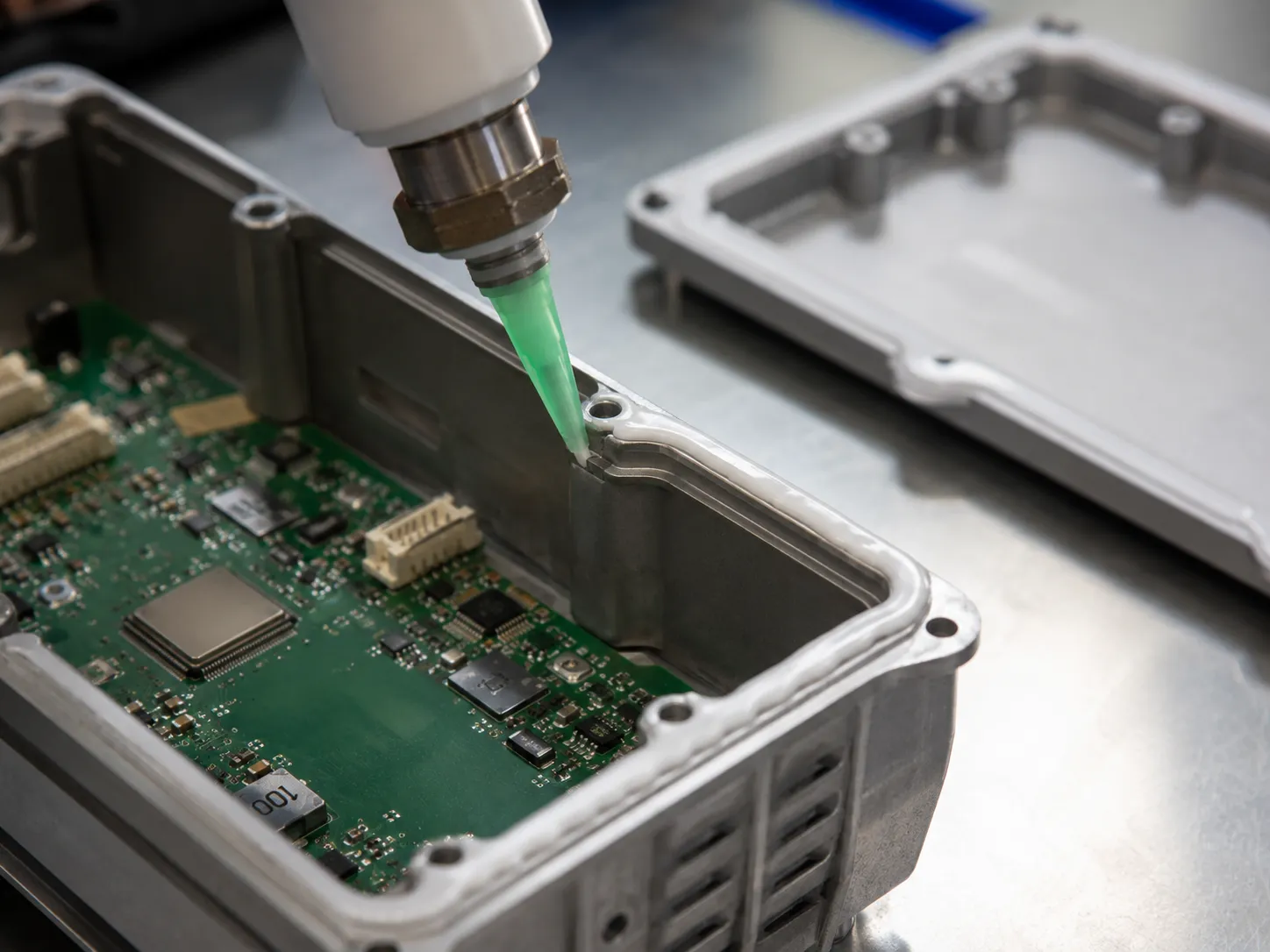
- Electronics: potting, coating, connector sealing, component protection, and moisture-proof insulation.
- Automotive: gasket making, engine sealing, sensor protection, lighting assembly, and vibration damping.
- Industrial machinery: sealing covers, protecting control boxes, reducing vibration, and preventing dust or water ingress.
- Construction: sealing gaps, joints, windows, panels, and weather-exposed building components.
- HVAC systems: sealing ducts, housings, electrical parts, and condensation-prone areas.
- Marine equipment: protecting components from moisture, salt spray, and outdoor exposure.
- Lighting and LED products: sealing lamps, lenses, housings, and heat-sensitive components.
For each application, the compound should be matched to the substrate, operating temperature, chemical exposure, movement level, and required cure time. A product used for outdoor construction sealing may not be the best choice for electronic potting, and a compound designed for electronics may not be suitable for high-temperature engine flanges.
Benefits of Using RTV Silicone Compound
RTV silicone compound offers several practical advantages compared with many conventional sealants, adhesives, and protective coatings. Its most important benefit is the ability to cure at room temperature without special heating equipment. This reduces processing complexity and allows repair or assembly work to be completed on-site.
Another major advantage is flexibility after curing. Many materials become hard or brittle over time, especially under temperature cycling or vibration. RTV silicone compound remains elastic, allowing it to maintain a seal even when parts expand, contract, or move. This makes it valuable in mechanical and electrical assemblies where long-term reliability is required.
RTV silicone compound also provides strong environmental resistance. It can protect components from moisture, dust, oxygen, ozone, UV radiation, and many atmospheric conditions. For outdoor or harsh service environments, this durability helps extend equipment life and reduce maintenance frequency.
In electrical applications, RTV silicone compound is often chosen because it combines insulation with moisture protection. It helps reduce the risk of short circuits, corrosion, arcing, and contamination-related failures. For sensitive devices, a neutral cure electronic-grade RTV silicone compound is usually preferred.
How to Choose the Right RTV Silicone Compound
Selecting the right RTV silicone compound requires more than choosing a general-purpose silicone. Engineers, buyers, and maintenance teams should review the actual working conditions before making a decision.
1. Identify the Substrate
Check whether the compound will be applied to metal, glass, ceramic, plastic, rubber, painted surfaces, or electronic components. Some substrates may require primer or surface preparation to achieve reliable adhesion.
2. Confirm the Operating Temperature
Temperature is one of the most important selection factors. For engine, heater, or industrial thermal applications, high-temperature RTV silicone compound may be required. For electronics, the compound must remain stable without damaging nearby components.
3. Consider Cure Chemistry
Neutral cure RTV silicone compound is generally safer for metals and electronics. Acetoxy cure products may be suitable for glass or general sealing but should be evaluated carefully when corrosion-sensitive materials are involved.
4. Review Mechanical Requirements
Consider flexibility, hardness, tensile strength, elongation, and movement capability. A soft flexible compound may be suitable for vibration damping, while a stronger adhesive grade may be needed for bonding.
5. Check Chemical and Environmental Exposure
The compound may be exposed to water, oil, fuel, solvents, cleaning agents, salt spray, UV radiation, or industrial gases. Always verify chemical compatibility before using RTV silicone compound in aggressive environments.
6. Determine Application Method
For small repairs, tubes or cartridges may be convenient. For production, automated dispensing, bulk packaging, or two-component systems may be more efficient. Application thickness and cure depth should also be considered.
Application and Surface Preparation Tips
Proper surface preparation is essential for achieving good adhesion and sealing performance. Surfaces should be clean, dry, and free from oil, dust, rust, release agents, and loose particles. In some cases, wiping with a suitable solvent and allowing the surface to dry completely can improve bonding.
Apply RTV silicone compound evenly to the joint, surface, or component. Avoid trapping air bubbles in sealing or potting applications. For gasket making, use a continuous bead and assemble parts according to the recommended working time. Do not disturb the joint excessively before the compound has developed sufficient skin and strength.
Cure time should be respected. Although the surface may skin over quickly, full cure may take longer, especially for thick layers or low-humidity environments. For critical industrial applications, follow the manufacturer’s technical data sheet for cure rate, recommended thickness, service temperature, and performance testing.
Storage and Handling Considerations
RTV silicone compound should be stored in tightly sealed containers away from excessive heat, direct sunlight, and moisture contamination. One-component products can begin curing if exposed to air, so opened containers should be resealed promptly. Two-component materials should be stored according to the manufacturer’s instructions to maintain mixing performance and shelf life.
During use, operators should follow basic safety practices, including adequate ventilation, skin protection, and avoidance of eye contact. Some curing systems may release byproducts during curing, so the safety data sheet should be reviewed before use. In production environments, consistent dispensing, mixing, and curing conditions help ensure repeatable results.
RTV Silicone Compound vs Other Sealants
Compared with acrylic, polyurethane, epoxy, and rubber-based sealants, RTV silicone compound has a unique balance of flexibility, temperature resistance, and weatherability. Epoxy adhesives may provide higher structural strength but are usually more rigid. Polyurethane sealants may offer strong adhesion and abrasion resistance but may not match silicone’s high-temperature or UV stability in some applications.
RTV silicone compound is not always the best choice for every bonding requirement. For structural load-bearing joints, a structural adhesive may be more appropriate. For surfaces requiring paintability, some silicone materials may present limitations. However, when the priority is flexible sealing, environmental protection, electrical insulation, and temperature stability, RTV silicone compound is often one of the most reliable material choices.
Kết luận
RTV silicone compound is a dependable and versatile material for sealing, bonding, insulating, gasketing, coating, and protecting components in demanding environments. Its room-temperature curing capability makes it easy to apply, while its cured silicone elastomer provides flexibility, weather resistance, electrical insulation, and long-term durability.
To achieve the best results, users should select the proper RTV silicone compound based on substrate, temperature, cure chemistry, electrical requirements, chemical exposure, and application method. When correctly chosen and applied, RTV silicone compound can improve equipment reliability, reduce leakage, protect sensitive components, and extend service life across a wide range of industrial and commercial applications.