
Hướng dẫn về vật liệu silicone
What Is RTV Silicone?
RTV silicone is a type of silicone rubber that cures at room temperature to form a flexible, durable, and weather-resistant elastomer. The abbreviation RTV stands for room-temperature vulcanizing. Depending on the formulation, RTV silicone may be supplied as a ready-to-use one-part material or as a two-part system that must be mixed before application. It is widely used for sealing, bonding, gasketing, coating, molding, potting, insulation, and environmental protection.
What Is RTV Silicone?
RTV silicone is a liquid, paste, gel, or flowable silicone material that transforms into a rubber-like solid without requiring the high processing temperatures normally associated with conventional rubber vulcanization.
Before curing, the material can be dispensed, brushed, poured, injected, or applied as a bead. After curing, it forms a flexible silicone elastomer that can accommodate movement, vibration, thermal expansion, and changes in environmental conditions.
The term RTV silicone covers a broad family of products rather than one specific formulation. Some RTV silicones are designed as general-purpose sealants, while others are engineered for electronics, automotive engines, industrial equipment, mold making, construction joints, appliances, lighting systems, aerospace components, and other specialized applications.
The performance of an RTV silicone depends on its cure chemistry, viscosity, hardness, adhesion characteristics, temperature capability, electrical properties, chemical resistance, and compatibility with the surfaces being sealed or bonded.
Because these properties vary considerably between products, users should not assume that every RTV silicone is suitable for every application. A silicone intended for a household sealing task may not be appropriate for sensitive electronics, fuel exposure, structural bonding, or continuous high-temperature service.
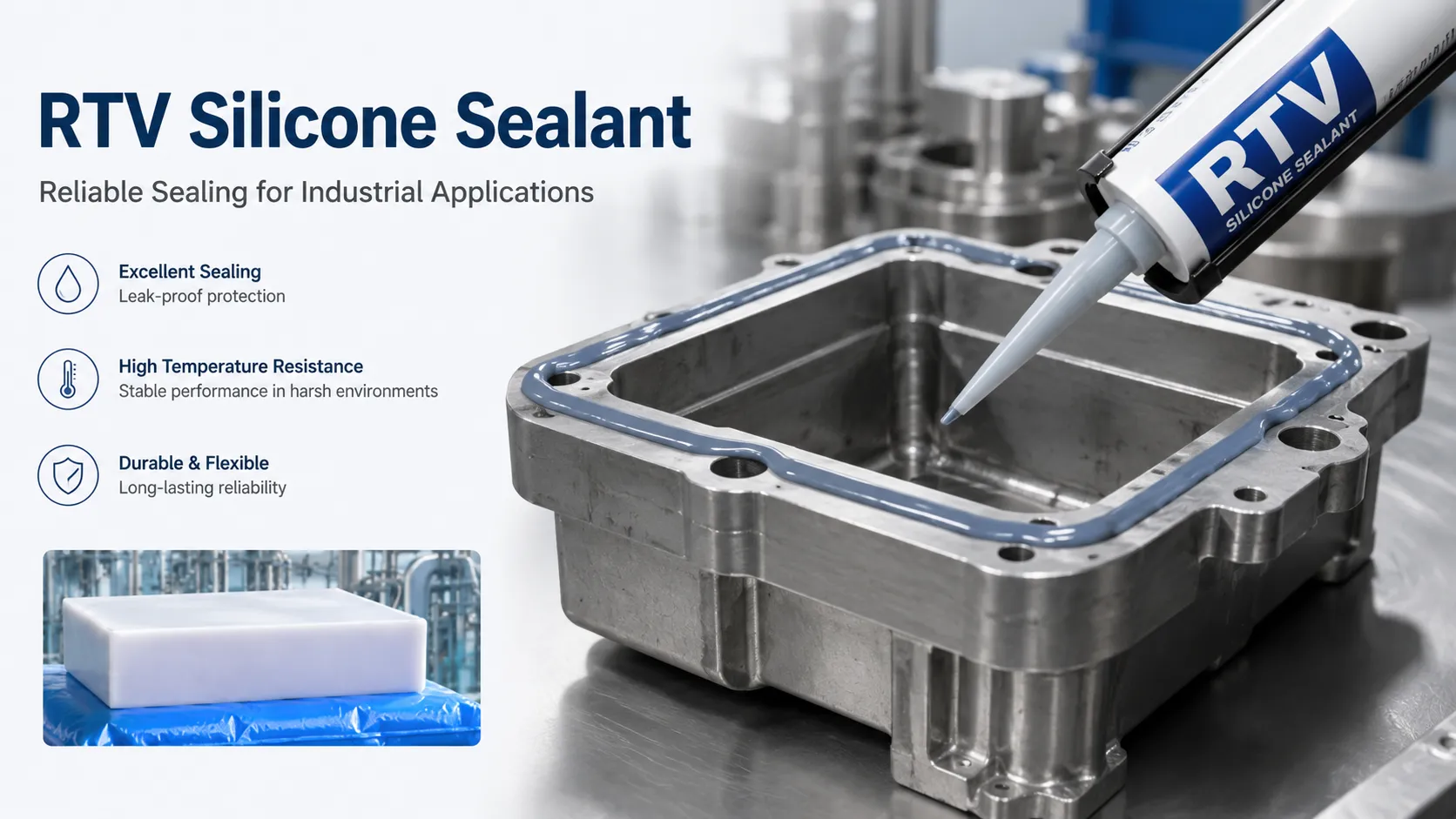
What Does RTV Mean?
RTV means room-temperature vulcanizing. Vulcanization is the chemical process that converts a soft or liquid polymer into an elastic rubber network.
In RTV silicone, this transformation takes place at or near normal room temperature. The material does not necessarily require an oven, heated mold, or high-temperature curing process, although moderate heat may accelerate the cure of some formulations.
The expression “room-temperature cure” does not mean that all RTV silicones cure at exactly the same speed or under every environmental condition. Cure behavior may be influenced by temperature, humidity, joint thickness, airflow, mixing accuracy, catalyst concentration, and the chemical system used by the product.
A one-part moisture-curing RTV silicone normally begins reacting when exposed to moisture in the surrounding air. A two-part RTV silicone begins curing after the base and curing agent are mixed together in the specified ratio.
Once the curing reaction is complete, the material generally becomes a flexible silicone rubber rather than a hard or brittle plastic.
How Does RTV Silicone Cure?
RTV silicone cures through a chemical crosslinking reaction. During this process, individual silicone polymer chains connect to form a three-dimensional elastic network.
The exact mechanism depends on whether the product is a one-part or two-part formulation and whether it uses condensation-cure or addition-cure chemistry.
One-Part Moisture Cure
One-part RTV silicone is supplied ready to use. It normally begins curing when atmospheric moisture reaches the exposed surface of the material.
The cure starts at the outside and gradually progresses inward. A surface skin may form relatively quickly, but the material beneath the surface requires additional time to cure completely.
For this reason, a thick mass of one-part RTV silicone may require much longer to cure than a thin bead. Deep, fully enclosed sections may cure slowly because moisture cannot easily reach the center.
Temperature and relative humidity also affect the reaction. Cooler or drier conditions generally slow moisture-cure systems, while moderate warmth and sufficient atmospheric moisture may support faster curing.
Two-Part Chemical Cure
Two-part RTV silicone consists of a base component and a catalyst or curing agent. The two components must be combined in the ratio specified by the manufacturer.
After mixing, the reaction takes place throughout the material rather than progressing only from the exposed surface. This makes two-part systems suitable for thicker castings, molds, encapsulation, potting, and applications where a predictable cure through a large volume is required.
Mixing ratio and mixing quality are critical. Too much or too little curing agent, incomplete blending, or contamination can cause soft spots, excessive cure time, poor physical properties, or failure to cure.
Main Types of RTV Silicone
RTV silicone can be categorized by the number of components, the curing chemistry, the physical form, and the intended application.
One-Part RTV Silicone
One-part RTV silicone is packaged in cartridges, tubes, pails, or dispensing containers and is normally ready for immediate use. No measuring or mixing is required.
This type is commonly used for sealing joints, bonding components, forming gaskets, protecting electrical connections, and repairing small areas.
Its main advantages include convenient application, reduced preparation time, and minimal equipment requirements. Its main limitation is that cure depth depends on moisture reaching the material.
Two-Part RTV Silicone
Two-part RTV silicone must be mixed before use. It may be supplied in manually mixed kits or processed through automated meter-mix equipment.
These materials are commonly used for molding, potting, encapsulation, electronic protection, prototype production, and industrial assembly.
Two-part products can cure in thick sections and may provide more controllable working time, cure speed, hardness, and final physical properties.
Acetoxy-Cure RTV Silicone
Acetoxy-cure silicone is a common one-part system. It may release an acetic-acid-type odor during curing.
This chemistry often provides good adhesion to glass, ceramics, and many nonporous materials. However, it may not be suitable for certain metals, electronic components, cement-based materials, or acid-sensitive surfaces.
Material compatibility should be checked before acetoxy RTV silicone is used on copper, brass, galvanized metal, natural stone, sensitive electronics, or other potentially reactive substrates.
Neutral-Cure RTV Silicone
Neutral-cure RTV silicone releases less corrosive by-products during curing and is often selected for metals, electronics, construction materials, plastics, and sensitive assemblies.
Neutral-cure products may use alkoxy, oxime, or other curing systems. The word “neutral” does not indicate that all products have identical chemistry or safety characteristics, so the technical and safety data sheets should always be reviewed.
Condensation-Cure Silicone
Condensation-cure systems form silicone rubber while releasing a small reaction by-product. They are available as both one-part and two-part materials.
These products are widely used for sealants, adhesives, molds, coatings, and industrial applications. Some condensation-cure mold-making silicones may experience a small amount of shrinkage during curing.
Addition-Cure Silicone
Addition-cure RTV silicone is commonly supplied as a two-part system and often uses a platinum catalyst. It can provide low shrinkage, accurate reproduction of fine details, and stable physical properties.
This chemistry is frequently used for precision molds, electronics, medical-related manufacturing, prototypes, and applications requiring dimensional accuracy.
Some substances can inhibit the cure of platinum-catalyzed silicone. Sulfur-containing clay, certain rubbers, amines, tin compounds, and contaminated surfaces may interfere with curing. A compatibility test is therefore important.
Important Properties of RTV Silicone
RTV silicone is selected for applications that require a combination of flexibility, environmental stability, insulation, and sealing performance.
Tính linh hoạt
After curing, RTV silicone normally remains elastic. This allows it to absorb vibration, accommodate movement, and remain functional when connected materials expand and contract at different rates.
Khả năng chịu nhiệt
Many RTV silicones remain flexible across a wider temperature range than conventional organic sealants. Specialized high-temperature formulations are used around engines, heaters, ovens, industrial equipment, and thermal systems.
Temperature resistance varies significantly by formulation. The continuous operating temperature should not be assumed from the color or appearance of the silicone.
Khả năng chịu thời tiết và tia UV
Cured silicone generally performs well in outdoor environments because it resists ultraviolet radiation, ozone, moisture, and weathering.
This makes properly selected RTV silicone useful for outdoor electrical enclosures, lighting systems, glazing, equipment housings, and exposed joints.
Cách điện
Many RTV silicone products have useful dielectric properties and are used to protect circuit boards, connectors, sensors, terminals, power supplies, and electronic components.
Electronics applications often require neutral-cure, low-corrosion, low-ionic, or specially qualified products. A general-purpose hardware-store silicone should not automatically be used on electronic assemblies.
Water Resistance
Cured RTV silicone can provide an effective barrier against water and moisture. It is frequently used to seal housings, joints, covers, cable entries, and equipment interfaces.
However, water resistance does not automatically mean that a product is approved for continuous immersion, drinking-water contact, aquarium construction, or high-pressure liquid service.
Khả năng chống hóa chất
RTV silicone can resist many environmental chemicals and fluids, but it is not universally resistant to fuels, oils, solvents, acids, alkalis, or process chemicals.
Prolonged exposure may cause swelling, softening, loss of adhesion, or degradation. Chemical compatibility should be verified using product-specific data and realistic exposure testing.
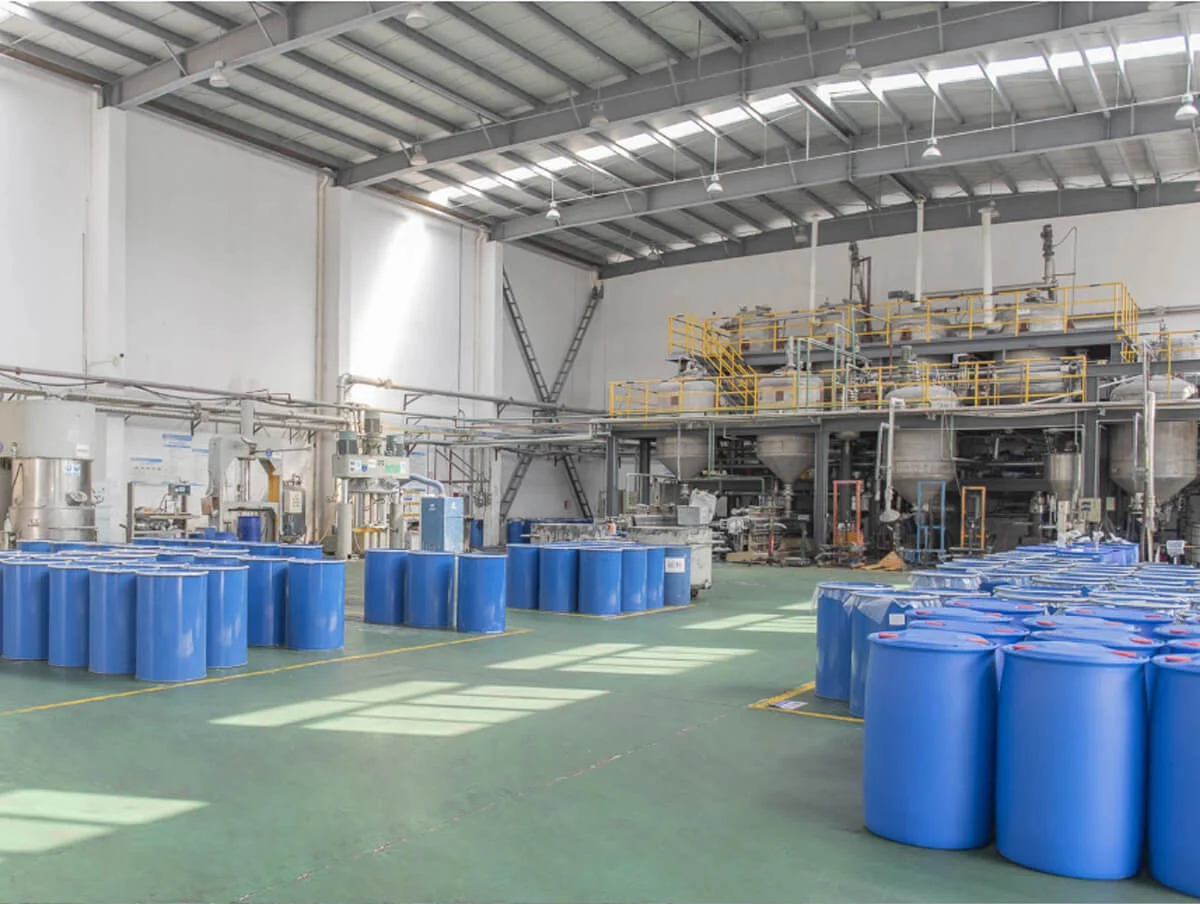
Common Applications of RTV Silicone
RTV silicone is used in consumer, commercial, automotive, electrical, construction, manufacturing, and industrial environments.
Sealing and Bonding
RTV silicone is widely used to seal gaps and bond components made from glass, metal, ceramic, coated surfaces, and selected plastics.
Typical examples include equipment covers, appliance assemblies, lighting housings, ventilation components, windows, panels, access doors, and mechanical enclosures.
Automotive Gasketing
Automotive-grade RTV silicone may be used to form flexible gaskets around engine and drivetrain components.
Applications may include valve covers, water pumps, thermostat housings, oil pans, timing covers, and selected flange connections.
The product must be compatible with the operating temperature, joint design, engine fluids, sensor systems, and manufacturer repair procedure. Excess material should not be allowed to enter oil or coolant passages.
Electronics Protection
RTV silicone is used for conformal coating, component staking, connector sealing, strain relief, encapsulation, and environmental protection.
Its flexibility can reduce mechanical stress on delicate components during vibration and thermal cycling.
Mold Making
Pourable two-part RTV silicone can reproduce textures, patterns, and fine surface details. It is used to produce flexible molds for prototypes, decorative objects, art pieces, architectural elements, models, and small production runs.
The flexibility of the cured mold makes it easier to release parts with undercuts or complex geometry.
Potting and Encapsulation
Low-viscosity RTV silicone can flow around components and cure into a protective mass. This process is known as potting or encapsulation.
It may help protect electronics from moisture, contamination, vibration, corrosion, and temperature cycling while placing less mechanical stress on components than a rigid encapsulant.
Industrial Maintenance
Industrial facilities use RTV silicone for equipment repair, flange sealing, enclosure protection, cable entry sealing, vibration isolation, and assembly operations.
Maintenance personnel should confirm that the selected product is compatible with the process environment and is not being used as a substitute for a mechanical repair where structural strength is required.
Construction and Building Systems
Construction-grade RTV silicone may be used around glazing, façade joints, windows, doors, sanitary fixtures, roofing details, HVAC equipment, and weather-exposed building components.
Structural glazing, fire-rated joints, natural stone, and movement joints require application-specific products and approved installation procedures.
Advantages of RTV Silicone
One major advantage of RTV silicone is that it can cure without exposing the assembly to high processing temperatures. This is useful for heat-sensitive plastics, electronics, coatings, and assembled components.
RTV silicone also remains flexible after curing. Unlike rigid adhesives or encapsulants, it can accommodate vibration and dimensional movement without immediately cracking.
Additional advantages may include good weather resistance, useful electrical insulation, resistance to ozone and ultraviolet light, convenient dispensing, and adhesion to many properly prepared surfaces.
One-part products reduce mixing and measuring requirements, while two-part products can cure through thick sections and support controlled industrial processing.
RTV silicone is also available in many physical forms, including non-sag pastes, self-leveling liquids, flowable coatings, soft gels, firm elastomers, and mold-making compounds.
Limitations of RTV Silicone
RTV silicone is not a universal adhesive or sealant. Its adhesion to some plastics, oily surfaces, fluoropolymers, polyethylene, polypropylene, and contaminated materials may be limited without special surface preparation or primer.
Many cured silicones are difficult to paint because conventional coatings do not adhere well to the low-energy silicone surface.
One-part products may cure slowly in deep sections or enclosed spaces. Applying an excessively thick bead can leave uncured material in the center.
Some cure chemistries may release by-products that are unsuitable for sensitive metals or electronics. Other formulations may be inhibited by contamination.
RTV silicone may also have lower structural strength than high-performance epoxies, acrylic adhesives, or mechanical fasteners. It should not be used as a load-bearing structural adhesive unless the product is specifically designed and qualified for that purpose.
Fuel, solvent, oil, chemical, pressure, fire, food-contact, medical, and immersion applications require specialized products. Generic silicone should not be selected based only on appearance or marketing terms.
How to Choose the Right RTV Silicone
Selecting the correct RTV silicone requires a clear understanding of the materials, environment, process, and required performance.
Identify the Application
First determine whether the product will be used as a sealant, adhesive, gasket, mold, coating, potting compound, or encapsulant.
A non-sag sealant may be suitable for a vertical joint, while a low-viscosity material may be required for coating or filling a complex enclosure.
Check Substrate Compatibility
Confirm that the RTV silicone can adhere to the specific metal, glass, ceramic, plastic, coating, or composite being used.
Production surfaces may differ from laboratory samples because of oils, mold-release agents, oxidation, coatings, and manufacturing residues. An adhesion test on actual components is strongly recommended.
Select the Cure Chemistry
Acetoxy-cure silicone may be appropriate for certain glass and general sealing applications. Neutral-cure products are often preferred around metals, electronics, and sensitive substrates.
Two-part addition-cure silicone may be selected for precision molding, low shrinkage, or controlled thick-section curing. Condensation-cure materials may be suitable for general molds, sealing, and industrial assembly.
Evaluate the Temperature Range
Review both the minimum and maximum service temperatures. Consider continuous exposure, short temperature peaks, thermal cycling, and the temperature of the substrate during application.
A product described as high-temperature silicone may tolerate brief peaks that are significantly higher than its recommended continuous operating temperature.
Review Working and Cure Time
Skin-over time, tack-free time, working life, demolding time, and full-cure time are different measurements.
The application process should allow enough time for dispensing, assembly, tooling, mixing, degassing, or pouring before the material becomes unworkable.
Determine the Required Hardness
Soft silicone can provide cushioning, stress relief, and flexible mold release. Firmer silicone may provide better dimensional stability and mechanical support.
Hardness is commonly expressed using the Shore A scale, although very soft gels may use other measurement methods.
Consider Regulatory Requirements
Applications involving food, drinking water, medical devices, fire protection, electrical equipment, aerospace systems, or transportation may require specific certifications or approvals.
A general statement such as “100% silicone” does not demonstrate compliance with a particular regulation or industry standard.
How to Apply RTV Silicone
Correct surface preparation and application are essential for reliable sealing and adhesion.
Prepare the Surface
Remove dust, grease, oil, moisture, corrosion, loose coatings, old sealant, and other contamination.
Use a cleaning method that is compatible with the substrate and follow the RTV silicone manufacturer's recommendations. Allow the surface to dry completely before application.
Perform a Compatibility Test
Test adhesion, cure behavior, staining, and material compatibility on a small representative area.
This is particularly important for natural stone, plastics, coated metals, electronics, mold-making masters, and unknown surface treatments.
Apply the Correct Amount
Apply a continuous bead or uniform layer without gaps. The RTV silicone should contact both sides of the joint where adhesion is required.
Avoid applying unnecessary excess material. In gasketing applications, excess silicone may squeeze into internal passages when components are assembled.
Tool the Sealant
Where required, tool the bead before the surface skin forms. Tooling can improve surface contact, joint shape, appearance, and water-shedding performance.
Allow Sufficient Cure Time
Do not expose the silicone to pressure, fluids, movement, or full mechanical load until it has developed adequate cure.
A surface that feels dry may still contain uncured material beneath it. Follow the manufacturer's published cure schedule rather than judging the entire joint from the surface alone.
Mix Two-Part Products Accurately
For two-part RTV silicone, weigh or meter the components according to the specified ratio. Mix thoroughly while minimizing unnecessary air entrapment.
Vacuum degassing may be useful for clear castings, precision molds, and encapsulation where trapped bubbles are unacceptable.
RTV Silicone vs Other Sealants
RTV Silicone vs Polyurethane
Silicone generally provides excellent ultraviolet, ozone, weather, and temperature resistance. Polyurethane sealants may offer stronger adhesion to some construction materials and may be easier to paint.
The better option depends on joint movement, exposure, coating requirements, substrate type, and expected service life.
RTV Silicone vs Epoxy
Epoxy typically cures into a harder and more rigid material with greater structural strength. RTV silicone remains flexible and places less stress on components during vibration and thermal cycling.
Epoxy may be preferred for rigid bonding, while silicone may be preferred for flexible sealing and environmental protection.
RTV Silicone vs Acrylic Sealant
Acrylic sealants are commonly used for interior gaps and paintable construction joints. RTV silicone usually provides better flexibility and resistance to water and outdoor weathering.
Acrylic may be easier to apply and paint in low-movement interior applications.
RTV Silicone vs Anaerobic Gasket Maker
RTV silicone cures through moisture or mixed-component chemistry and can fill comparatively large or irregular gaps.
Anaerobic gasket materials cure between closely fitted metal surfaces in the absence of air. They are commonly used on rigid machined flanges where minimal gap and controlled metal-to-metal contact are required.
Storage and Safety Considerations
RTV silicone should be stored in its original sealed container under the temperature conditions recommended by the manufacturer.
Moisture-curing products can begin reacting after the package is opened. A partially used cartridge may develop cured material around the nozzle or inside the container.
Users should review the product safety data sheet before handling. Appropriate ventilation, gloves, eye protection, and workplace controls may be required depending on the curing chemistry and application environment.
Uncured silicone and curing by-products should not contact skin or eyes unnecessarily. The material should not be used in enclosed occupied areas without considering ventilation requirements.
Expired, contaminated, frozen, overheated, or improperly stored material may not cure or perform as expected. A small cure test should be completed when product condition is uncertain.
Các câu hỏi thường gặp
What Does RTV Stand For in Silicone?
RTV stands for room-temperature vulcanizing. It describes silicone material that chemically cures into an elastic rubber at or near normal room temperature.
How Long Does RTV Silicone Take to Cure?
Cure time depends on the product, temperature, humidity, bead thickness, airflow, and cure chemistry. One-part silicone normally cures from the outside inward, while a two-part product cures after its components are mixed.
The skin-over or tack-free time is not the same as complete cure. Product-specific technical data should be used to determine when the material can be placed into service.
Is RTV Silicone Waterproof?
Properly applied and fully cured RTV silicone can provide an effective water-resistant seal. However, not every product is approved for continuous immersion, high-pressure water, drinking-water contact, aquariums, or submerged construction joints.
Can RTV Silicone Withstand High Temperatures?
Many RTV silicones tolerate elevated temperatures, and specialized high-temperature formulations are available. The actual continuous and peak temperature limits vary by product and should be confirmed in the technical data sheet.
Can RTV Silicone Be Used on Electronics?
RTV silicone can be used for electronic sealing, coating, component staking, and encapsulation when the product is designed for electronics.
A neutral-cure, low-corrosion, electronics-grade material is generally more appropriate than an unqualified general-purpose sealant.
Does RTV Silicone Stick to Plastic?
RTV silicone adheres well to some plastics but poorly to others. Polyethylene, polypropylene, fluoropolymers, and surfaces containing mold-release agents can be especially difficult to bond.
Surface treatment, primer, or a different adhesive may be required. Testing on the actual plastic is recommended.
Can RTV Silicone Be Painted?
Most conventional paints do not adhere reliably to cured silicone. When a painted finish is required, a paintable sealant or a specially designed coating system should be selected.
Why Is My RTV Silicone Not Curing?
Possible causes include low humidity, low temperature, excessive material thickness, incorrect two-part mixing ratio, incomplete mixing, expired material, surface contamination, or catalyst inhibition.
The uncured material should be removed and the application conditions reviewed before another attempt is made.
What Is the Difference Between One-Part and Two-Part RTV Silicone?
One-part RTV silicone is ready to use and commonly cures through exposure to atmospheric moisture. Two-part RTV silicone begins curing after a base and curing agent are mixed.
One-part products are convenient for beads and thin sections, while two-part systems are generally more suitable for thick castings, molds, potting, and controlled industrial processing.
Kết luận
RTV silicone is a versatile silicone rubber material that cures at room temperature. It is available in one-part and two-part formulations and can be used as a sealant, adhesive, coating, gasket, molding compound, potting material, or encapsulant.
Its flexibility, temperature stability, weather resistance, moisture resistance, and electrical insulation properties make it useful in automotive, electronic, industrial, construction, appliance, mold-making, and maintenance applications.
However, no single RTV silicone is suitable for every surface or operating environment. Cure chemistry, substrate compatibility, temperature, chemical exposure, joint design, cure depth, hardness, and regulatory requirements must all be considered.
For reliable performance, users should prepare surfaces carefully, follow the specified mixing or application procedure, provide sufficient curing time, and verify product suitability using the manufacturer's technical and safety documentation.
When the correct formulation is selected and applied properly, RTV silicone can provide a durable, flexible, and long-lasting solution for sealing, bonding, insulation, molding, and component protection.