YK Series · General Molding HTV / HCR

General Purpose HTV Silicone Rubber for Molding

Solid, heat-curing silicone rubber compound for manufacturing everyday silicone components by compression molding. Yakows YK general-purpose material options cover 30–90 Shore A hardness for seals, gaskets, pads, buttons, keypads and custom molded parts.

Choose a compound based on part hardness, mold geometry, cure system, mechanical requirements and production conditions. We support grade selection, sample trials and bulk material supply for silicone product manufacturers.

Material: HTV / HCR Silicone CompoundSeries: YK General Molding
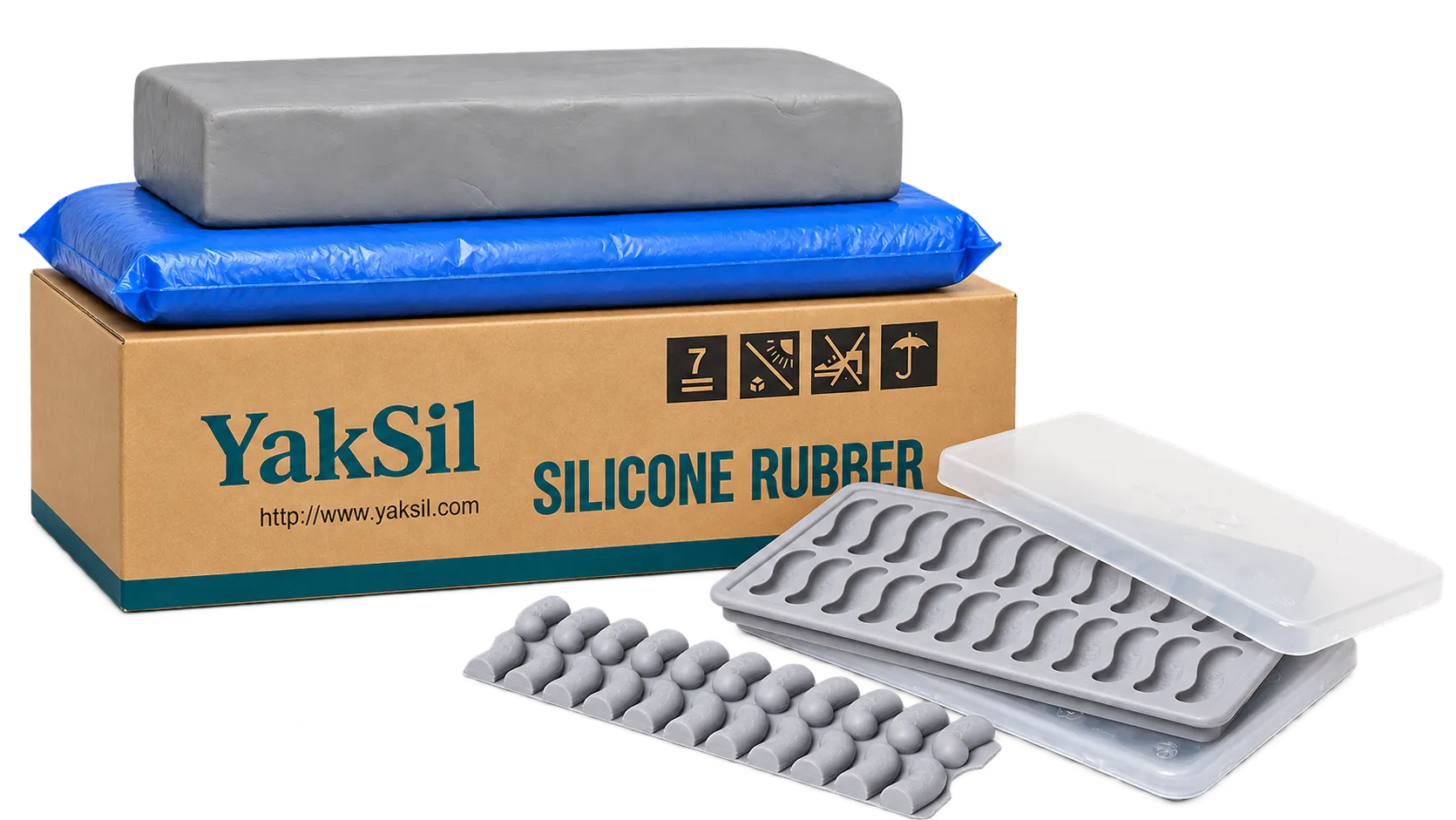
Yakows solid HTV silicone rubber compound for compression molding
Hardness Range30A–90A Shore A
PrimärprozessFormpressen
MaterialformSolid HTV / HCR
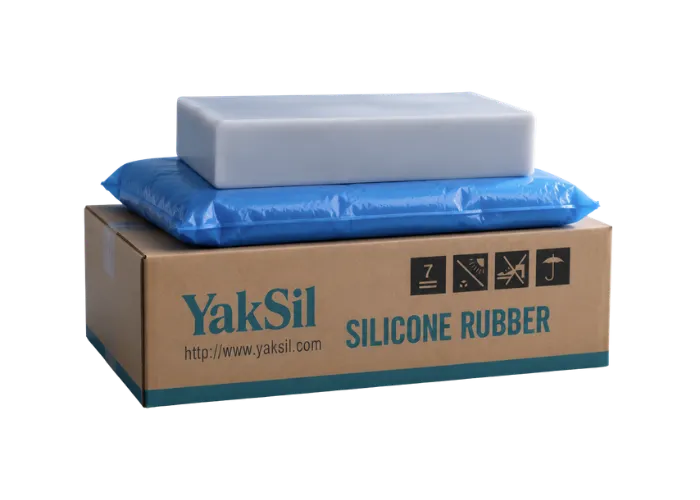
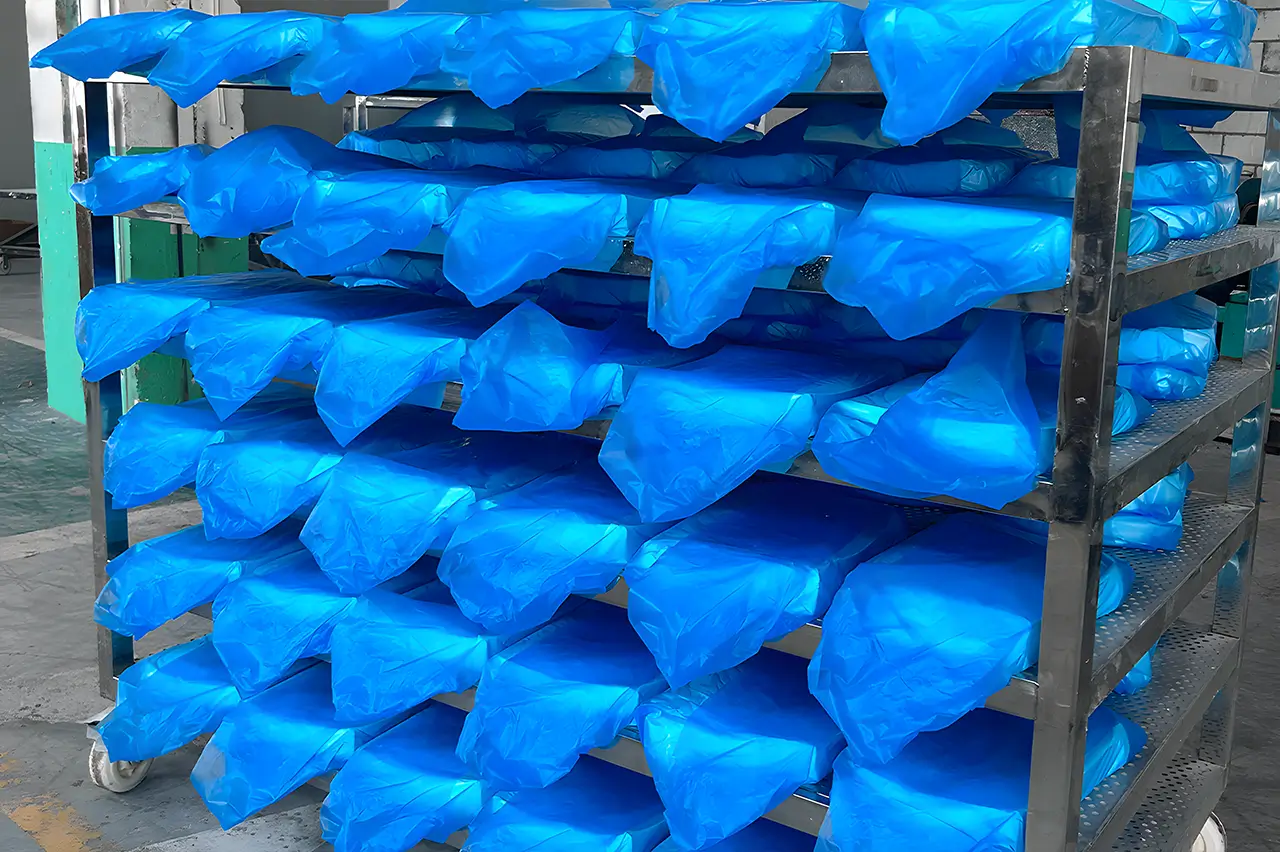
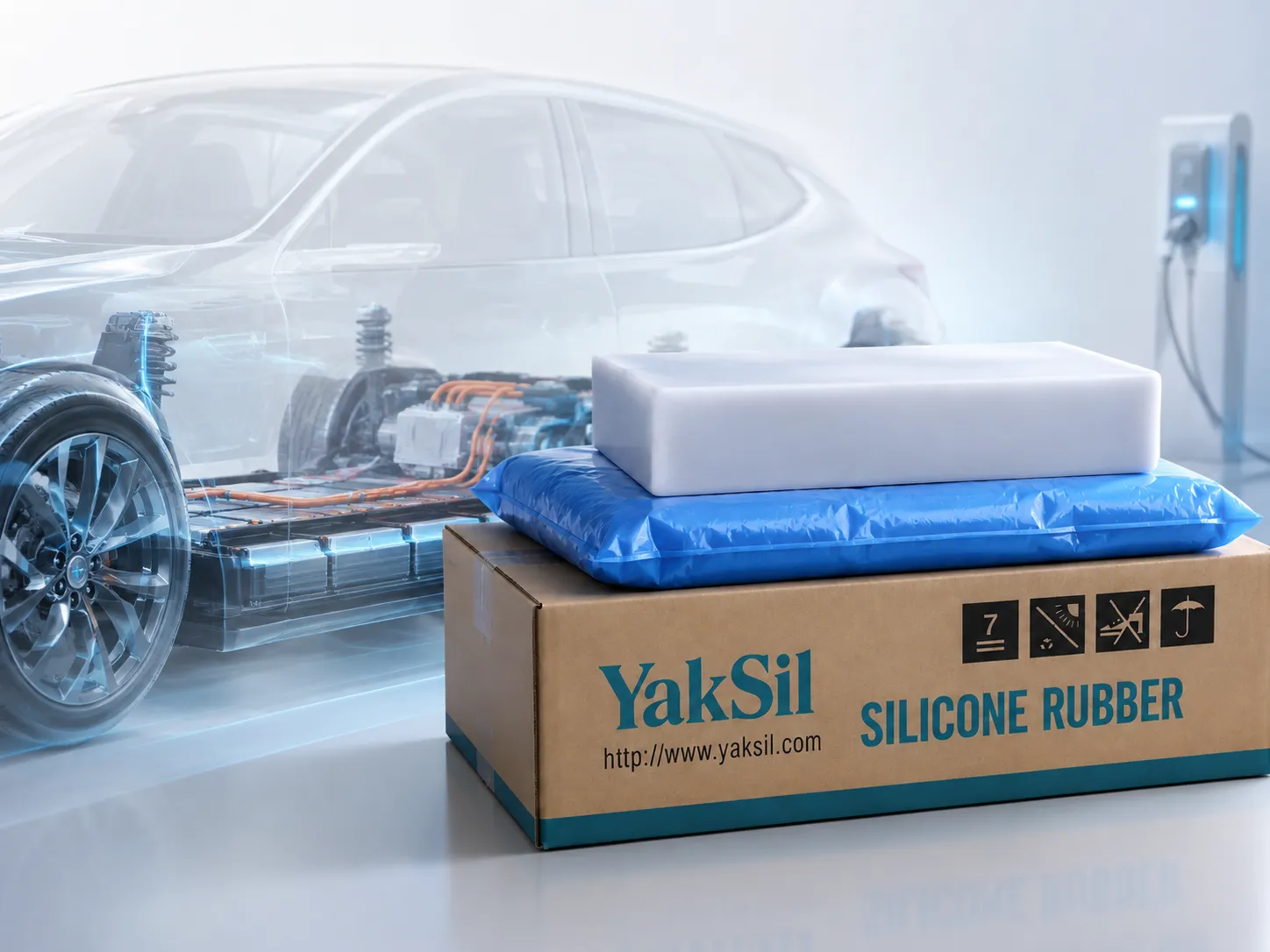
Standard Packaging20 kg / Carton
01 / Material Overview

A practical HTV silicone material for repeatable molded-part production.

General-purpose HTV silicone rubber is a high-consistency, solid silicone compound designed to be shaped in a heated mold and vulcanized into an elastic finished product. It is a common material choice where manufacturers need a balance of flexibility, mechanical performance and workable compression molding behavior.

For O-rings, gaskets and other molded components, a suitable compound must match the required compression response, finished-part hardness, geometry, surface finish and operating conditions. These requirements should be evaluated together rather than selecting hardness alone.

Yakows offers general molding silicone compounds with choices in reinforcing systems, strength and curing chemistry to support different molded-part requirements.

Product FamilyYK — General Molding HTV Silicone Rubber
Material TypeHeat-cured high-consistency / solid silicone rubber compound
Härte30–90 Shore A
ProductionCompression molding
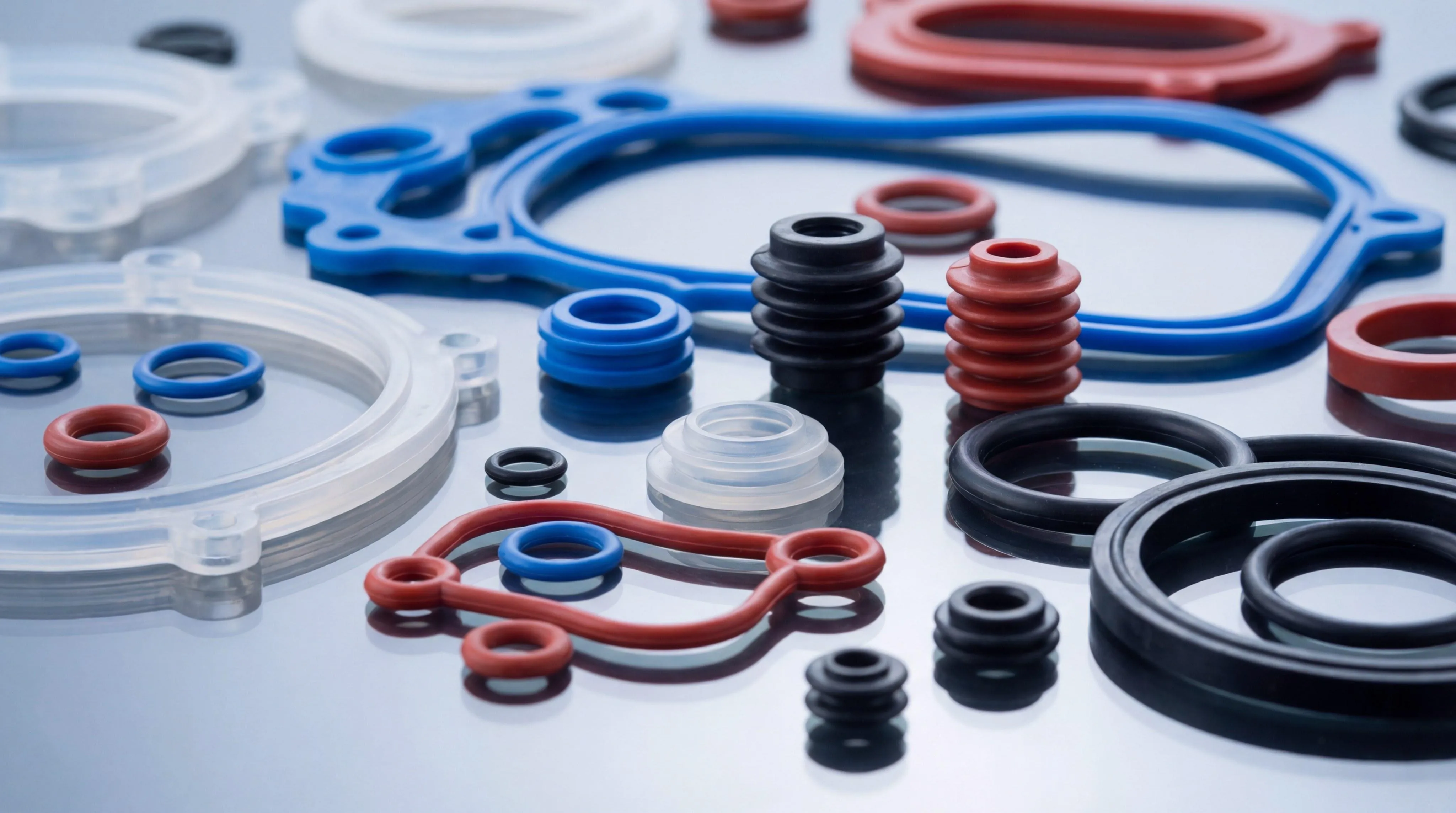
Typical ComponentsO-rings, gaskets, sealing pads, buttons, keypads and custom molded rubber parts
HeilungssystemPeroxide or platinum options depending on selected formulation
Color & AppearanceStandard and custom color options
Supply20 kg / carton + pallet
02 / Compound Options

Four formulation directions within general-purpose molding silicone.

Explore four material options for silicone rubber compression molding, from versatile general-purpose compounds to reinforced and platinum-catalyzed formulations.

01

General Purpose Molding Silicone

Standard YK option for common molded rubber products where the priority is a useful balance of processing behavior, elasticity and general mechanical performance.

Discuss: Required hardness, demolding, surface finish and production cycle.
02

Fumed Silica Silicone Rubber

Formulation direction with a reinforcing filler system. Evaluate where filler-related reinforcement and compound handling matter to the final design.

Discuss: Target tensile / tear properties, compound handling and mold performance.
03

High Strength Molding Silicone

Candidate for molded parts needing mechanical performance beyond a basic compound, particularly where geometry, stretch or mold release can stress the rubber.

Discuss: Tensile, elongation, tear resistance and minimum section thickness.
04

Platinum Catalyzed Molding Silicone

Cure-system option for applications requiring platinum-catalyzed material, subject to the grade's actual processing and product-approval documentation.

Discuss: Cure method, surface finish, post-cure needs and compliance evidence.
03 / Shore A Selection

Choose hardness around the finished part, not just the number.

YK molding silicone is listed with 30A–90A hardness options. A lower Shore A value normally means a softer and more deformable rubber; a higher value indicates a firmer material. Neither hardness nor firmness alone determines overall quality.

Target hardness should be established together with compression force, sealing design, flexibility, assembly fit, thickness and the required mechanical test values.

30–40A

Softer, more flexible parts

Screen these options when the design benefits from easy deformation, a softer touch or low insertion force. Verify tear strength and compression behavior.

50–60A

Balanced general molding

A useful evaluation range for many industrial gaskets, protective pads and molded rubber parts, subject to the part's actual sealing and mechanical needs.

70–90A

Firmer components

Consider where dimensional support or reduced local deformation is important. Confirm that higher hardness will not compromise installation or sealing.

04 / Technical Information

Technical specifications for silicone rubber molding.

Review the YK molding compound range and the material properties used to select a grade for production.

Technical ItemYK Molding Compound OptionsSelection Considerations
MaterialformSolid HTV / HCR silicone compoundPreforming and mold-loading method
Härte30–90 Shore A rangeTarget hardness and finished-part flexibility
Primary ProcessingHeat-curing compression moldingMold temperature, pressure, cure time and post-cure
Formulation DirectionGeneral purpose, fumed silica, high strength and platinum-catalyzed optionsCure system and mechanical-performance targets
ZugfestigkeitGrade-dependent; see TDSTensile strength target and test method
Tear Strength & ElongationGrade-dependent; see TDSTear strength, elongation and test methods
Density & Compression SetGrade-dependent; see TDSDensity, compression set and operating conditions
ColorColor options by formulationColor matching and finished-part appearance
ComplianceDocumentation by selected formulationApplication-specific test reports and compliance needs
Packaging20 kg / carton + palletOrder quantity, storage and delivery
05 / Processing & Production

Designed around the realities of compression molding.

From preforming to finished-part inspection, consistent compression molding depends on material handling, mold design, curing control and repeatable production conditions.

HTV silicone rubber block prepared for compression molding
01

Cutting & Preforming

Prepare the solid compound into suitable charges or preforms so that the material fills the cavity consistently and supports stable cycle times.

Compression molding process and silicone rubber material preparation
02

Mold Loading & Curing

Match charge weight, mold temperature, pressure and cure time to the part geometry and the selected YK hardness direction.

Molded silicone rubber parts after demolding and trimming
03

Demolding & Trimming

Check release behavior, flash removal, part appearance and whether post-cure or secondary finishing is needed for the molded part.

Inspection and quality control for molded silicone rubber parts
04

Inspection & Batch Repeatability

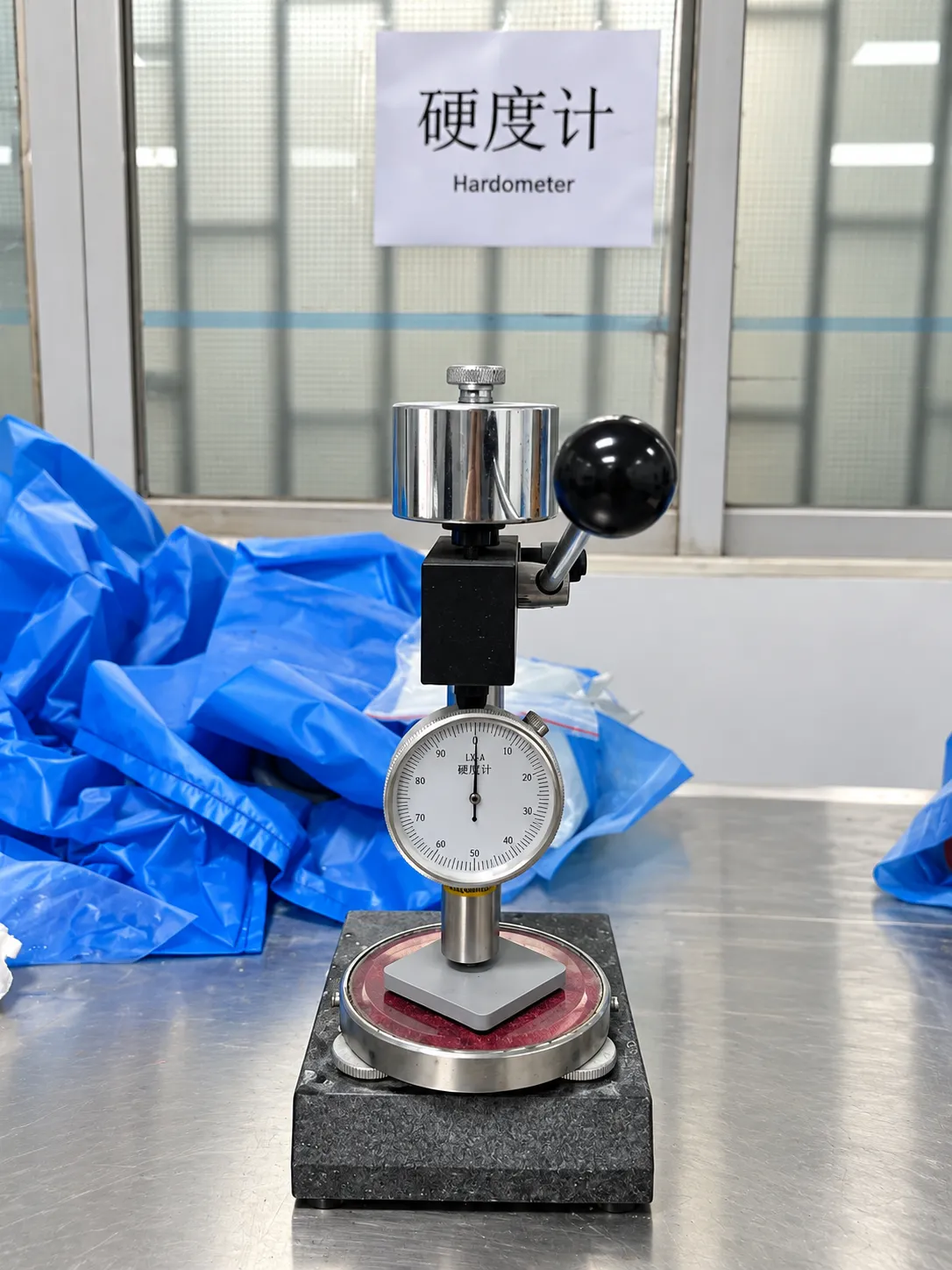
Verify hardness, dimensions, appearance and finished-part function so that sample trials and production batches remain aligned.

Compression molding silicone rubber

General-purpose YK compounds support the manufacture of O-rings, gaskets, buttons, pads, plugs, caps and custom industrial silicone parts through heat-curing compression molding.

Process confirmation before approval

Always confirm the real mold temperature, cure cycle, release behavior, flash control and finished-part performance before moving from trial material to routine supply.

06 / Typical Molded Products

Compression-Molded Silicone Rubber Applications

YK general-purpose HTV compounds can be used to produce a wide variety of compression-molded silicone parts, including seals, gaskets, keypads, protective covers and custom OEM components.

Compression molded silicone O-rings and sealing parts
01 / Sealing Parts

O-Rings & Compression Seals

General molded sealing parts for equipment and assemblies where flexibility, rebound and dimensional consistency are required.

  • Typical parts: O-rings, sealing rings, simple molded seals
  • Key review: hardness, compression behavior, part geometry
Compression molded silicone gaskets and washers
02 / Flat Molded Parts

Gaskets, Pads & Washers

Suited to molded flat components and protective pads used in equipment, housings and assembly interfaces.

  • Typical parts: gaskets, bumpers, pads, washers
  • Key review: part thickness, compression load, mold release
Molded silicone buttons and keypad parts
03 / Control Components

Buttons & Keypad Parts

Evaluated for molded actuation components where touch feel, elasticity and shape retention matter to the finished product.

  • Typical parts: buttons, keypad elements, tactile silicone parts
  • Key review: rebound, feel, tear resistance, appearance
Molded silicone caps, boots and protective covers
04 / Protective Moldings

Caps, Boots & Covers

Compression-molded protective components used to cover, insulate or shield connectors and other small assemblies.

  • Typical parts: caps, protective boots, molded covers
  • Key review: tear strength, fit, wall thickness, demolding
Molded silicone grommets and cable entry parts
05 / Assembly Protection

Grommets & Entry Components

Molded parts for cable routing, cushioning or interface protection, chosen according to assembly fit and service requirements.

  • Typical parts: grommets, bushings, entry seals
  • Key review: dimensional fit, flexibility, assembly conditions
Custom molded silicone product manufacturing
06 / OEM Custom Molding

Custom Silicone Molded Parts

For made-to-drawing projects where the compound must work with the customer’s mold structure, curing process and production target.

  • Typical parts: custom industrial silicone products
  • Key review: drawing, mold structure, cycle time, batch supply

If your molded silicone part is different from the examples above, send a drawing, photo or sample for review.

Discuss Your Molded Part →
07 / Grade Qualification

What makes a general molding compound suitable for your part?

A lower-cost or higher-hardness compound is not automatically the better choice. Finished-part performance and production yield depend on multiple variables working together.

For material substitution or a new molded product, compare candidate compounds against an agreed qualification plan and real molding trials. It is especially important to confirm requirements for continuous compression, tear-prone geometries, appearance-sensitive parts and regulated end uses.

  • Use the current grade-specific TDS and supporting test reports.
  • Run sample molding trials on actual tooling when feasible.
  • Verify the finished part's functional performance after curing.
  • Approve color, mechanical properties and supply conditions before volume orders.
Finished GeometryWall thickness, undercuts, surface finish, release conditions and dimensional tolerance.
Functional LoadCompression, stretching, flexing, fatigue and contact pressure required in service.
Molding SetupMold type, equipment capacity, charge preparation, curing method and desired cycle.
Operating ConditionsTemperature, moisture, UV, contact materials and duration of exposure.
DokumentationRequired TDS, SDS, COA and grade-specific FDA, LFGB, REACH, RoHS or PAHs evidence as applicable.
Commercial SupplyPackaging, color consistency, order quantity, lead time and sample approval.

08 / Factory & Quality Support

Manufacturing consistency matters for general-purpose silicone compounds.

Material handling, compounding and quality checks all influence molding consistency from trial batches through bulk supply. Yakows supports application-focused material review, sampling and production coordination for HTV silicone rubber customers.

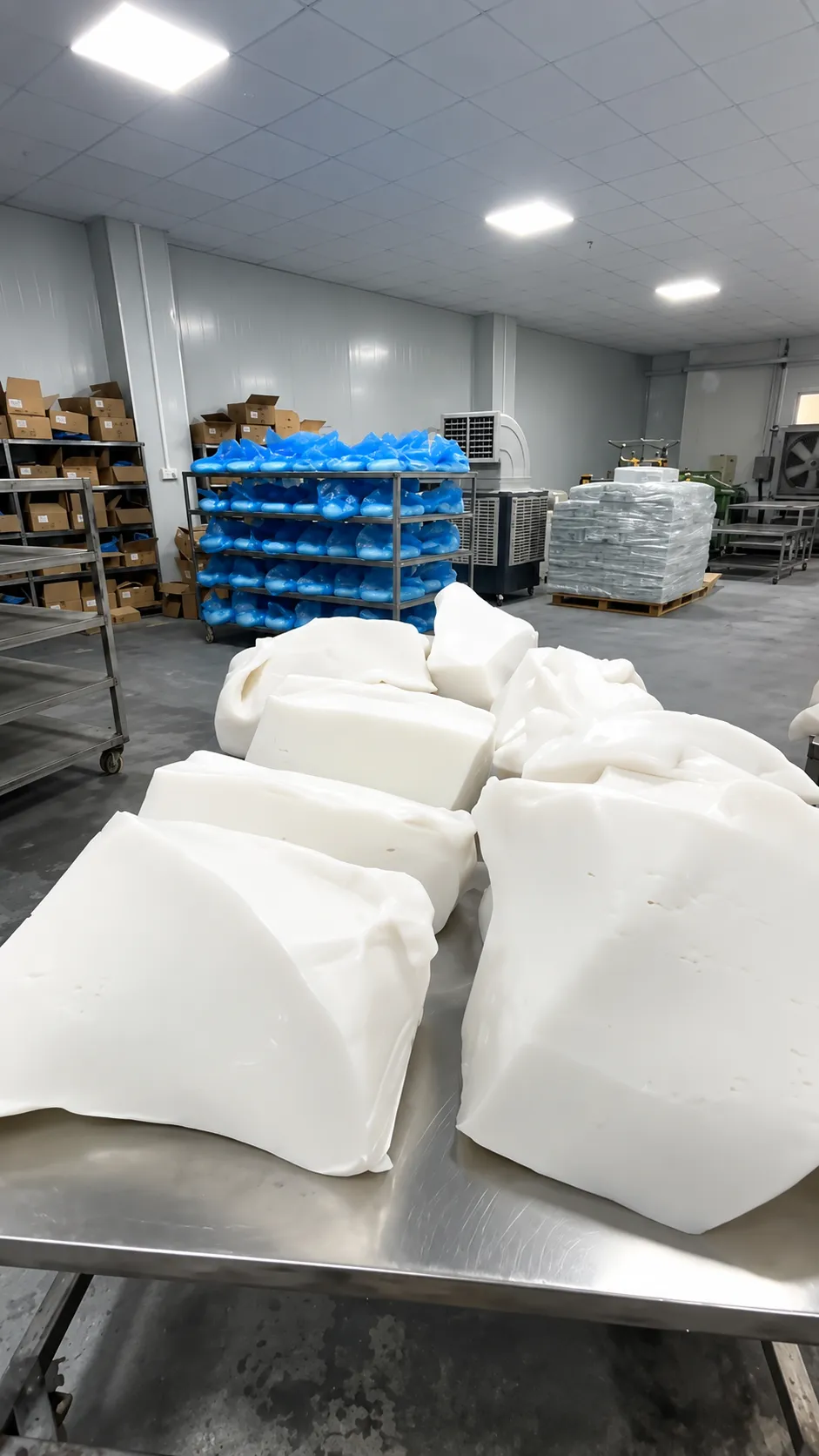
Yakows silicone rubber factory production and material preparation
Production & Material Preparation
Yakows silicone rubber quality checks and manufacturing process
In-Process Quality Control
Yakows silicone rubber manufacturing and material supply
Bulk Material Supply
Raw Material Review→Mixing & Compounding→In-Process Checks→Final Inspection→Packaging
09 / Packaging & Supply

From material sampling to steady production orders.

Yakows supplies general-purpose HTV silicone rubber for sampling and bulk production, with 20 kg cartons and palletized shipments. Discuss your hardness, color, molding process and order volume for material selection.

Standard Pack20 kg / Carton + Pallet
DocumentsTDS, SDS, COA and applicable test documents by grade
AnpassungHardness, color and formulation requirements for review
Samples / MOQConfirmed by specific material and order requirements
01

Submit Your Component Requirements

Application, hardness, drawing or sample, target performance, color and expected quantity.

02

Review Candidate Compounds

Match the mold process, cure system and qualification requirements against suitable YK options.

03

Check TDS & Conduct Trials

Confirm technical data and evaluate the material under the actual molding conditions.

04

Confirm Production & Delivery

Finalize material approval, packaging, order quantity, commercial terms and shipping schedule.

10 / Product FAQ

Frequently asked questions about general-purpose HTV silicone rubber.

What is general-purpose HTV silicone rubber used for?

It is commonly evaluated for compression-molded components such as O-rings, gaskets, sealing pads, buttons, keypads and general industrial silicone parts. The final grade should match the part's hardness, mechanical performance, curing and service requirements.

Which Shore A hardness can Yakows supply?

YK general-purpose molding compounds are available across the 30–90 Shore A range. Share your target hardness and part requirements to select a suitable formulation.

Is HTV silicone rubber suitable for compression molding?

Yes. Yes. The solid HTV / HCR compound is designed for heat-curing in compression molds. Material preparation, cure time and temperature can be adjusted according to the selected formulation and part geometry.

How is general-purpose molding silicone different from high-tear or flame-retardant grades?

General-purpose grades are designed for versatile molded components. High-tear grades emphasize tear resistance, while flame-retardant grades target specific flammability requirements.

What technical and compliance documents are available?

Request the TDS, SDS and applicable grade-specific test documents for your material selection and intended application.

What should I send to obtain a suitable grade and sample?

Share the molded component, drawing or photo, required Shore A hardness, target mechanical performance, color, production process, compliance requirements, trial quantity and expected annual demand.

YK General Molding · Yakows Technology

Find a silicone rubber compound that works with your mold and your product.

Tell us what you are molding, the hardness and performance you need, and the manufacturing equipment you use. We can discuss a suitable YK material direction and the next steps for TDS, sampling and quotation.

01   Part drawing or application photo
02   Shore A hardness & required performance
03   Molding / curing process
04   Compliance documents & trial quantity
05   Forecast order quantity

E-Mail: info@yakows.com