
Understanding Silicone Rubber: Types, Properties and Industrial Uses
Silicone rubber is a synthetic elastomer known for its flexibility, thermal stability, electrical insulation and resistance to outdoor weathering. It is used in industrial seals, wire and cable, composite insulators, surge arresters, automotive components, medical products and many other applications where conventional materials may not meet the required operating conditions.
However, silicone rubber is not a single standardized material. Its performance depends on the polymer structure, reinforcing fillers, additives, curing system and manufacturing process. High-consistency silicone rubber, liquid silicone rubber and room-temperature-vulcanizing silicone are designed for different production methods and end uses.
For engineers, product designers and OEM manufacturers, selecting the right silicone rubber means balancing temperature resistance, hardness, tear strength, electrical properties, chemical compatibility and processing requirements.
This guide explains what silicone rubber is, how it is formulated and manufactured, the main types available, its advantages and limitations, and how to choose a suitable silicone rubber compound for industrial production.
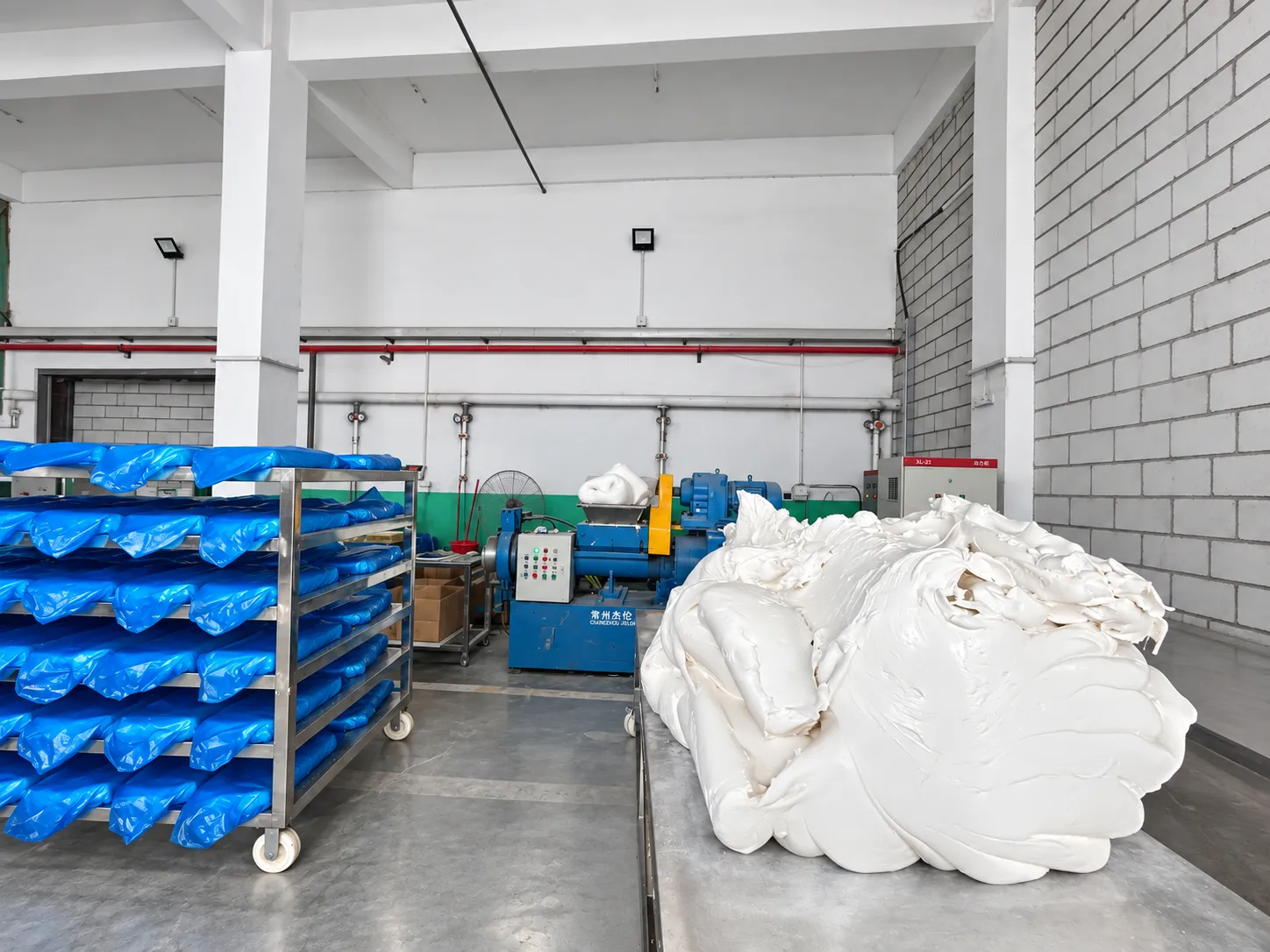
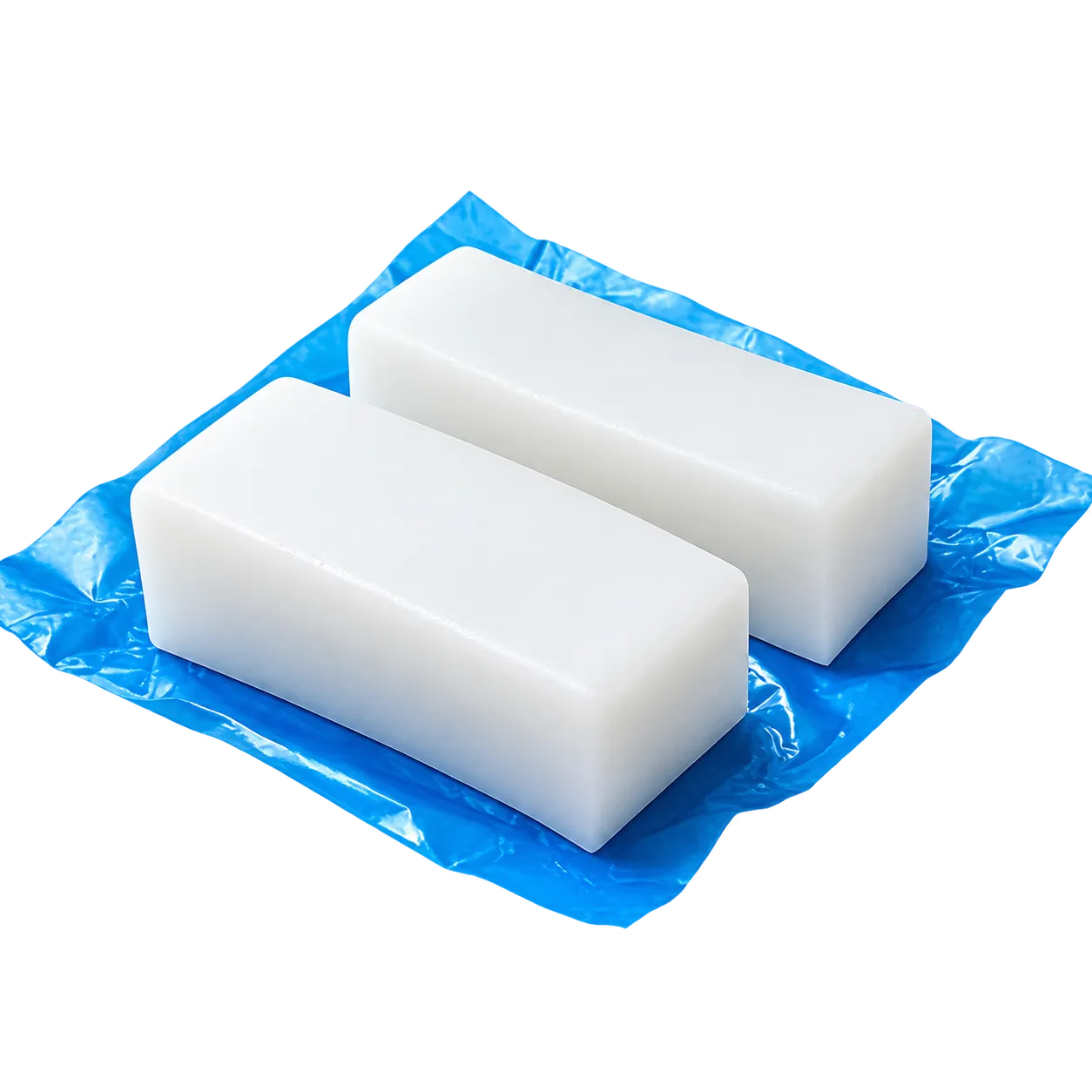
What Is Silicone Rubber?
Silicone rubber is an elastomer based primarily on polysiloxane polymers. Unlike conventional carbon-backbone polymers, its main polymer chain contains alternating silicon and oxygen atoms, with organic groups attached to the silicon atoms.
This molecular structure contributes to the material's flexibility, thermal stability and resistance to weathering. After an appropriate curing process creates a crosslinked polymer network, silicone rubber can deform under load and recover toward its original shape.
Silicone rubber is different from silicon, the chemical element used in semiconductor manufacturing. Silicone refers to a family of polymers, while silicon is an element that can be used as a starting material in silicone production.
Depending on its formulation and physical form, silicone rubber can be supplied as a solid compound, a two-component liquid system, a cured sheet, an extruded profile or a molded component.
What Is Silicone Rubber Made Of?
Commercial silicone rubber compounds combine a silicone polymer base with ingredients that control reinforcement, processing, color and final performance.
| Component | Function | Influence on Performance |
|---|---|---|
| Silicone Polymer | Forms the main elastomer structure | Influences flexibility, thermal stability and basic material behavior |
| Verstärkungssilikat | Strengthens the polymer network | Can improve tensile strength, tear resistance and compound rheology |
| Aushärtungssystem | Creates crosslinks between polymer chains | Affects cure rate, processing window and final mechanical properties |
| Functional Fillers | Provide application-specific characteristics | May improve tracking resistance, flame performance or thermal conductivity |
| Pigments and Additives | Adjust color and selected functional properties | Can influence appearance, stability and processing requirements |
Not every compound contains the same ingredients. Electrical-grade silicone, food-contact silicone, flame-retardant silicone and general-purpose molding compounds may use different filler systems and additives.
Consequently, two silicone rubber compounds with similar hardness and color can perform differently in tensile, tear, electrical, thermal-aging and processing tests.
How Is Silicone Rubber Manufactured?
Silicone rubber production involves both upstream polymer chemistry and downstream compound preparation. For component manufacturers, the most relevant stages are formulation, mixing, shaping and curing.
For silicone rubber manufacturers, consistent mixing, controlled curing behavior and batch-to-batch repeatability are essential. For OEM customers, these factors affect production efficiency as well as the quality of the finished component.
What Are the Main Types of Silicone Rubber?
Silicone rubber can be classified by polymer chemistry, physical form, curing system and processing method. The following categories are especially important when choosing an industrial silicone rubber compound.
1. HTV / HCR Silicone Rubber
HTV, or high-temperature-vulcanizing silicone, is commonly associated with HCR, or high-consistency rubber. These solid silicone compounds are processed using suitable heat-curing systems.
HTV/HCR is widely used for molded and extruded components. Typical applications include composite-insulator housings, cable insulation, gaskets, industrial seals and heat-resistant components.
Important selection factors include plasticity, hardness, tensile strength, elongation, tear resistance, cure behavior and compatibility with the production process.
2. Liquid Silicone Rubber (LSR)
Liquid silicone rubber is generally supplied as a low-viscosity, multi-component system designed for controlled metering, mixing and molding. Many LSR systems use two components and addition curing.
LSR is particularly useful for complex molded components, intricate geometries and automated production processes. Depending on the grade, applications can include seals, connectors, electrical components and specialized molded parts.
Mixing accuracy, metering equipment, mold temperature, injection conditions and curing behavior all influence the quality of an LSR part.
3. RTV Silicone Rubber
Room-temperature-vulcanizing silicone rubber cures at or near ambient temperature under its intended curing conditions. RTV systems are commonly divided into one-component and two-component formulations.
RTV silicone is frequently used in sealants, coatings, potting, encapsulation and mold-making applications. Some specialized RTV formulations serve electrical or protective coating requirements.
4. Specialized Silicone Rubber Compounds
Silicone rubber can also be formulated for specific functional requirements rather than classified only by its physical form.
- Electrical-grade silicone rubber: Designed around dielectric properties and application-specific electrical performance.
- High tear strength silicone rubber: Developed for components that require greater resistance to tearing during processing or use.
- Flame-retardant silicone rubber: Formulated to meet defined flame-performance requirements.
- Food-contact silicone rubber: Manufactured and tested against the relevant food-contact requirements for its intended market and use.
- Thermally conductive silicone rubber: Uses functional fillers to increase heat-transfer capability.
- Fluorosilicone rubber: Offers improved compatibility with certain oils and fuels compared with many conventional silicone formulations.
These categories are not mutually exclusive. A single compound may be designed for more than one performance requirement.
Silicone Rubber Properties: What Matters Most?
Silicone rubber properties vary with formulation, cure conditions, test method and operating environment. The following characteristics are commonly considered during material selection.
| Eigenschaft | Warum das wichtig ist | What to Evaluate |
|---|---|---|
| Temperaturbeständigkeit | Helps determine suitability for hot or cold environments | Continuous temperature, short-term peaks and aging results |
| Härte | Influences indentation resistance and component feel | Shore A target and acceptable tolerance |
| Zugfestigkeit | Measures resistance to pulling forces | Tested strength and changes after aging |
| Bruchdehnung | Indicates how far the material stretches before breaking | Elongation requirements under the relevant test method |
| Reißfestigkeit | Important where cuts or localized stresses can initiate tearing | Tear test method and component geometry |
| Dauerverformung | Indicates the ability to recover after sustained compression | Test temperature, duration and acceptable permanent deformation |
| Elektrische Eigenschaften | Critical for insulating components | Dielectric strength, volume resistivity and other application-specific tests |
| Chemical Compatibility | Determines how the material behaves around fluids and chemicals | Fluid type, concentration, temperature and exposure duration |
What Is the Temperature Range of Silicone Rubber?
Temperature resistance is one of the most recognized advantages of silicone rubber. Many industrial grades are designed to remain functional across a broad temperature range, with some commonly used grades operating in the approximate region of -50°C to +200°C.
However, this is a general reference range, not a universal specification. Some grades are optimized for lower temperatures, while specialized materials can tolerate higher temperatures under defined conditions.
Temperature performance also depends on exposure duration, mechanical load, oxygen, the surrounding medium and the required service life.
What Are the Advantages of Silicone Rubber?
Broad Temperature Capability
Suitable silicone grades can retain useful flexibility at low temperatures and withstand elevated temperatures that may accelerate aging in less suitable materials.
Weather, UV and Ozone Resistance
Silicone rubber is widely used in outdoor environments because many grades resist weathering, UV exposure and ozone degradation.
Elektrische Isolierung
Properly formulated silicone rubber can provide high electrical resistance and useful dielectric properties. Specialized grades are designed for demanding electrical applications.
Flexible Processing Options
Different silicone systems support compression molding, injection molding, liquid injection molding and extrusion, allowing manufacturers to select a process suited to the component design and production volume.
Formulation Versatility
Polymer selection, reinforcing fillers and functional additives can be adjusted to meet specific mechanical, thermal, electrical or regulatory requirements.
What Are the Limitations of Silicone Rubber?
Silicone rubber is not automatically the best material for every application. Understanding its limitations is essential for avoiding premature failure and unnecessary material costs.
- Tear and abrasion: Performance varies by formulation, and some grades are unsuitable for severe abrasive wear or high tear loads.
- Oil and fuel exposure: General-purpose silicone can swell or lose properties in certain oils, fuels and organic fluids. Compatibility must be tested for the actual medium.
- Mechanical loading: Tensile strength, fatigue resistance and load-bearing performance must match the component design.
- Compression set: Prolonged compression at elevated temperature can reduce sealing force in some applications.
- Material cost: Silicone can cost more than alternative elastomers, so its advantages should justify the total application cost.
- Processing requirements: Different silicone systems require suitable equipment, curing conditions and process control.
The right response to these limitations is not to reject silicone rubber as a category, but to select a grade based on the actual operating environment and verify its performance.
Industrial Applications of Silicone Rubber
Electrical Insulation and Power Transmission
Electrical-grade silicone rubber is used in composite-insulator housings, surge arresters, cable accessories and other insulating components. Relevant properties may include dielectric strength, volume resistivity, tracking resistance, erosion resistance, tear strength and weather durability.
Wire and Cable
Silicone rubber can insulate wires and cables that need flexibility and thermal stability. Depending on the grade and cable design, it may also be selected for demanding environmental or electrical requirements.
Automotive and Electric Vehicles
Silicone rubber is used in selected seals, connectors, cable components and molded parts exposed to heat, vibration or temperature cycling. Material selection must account for the component's fluids, mechanical loads and electrical requirements.
Industrial Seals and Gaskets
Silicone rubber is useful for static seals, gaskets and molded profiles where temperature resistance and flexibility are important. Fluid compatibility and compression-set performance should be checked before approval.
Food-Contact Equipment
Appropriately formulated and documented silicone rubber may be used in food-contact seals, gaskets and equipment components. Compliance must be verified for the specific formulation, conditions of use and destination market.
Medical and Healthcare Components
Selected silicone grades are used for tubing, seals and molded components in healthcare applications. Biocompatibility, extractables, sterilization compatibility and regulatory requirements must be established for the finished product and its intended use.
How to Choose the Right Silicone Rubber Compound
Material selection should begin with the finished component and its operating conditions, not with a generic request for silicone rubber.
| Selection Factor | Questions to Ask |
|---|---|
| Anwendung | Is the compound intended for a cable, insulator, seal, gasket or molded component? |
| Temperature | What are the minimum, continuous and peak temperatures? |
| Härte | What Shore A value and tolerance does the component require? |
| Mechanical Loads | Are tensile strength, tear resistance, elongation or compression set critical? |
| Environment | Will the component encounter moisture, UV, ozone, oils, fuels or cleaning chemicals? |
| Elektrische Anforderungen | Are dielectric strength, volume resistivity, tracking or erosion resistance required? |
| Processing Method | Will the material be compression molded, injection molded, liquid injection molded or extruded? |
| Compliance | Which customer specifications, test standards or regulatory requirements apply? |
| Production Volume | What batch size, cycle time and repeatability are needed? |
After narrowing down the material options, request the relevant technical data sheet, evaluate samples and conduct production trials when necessary. A compound should be approved against the requirements that matter to the finished component.
Silicone Rubber Processing: What Manufacturers Should Know
Formpressen
Compression molding places a measured amount of silicone compound into a mold and applies heat and pressure to shape and cure the part. It is useful for many solid silicone components, but mold design, material charge, venting and cure conditions affect consistency.
Spritzguss
Injection molding feeds silicone compound into a heated mold under controlled conditions. It can support complex geometries and repeatable production, provided the material's flow and curing characteristics match the equipment and mold design.
Flüssigkeitsspritzguss
LSR processing uses controlled metering and mixing of liquid components before injection into the mold. Accurate ratio control, temperature management and process consistency are important for achieving reliable finished parts.
Extrusion
Extrusion produces continuous silicone profiles, tubing and cable insulation. Compound plasticity, die design, dimensional stability and curing conditions influence the final product.
A material that performs well in a laboratory test may still create production problems if it does not flow, fill, cure or extrude consistently. For OEM manufacturers, processing compatibility is therefore a key part of compound qualification.
How to Evaluate Silicone Rubber Quality
Quality control should reflect the application's failure risks. A general-purpose molded gasket and a high-voltage composite insulator do not require identical acceptance criteria.
| Quality Check | What It Helps Verify |
|---|---|
| Härte | Consistency with the specified material grade |
| Tensile and Elongation | Mechanical performance under stretching |
| Reißfestigkeit | Resistance to crack initiation and propagation under the specified test |
| Dauerverformung | Recovery after sustained compression under defined conditions |
| Thermal Aging | Changes in selected properties after heat exposure |
| Elektrische Prüfungen | Compliance with the dielectric or resistivity requirements of the application |
| Processing Trials | Flow, mold filling, cure behavior and production repeatability |
| Chargenkonsistenz | Repeatability of agreed specifications between production lots |
Test results should always be interpreted alongside the applicable test method, specimen preparation, curing conditions and acceptance limits. A single data-sheet value cannot guarantee the performance of every finished component.
What Should OEMs Look for in a Silicone Rubber Manufacturer?
Choosing a silicone rubber manufacturer involves more than comparing price and nominal hardness. The supplier should understand the end application and provide a compound that can be processed consistently.
- Application knowledge: Experience with the intended product and its operating environment.
- Material development: Ability to evaluate hardness, reinforcement, curing and application-specific requirements.
- Production control: Repeatable mixing, curing behavior and batch quality.
- Technical documentation: Relevant data sheets, test reports and compliance documents.
- Sample evaluation: Support for material testing and production trials before full-scale approval.
- Clear communication: Ability to discuss processing issues and practical material trade-offs with engineering teams.
For OEM projects, a technically suitable compound that runs reliably on the production line can be more valuable than a nominally stronger material that creates filling, curing or consistency problems.
Silicone Rubber Compounds for Industrial and OEM Applications
Yakows supplies silicone rubber compounds for industrial manufacturing applications, including HTV/HCR materials, liquid silicone rubber and specialized silicone formulations.
Material evaluation can focus on the requirements of the finished component, such as hardness, tensile strength, tear resistance, temperature performance, electrical properties and processing behavior.
For electrical applications, the assessment may include composite-insulator housings, surge-arrester components and cable insulation. For other industrial uses, the selection process can focus on molding requirements, sealing performance, thermal aging or application-specific compliance.
OEM manufacturers can provide their target specifications, processing method, intended application and current material challenges to begin a technical discussion.
Frequently Asked Questions About Silicone Rubber
What is silicone rubber used for?
Silicone rubber is used in industrial seals, gaskets, wire and cable, electrical insulation, composite insulators, surge arresters, automotive components and selected food-contact and medical applications.
What is silicone rubber made of?
It is based primarily on polysiloxane polymers and may contain reinforcing silica, curing agents, pigments and functional additives. The exact formulation depends on the intended application.
What are the main types of silicone rubber?
Common processing categories include HTV/HCR, liquid silicone rubber (LSR) and room-temperature-vulcanizing silicone (RTV). Specialized compounds can also be developed for electrical, thermal, flame or chemical requirements.
What is the temperature range of silicone rubber?
The operating range depends on the specific grade and service conditions. Many industrial grades are designed for a broad temperature range, but the supplier's technical data and long-term aging performance should be checked for the intended use.
Is silicone rubber a good electrical insulator?
Suitable silicone rubber compounds can provide high electrical resistance and useful dielectric strength. High-voltage applications may also require specific tracking, erosion and outdoor-aging performance.
What is the difference between HTV/HCR and LSR silicone rubber?
HTV/HCR is generally supplied as a solid, high-consistency compound, while LSR is a low-viscosity liquid system designed for controlled metering, mixing and molding. Their processing equipment and production requirements differ.
Is all silicone rubber food grade?
No. Food-contact suitability depends on the specific formulation, manufacturing controls, supporting documentation, conditions of use and applicable regulatory requirements.
Is silicone rubber resistant to oil and chemicals?
Compatibility depends on the fluid, concentration, temperature, exposure duration and compound formulation. General-purpose silicone should not automatically be assumed suitable for prolonged exposure to oils, fuels or organic solvents.
How do manufacturers select a silicone rubber compound?
Selection should consider application, temperature, hardness, mechanical loads, electrical requirements, chemical exposure, processing method, production volume and compliance requirements.
What information should be included in a silicone rubber RFQ?
Include the application, target hardness, operating temperature, required mechanical or electrical properties, processing method, expected volume and any customer or regulatory specifications.