
What Is HCR Silicone?
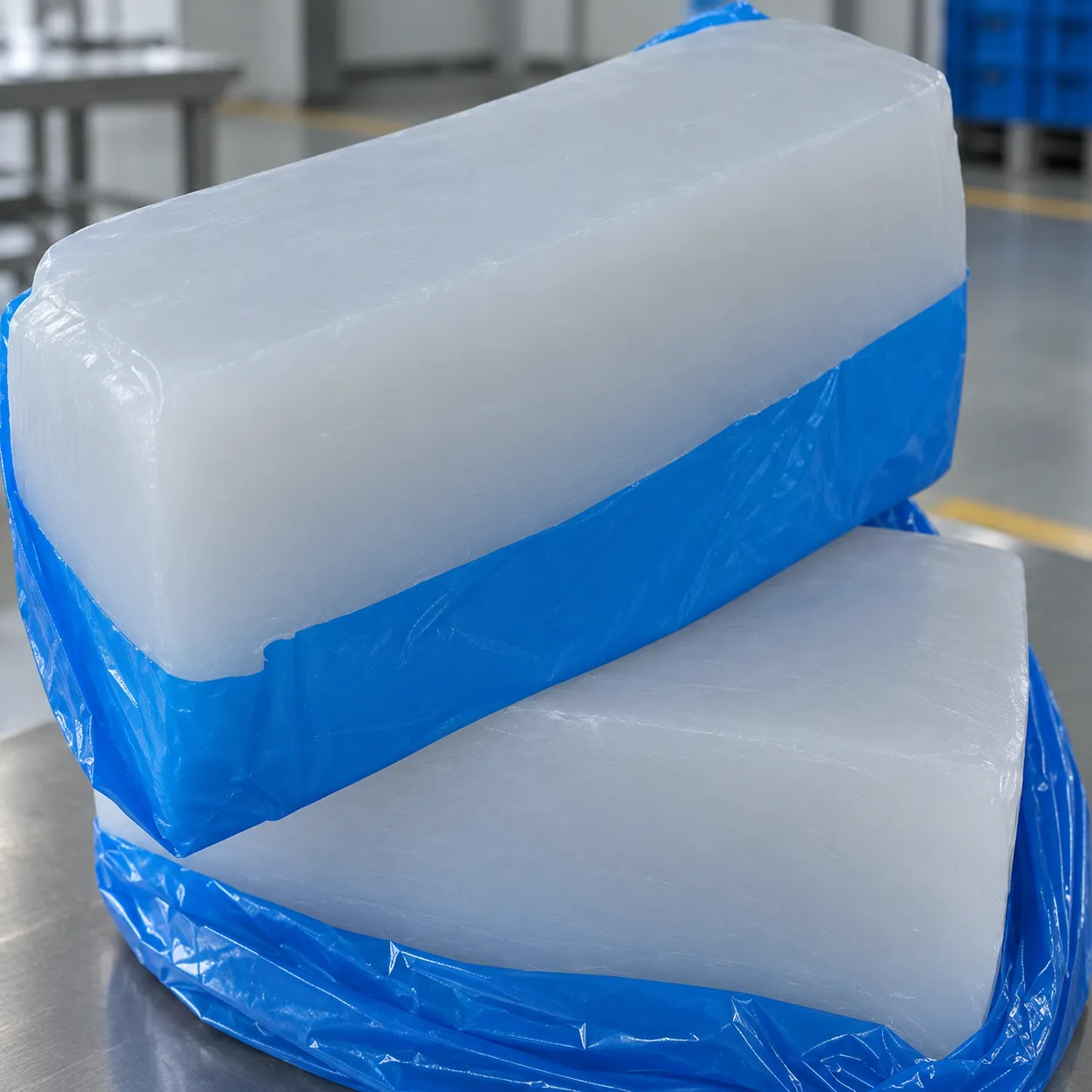
HCR silicone is a high-consistency silicone rubber supplied as a solid, gum-like compound before curing. HCR stands for High Consistency Rubber. Unlike liquid silicone rubber, HCR does not flow like a liquid at room temperature. It is processed as a highly viscous elastomer compound and is commonly molded, extruded, calendered or transferred before being vulcanized at elevated temperature.
HCR silicone is widely used when manufacturers need the heat resistance, electrical insulation, weatherability and flexibility of silicone rubber together with the processing characteristics of a solid rubber compound. Typical applications include wire and cable, composite insulators, electrical components, seals, gaskets, tubing, automotive and EV parts, industrial profiles and high-temperature molded products.
What Does HCR Silicone Mean?
The abbreviation HCR means High Consistency Rubber. The name describes the physical consistency of the uncured silicone compound. Instead of being a pumpable liquid, the material has a dense, dough-like or gum-like form that can be cut, milled, extruded and molded.
The polymer used in HCR is generally a high-molecular-weight silicone gum. Reinforcing silica and other ingredients are incorporated into the polymer to create the mechanical strength, processing behavior and functional properties required for the finished rubber.
Is HCR Silicone the Same as HTV Silicone?
HCR and HTV are frequently used to describe the same broad family of high-consistency silicone rubber, but the two terms emphasize different characteristics.
HCR describes the physical form of the material: a high-consistency, gum-like silicone compound. HTV means high-temperature vulcanizing and describes the fact that the material is normally cured at elevated temperature.
Because most industrial HCR compounds are heat cured, suppliers often use terms such as HCR silicone, HTV silicone, HTV/HCR silicone, solid silicone rubber or high-consistency silicone for closely related materials.
| Term | Meaning | What It Emphasizes |
|---|---|---|
| HCR | Caoutchouc à haute consistance | The solid, high-viscosity form of the uncured silicone |
| HTV | High-Temperature Vulcanizing | The elevated-temperature curing process |
| HTV/HCR | High-consistency heat-cured silicone rubber | A commonly used commercial description combining both concepts |
When selecting a material, the exact name matters less than the actual compound specification. Buyers should confirm the processing method, curing system, hardness, mechanical properties and application requirements rather than assuming that every HCR or HTV grade performs the same way.
What Is HCR Silicone Made From?
HCR silicone is not simply pure silicone polymer. A commercial compound is a formulated material in which silicone gum is combined with reinforcing fillers, processing ingredients, functional additives and a curing system.
The base polymer is commonly derived from polydimethylsiloxane chemistry or related silicone gums. Depending on the curing system and target properties, the polymer structure can also contain functional groups such as vinyl groups that participate in crosslinking.
| Ingredient | Role in HCR Silicone |
|---|---|
| Silicone Gum | Forms the primary elastomeric polymer network after curing |
| Reinforcing Silica | Improves tensile strength, tear strength and overall mechanical performance |
| Processing Aids | Help control polymer-filler interaction, viscosity and processing behavior |
| Functional Additives | Adjust heat resistance, electrical performance, flame behavior or other specialized properties |
| Pigments | Provide required color where needed |
| Système de durcissement | Creates crosslinks between polymer chains during vulcanization |
Changing any of these ingredients can affect more than one property. Increasing reinforcement may improve mechanical strength but can also change hardness and viscosity. Adding electrical or flame-retardant fillers may alter extrusion behavior. This is why HCR silicone formulation is normally designed around the complete application rather than one isolated target value.
Why Is Reinforcing Silica Important?
Reinforcing silica is one of the most important components in high-consistency silicone rubber. Unfilled silicone gum does not normally provide the strength required for demanding industrial components. Fine silica particles reinforce the polymer network and help produce useful tensile strength, tear resistance and dimensional stability.
The type, surface area and surface treatment of the silica influence the final compound. Fumed silica, precipitated silica and treated silica systems can be used depending on formulation requirements.
Silica also has a major effect on processing. The interaction between silica and the silicone polymer influences compound viscosity, milling behavior, extrusion characteristics and storage stability. A high-performance HCR compound therefore depends not only on the amount of filler but also on how well it is dispersed and controlled during manufacturing.
How Is HCR Silicone Cured?
Before curing, HCR silicone is a thermoplastic-like gum compound that can still be shaped and processed. Vulcanization creates chemical crosslinks between the silicone polymer chains and converts the material into an elastic rubber.
Two major curing approaches are used in high-consistency silicone compounds: peroxide curing and platinum-catalyzed addition curing.
Peroxide-Cured HCR
Peroxide curing has long been used for high-consistency silicone rubber. Different peroxide systems can be selected according to processing temperature, product geometry and desired finished properties.
Platinum-Cured HCR
Addition-curing systems based on platinum chemistry can also be used with HCR silicone. They may be selected when clean curing behavior or particular processing and finished-product requirements are important.
Some compounds are supplied with the curing system already incorporated, while others may require the processor to add a catalyst or curing agent before production. The correct mixing sequence and storage conditions depend on the chemistry of the grade.
How Is HCR Silicone Processed?
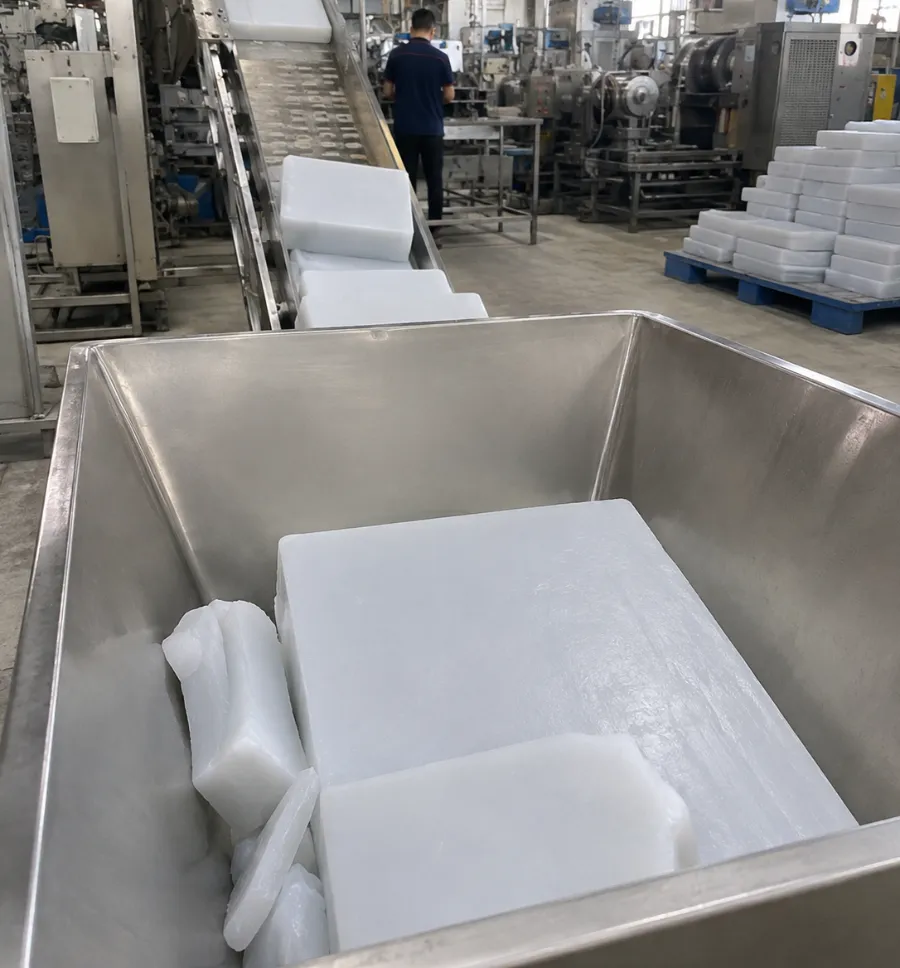
The high viscosity of HCR silicone makes its processing very different from liquid silicone rubber. HCR is normally handled using equipment designed for solid elastomers.
Moulage par compression
A measured quantity of silicone compound is placed in a heated mold. Pressure and heat shape and cure the material into the final component.
Extrusion
HCR silicone is continuously forced through a die to form tubing, cable insulation, profiles or other continuous shapes before curing.
Calandrage
The material is passed through rollers to form controlled sheets or coatings for applications requiring consistent thickness.
Moulage par transfert
Silicone compound is transferred into a mold cavity under pressure, which can be useful for more complex geometries and certain electrical components.
For industrial users, the same HCR silicone cannot automatically be expected to perform equally well in every process. An extrusion grade needs suitable rheology and surface quality, while a compression-molding grade may prioritize mold flow, demolding and tear resistance.
What Are the Main Properties of HCR Silicone?
HCR silicone is used across demanding industries because its formulation can combine a wide operating temperature range with electrical insulation, flexibility and resistance to environmental aging. Exact performance varies by compound, so buyers should rely on the technical data for the specific grade rather than treating all high-consistency silicone as identical.
HCR Silicone vs LSR
HCR silicone and liquid silicone rubber are both members of the silicone elastomer family, but their uncured forms and production methods are very different.
LSR is supplied as a flowable two-component liquid and is commonly processed through automated liquid injection molding. HCR is a solid, high-viscosity compound that is handled more like conventional rubber.
| Characteristic | HCR Silicone | LSR |
|---|---|---|
| Uncured Form | Solid, gum-like compound | Flowable liquid |
| Viscosité | Very high | Much lower |
| Typical Supply | Blocks, sheets, strips or compound packages | Two liquid components |
| Extrusion | Common | Not the normal processing route |
| Moulage par compression | Common | Not the primary process |
| Liquid Injection Molding | No | Primary process |
| Automation | Depends on process and equipment | Highly suitable for automated molding |
| Typical Uses | Cables, seals, profiles, electrical insulation, industrial molding | Precision molded parts, medical components, seals and connectors |
Neither material is universally better. The choice between HCR and LSR depends mainly on manufacturing equipment, part geometry, production volume and the required finished properties.
HCR Silicone vs RTV Silicone
HCR and RTV silicone also serve very different manufacturing roles. HCR requires elevated-temperature curing and is normally used to produce molded or extruded rubber components. RTV means room-temperature vulcanizing and is generally supplied as a liquid or paste for sealing, bonding, potting, encapsulation or mold making.
If a manufacturer needs continuous cable insulation, compression-molded seals or a composite insulator housing, HCR is generally much closer to the required material system. If the material must be dispensed directly into an assembly and cure without heated rubber-processing equipment, RTV may be more appropriate.
What Shore Hardness Is Available?
HCR silicone can be formulated across a broad Shore A hardness range. Softer materials can provide greater flexibility and lower sealing force, while harder compounds may offer greater dimensional stability for certain molded parts.
However, hardness should not be selected independently. Changing Shore A can affect elongation, tensile strength, tear strength, compression behavior and processing viscosity.
Electrical-Grade HCR Silicone
Electrical applications are one of the most important industrial uses of HCR silicone. Properly formulated silicone rubber can provide strong dielectric insulation while remaining flexible and stable under heat and environmental exposure.
Electrical-grade HCR compounds may be designed around dielectric strength, volume resistivity, dielectric constant, hydrophobicity, tracking resistance and erosion resistance. The required balance depends on the electrical component.
| Electrical Property | Pourquoi est-ce important ? |
|---|---|
| Rigidité diélectrique | Helps evaluate resistance to electrical breakdown under defined test conditions |
| Résistivité volumique | Indicates resistance to current flowing through the material |
| Hydrophobicité | Important for outdoor insulation exposed to moisture and contamination |
| Suivi de la résistance | Helps resist formation of conductive surface paths under electrical stress |
| Résistance à l'érosion | Important where electrical discharge can gradually damage the silicone surface |
HCR Silicone for Composite Insulators
Composite insulators place particularly demanding requirements on silicone rubber. The housing must provide electrical insulation while remaining exposed to rain, humidity, pollution, ultraviolet radiation, temperature changes and surface electrical activity.
For this application, an HCR silicone compound may need a carefully balanced filler system to provide hydrophobic surface performance together with tracking and erosion resistance. Mechanical properties such as tear strength, tensile strength and elongation are also important because the housing must survive molding, handling and long-term outdoor service.
Processing consistency is equally important. The compound must mold reliably around the fiberglass core and other insulator components without excessive defects or unpredictable cure behavior.
For more detail, see our article on silicone rubber in high-voltage applications.
HCR Silicone for Wire and Cable
Wire and cable production is another major use of high-consistency silicone. HCR compounds can be extruded around electrical conductors to form insulation or protective layers that remain flexible after curing.
Cable applications require more than good electrical properties. The uncured compound must feed consistently through the extruder, maintain dimensional control at the die and produce an acceptable surface after vulcanization.
After curing, buyers may evaluate dielectric properties, tensile strength, elongation and retention of these properties after heat aging. Cable compounds may also need specific flame, smoke or application-dependent requirements according to the finished cable specification.
HCR Silicone for EV and Automotive Components
Electric vehicles and modern automotive electrical systems create a combination of thermal, electrical and mechanical demands. Silicone rubber may be used for high-voltage cable systems, connector seals, boots, grommets, insulating components and other molded parts.
For these applications, HCR silicone may need to balance electrical insulation with temperature cycling, tear strength, sealing performance and manufacturing consistency. The correct compound depends on the actual component rather than simply being labeled an “EV silicone.”
High-Temperature HCR Silicone
One of the main reasons manufacturers choose HCR silicone is its ability to retain useful elastomeric properties at elevated temperatures. However, high-temperature performance should not be reduced to one maximum temperature claim.
Continuous service temperature, short-term peak exposure and heat-aging requirements are different conditions. Long-term heat can gradually affect hardness, tensile strength and elongation, even when the silicone remains physically intact.
For demanding thermal applications, buyers should specify the expected temperature, exposure duration and which properties must remain within specification after aging. This allows a supplier to recommend a heat-resistant compound based on actual service conditions.
Food-Contact HCR Silicone
HCR silicone can also be formulated for food-contact applications such as kitchenware, seals and food-processing components. These grades require careful raw-material selection, production control and appropriate supporting documentation for the target market.
Depending on the application and destination, customers may need documentation related to requirements such as FDA 21 CFR, LFGB testing or BfR Recommendation XV. REACH requirements may also be relevant to materials supplied into European markets.
These should not all be treated as one universal “food grade certification.” Buyers should identify the actual market, regulation or test requirement and confirm that the documentation relates to the specific compound being purchased.
What Can Be Customized in an HCR Silicone Compound?
One advantage of compounded HCR silicone is that many characteristics can be adjusted within practical formulation limits. This allows the material to be developed around the end product rather than forcing every manufacturer to use the same universal grade.
How to Choose an HCR Silicone Grade
The starting point should be the final component, not a generic material designation. Tell the supplier what is being produced and how the compound will be processed. This immediately narrows the range of suitable grades.
Next, define measurable requirements. Shore A hardness, tensile strength, elongation, tear strength, operating temperature and compression performance may be important for general industrial parts. Electrical products may additionally require dielectric strength, resistivity or tracking and erosion performance.
Finally, consider how the material performs on your actual equipment. A datasheet can narrow the options, but production testing is usually the best way to confirm whether an HCR compound provides suitable extrusion, molding, curing and finished-part performance.
What Should You Ask an HCR Silicone Supplier?
When evaluating an HCR silicone supplier, buyers should look beyond the first quoted price. Batch consistency, processing support and the supplier's ability to understand the actual application can affect production cost just as much as the raw-material price.
| Topic | Question to Ask |
|---|---|
| Grade Selection | Which compound is recommended for my application and processing method? |
| Caractéristiques techniques | Which properties are specified and which test methods are used? |
| Sample | Can trial material be evaluated before production approval? |
| Batch Control | Which properties are routinely checked before a production batch is released? |
| Personnalisation | Can hardness, color or application-specific properties be adjusted? |
| Documentation | Which TDS, SDS, CoA or application-specific reports are available for the exact grade? |
| Commercial Terms | What are the MOQ, packaging format, lead time and quotation basis? |
HCR Silicone from Yakows
Yakows supplies HTV/HCR silicone rubber compounds for electrical, high-voltage, wire and cable, EV, high-temperature, food-contact and general industrial applications.
Different industries require different formulation priorities. A composite insulator compound may focus on hydrophobicity, tracking and erosion resistance. A cable grade may place more emphasis on extrusion stability, dielectric behavior and heat aging. A molded industrial part may require a different balance of Shore A hardness, elongation and tear strength.
For material evaluation, customers can provide the application, processing method, target hardness, required mechanical or electrical properties, operating temperature and estimated production quantity. These details make it easier to identify a suitable existing HCR silicone grade or discuss an application-specific compound.
Foire aux questions
What does HCR mean in silicone?
HCR means High Consistency Rubber. It describes a solid, highly viscous silicone rubber compound that is typically processed by extrusion, compression molding, transfer molding or calendering.
Is HCR silicone the same as HTV silicone?
The terms commonly overlap. HCR describes the high-consistency physical form of the silicone, while HTV describes high-temperature vulcanization. Many industrial materials are therefore described as HTV/HCR silicone rubber.
What is the difference between HCR and LSR?
HCR is a solid gum-like silicone compound, while LSR is a two-part liquid silicone material. HCR is commonly extruded or compression molded, while LSR is typically processed by automated liquid injection molding.
Can HCR silicone be extruded?
Yes. Extrusion is one of the major processing methods for HCR silicone and is widely used to manufacture tubing, profiles, wire insulation and cable-related products.
Can HCR silicone be compression molded?
Yes. Compression molding is widely used for HCR silicone seals, gaskets, electrical components and other industrial molded products.
What curing systems are used for HCR silicone?
Peroxide curing is common, while platinum-catalyzed addition curing can also be used for high-consistency silicone compounds depending on the formulation and application.
Is HCR silicone electrically insulating?
Standard HCR silicone is generally electrically insulating, and specialized electrical grades can be formulated for applications requiring high dielectric strength, volume resistivity and resistance to electrical tracking and erosion.
Is HCR silicone suitable for high temperatures?
Yes. Heat resistance is one of the main advantages of silicone rubber, although the actual continuous and short-term temperature capability depends on the specific compound and service conditions.
What industries use HCR silicone?
HCR silicone is used in electrical power, wire and cable, automotive and EV systems, industrial sealing, tubing, high-temperature components, food-contact products and many other molded or extruded applications.
Can HCR silicone properties be customized?
Yes. Within practical formulation limits, suppliers can adjust properties such as hardness, color, mechanical strength, thermal performance, electrical behavior and processing characteristics.