
Produits en caoutchouc silicone for Industrial Manufacturing
Yakows manufactures and supplies HTV / HCR solid silicone rubber compounds and two-component liquid silicone rubber (LSR) for industrial molding, extrusion, electrical insulation and precision component production. Select a material by its processing route, required properties and the conditions the finished part must withstand.
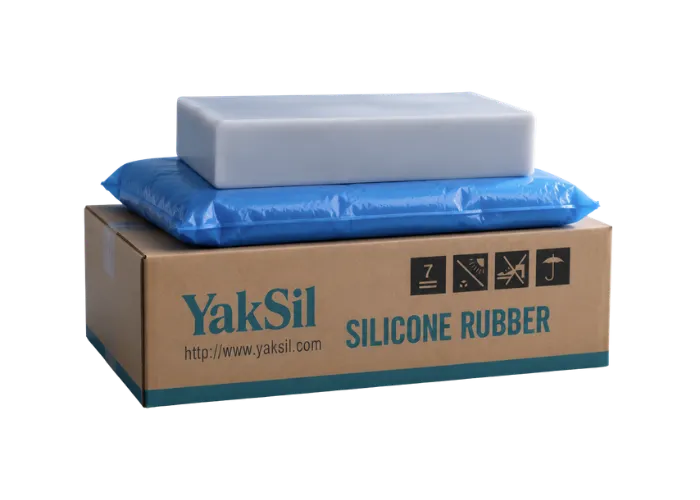
Two Silicone Systems. Different Production Requirements.
Yakows focuses on two core silicone rubber material platforms: solid HTV / HCR compounds for heat-cured molding and extrusion, and two-component LSR for precision liquid injection molding. The correct starting point is the customer's production equipment and finished component—not simply the name of the material.
Caoutchouc silicone HTV / HCR
High-temperature-vulcanizing, high-consistency silicone rubber is supplied as a solid compound. It is commonly selected for compression molding, transfer molding, extrusion and calendering. Formulations can be evaluated around hardness, curing behavior, tensile and tear properties, electrical insulation, flame performance, color and service environment.
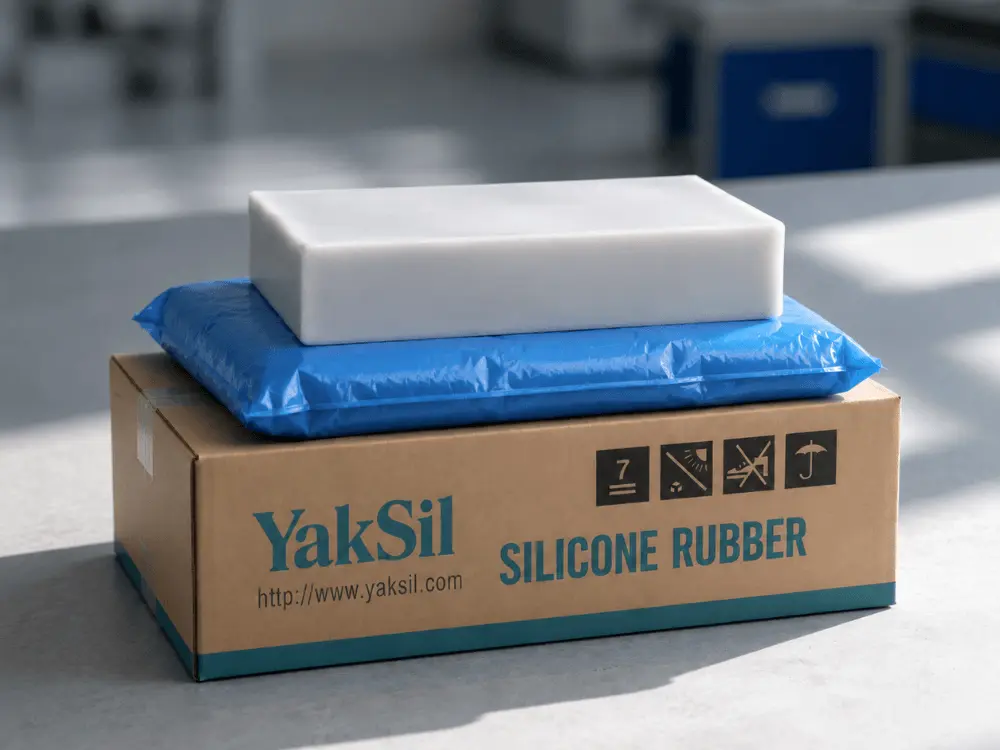 Solid compound · Heat cured
Caoutchouc de silicone liquide (LSR)
LSR is a two-component silicone system supplied for metered A/B feeding, mixing and injection into a heated mold. Its flow behavior supports intricate mold features, thin sections and repeatable precision parts when the material, tooling and molding conditions are properly matched.
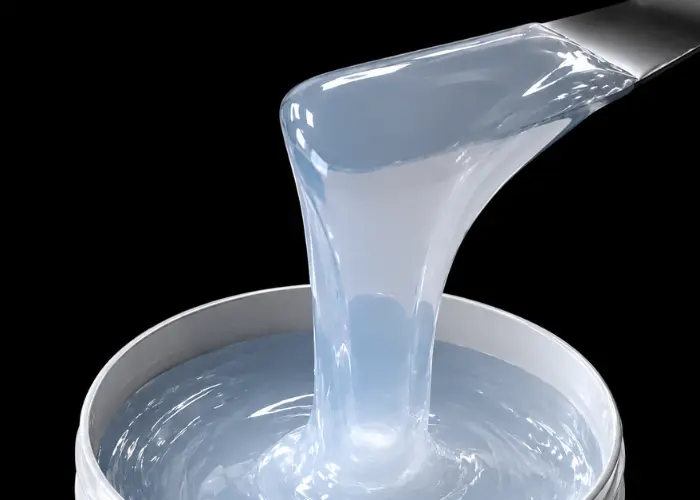 A/B liquid system · Injection molded
Choose HTV Silicone by the Performance Your Part Needs.
Yakows HTV / HCR product families cover general molding, mechanical reinforcement, electrical insulation, flame retardancy, appearance stability and selected regulated applications. Start with the component and its working conditions, then compare the relevant grade family.
Composite Insulator Grades
Dedicated HTV / HCR compounds for insulator sheds, housings and high-voltage molded components. Compare dielectric strength, volume resistivity, tracking and erosion behavior, hydrophobicity and outdoor aging.
Explore electrical-grade siliconeFlame Retardant HTV
YK-FR60, YK-FR70 and a separate YK-FR-V0 option for electrical, cable, automotive and industrial protective components. Confirm flame classification and specimen thickness for the exact grade.
Compare YK-FR gradesHigh Tear Strength Silicone
For components exposed to tearing, flexing, thin sections, undercuts or mechanical stress during demolding and service. The YK high-tear series covers 40A–70A options. Grade selection balances tear resistance with tensile strength, elongation and processability.
Explore high-tear HTVGeneral Purpose HTV
The YK-GP series includes YK-GP-30, -40, -50, -60, -70, -80 and -90. These 30A–90A options serve O-rings, gaskets, pads, buttons, keypads and custom molded parts. Select the grade by hardness tolerance, mold geometry, cure system, release behavior and production conditions.
View general molding gradesHigh Yellowing Resistant HTV
For white, translucent, transparent and light-colored molded parts where appearance after heat curing, storage and service is important. The listed model family includes YK-HY30, YK-HY50 and YK-HY70, with 30A–90A options available by formulation. Hardness and color options are grade-dependent.
Explore anti-yellowing siliconeHigh-Elongation Cable Grades
Dedicated solid silicone compounds for flexible wire and cable insulation. The listed series includes 40 ± 3 Shore A grades with tensile strength ≥ 8.0 MPa, elongation ≥ 700% and 22 kV/mm breakdown strength; confirm individual tear values and the current TDS.
Explore wire & cable materialsLow Compression Set Silicone
For O-rings, gaskets and static seals held under sustained compression. Selection should consider compression-set test conditions, heat aging, compression stress relaxation, groove design and the finished assembly—not a single percentage alone.
Explore low-compression-set HTVHigh Hardness Silicone
For firmer molded or extruded components requiring higher resistance to indentation, greater shape support or reduced local deformation. Hardness must be balanced with tensile strength, tear resistance, elongation and the required sealing behavior.
Explore high-hardness gradesFood & Medical Grade HTV
Selected HCR / HTV formulations for food-contact and healthcare-related molded components. Review the exact formulation, intended use, target market and supporting compliance documentation before approval.
Food grade · Medical gradeElectrical-Grade HTV: YK-3160 Series
Published grade data for composite insulator sheds, housings and related high-voltage molded components. The series offers different mechanical and electrical profiles rather than one universal specification.
| Propriété | Unité | YK-3160D | YK-3160Z | YK-3160G |
|---|---|---|---|---|
| Dureté | Rive A | 65 ± 3 | 65 ± 3 | 60 ± 3 |
| Tensile strength | MPa | ≥ 4.0 | ≥ 4.5 | ≥ 5.0 |
| Résistance à la déchirure | kN/m | ≥ 10 | ≥ 10 | ≥ 12 |
| Elongation at break | % | ≥ 220 | ≥ 220 | ≥ 240 |
| Breakdown strength | kV/mm | ≥ 20 | ≥ 21 | ≥ 22 |
| Volume resistivity | Ω·cm | 1 × 10¹⁴ | 2 × 10¹⁴ | 2 × 10¹⁴ |
YK-FR Flame-Retardant Series
Three distinct formulations for different hardness and flame-performance requirements.
| Niveau | Dureté | Tensile | Tear | Allongement |
|---|---|---|---|---|
| YK-FR60 | 60 ± 3 A | ≥ 5.0 MPa | ≥ 10 kN/m | ≥ 250% |
| YK-FR70 | 70 ± 3 A | ≥ 5.5 MPa | ≥ 12 kN/m | ≥ 220% |
| YK-FR-V0 | 60 ± 3 / custom | ≥ 4.5 MPa | ≥ 10 kN/m | ≥ 220% |
HTV Selection Parameters
Use the following checkpoints to narrow down a compound before sample testing.
| Paramètre | Available direction | Buyer should confirm |
|---|---|---|
| Dureté | Selected grades 30A–90A | Target Shore A and tolerance |
| Cure system | Peroxide / platinum by grade | Cure cycle and post-cure |
| Mécanique | General / high-tear | Tensile, tear, elongation, compression set |
| Électricité | Dedicated insulation grades | Breakdown, resistivity, tracking / erosion |
| Aspect | Translucent, white, black, custom | Color, transparency, yellowing |
| Conformité | Selected grade documentation | Exact grade, market and intended use |
Material performance must match the finished part.
Two compounds with the same Shore A hardness can behave differently in molding and service. Yakows reviews the combined property profile so buyers can specify the material around the real engineering requirement.
Heat & Aging
Review continuous operating temperature, heat aging, cure conditions and property retention after thermal exposure.
Tensile & Tear
Compare tensile strength, elongation and tear propagation for thin sections, demolding and repeated flexing.
Déformation rémanente après compression
For gaskets and O-rings, evaluate deformation under compression, recovery and long-term sealing conditions.
Insulation
For electrical parts, consider dielectric strength, volume resistivity and application-specific tracking requirements.
UV & Ozone
Outdoor grades may require weathering, ozone and moisture resistance appropriate to the service environment.
Cure & Flow
Assess compound handling, mold filling, extrusion stability, release, cure response and production repeatability.
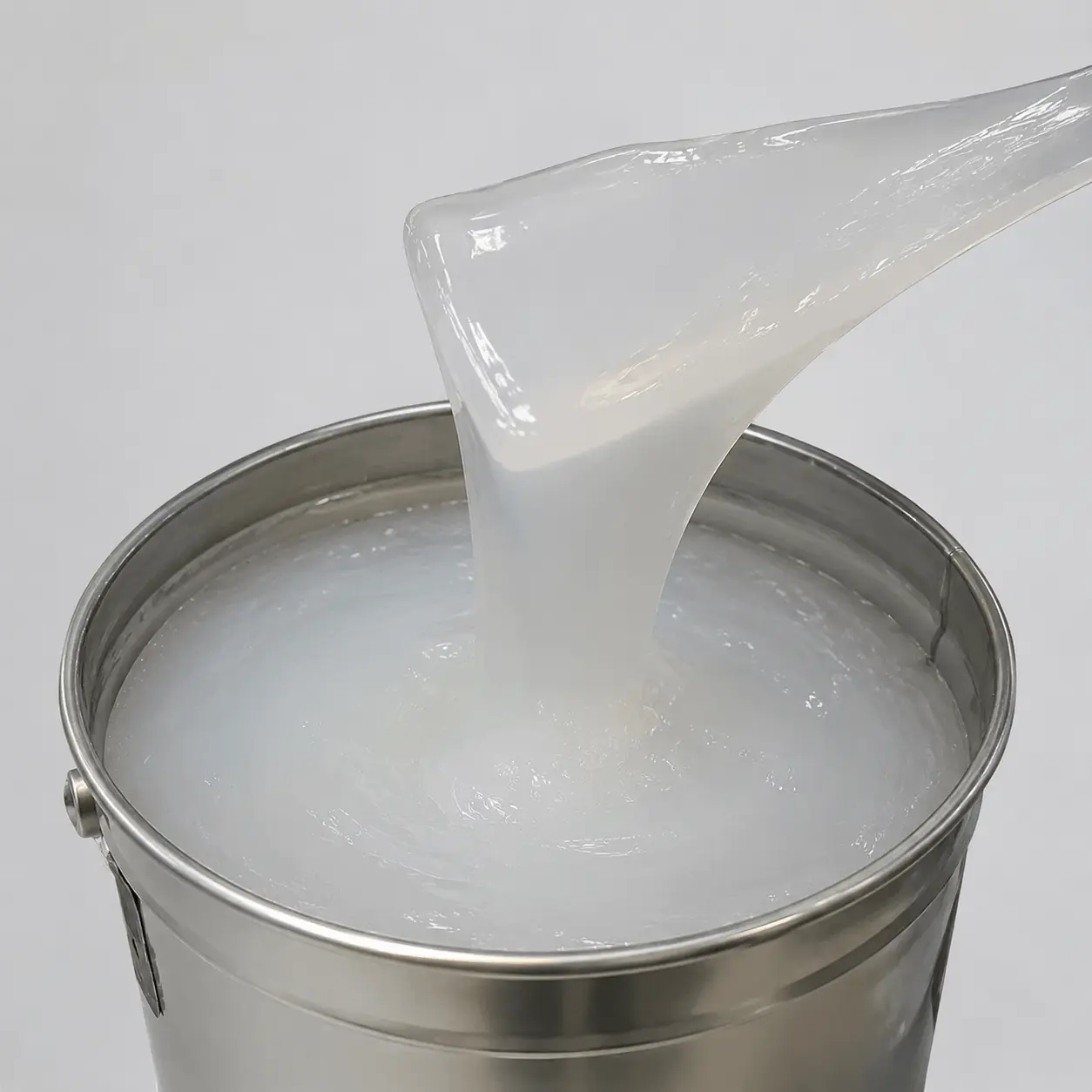
LSR for Precision, Repeatable Molding.
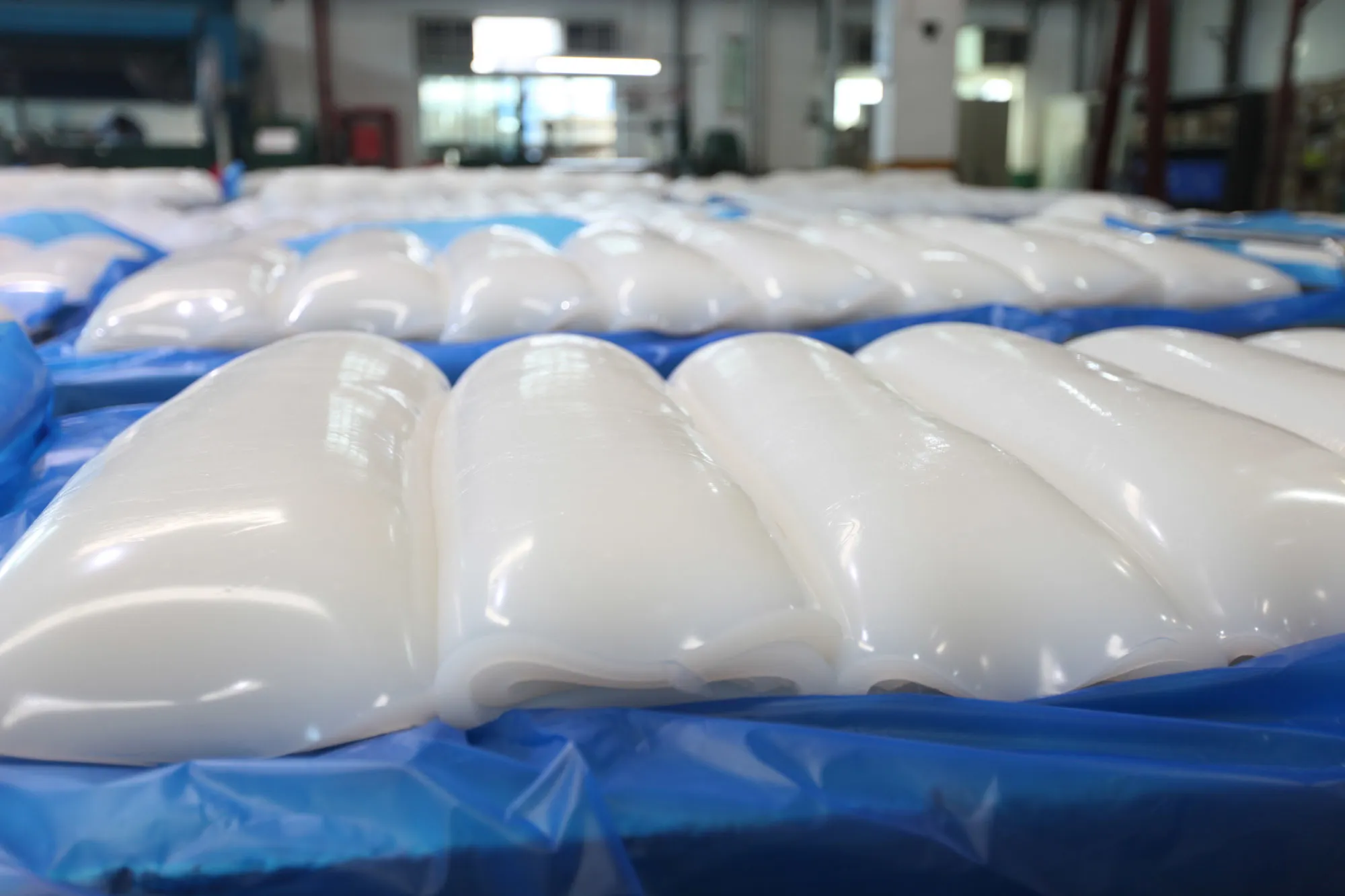
Liquid silicone rubber is supplied as a two-component material that is metered, mixed and injected into a heated mold, where it cures into an elastic component. Compared with solid HCR compounds, LSR is especially relevant when the part design includes intricate features, thin sections, fine detail or a production plan built around automated injection molding.
Material selection should consider viscosity and mold filling, mixing ratio, cure response, demolding, flash control, hardness, tear strength and the finished component's function. A suitable grade must be evaluated together with the injection unit, mold venting, gate design and cycle conditions.
Liquid Silicone Rubber: Typical Hardness & Mechanical Data
Compare the current published hardness options as a starting point. The final grade should be selected according to part geometry, sealing force, mechanical requirements, demolding behavior and the target application.
| Dureté | Density (g/cm³) | Tensile Strength (MPa) | Elongation (%) | Tear Strength (N/mm) | Typical selection direction |
|---|---|---|---|---|---|
| 20 Shore A | 1.09 | 8.0 | 800 | 24 | Soft seals, flexible membranes and soft-touch molded parts |
| 30 Shore A | 1.10 | 7.5 | 650 | 24 | Seals, valves, diaphragms and flexible precision parts |
| 40 Shore A | 1.12 | 9.5 | 600 | 30 | General precision molding, gaskets and technical parts |
| 50 Shore A | 1.13 | 9.5 | 500 | 30 | Connector seals, radial seals and general industrial parts |
| 60 Shore A | 1.13 | 9.2 | 380 | 28 | Higher-support seals and robust molded components |
| 70 Shore A | 1.14 | 9.0 | 300 | 22 | Firm sealing parts and structural elastomer components |
Silicone Compounds for Real Manufactured Components.
Finished product geometry influences the material and process. A sealing ring, an extruded profile and a thin-wall molded component place different demands on flow, cure, tear resistance, compression behavior and dimensional consistency. Yakows supplies compound platforms for manufacturers producing a broad range of silicone components.
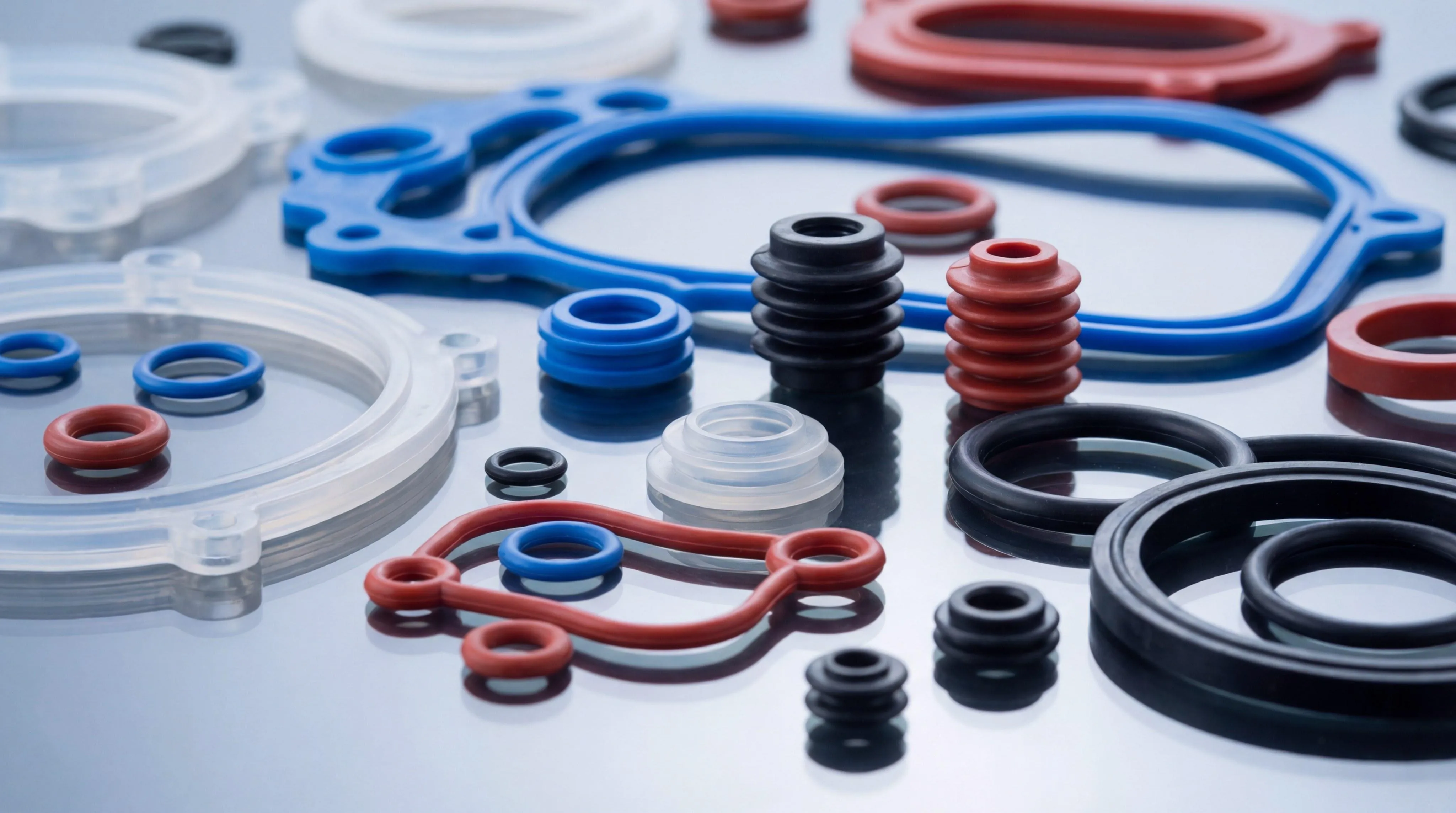 01
O-Rings & Sealing Components
HTV and LSR compounds for static sealing rings, molded seals and custom sealing profiles. Selection should consider hardness, compression set, cross-section, compression load and operating temperature.
Sealing · Elastic recovery · Compression behavior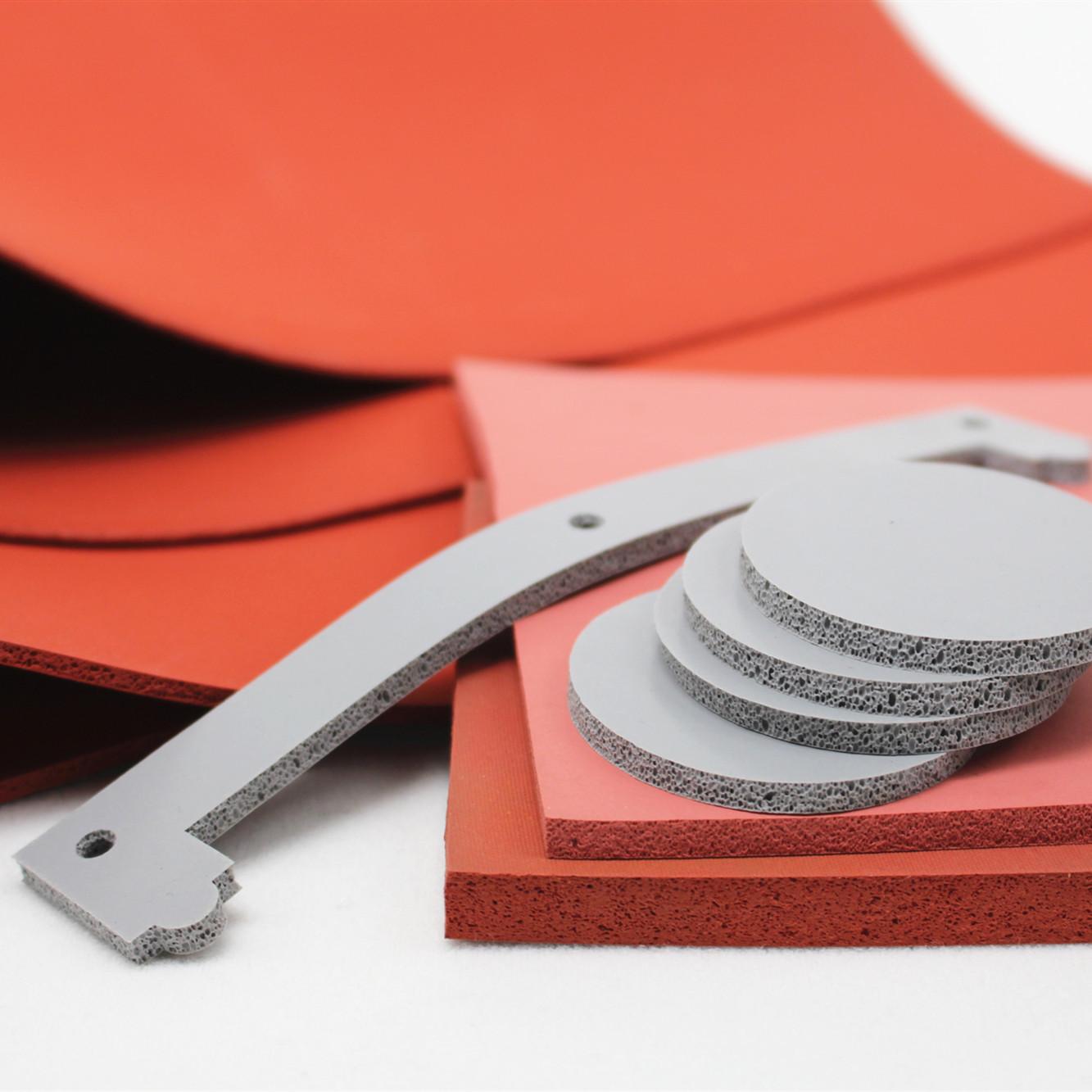 02
Gaskets, Washers & Pads
Solid silicone compounds for molded or fabricated gaskets, insulation pads and protective interfaces. Thickness, compression recovery, surface quality and die-cut or mold process should be reviewed together.
Gaskets · Washers · Insulation pads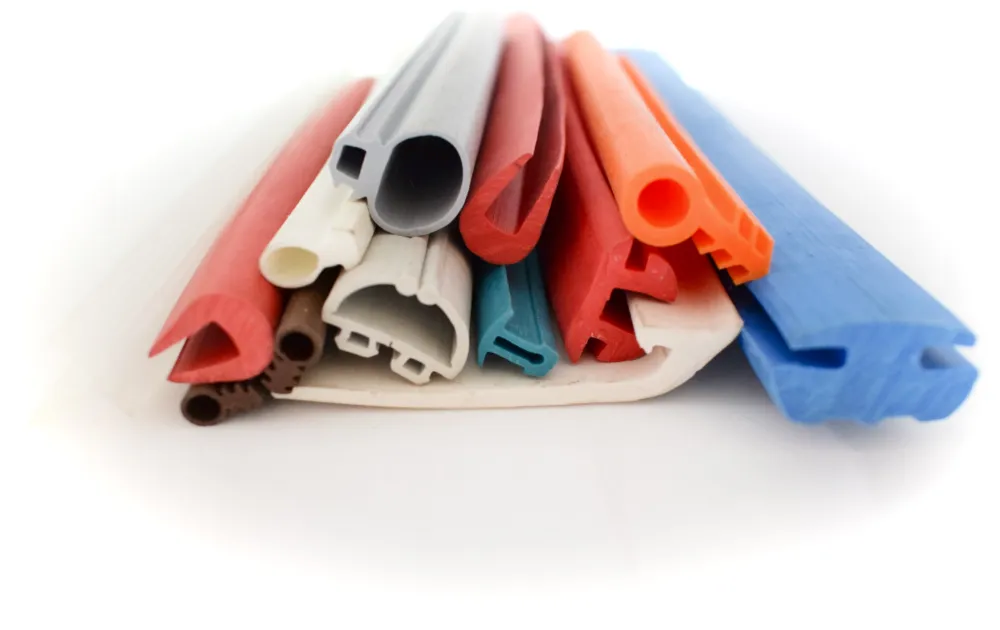 03
Extruded Silicone Profiles
HTV extrusion compounds for cords, tubes, sleeves, sealing strips and custom cross-sections. Key review points include extrusion stability, profile geometry, surface finish, dimensional tolerance and cure.
Extrusion · Profiles · Cords · Sleeves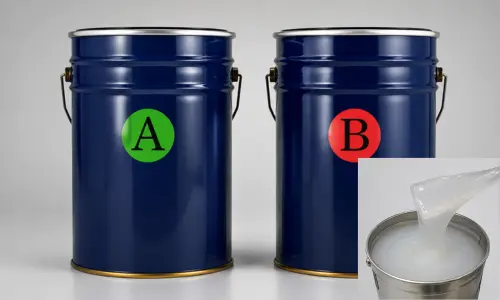 04
Precision LSR Molded Parts
Two-component LSR for valves, diaphragms, connector seals and complex molded parts. Evaluate mold filling, thin-wall behavior, cure speed, flash, demolding and repeatability in the actual production tool.
LSR · Precision injection · Complex geometry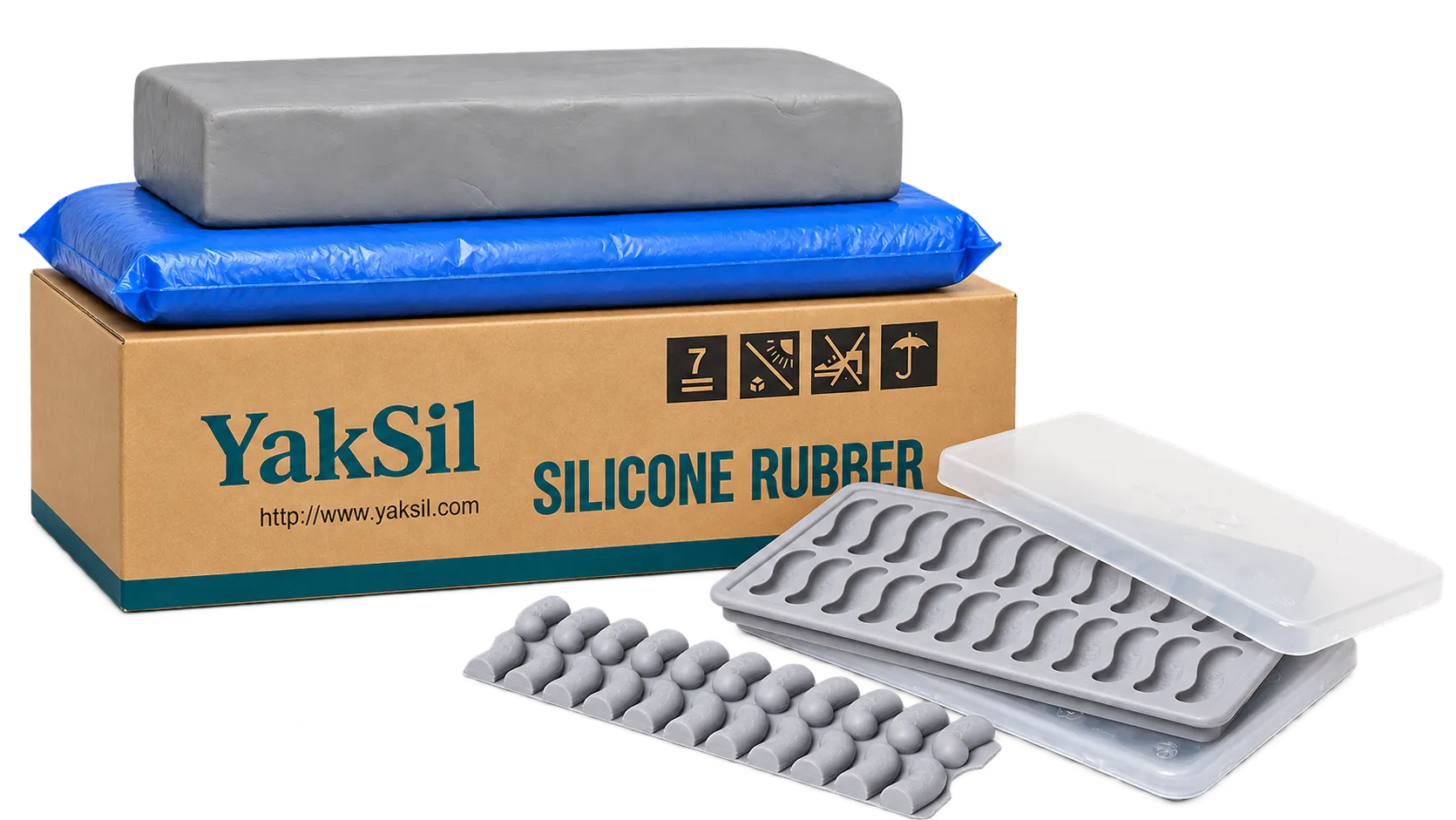 05
Sheets & Calendered Materials
HTV compounds for silicone rubber sheets, membranes, insulation pads and die-cut parts. Buyers should specify thickness, surface finish, color, tensile requirements and downstream cutting or lamination process.
Calendering · Sheet · Die cutting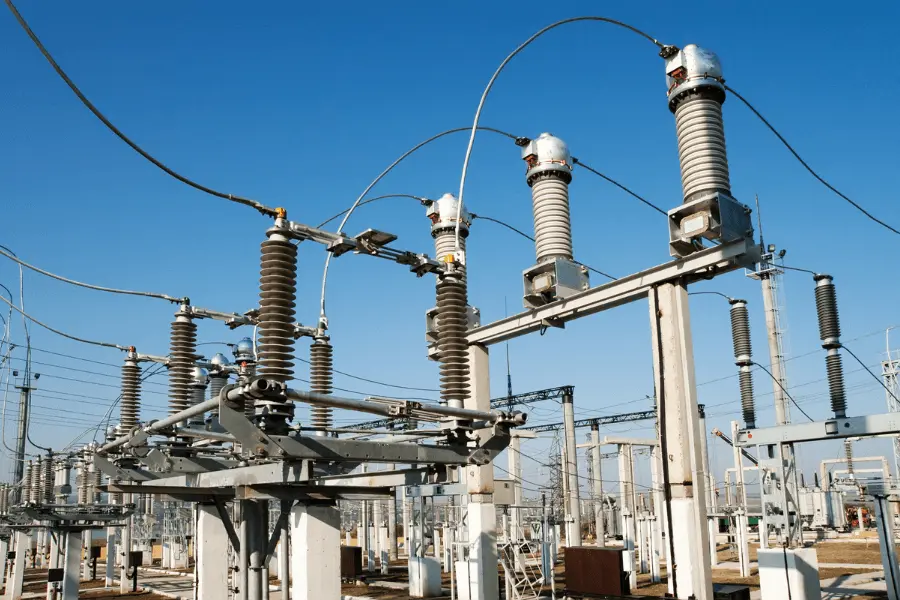 06
Electrical Silicone Components
Electrical-grade compounds for composite insulator housings, surge arrester parts, cable accessories and insulation components. Grade selection may involve dielectric strength, volume resistivity, tracking and erosion, hydrophobicity and aging.
Electrical insulation · Cable · Power equipmentStart with the Manufacturing Process.
The material must fit the production line as well as the finished part. Process choice affects compound handling, mold filling, extrusion stability, cure behavior, surface quality and production repeatability.
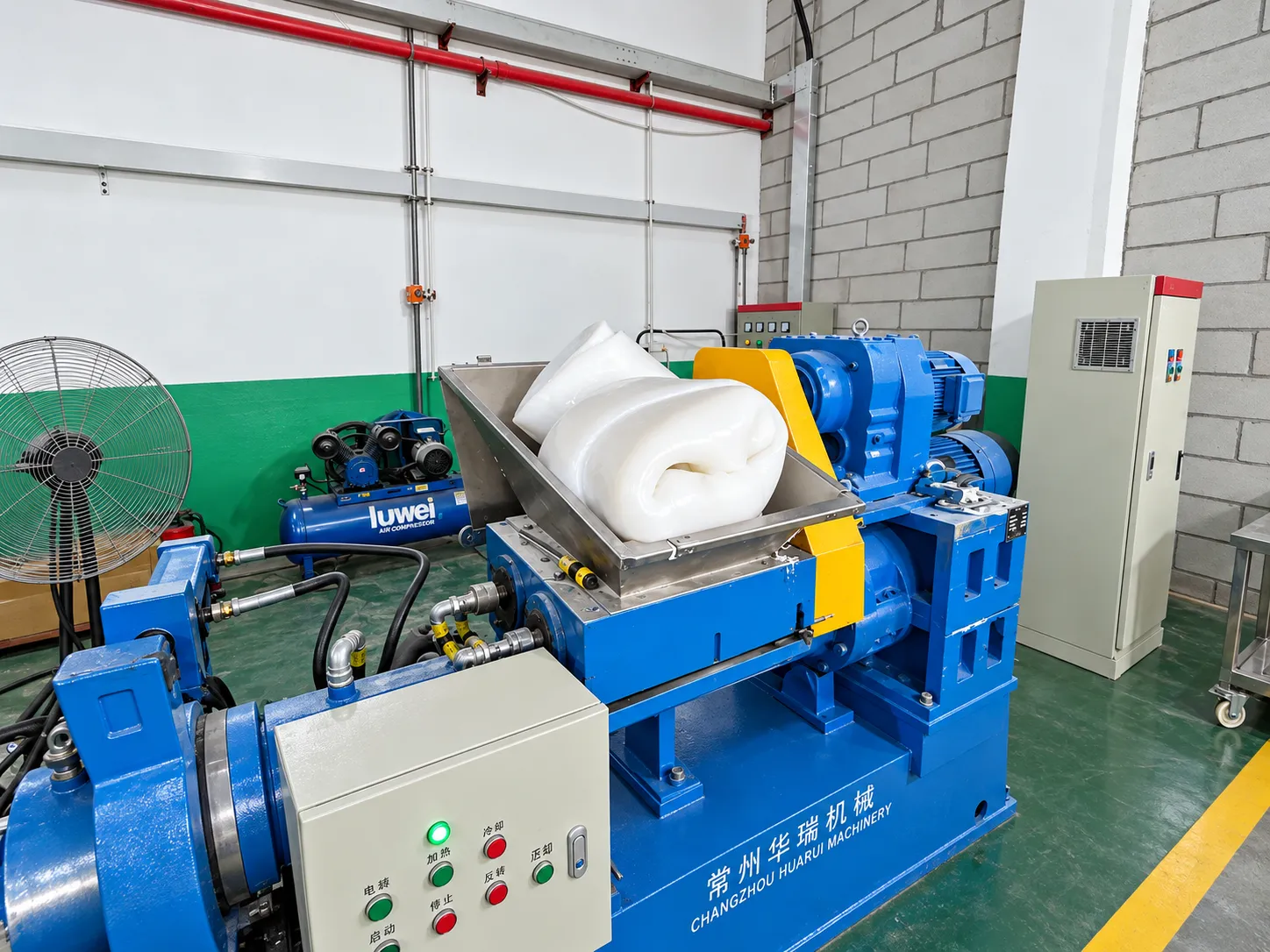
Compression Molding — HTV / HCR
Common for O-rings, gaskets, pads, buttons, keypads, caps and custom molded components. Review preform weight, compound plasticity, mold temperature, pressure, cure time, release behavior, flash and post-cure needs.
Transfer Molding — Selected HTV Grades
Used for selected technical components where material transfer and cavity filling must be controlled. Grade suitability depends on compound flow, tooling design, cure response and the machine setup.
Extrusion — Extrusion-Grade HTV
For continuous tubing, profiles, cords, sleeves, sealing strips and wire or cable-related products. Evaluate extrusion rate, profile stability, surface, dimensional tolerance, scorch safety and downstream curing.
Calendering — Sheeting HTV
For silicone rubber sheets, membranes and insulation pads. Material uniformity, thickness tolerance, surface finish, tensile properties and cutting performance are important purchasing criteria.
Liquid Injection Molding — LSR
For automated production of precision parts. A/B metering, mixing ratio, viscosity, injection pressure, mold temperature, venting, cure speed and demolding all influence cycle stability and part quality.
Quick Material Selection Matrix
Use this matrix to identify the first material family to evaluate. Final grade approval requires technical data review and a production trial.
| Production route | Starting material | Typical component | Critical checks |
|---|---|---|---|
| Compression molding | HTV / HCR | O-rings, gaskets, pads, buttons | Hardness, preform, cure, release, tear |
| Transfer molding | Selected HTV | Technical molded components | Flow, cavity filling, cure and tooling |
| Extrusion | Extrusion HTV | Tubing, profiles, cords, cable parts | Extrusion stability, dimensions, cure |
| Calandrage | Sheeting HTV | Sheets, membranes, insulation pads | Thickness, surface, tensile and cutting |
| Moulage par injection de liquide | LSR A/B | Precision seals, valves, diaphragms | Viscosity, mixing, mold filling, cure |
Silicone Rubber for Demanding Operating Environments.
Yakows material selection connects the compound to its application: electrical insulation requires a different property balance from a flexible automotive seal, a medical component or a food-contact molded product. The exact grade and compliance evidence must match the finished application and target market.
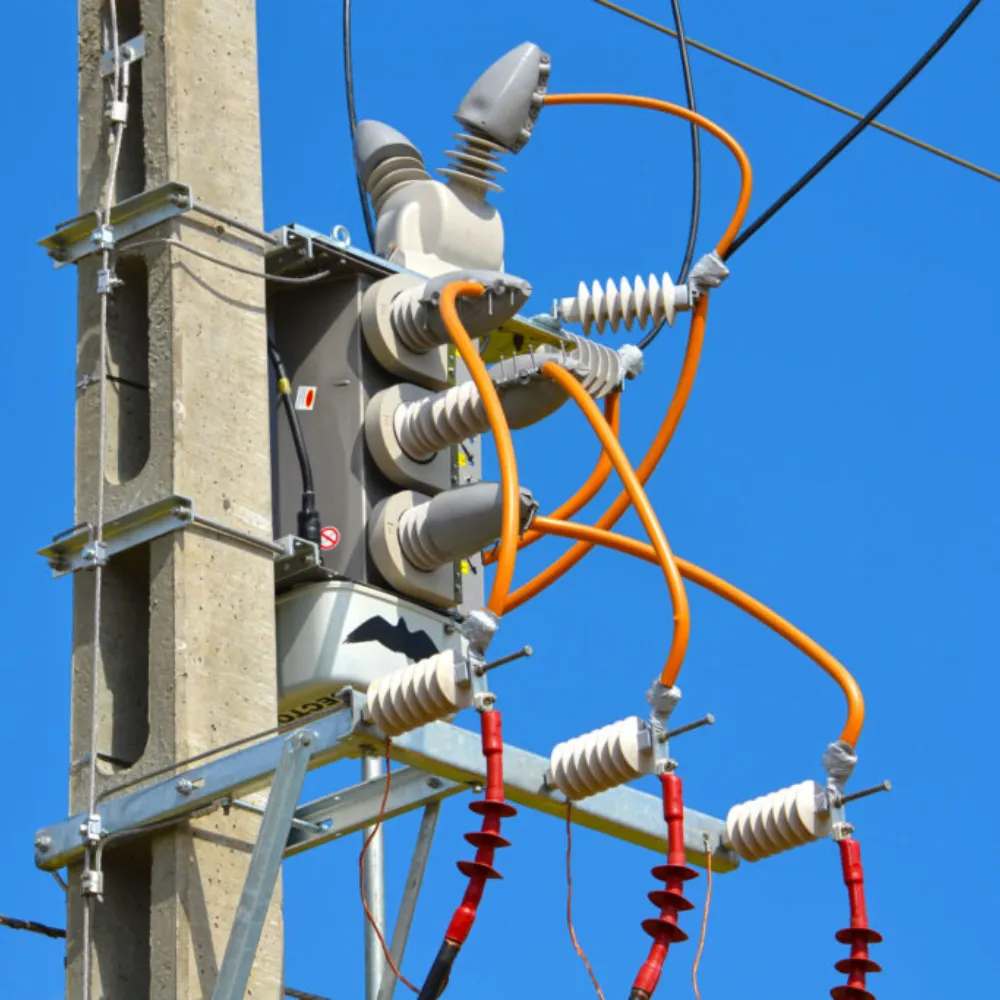
Composite Insulators & Electrical Insulation
HTV compounds for insulator sheds, housings and surge arrester components, with selection focused on dielectric behavior, tracking and erosion resistance, hydrophobicity and outdoor aging.
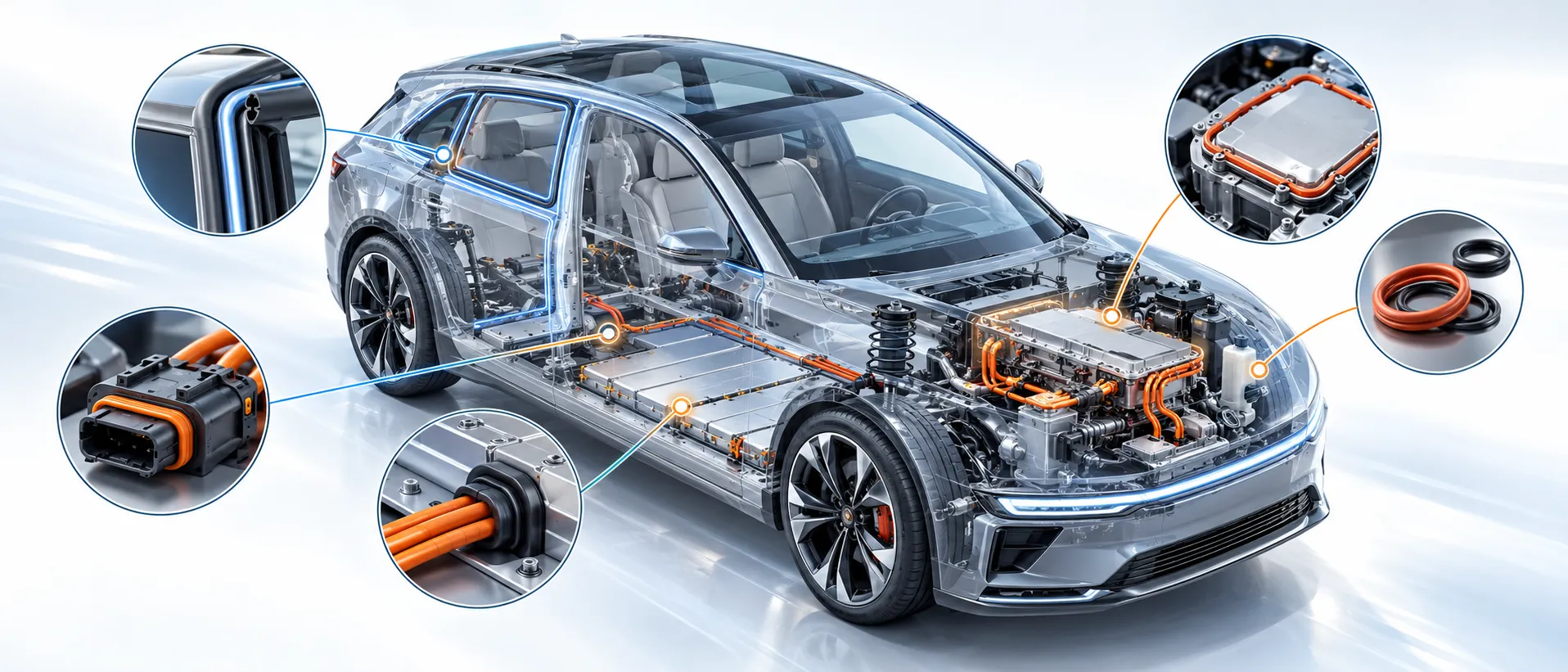
Automotive & New Energy
Seals, connector components, cable protection and electrical insulation parts.
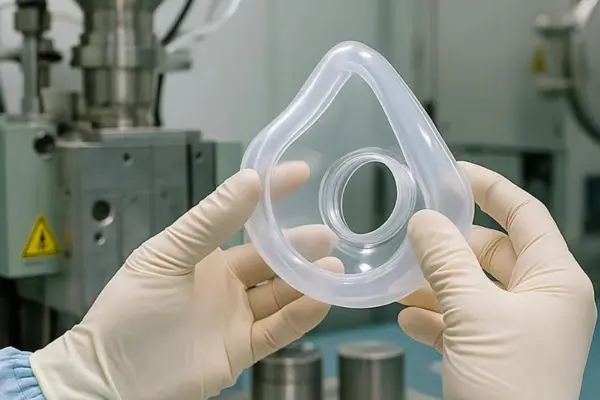
Medical Components
Selected materials for seals, tubing, masks, valves and molded parts, with grade-specific documentation.
Food-Contact Products
Selected HCR and LSR options for kitchenware, seals and molded consumer products.
Seals, Profiles & Molded Parts
General-purpose and performance HTV compounds for industrial components and equipment.
From Material Formulation to Repeatable Production.
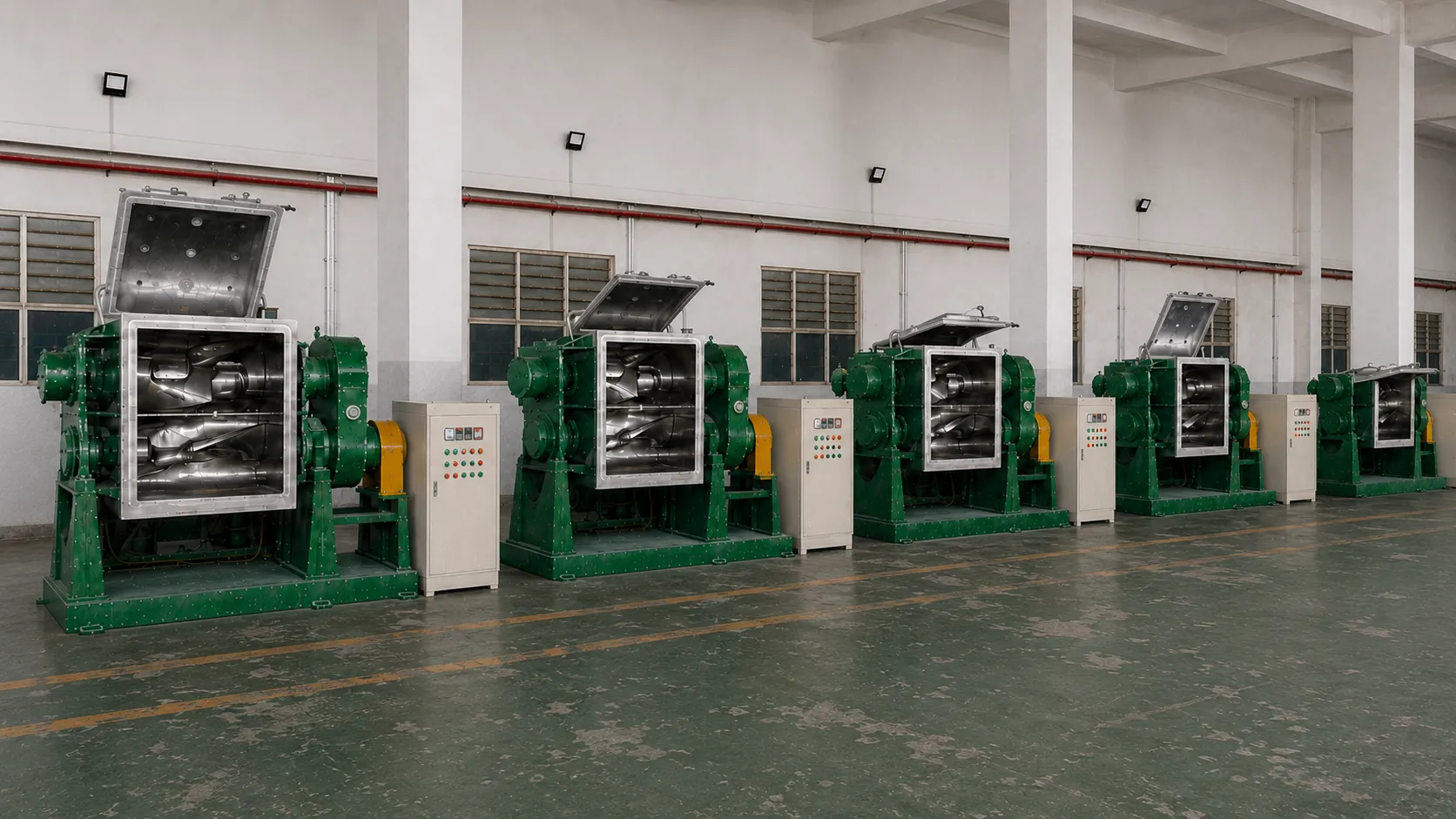
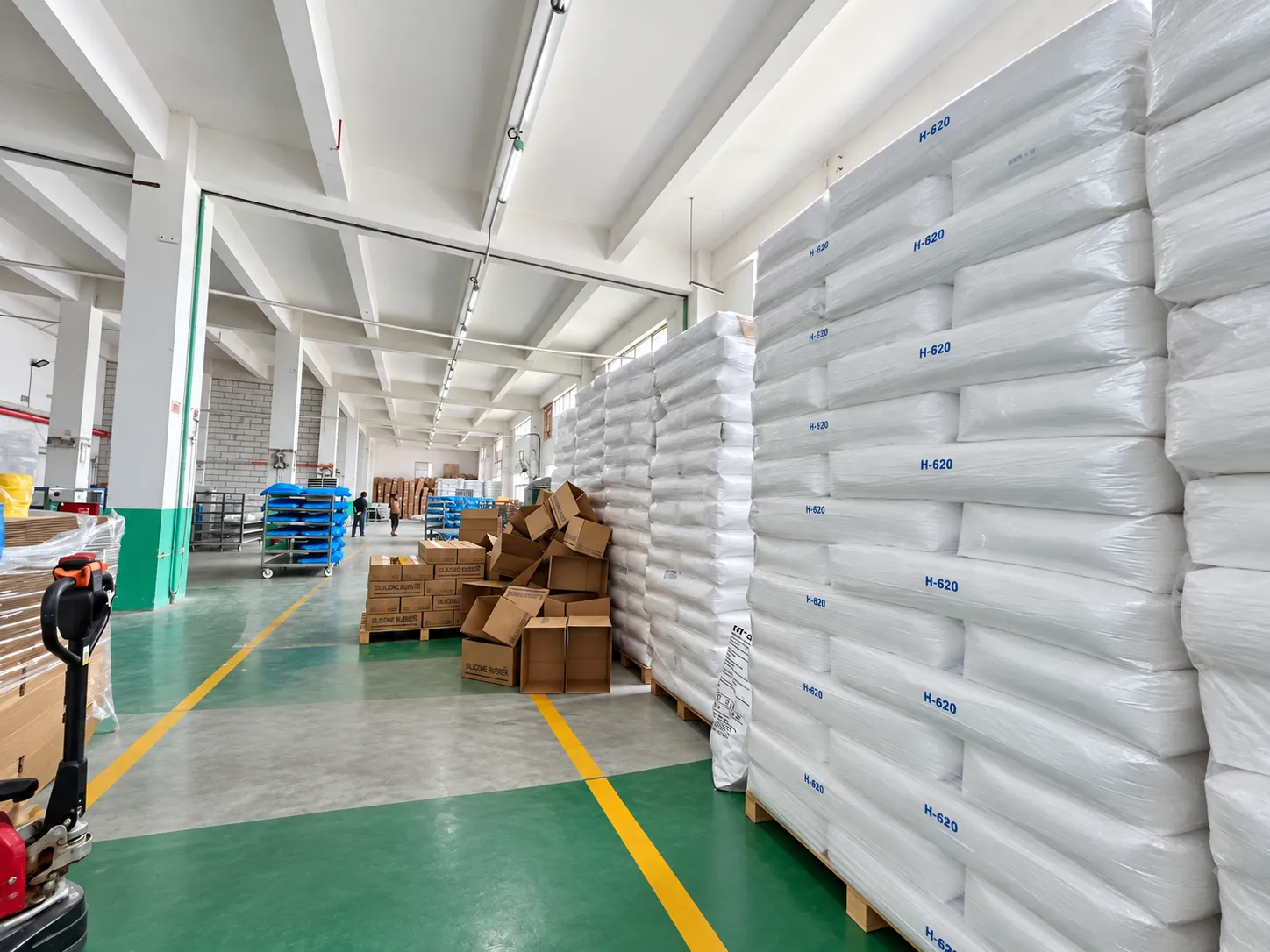
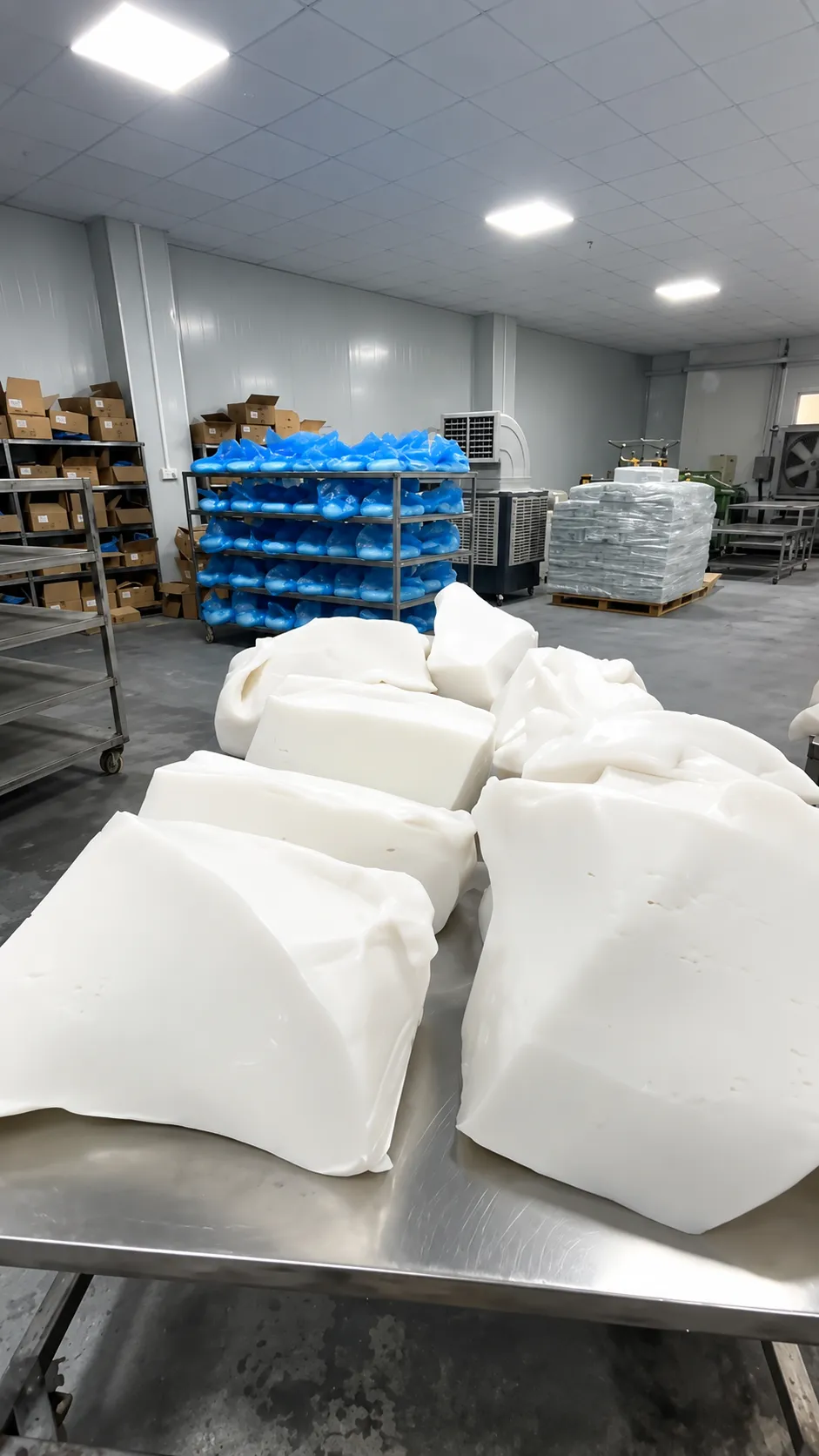
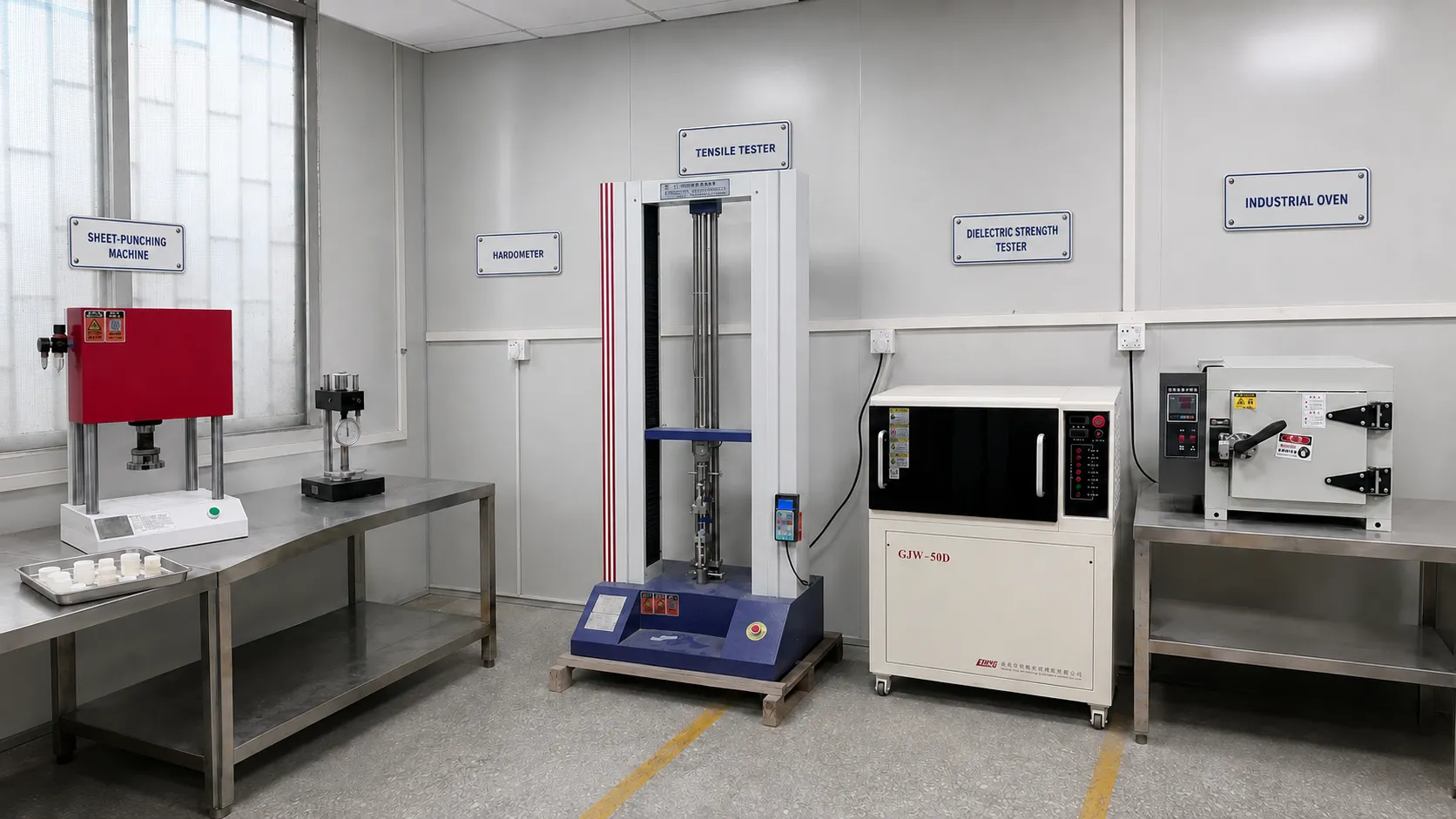
Yakows is a silicone rubber manufacturer based in Dongguan, China. Our manufacturing system connects formulation review, compound production, process control and laboratory verification. For industrial buyers, the objective is not simply to receive a sample, but to qualify a material that can be reproduced with consistent properties in recurring production.

Technical Purchasing Needs Measurable Material Data.
Material approval should be based on the properties relevant to the finished component, not a general product description. Yakows uses laboratory evaluation to support formulation development, sample comparison, production verification and grade-specific quality control.
Compliance and test documentation are grade- and application-specific. Request the current documents for the exact formulation and target market.
A Compound Should Be Specified Around Your Production Conditions.
A standard grade may be a suitable starting point, but some projects require a different balance of hardness, mechanical strength, cure response, electrical insulation, appearance or regulatory documentation. Yakows can review the current material, finished-part design and production conditions to discuss a suitable HTV / HCR or LSR direction.
From Material Inquiry to Repeat Supply
Questions from Silicone Rubber Buyers.
Answers for engineers, molders and purchasing teams comparing solid HTV / HCR compounds and liquid silicone rubber for industrial production.
What is the difference between HTV and HCR silicone rubber?
When should I choose HTV / HCR instead of LSR?
What hardness range can Yakows supply?
Which HTV silicone rubber is suitable for composite insulators?
Does every flame-retardant silicone grade meet UL 94 V-0?
Can HTV silicone rubber be used for extrusion?
Can Yakows customize hardness, color or material performance?
What technical documents can I request?
Can I request samples before placing a bulk order?
What information is needed for a silicone rubber quotation?
Tell Us What You Manufacture. We'll Help You Select the Material.
Send your component drawing, processing method, target hardness and performance requirements. Yakows can help review suitable HTV / HCR or LSR options, available technical documents, sample evaluation and production supply.
-
Caoutchouc silicone ignifuge
Lire la suite -
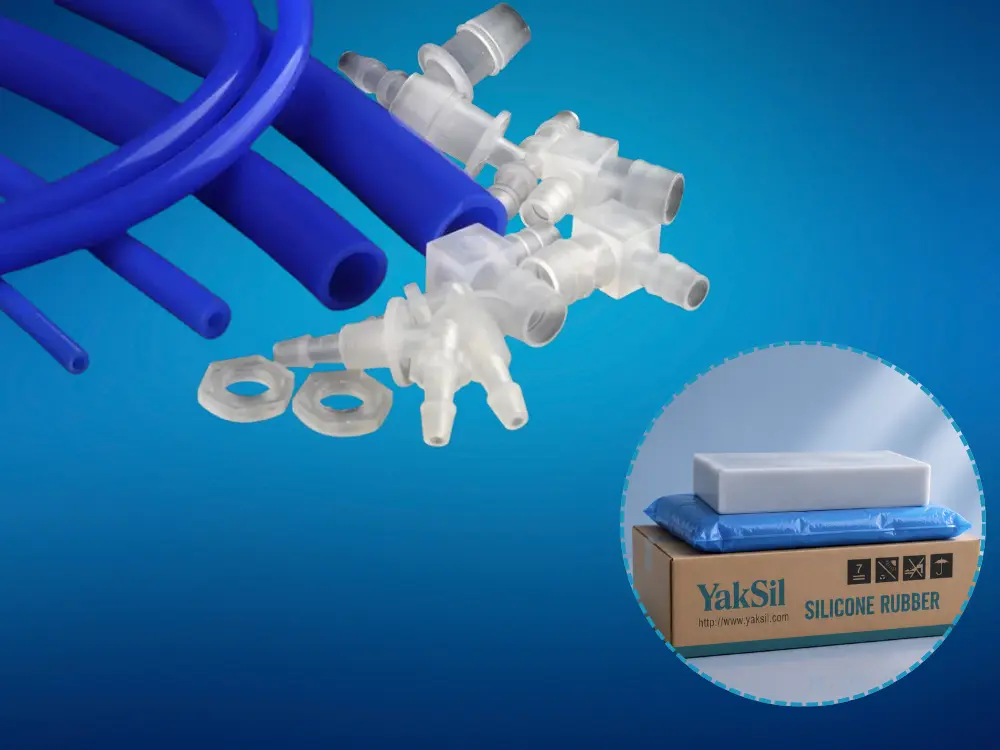
Composants en caoutchouc silicone de qualité médicale
Lire la suite -
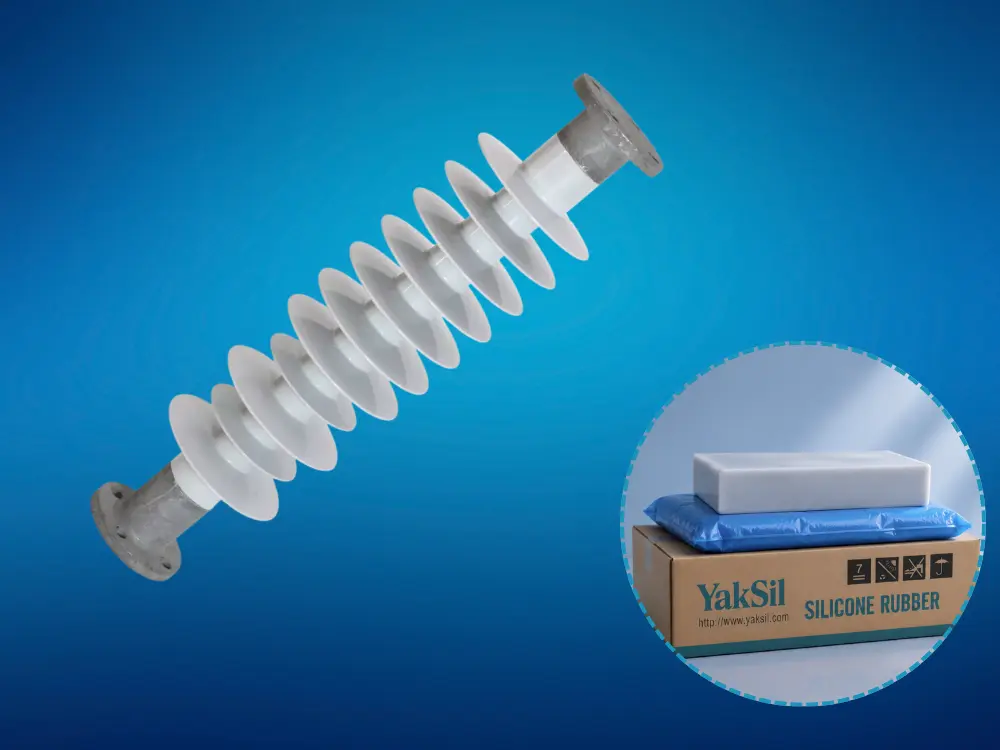
Caoutchouc silicone HTV pour isolateurs composites
Lire la suite -
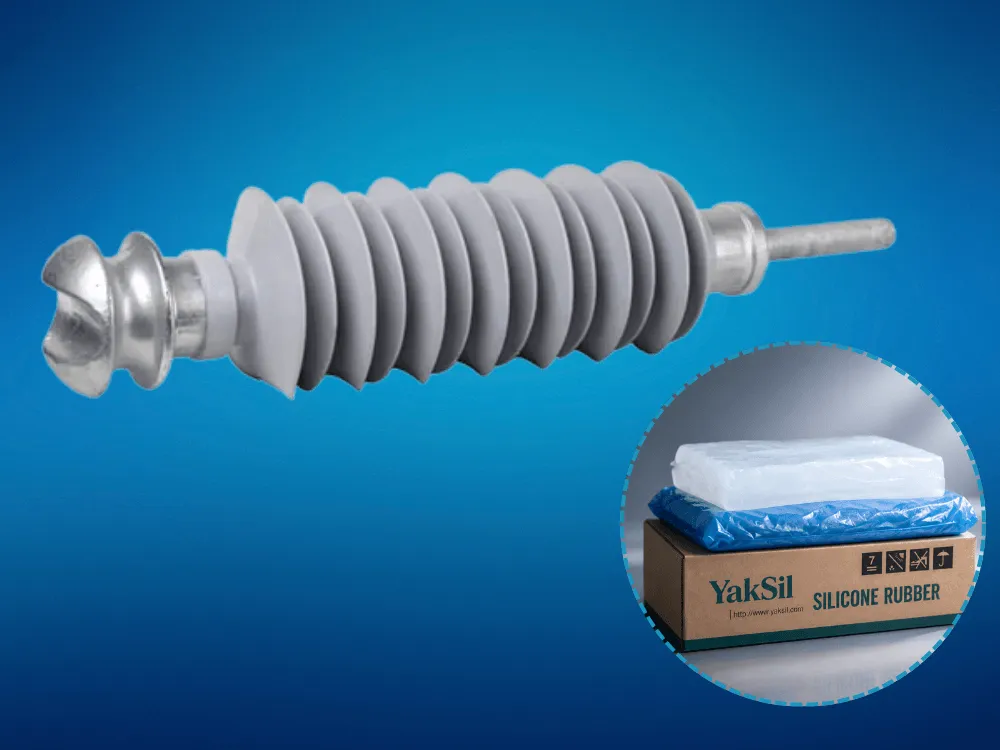
Caoutchouc silicone HTV pour isolateurs polymères
Lire la suite -
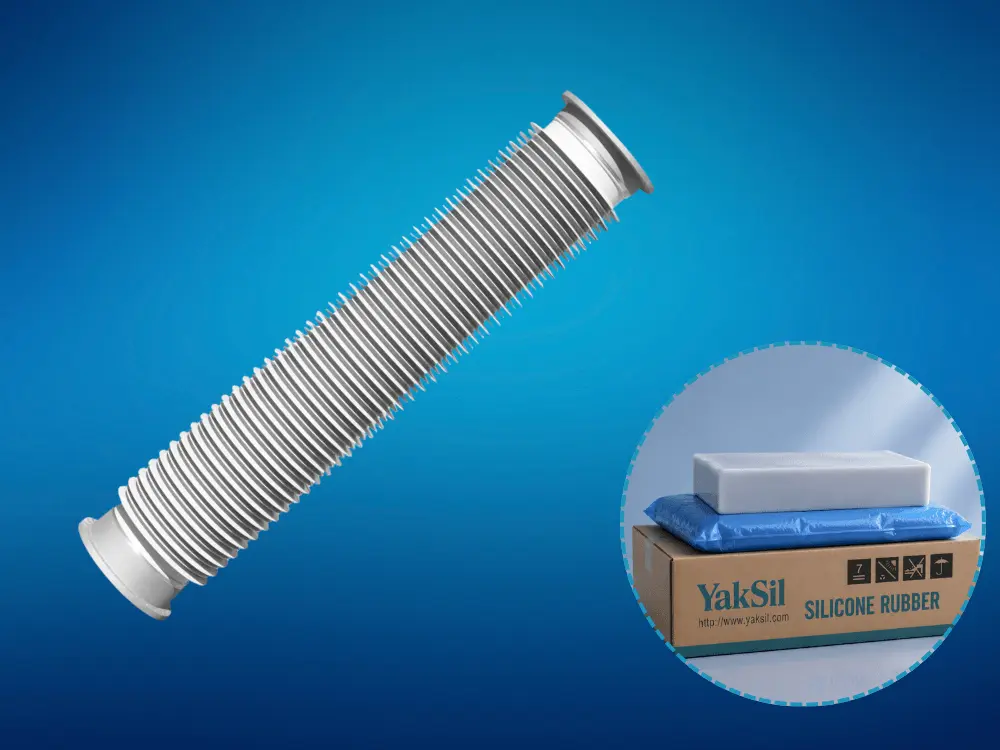
Caoutchouc silicone HTV pour isolateurs polymères à âme creuse
Lire la suite -
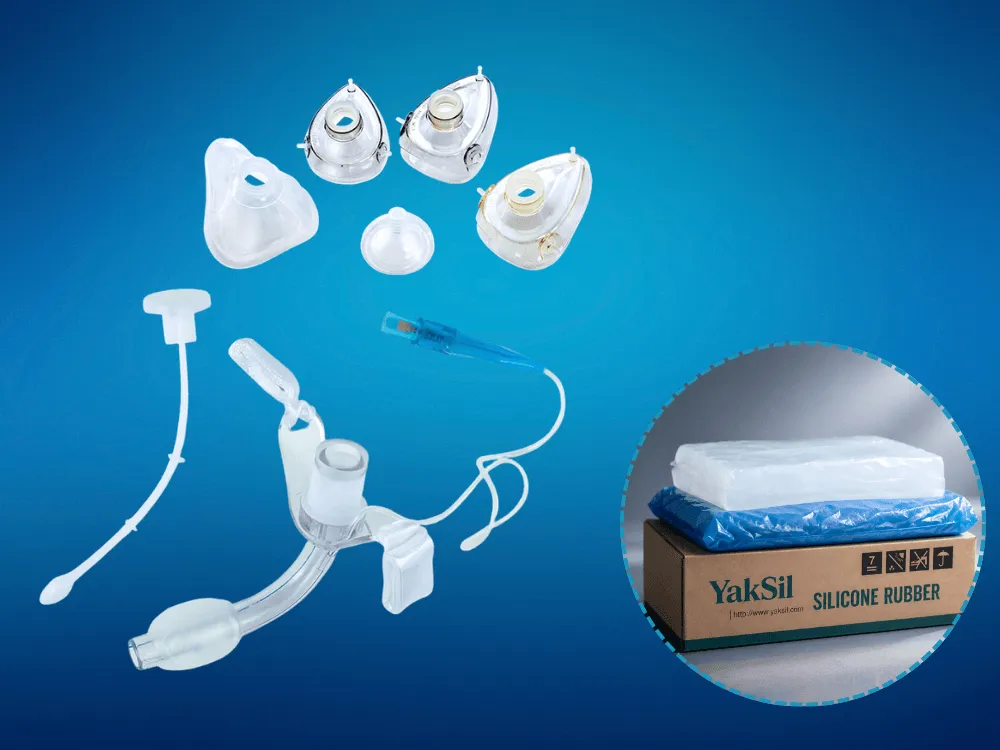
Caoutchouc silicone de qualité médicale HTV
Lire la suite -
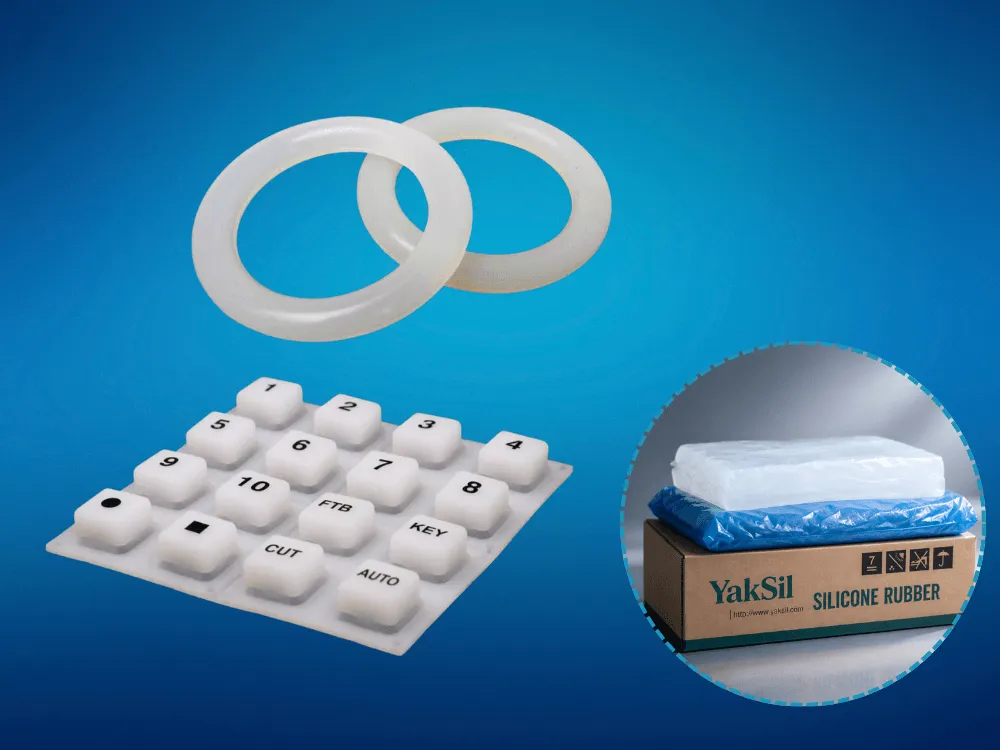
Caoutchouc silicone HTV hautement résistant au jaunissement, destiné au moulage
Lire la suite -
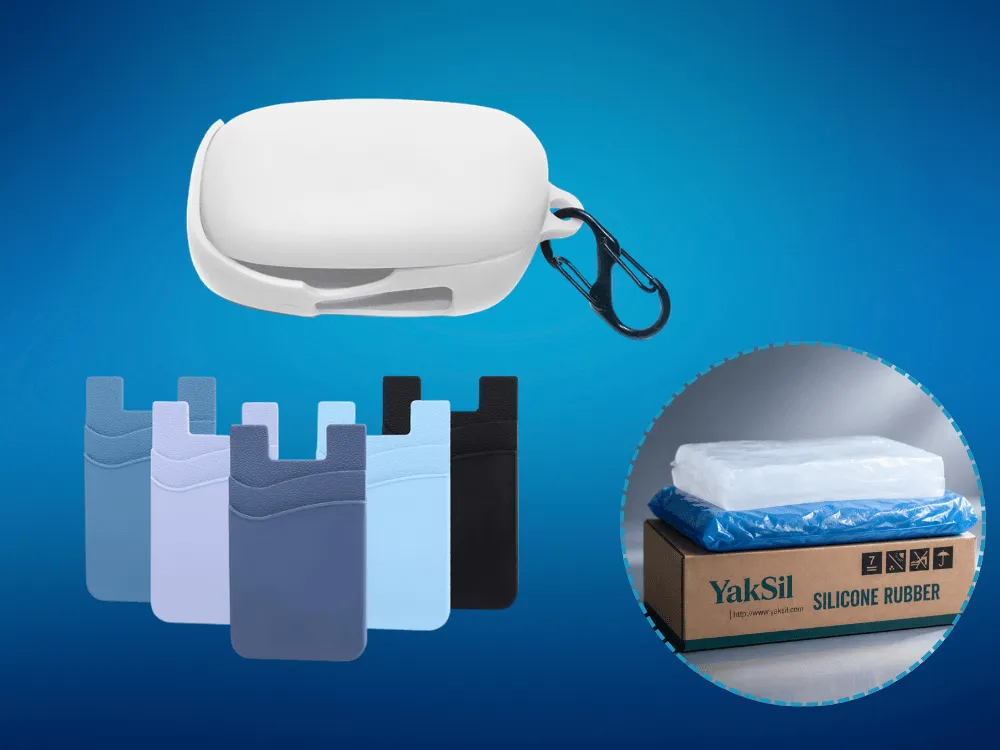
Silicone HTV - Caoutchouc silicone à haute résistance à la déchirure destiné au moulage
Lire la suite -
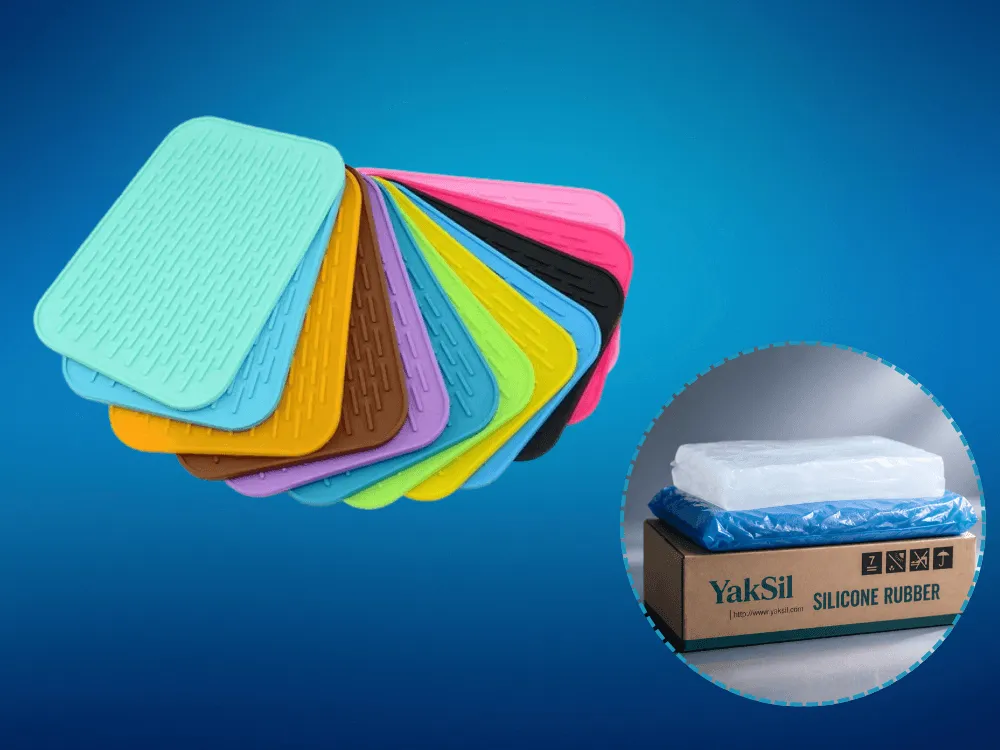
HTV Silicone - Caoutchouc silicone à usage général pour le moulage
Lire la suite -
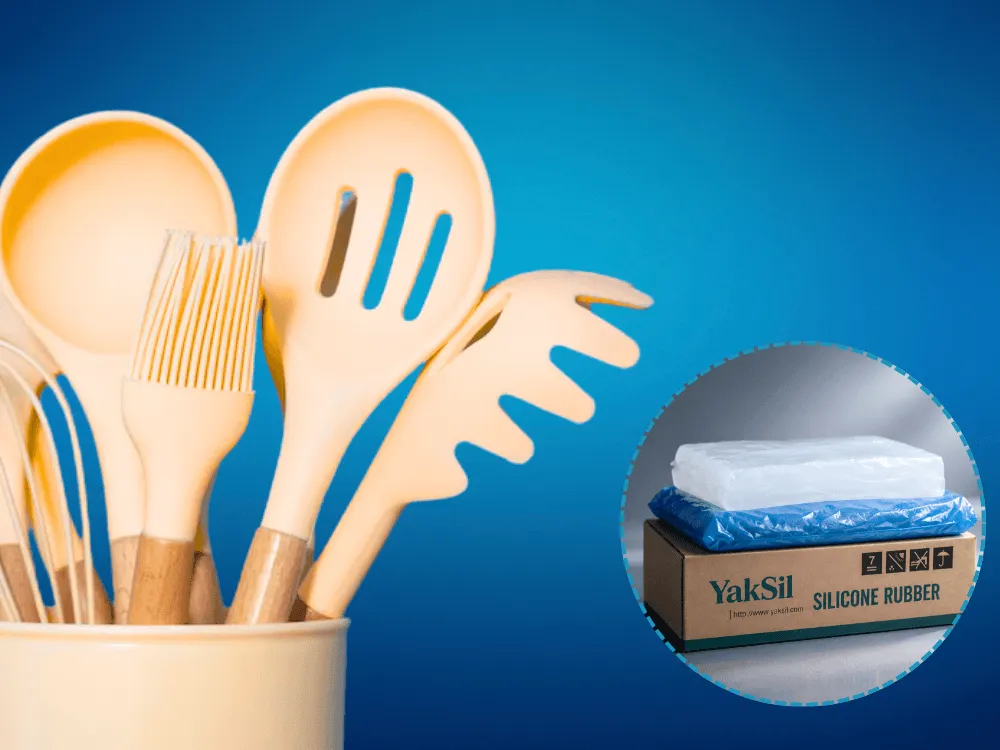
Silicone HTV - Caoutchouc silicone HCR de qualité alimentaire
Lire la suite -
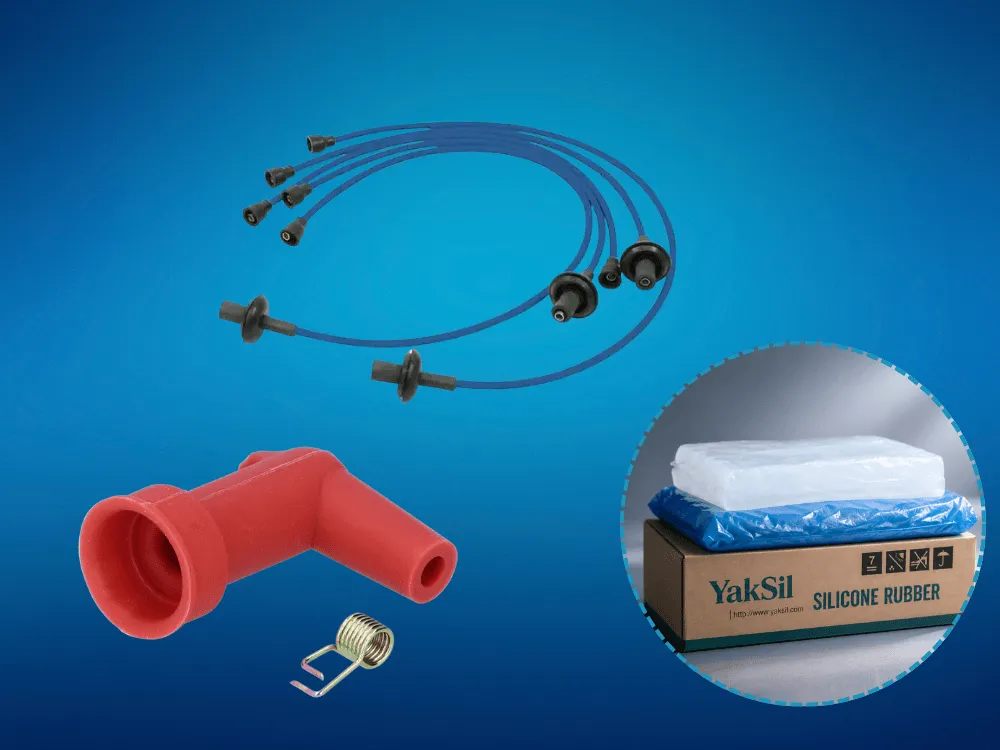
HTV Silicone - Caoutchouc silicone solide ignifuge
Lire la suite -
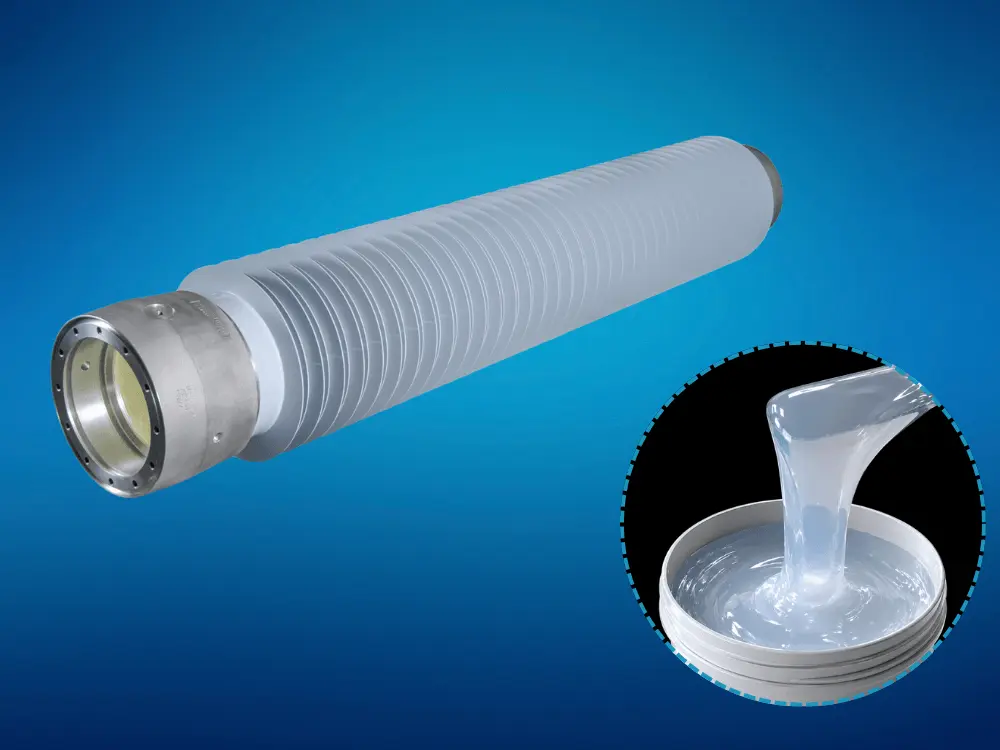
Caoutchouc de silicone liquide pour isolateurs composites à âme creuse
Lire la suite