Food Grade Silicone Rubber Manufacturer · HCR / HTV · LSR

Food Grade Silicone Rubber for Food-Contact Products

Yakows supplies solid HCR / HTV and liquid LSR silicone rubber for manufacturers of bakeware, kitchenware, baby feeding products, food-storage products, reusable drinkware and other food-contact silicone goods.

Food Grade HCR / HTV Food-Contact Applications Food-Contact LSR Platinum-Cure Options Custom Hardness & Color
Material inquiry: info@yakows.com
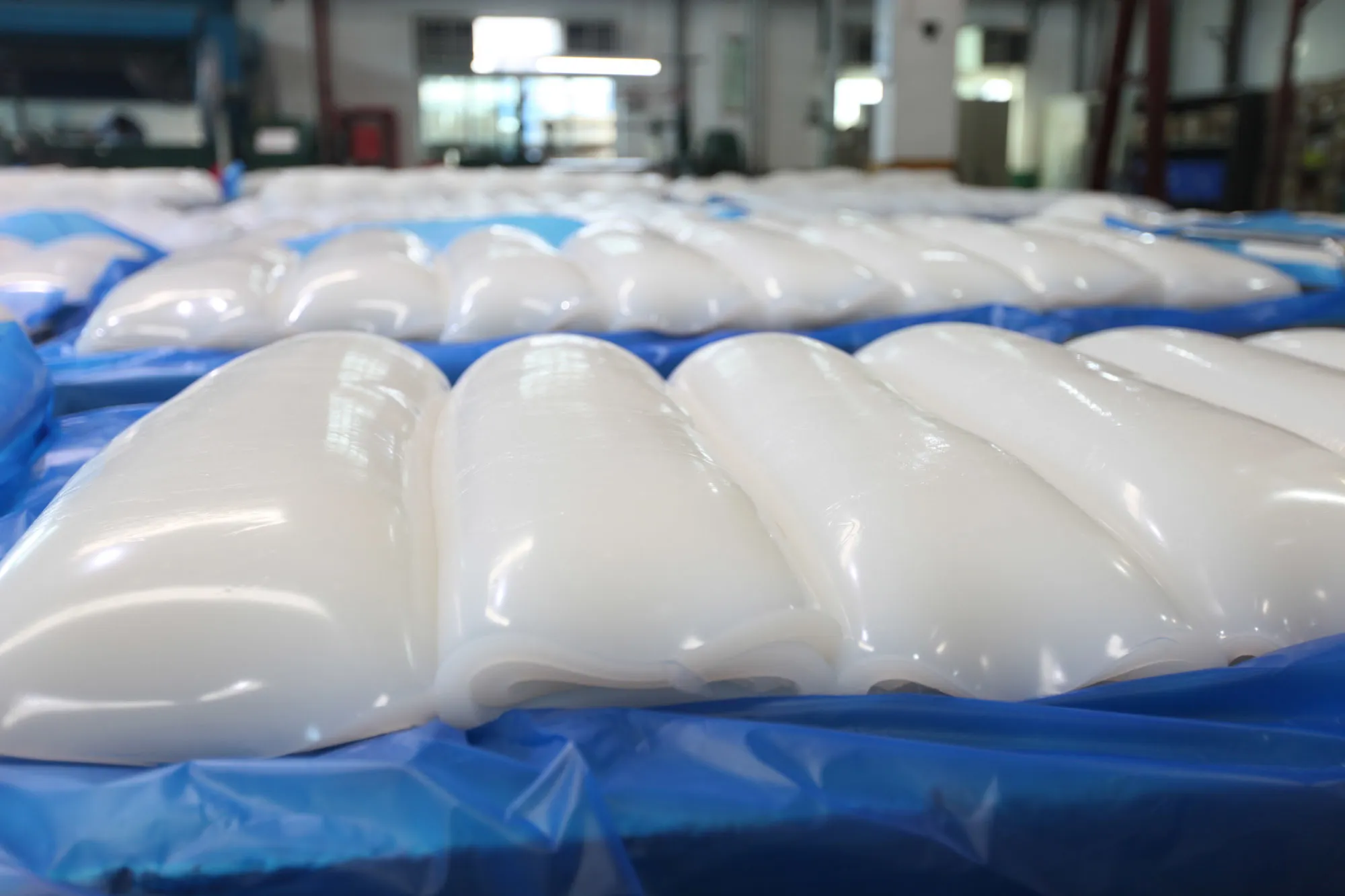
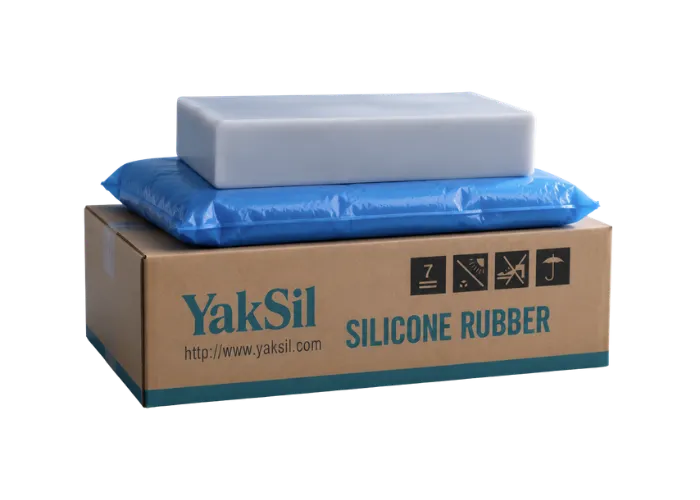
Yakows food grade silicone rubber raw material
Yakows Food Grade Silicone Products

Two Main Types of Food Grade Silicone Rubber

Yakows supplies both solid silicone rubber and liquid silicone rubber for food-contact manufacturing. Start with the material form your process requires, then select the hardness, cure system, mechanical properties, color and documentation for the finished product.

Food grade solid silicone rubber HCR HTV supplied by Yakows
Solid Silicone · HCR / HTV

Food Grade Solid Silicone Rubber

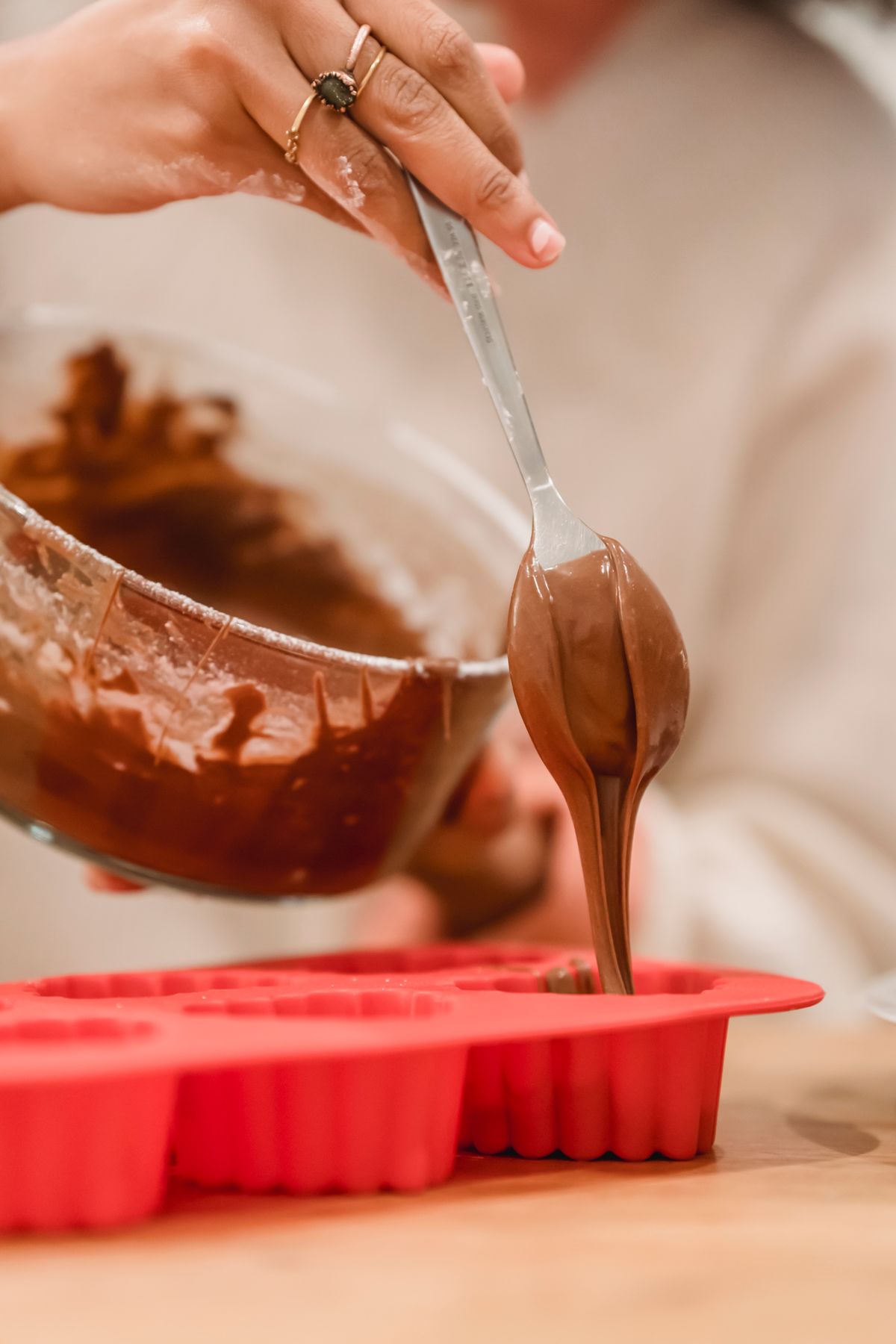
High-consistency food grade silicone rubber for molded consumer products that contact food. A practical choice for silicone bakeware, cooking utensils, food-storage components, ice trays, chocolate molds and other solid silicone kitchen products.

Material typeHCR / HTV solid silicone rubber
TraitementCompression molding · transfer molding
Selection focusHardness · tear · elongation · cure · odor · color · demolding
PersonnalisationHardness · color · processing behavior · application-specific performance
Buyer supportTDS · sample · grade-specific document review · quotation
Ask for Food Grade HCR / HTV →
Food grade liquid silicone rubber LSR supplied by Yakows
Liquid Silicone · LSR

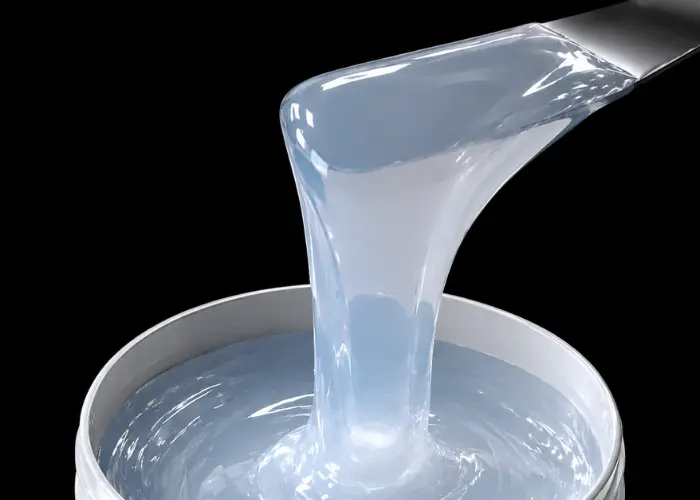
Food Grade Liquid Silicone Rubber

Two-component food-contact liquid silicone rubber for automated injection molding. Commonly selected for baby feeding products, soft-touch kitchen items, reusable drinking accessories and other precise or high-volume food-contact parts.

Material typeTwo-part liquid silicone rubber (LSR)
TraitementLiquid silicone injection molding
Selection focusViscosity · flow · cure speed · tear · transparency · surface quality
PersonnalisationHardness · color · flow · cure behavior · application-specific performance
Buyer supportTDS · trial material · grade-specific document review · quotation
Ask for Food Grade LSR →
Manufacturing Snapshot Built for stable silicone rubber supply

Solid HCR / HTV and liquid LSR material platforms

5,000 m²Dongguan production base
3,000 t / yearSilicone rubber production capacity
5 LinesFlexible production across silicone material systems
ISO 9001Quality management system
Start From the Finished Product

Tell Us What You Make. We Narrow Down the Food Grade Silicone.

For purchasing and engineering teams, “food grade silicone” is only the starting point. The useful answer is which material family fits your molding process, which properties should be prioritized, what can cause production problems and which documents should be checked for the exact grade.

Bakeware / KitchenwareLow odor · tear · demolding · heat aging
Food StorageFlexibility · repeated use · odor · color
DrinkwareSoft touch · appearance · repeated washing
Baby-Care PartsLow odor · transparency · tear · clean cure
Precision LSR PartsFlow · cure speed · thin-wall tear · flash control
Supplier ReplacementCurrent TDS · sample · defect · target price / supply
Fastest Way to Get a Useful Reply

Send 6 Things

Finished part, process, hardness, color, target market / documents and your main problem or current material. Yakows can then discuss a candidate material, sample, technical documents and quotation instead of sending a generic grade.

Food Grade Silicone Applications

Where Food Grade Silicone Is Actually Used

Yakows food grade HCR / HTV and LSR are selected around the finished food-contact product. The key questions are how the product is made, how soft it needs to be, how often it is heated or washed, and what appearance and documentation the buyer requires.

Food grade silicone baking molds and bakeware
Bakeware

Baking Molds & Baking Mats

For cake molds, bread molds, pastry mats and reusable baking accessories that repeatedly contact food and heat.

Typical material
Food grade HCR / HTV
Buyer focus
Low odor, easy demolding, tear resistance, heat aging and color stability
Food grade silicone kitchen utensils and cooking tools
Kitchenware

Spatulas, Spoons & Cooking Utensils

For flexible kitchen tools, handles and molded cooking accessories requiring repeated washing and heat exposure.

Typical material
Food grade HCR / HTV or LSR
Buyer focus
Surface finish, color, odor, flexibility, heat resistance and long-term feel
Food grade silicone baby feeding products
Baby Feeding

Baby Bowls, Spoons & Feeding Accessories

For soft-touch feeding products where appearance, odor, softness and repeated cleaning are important purchasing criteria.

Typical material
Food-contact LSR or selected HCR / HTV
Buyer focus
Softness, low odor, tear durability, color consistency and clean surface
Food storage container with food grade silicone components
Food Storage

Food Containers, Lunch Boxes & Lids

For reusable storage products and flexible container components that need repeated opening, washing and food contact.

Typical material
Food grade HCR / HTV or LSR
Buyer focus
Flexibility, fit, odor, staining resistance, color and dishwasher-use requirements
Silicone ice cube tray and frozen food mold application
Frozen Food

Ice Trays & Frozen-Food Molds

For reusable ice, dessert and frozen-food molds that rely on flexibility and clean release at low temperature.

Typical material
Food grade HCR / HTV
Buyer focus
Low-temperature flexibility, demolding, tear resistance, odor and color stability
Reusable food grade silicone drinking and beverage accessories
Drinkware

Cups, Bottle Accessories & Reusable Drinking Parts

For reusable beverage products and soft components where clean appearance, repeated washing and comfortable touch matter.

Typical material
Food-contact LSR or HCR / HTV
Buyer focus
Odor, transparency or color, softness, surface quality and repeated-use durability
Food Grade Silicone Selection Matrix

Choose by Process + Performance, Not by “Food Grade” Alone

A useful supplier conversation should move from application to process, then to properties and documentation. This matrix helps purchasing teams identify the right starting material before asking for samples.

RequirementBest Starting MaterialÉléments à évaluerApplications typiquesWhat to Ask Yakows For
Compression-molded food productsFood grade HCR / HTVHardness, tear, demolding, cure, odor, colorBakeware, ice trays, kitchen utensils, food containersCandidate grade + TDS + sample
Soft-touch reusable productsFood grade HCR / HTV or LSRHardness, feel, odor, color, tear, repeated washingBowls, cups, lids, utensils, reusable accessoriesMaterial recommendation + sample
High-volume liquid injection moldingFood-contact LSRViscosity, flow, cure speed, tear, surface quality, transparencyBaby feeding products, soft kitchen parts, drinkware componentsLSR option + TDS + trial material
Low odor / appearance sensitiveSelected platinum-cured HCR or LSROdor, volatile target, post-cure, yellowing, transparencyPremium kitchenware, baby-care, visible partsLow-odor / anti-yellowing direction + document check
Thin or tear-prone product designHigh-tear food-contact formulationTear strength, elongation, demolding and part geometryThin-wall molds, soft utensils, flexible food-contact productsHigh-tear candidate + real-part trial
Replace existing supplierMatched HCR / HTV or LSRCurrent TDS, processing behavior, part result, cost / supply targetAny established mass-production projectMaterial matching review + sample comparison
If you already have an approved silicone, send the current TDS and one sample or finished part. Matching only Shore A is rarely enough; cure behavior, tear, elongation, appearance, compression behavior and processing can all change production results.
Processing Guide

What Changes When You Mold, Extrude or Inject Silicone?

Food-contact performance starts with a material that runs consistently in the real production process. Yakows can discuss the material together with molding conditions, cure behavior, post-cure needs and finished-part requirements.

01 / SOLID SILICONE

HCR / HTV Compression Molding

Common for bakeware, ice trays, kitchen utensils and many molded food-contact consumer products.

  • Material questions: hardness, tear, cure system, odor and color
  • Process questions: mold temperature, cure time, venting, release and post-cure
  • Watch for: sticking, tearing, odor, under-cure and yellowing
  • Send us: part photo or drawing, wall thickness, hardness and current molding condition
02 / LIQUID SILICONE

LSR Injection Molding

Suitable for automated production of soft, precise and repeatable food-contact silicone products.

  • Material questions: viscosity, flow, hardness, cure speed, tear and transparency
  • Process questions: mold temperature, injection conditions, venting and cycle target
  • Watch for: incomplete fill, sticking, flash, cure inhibition and surface defects
  • Send us: part drawing, target hardness, appearance requirement and molding condition
03 / LIQUID INJECTION

Food-Contact LSR Injection

Best suited to automated precision production where metering, mixing and mold filling must be repeatable.

  • Material questions: viscosity, flow, cure speed, tear and transparency
  • Process questions: A/B metering, injection, mold temperature, cold runner and gating
  • Watch for: cure inhibition, short fill, flash, sticking, cavity imbalance
  • Send us: part drawing, shot weight, hardness, machine / mold information
Production Troubleshooting

Food Grade Silicone Can Still Fail in Production

The “food grade” label does not solve molding or cure problems. When you send the defect plus the process condition, Yakows can review whether the issue is more likely related to material selection, cure, contamination, geometry or processing.

Problem 01

Odor After Molding or Heating

Review: cure completeness, curing system, part thickness, post-cure, oven ventilation and contamination. A lower-odor formulation may help, but process conditions must be checked together with the material.

Problem 02

Yellowing or Poor Transparency

Review: formulation, cure system, pigment compatibility, heat exposure, contamination and post-cure. Appearance-sensitive products may need an anti-yellowing or cleaner-curing material direction.

Problem 03

Tearing During Demolding

Review: tear strength, elongation, hardness, undercuts, wall thickness, mold surface and cure level. A stronger grade cannot compensate for every geometry issue, so part design and material should be reviewed together.

Problem 04

Platinum-Cure Inhibition / Sticky Surface

Review: sulfur, amine, organotin, incompatible pigment, release agent, contaminated tools or other inhibitor sources. Cure inhibition should be isolated before simply increasing cure time or temperature.

Problem 05

Product Becomes Too Hard After Repeated Heating

Review: heat-aging requirement, formulation, cure and post-cure condition, service temperature and repeated-use cycle. The original Shore A value alone does not predict long-term feel.

Problem 06

Food or Color Stains the Silicone Surface

Review: surface finish, pigmentation, cure condition, cleaning method and the type of food contact. Send the real staining condition so material and processing factors can be reviewed together.

How to Read a Food Grade Silicone TDS

Technical Data Should Answer a Manufacturing Question

A TDS is useful when each property is connected to the finished part and process. Two compounds with the same hardness can have very different tear, elongation, compression behavior or processability.

Shore A HardnessControls feel, deformation and part stiffness.Important for baby feeding products, utensils, cups and soft molded products.
Résistance à la tractionIndicates resistance to being pulled apart.Useful for parts under stretching or load, but should not be judged alone.
Allongement à la ruptureShows how far the cured silicone stretches before failure.Important for flexible parts, demolding and repeated flexing.
Résistance à la déchirureIndicates resistance to crack growth from an edge or notch.Critical for thin edges, baking molds, soft utensils and difficult demolding.
Déformation rémanente après compressionShows how much deformation remains after compression.Useful when food-storage lids or reusable products must keep their shape after repeated compression.
DensitéUseful for material identification, weight and formulation comparison.Often used together with other properties for incoming QC.
Cure SystemPeroxide or platinum-based curing can affect process, odor and post-cure needs.Confirm the exact grade and process route before approval.
Volatile / Extractable RequirementsMay matter for food-contact programs depending on market and test scope.Should be tied to the selected grade, cure condition and requested standard.
Food Contact Compliance Support

Match the Document to the Exact Yakows Grade

U.S. Projects

For repeated-use rubber articles, buyers commonly reference FDA 21 CFR 177.2600. Ask for the supporting information applicable to the exact food-contact silicone grade being evaluated.

Germany / EU

LFGB-related customer requirements and BfR Recommendation XV are common reference points for silicone food-contact programs. The requested test scope should be confirmed before material approval.

Selected HCR

Food grade HCR / HTV can be discussed for molded food-contact products, with document availability checked for the exact formulation and target market.

Selected LSR

Food-contact LSR can be matched to precision and high-volume molding projects where flow, clean processing and repeatability are important.

Final Article

Finished-part conditions such as contact temperature, time, food type, part thickness, cure and post-cure can affect how a food-contact result is evaluated.

What to Request Before Approval

Build the Qualification Package Around the Grade You Will Buy

For B2B purchasing, avoid relying on a generic “food grade” logo. Ask for the technical and compliance documents associated with the exact material being quoted and sampled.

  • Grade-specific TDS with key physical and processing information
  • SDS for material handling and procurement review
  • COA or batch quality information where applicable
  • Applicable food-contact test report or compliance document for the selected grade
  • Sample identification matching the grade under evaluation
  • Confirmed color, hardness, cure system and packaging before repeat purchasing
Supplier Replacement & Material Matching

Already Using Food Grade Silicone? Start from What Works Today.

If the current silicone is technically approved but you need another supplier, lower MOQ, better communication, more stable supply or a processing improvement, the fastest route is a controlled side-by-side comparison rather than choosing a new material from zero.

01

Baseline the Existing Material

Review current TDS, hardness, cure system, key physical properties, documents and finished-part results.

02

Define What Must Stay the Same

Separate critical requirements from preferences: process window, appearance, tear, softness, odor, compliance and customer approvals.

03

Trial a Candidate Yakows Material

Run the sample on the same HCR molding or LSR injection equipment and compare finished parts under real production conditions.

04

Approve the Purchasing Specification

Lock the selected grade, color, hardness, document package, packaging and commercial terms before repeat supply.

Yakows silicone rubber production facility
Yakows Manufacturing & Quality Verification

From Material Selection to Batch-Controlled Supply

Yakows supplies both solid silicone (HCR / HTV) and liquid silicone (LSR), supported by in-house laboratory testing for formulation comparison, process verification and quality control. For food-contact projects, the objective is to connect the selected material, sample result and purchasing specification before routine supply.

20+ YearsTechnical team experience in silicone materials and manufacturing
1,000+ Overseas ClientsInternational B2B project support
HTV / HCR + LSRSolid and liquid silicone platforms
Batch TraceabilityProduction and quality tracking within the manufacturing system
Dureté du rivageGrade and consistency verification
Tensile & ElongationMechanical-property comparison
Résistance à la déchirureResistance to crack propagation
Déformation rémanente après compressionSealing and recovery evaluation
Cure BehaviorVulcanization and processing review
Heat AgingProperty changes after elevated-temperature exposure
Sample to Production

A Practical Qualification Path for Food Grade Silicone

For procurement, a good sample is not the final goal. The objective is a material that runs on your actual process, produces an acceptable finished part and can be purchased repeatedly with the same agreed specification.

STEP 01

Application Review

Finished part, process, hardness, market, performance and current problem.

STEP 02

Candidate Grade

Match a suitable solid silicone (HCR / HTV) or liquid silicone (LSR) grade plus relevant documents.

STEP 03

Sample Trial

Run the candidate on the real mold, line or injection process whenever possible.

STEP 04

Finished-Part Check

Evaluate cure, odor, appearance, dimensions, tear, softness and finished-product feel.

STEP 05

Approve Supply

Confirm grade, color, hardness, documents, packaging, MOQ and order schedule.

What a Serious Buyer Should Get

More Than a Price per Kilogram

For a food-contact silicone project, the useful supplier output is a complete material-evaluation package. These are the items worth confirming before you compare quotations only by price.

01 Material Direction

Whether solid silicone (HCR / HTV) or liquid silicone (LSR) is the right starting point, then which candidate grade fits the finished part and production route.

02 Grade-Specific TDS

Technical data for the actual formulation under evaluation, not a generic silicone brochure.

03 Sample for Real Trial

Enough material to confirm cure, HCR molding or LSR injection behavior on your equipment.

04 Document Check

SDS, COA and applicable food-contact documentation matched to the selected grade and market.

05 Commercial Confirmation

Price, packaging, MOQ, customization and lead time confirmed for the exact material.

06 Repeat-Supply Specification

Agreed grade, color, hardness and key quality expectations that purchasing can reference for repeat orders.

Send the Part + Process + Requirement. Get a More Useful Food Grade Silicone Recommendation.

Attach a drawing, current TDS, sample photo or production-problem photo if available. Yakows can discuss material direction, grade-specific documents, trial material and quotation by email.

Email Your RFQ
Food Grade Silicone FAQ

Questions Purchasing and Engineering Teams Ask

The answers below focus on material selection, production and qualification rather than generic consumer information.

Does Yakows supply both food grade HCR / HTV and food-contact LSR?

Yes. Yakows supplies solid HTV/HCR silicone rubber and liquid silicone rubber platforms. The right starting material depends on the finished part and processing route: compression or transfer molding normally starts from HCR/HTV, while automated liquid injection molding uses LSR.

What is the difference between food grade silicone rubber and ordinary silicone rubber?

Food-contact projects require a suitable formulation plus the supporting documentation and processing conditions needed for the intended market and finished article. A general silicone compound should not automatically be treated as food-contact material just because it has similar hardness or color.

Which food grade silicone is best for baking molds?

Compression-molded baking molds commonly start from food grade HCR/HTV. Important selection points include hardness, tear strength, demolding, low odor, heat aging and color stability. Thin or highly detailed molds may benefit from higher tear performance.

Should I use HCR / HTV or LSR for a food-contact product?

HCR / HTV is a common starting point for compression-molded bakeware, kitchenware and other solid silicone products. LSR is usually considered when the product uses automated liquid injection molding, needs precise filling, a clean surface or high-volume repeatability.

Is platinum-cured silicone automatically food grade?

No. Platinum curing can be useful for clean cure, low odor, color stability and certain food-contact programs, but the exact formulation, intended use, cure / post-cure conditions and supporting test scope still need to be confirmed.

Why does my silicone product still have odor after curing?

Possible causes include incomplete cure, curing by-products, thick sections, insufficient post-curing, poor oven ventilation or contamination. The cure process and formulation should be reviewed together rather than solving the issue only by changing hardness.

Why does platinum-cured silicone stay sticky or fail to cure?

Platinum-catalyzed addition curing can be inhibited by sulfur-containing materials, amines, organotin compounds, some pigments, release agents or contaminated tools. Identify the contamination source before increasing cure time or temperature.

Can Yakows match the food grade silicone we already use?

Yes, material matching can start from the current TDS, sample or finished part, plus your process and the main reason for changing suppliers. Matching should compare the properties and processing behavior that matter to your production rather than only Shore A hardness.

What documents should I request for a food-contact silicone project?

Start with the exact grade TDS and SDS, then confirm COA / batch information and the applicable food-contact test or compliance documentation required by your market or customer. Document availability and scope should be checked for the specific material being approved.

What information should I send to get a quotation?

Send the finished product, processing method, target hardness, color or transparency, target market / required documents, service condition, current material or main problem and estimated quantity. This allows Yakows to discuss a relevant candidate material and quotation.

Food Grade Silicone Sales & Technical Inquiry

Send Your Part, TDS or Production Problem

You do not need to know the exact Yakows grade before contacting us. Send what you manufacture and what you need the silicone to do. If you already have a current material, attach its TDS for a faster comparison.

Contact Yakows