Balanced Starting Grade
65 ± 3 Shore A with a balanced listed profile for general composite-insulator housing evaluation.
Tensile ≥4.0 MPaBreakdown ≥20 kV/mm

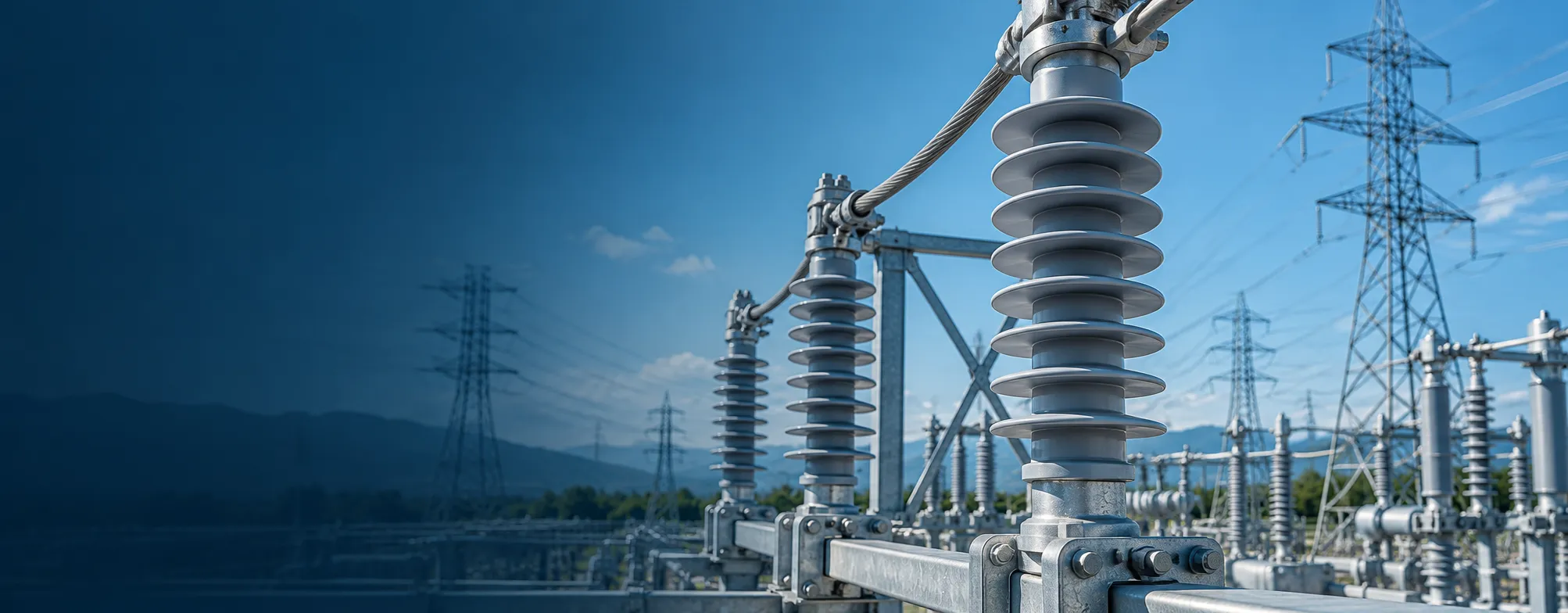
YK-3160 electrical-grade silicone rubber compounds are developed for composite insulator sheds and housings, line-post and station-post insulators, and polymer-housed surge arrester applications.
The series combines outdoor electrical performance with the mechanical strength and processing stability required for repeatable molding of high-voltage insulation components.
Polymer insulators and related external insulation components are used across power generation, substations, transmission networks, renewable energy, industrial power systems, rail transit and high-voltage cable interfaces.

Each material property has a practical reason. The table below connects service conditions, the silicone-rubber response required and the production issue that should be checked during qualification.
Hydrophobic surface behavior plus resistance to tracking and erosion under electrical stress.
Project test method, specimen preparation, contamination severity and finished-housing performance.
Breakdown field strength, volume resistivity and stable dielectric behavior.
Current TDS values, finished-component design and the electrical test plan used for qualification.
Resistance to UV, ozone, moisture, temperature cycling and long-term weather exposure.
Application environment, target service conditions and any customer-specific aging requirement.
Mechanical strength, tear resistance and sufficient molding behavior for the selected geometry.
Flow, filling, venting, demolding, flash control and surface quality in the actual mold.
Controlled hardness, cure behavior, compound consistency and dimensional stability.
Trial cycle, batch-to-batch consistency, acceptance criteria and agreed production specification.
YK-3160D, YK-3160Z and YK-3160G use the same application direction but offer different listed mechanical and electrical values. The best starting grade depends on the housing design, molding process and the tests your finished insulator has to pass.
View the wider power-industry silicone rubber range
65 ± 3 Shore A with a balanced listed profile for general composite-insulator housing evaluation.
Keeps the same typical hardness as YK-3160D while increasing listed tensile strength, breakdown field strength and volume resistivity.
60 ± 3 Shore A and the highest listed tear, tensile, elongation and breakdown values in the current YK-3160 table.
Typical values for initial grade comparison. Confirm the current official TDS, test method and agreed acceptance criteria before sample approval or mass production.
| Propriété | Unité | YK-3160D | YK-3160Z | YK-3160G |
|---|---|---|---|---|
| Dureté | Rive A | 65 ± 3 | 65 ± 3 | 60 ± 3 |
| Résistance à la déchirure | kN/m | ≥ 10 | ≥ 10 | ≥ 12 |
| Résistance à la traction | MPa | ≥ 4.0 | ≥ 4.5 | ≥ 5.0 |
| Allongement | % | ≥ 220 | ≥ 220 | ≥ 240 |
| Permanent Deformation at Fixed Extension | % | ≤ 4 | ≤ 4 | ≤ 4 |
| Densité | g/cm³ | 1.48 ± 0.03 | 1.46 ± 0.03 | 1.46 ± 0.03 |
| Breakdown Field Strength | kV/mm | ≥ 20 | ≥ 21 | ≥ 22 |
| Tracking & Erosion Resistance (1A4.5 Class) | mm | ≤ 2.5 | ≤ 2.5 | ≤ 2.5 |
| Constante diélectrique | — | ≤ 5 | ≤ 5 | ≤ 5 |
| Résistivité volumique | Ω·cm | 1 × 10¹⁴ | 2 × 10¹⁴ | 2 × 10¹⁴ |
The core application is the molded external housing and shed system used on outdoor composite insulation products. Component geometry and project standards still determine the final formulation and validation plan.
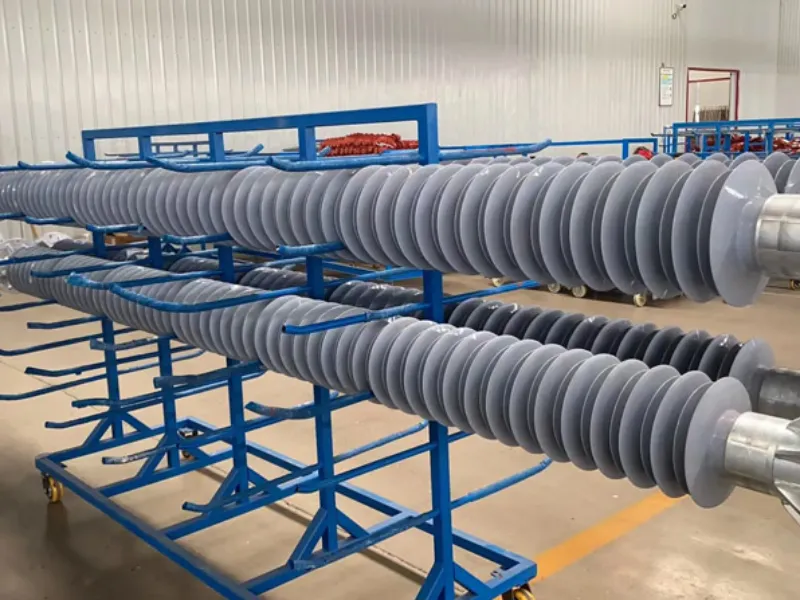
Silicone rubber sheds and housings for long-rod composite insulators used on overhead power lines, where outdoor surface performance and stable molding are critical.
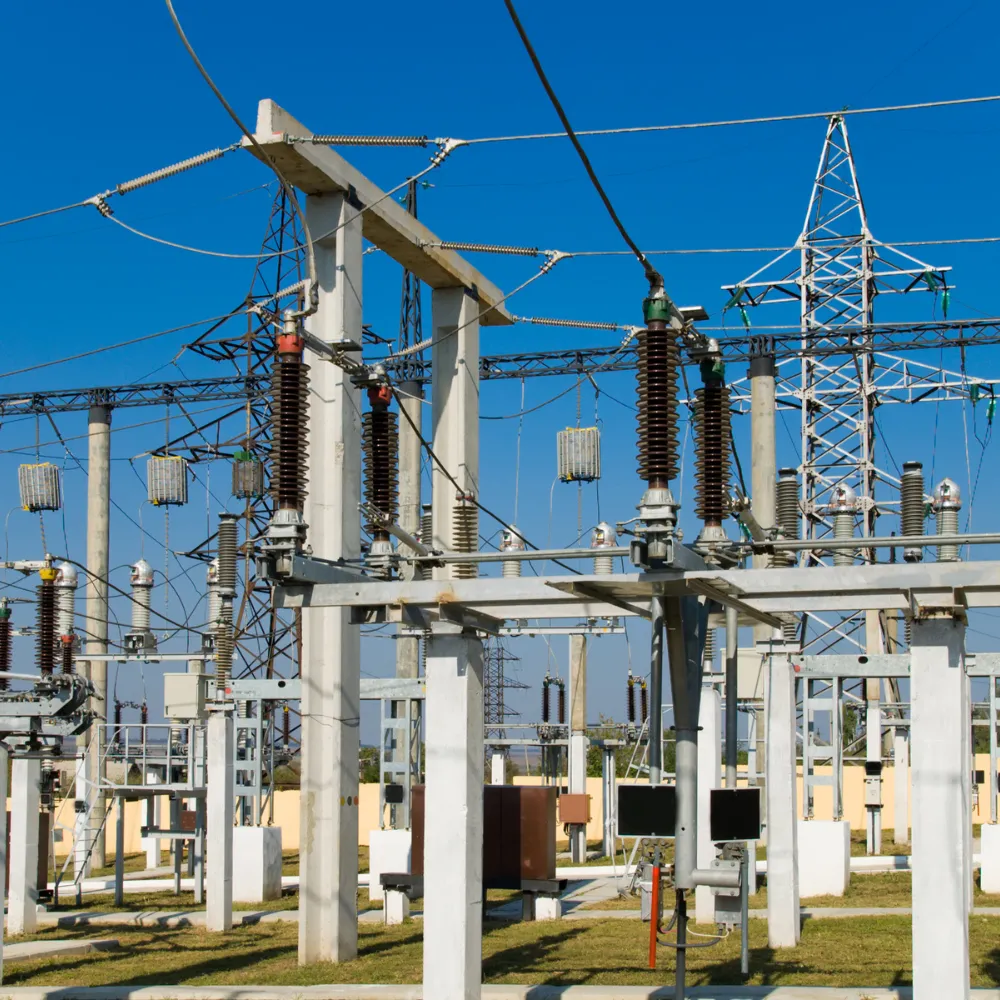
Housing materials for post-type composite insulators exposed to mechanical load, weather, contamination and electrical stress in line and substation service.
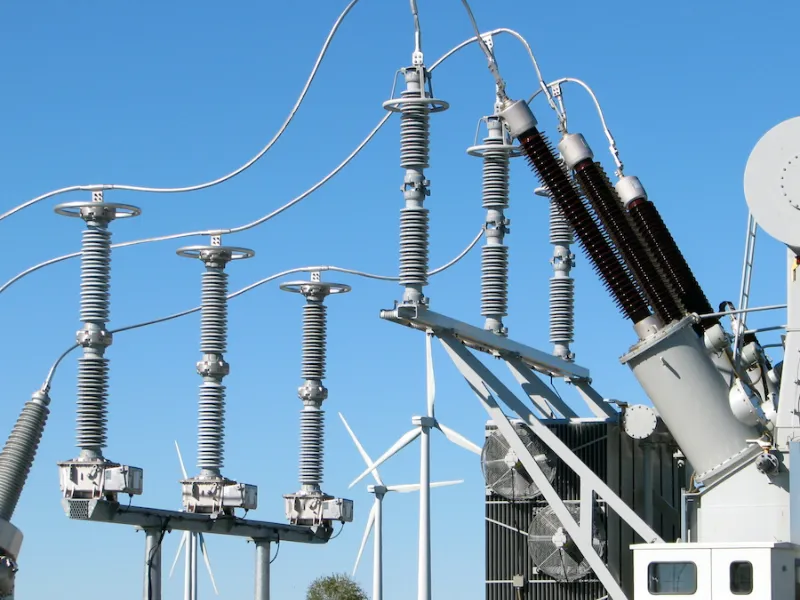
Electrical-grade silicone compounds for molded arrester housings requiring outdoor durability, dielectric performance and consistent surface quality.
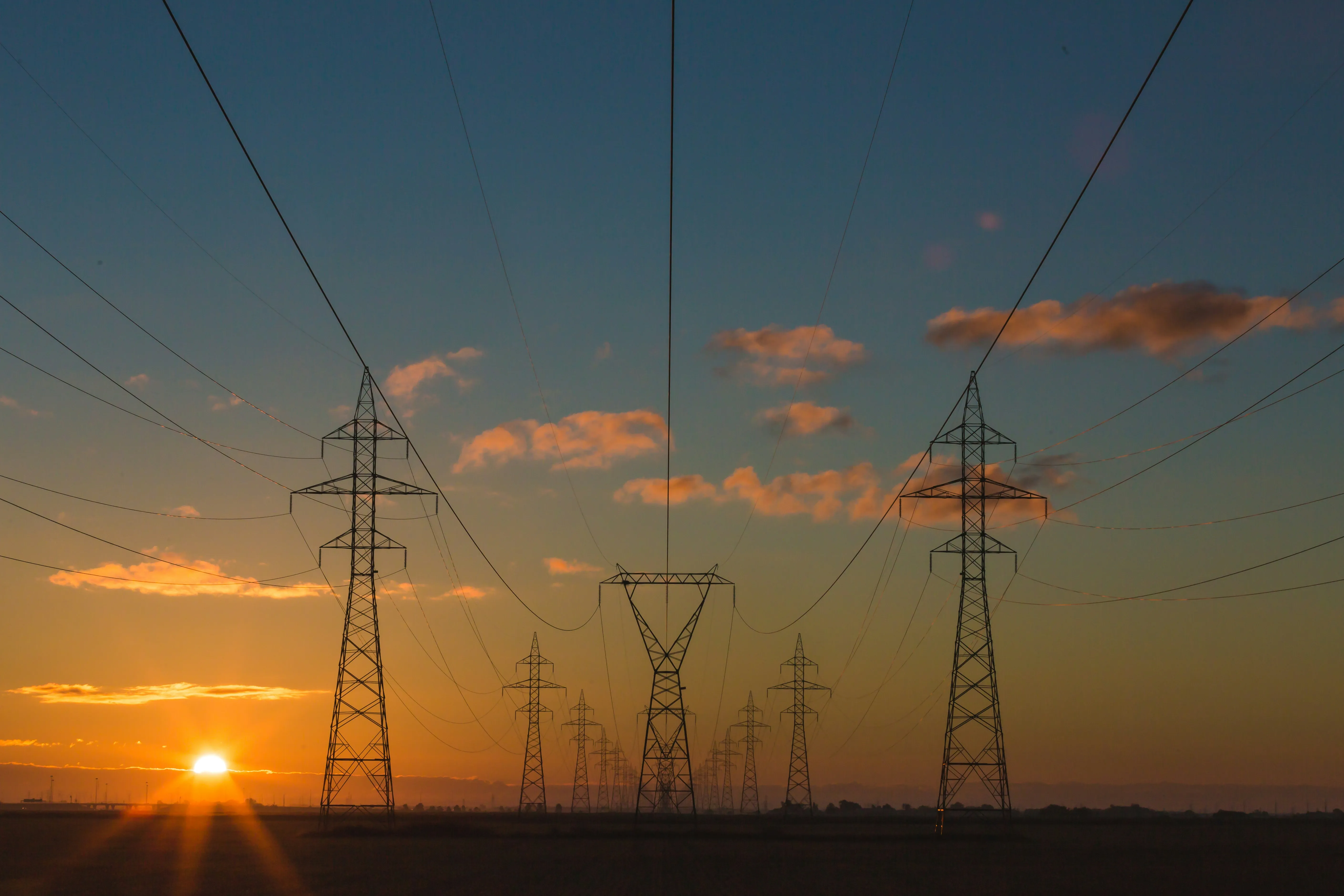
Project-specific review can cover bushings, specialized molded insulation parts and other outdoor electrical components when the required performance and molding process are clearly defined.
A grade recommendation is more useful when it starts from the finished insulator and your production process instead of a single target hardness.
Suspension/tension, line post, station post, surge arrester or another molded electrical component.
Voltage class, relevant test plan, creepage concept and any customer-specific electrical requirement.
Pollution severity, humidity, salt fog, UV exposure, altitude and operating temperature.
Injection, compression or transfer molding, mold geometry, equipment and target cycle conditions.
Hardness, tear/tensile targets, color, cure behavior, processing issues and current material if available.
Trial quantity, annual demand, destination market and documents required for purchasing review.
For B2B insulator projects, the material has to be technically suitable and commercially repeatable. Yakows supports grade comparison, trial material, production feedback, batch control and project documents before regular supply.
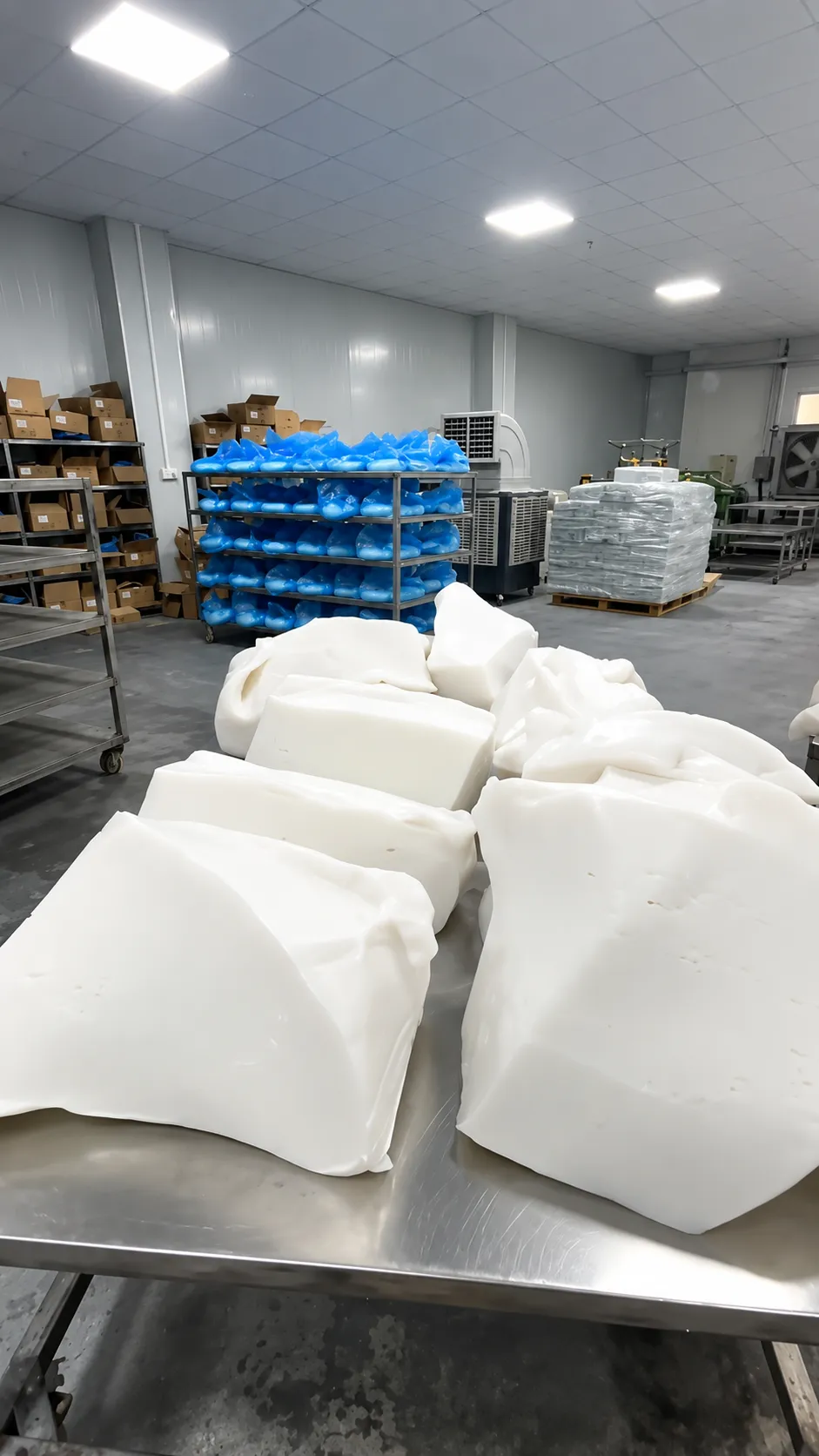
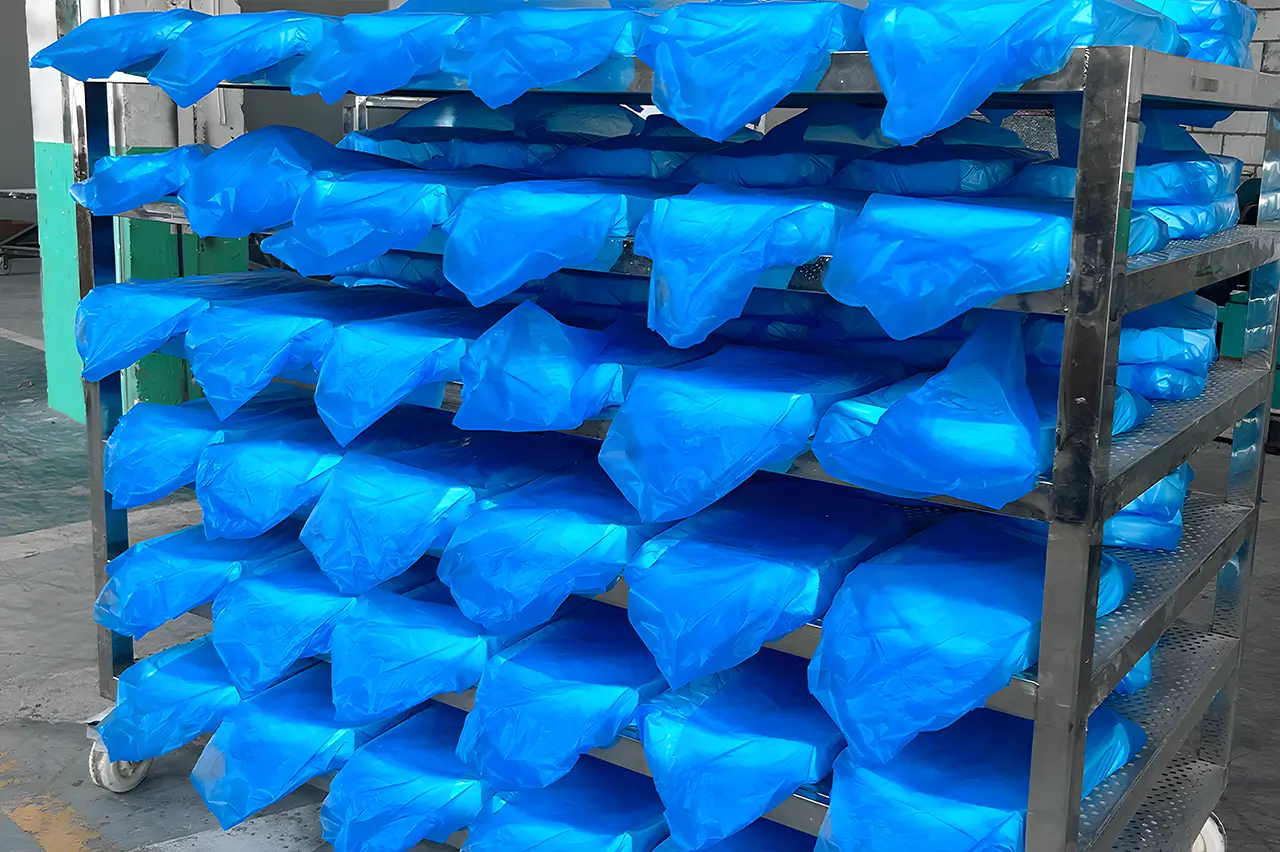
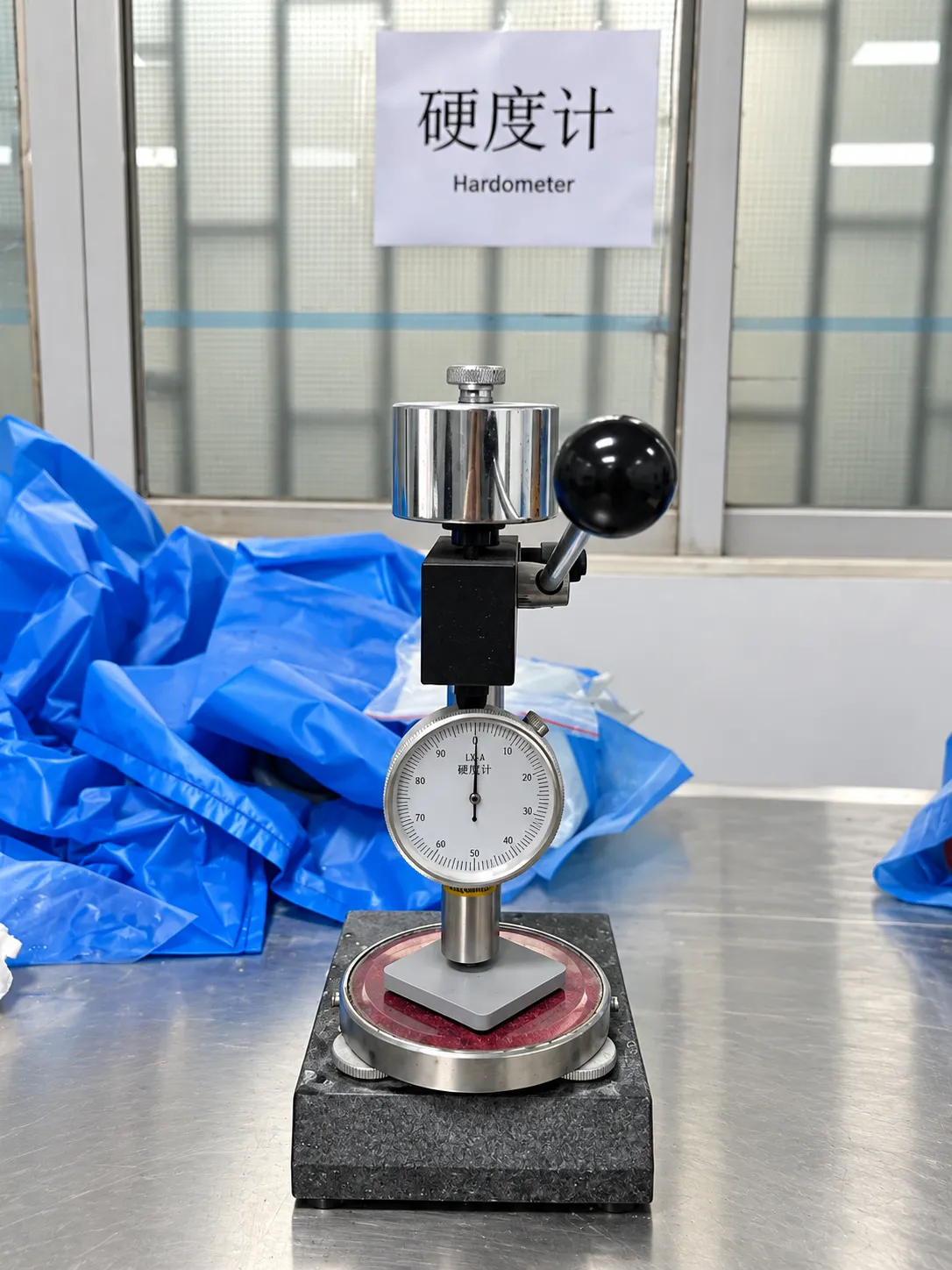
Compare the component, process, current grade and target physical or electrical requirements.
Evaluate flow, cure, demolding, surface quality and processing behavior in the intended production route.
Verify the molded housing and complete insulator against the agreed mechanical, electrical and project tests.
Confirm specification, batch documents, packaging and delivery plan before repeat production orders.
Yakows can compare your requirement with the YK-3160 series and recommend a practical starting grade for sample molding and finished-component evaluation.
info@yakows.com · +86 135 4931 0838