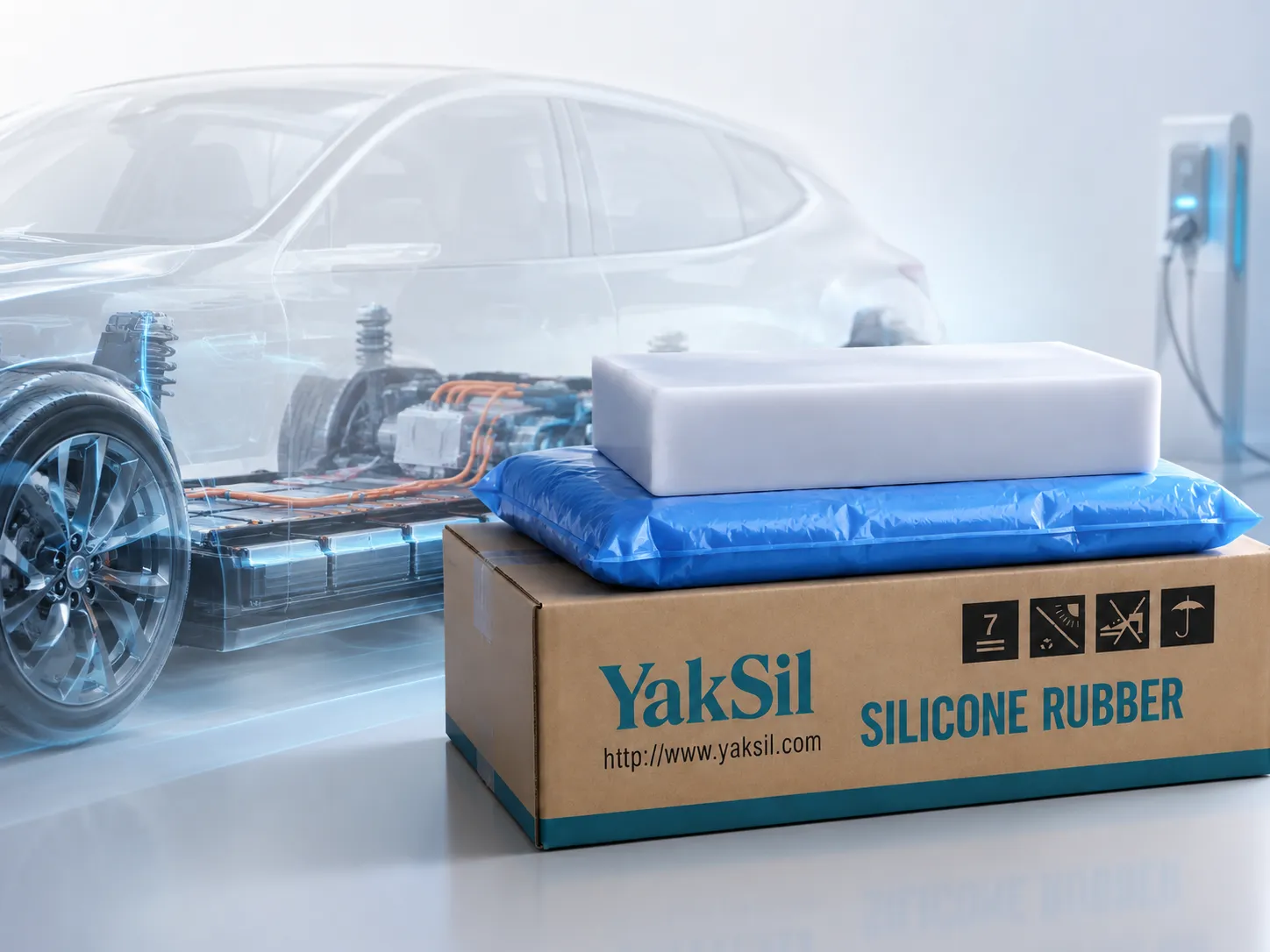
EV / NEV HCR / HTV LSR Automotive Silicone Compounds

Silicone Rubber for Electric Vehicles (EV & NEV)

Silicone rubber compounds for manufacturers producing EV battery seals, high-voltage connector seals, cable insulation, molded electrical components and other e-mobility parts that require reliable sealing, electrical insulation, heat resistance and long-term elastomer performance.

The material should be selected around the component, manufacturing process and validation target—not around “automotive silicone” as a generic label. Yakows can support HCR / HTV and LSR material selection for molding, extrusion and precision injection-molding projects.

Battery Sealing & insulation
HV Connector LSR sealing materials
HV Cable Extrusion-grade HCR
Electric vehicle battery pack with high-voltage connectors and sealing components
Application Focus

Silicone Materials for Key Electric-Vehicle Systems

EV and NEV platforms use silicone in several very different ways. A battery housing gasket, a high-voltage connector seal and an extruded cable jacket do not need the same compound or the same processing behavior. The first purchasing decision should therefore be based on component function + processing route + validation requirement .

01
Battery system

Vedação do conjunto de baterias

Battery-pack sealing can use several silicone technologies. Molded or extruded HCR/HTV seals are appropriate for some designs, while other packs use dispensed FIPG/CIPG or foamed silicone systems. The correct choice depends on joint design, serviceability, sealing pressure, temperature cycling, vibration and the required ingress-protection target.

Material direction: HCR / HTV for solid seals; LSR, RTV/FIPG/CIPG or foam where the design requires those processing routes
02
High-voltage interconnect

Connector Seals

Precision LSR is well suited to connector mat seals, radial seals, grommets and selected overmolded sealing elements where dimensional consistency, low compression set, fast injection molding and repeatable high-volume processing matter.

Material direction: injection-molding LSR, self-lubricating or self-bonding options when available
03
Power distribution

High-Voltage Cable

Extrusion-grade HCR / HTV silicone is a strong candidate for flexible high-voltage cable insulation where the cable system needs heat resistance, electrical insulation, repeated bending capability and stable extrusion behavior.

Material direction: peroxide- or platinum-cure HCR / HTV extrusion grade
04
Electronics & charging

Proteção de Eletrônica de Potência

Inverters, onboard chargers, DC/DC modules and charging components may use silicone sealing, insulation or thermal-management materials. The correct chemistry depends on whether the application requires an elastomeric seal, a molded insulator, a thermal interface or an encapsulation material.

Material direction: application-specific HCR / LSR; thermal compounds only where specifically developed
EV Architecture Map

Where Silicone Rubber Is Used Across the EV Platform

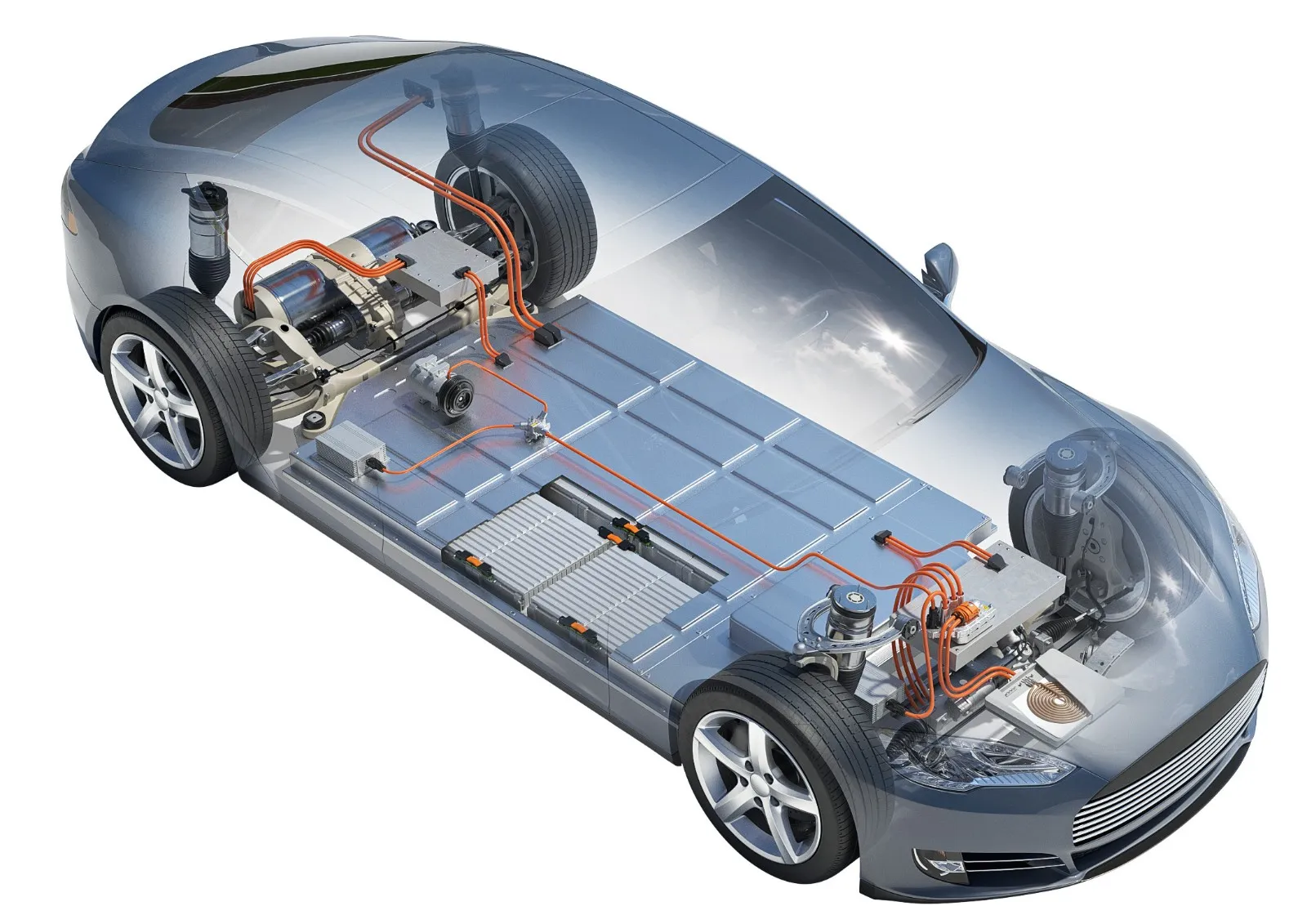
A EV cutaway helps connect silicone rubber with the actual vehicle system. The five markers below highlight common application zones in battery sealing, high-voltage cable insulation, connector sealing, power-electronics sealing and cable pass-through protection.

Electric vehicle cutaway showing the complete battery pack, high-voltage cables, drivetrain, wheels and power electronics
01
02
03
04
05
01

Vedação do conjunto de baterias

silicone rubber / silicone sealing system

Depending on pack design, sealing may use molded or extruded HCR/HTV gaskets, LSR, silicone foam, or dispensed FIPG/CIPG materials.

02

HV Cable Insulation

borracha de silicone

Extrusion-grade HCR/HTV is used where the cable specification requires silicone insulation, thermal aging resistance and stable electrical performance.

03

High-Voltage Connector Seals

borracha de silicone

LSR is commonly used for precision mat seals, radial seals and single-wire seals where repeatable compression and automated molding are important.

04

Power Electronics Housing Seals

borracha de silicone

Molded HCR or LSR can be selected for elastomeric sealing around inverter, OBC and related housings.

05

Grommets & Cable Pass-Throughs

borracha de silicone

Molded silicone boots and grommets provide sealing, strain relief and environmental protection around cables and terminals.

Procurement Guide

Recommended Silicone Material by EV Component

This table turns the application into a material-selection starting point. Final grades should still be confirmed against drawings, assembly conditions, target test standards and the customer’s production process.

EV Component Recommended Material Direction Key Purchasing Requirements Typical Processing
Battery pack lid / housing seal Solid HCR/HTV seal, LSR, foam or dispensed silicone — design dependent Joint geometry, serviceability, ingress target, compression/adhesion mechanism, thermal cycling, vibration Molding / extrusion / dispensing / foaming depending sealing concept
Battery tray / enclosure gasket HCR / HTV or selected LSR Long-term sealing force, temperature cycling, vibration resistance, part geometry Molding / profile extrusion
High-voltage connector mat seal Automotive LSR Low compression set, precision molding, tear resistance, insertion behavior, electrical insulation Moldagem por injeção de LSR
Connector radial seal / grommet LSR, self-lubricating option Assembly friction, sealing recovery, dimensional consistency, automated production Moldagem por injeção de LSR
High-voltage cable insulation Extrusion-grade HCR / HTV Dielectric performance, heat aging, flexibility, extrusion stability, flame requirement Continuous extrusion + cure
Busbar / terminal insulation Flame-retardant HCR / LSR Electrical insulation, hardness, dimensional stability, flammability, thermal aging Molding / injection molding
Charging connector seal LSR / HCR Weather resistance, sealing, compression recovery, temperature cycling Injection molding / molding
Inverter / OBC enclosure seal HCR / LSR sealing grade Heat aging, compression set, environmental sealing, compatibility with housing design Molding / injection molding

Material direction only. Use verified Yakows grades and test data before publishing formal automotive product specifications.

Silicone Rubber Forms

What Silicone Rubber Looks Like in Real EV Material Supply

Some buyers understand the EV application but still do not immediately connect it to the material form they actually need to purchase. In practice, silicone rubber for EV and NEV projects is not a single visual product. It can be supplied as solid compound, extruded profiles, molded sealing parts or converted sheet material depending on the customer’s production process.

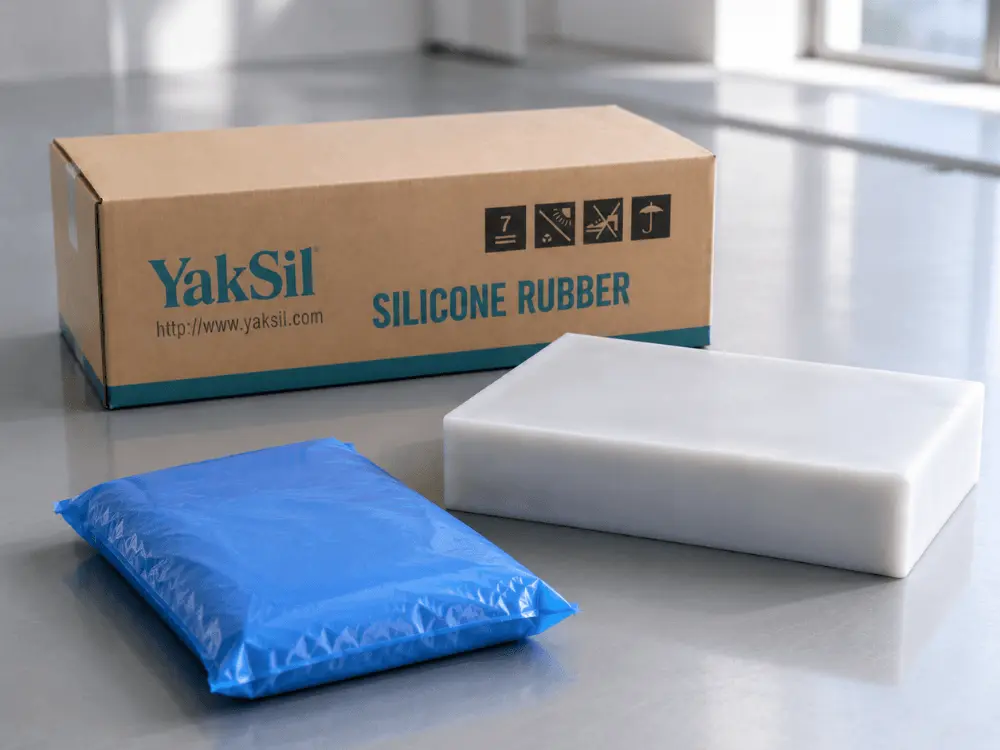
Uncured silicone rubber compound prepared for industrial mixing and molding
Raw Material Form

Silicone Rubber Compound

For manufacturers using compression molding, transfer molding or extrusion, silicone is often purchased first as a solid compound. Hardness, cure system, color, flame performance, electrical behavior and processability are adjusted at the compound level.

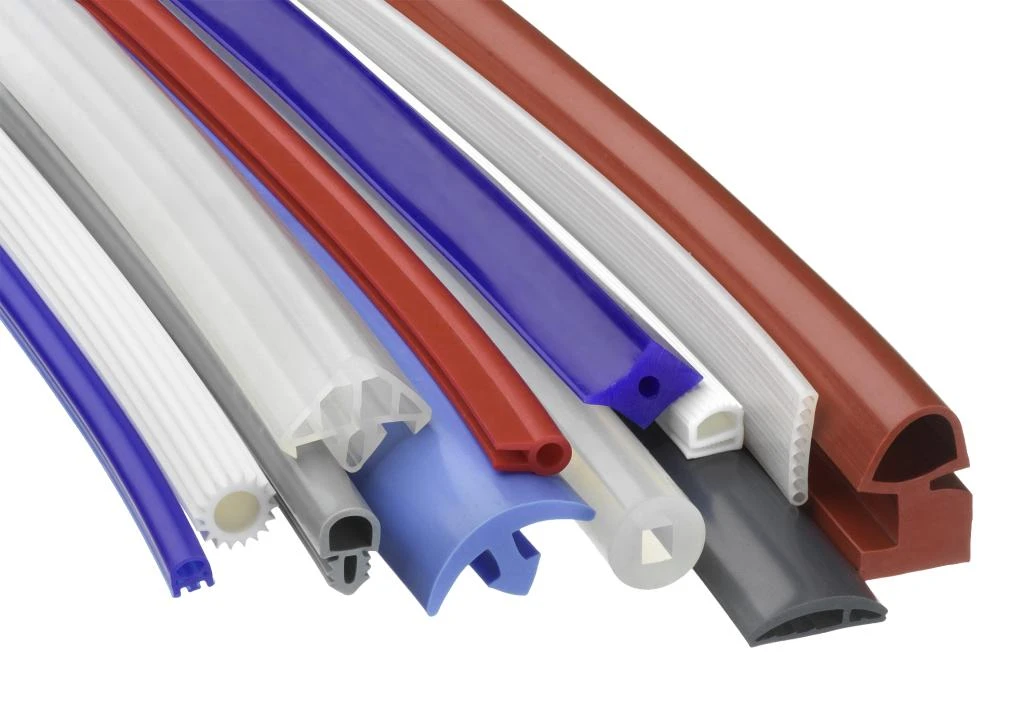
Silicone rubber extrusion profiles in different shapes and cross sections
Extrusion Form

Profiles, Strips & Cable-Oriented Extrusion

Extrusion-grade HCR / HTV is used to produce continuous silicone profiles, strips and insulation layers. For EV projects this visual form helps users connect the material with battery gasket profiles, cable insulation and other long-length components.

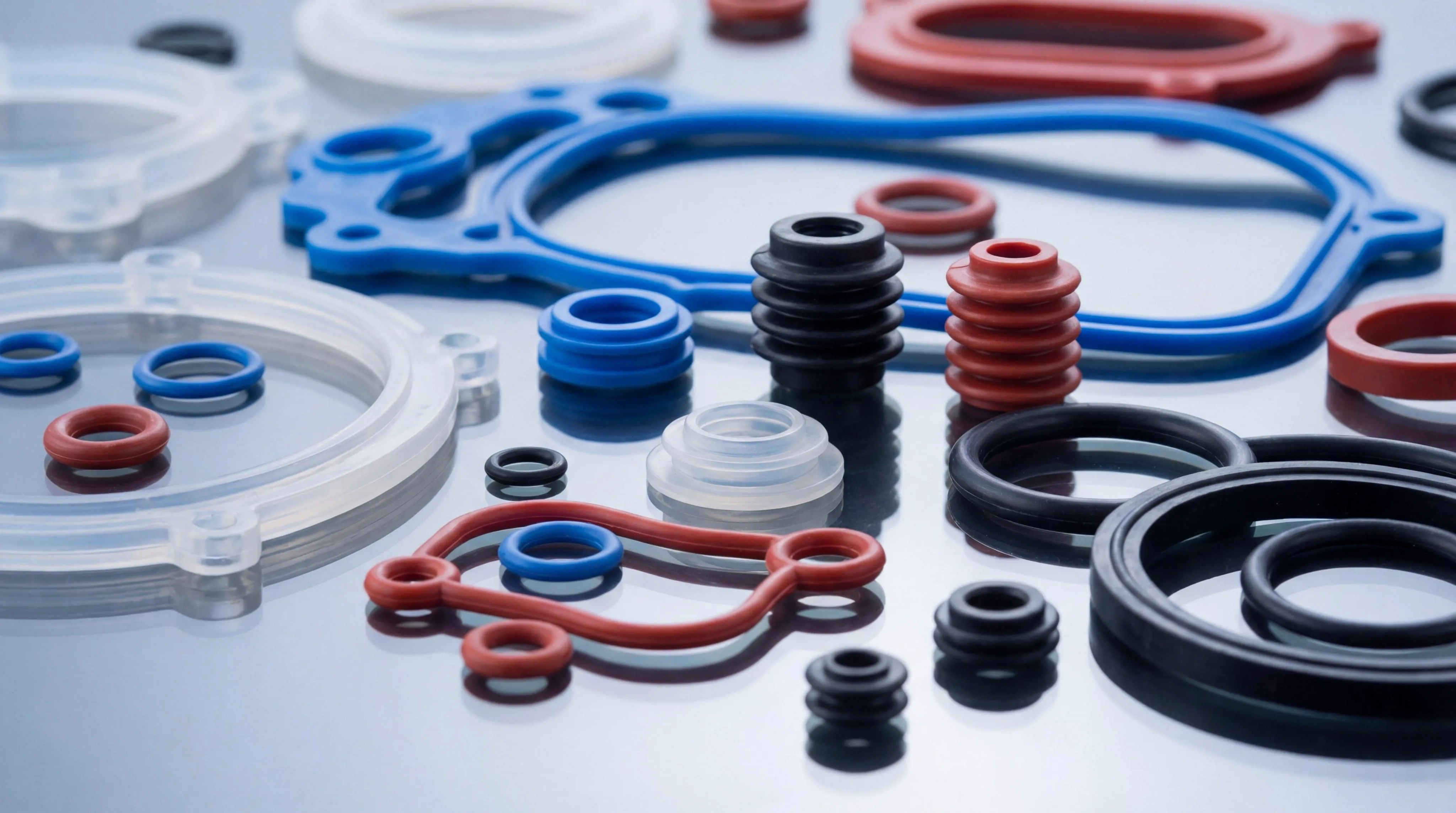
Molded and converted silicone gasket and sealing parts
Molded / Converted Form

Gaskets, Seals & Precision Parts

Many EV buyers finally see silicone as a gasket, seal, boot or molded insulating part. Showing these forms helps connect the raw silicone material to the actual battery-sealing and connector applications discussed elsewhere on the page.

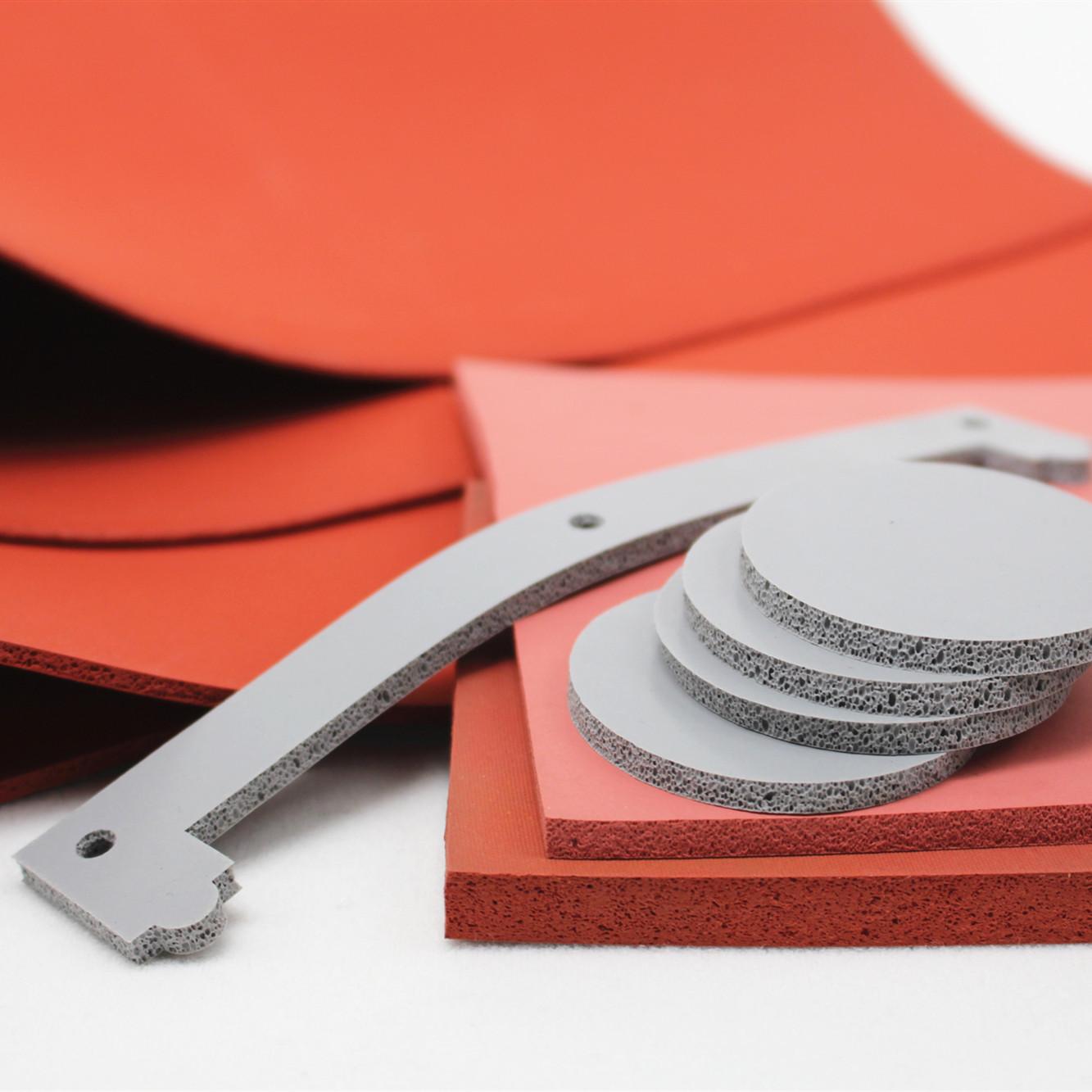
Silicone foam or silicone sheet material used for sealing conversion
Sheet / Pad Form

Sheet, Foam & Die-Cut Sealing Material

Some EV sealing projects are built from silicone sheet or foam sheet that is later die-cut into pack, housing or charging-system seals. This form is especially useful to show when the customer is sourcing material for conversion rather than direct molding.

HCR / HTV

Often linked to compound, extrusion, cable insulation and molded industrial parts.

LSR

Often linked to precision injection-molded seals, connector components and automated production.

Converted Silicone

Often linked to battery pack gaskets, enclosure seals, pads and selected thermal / cushioning structures.

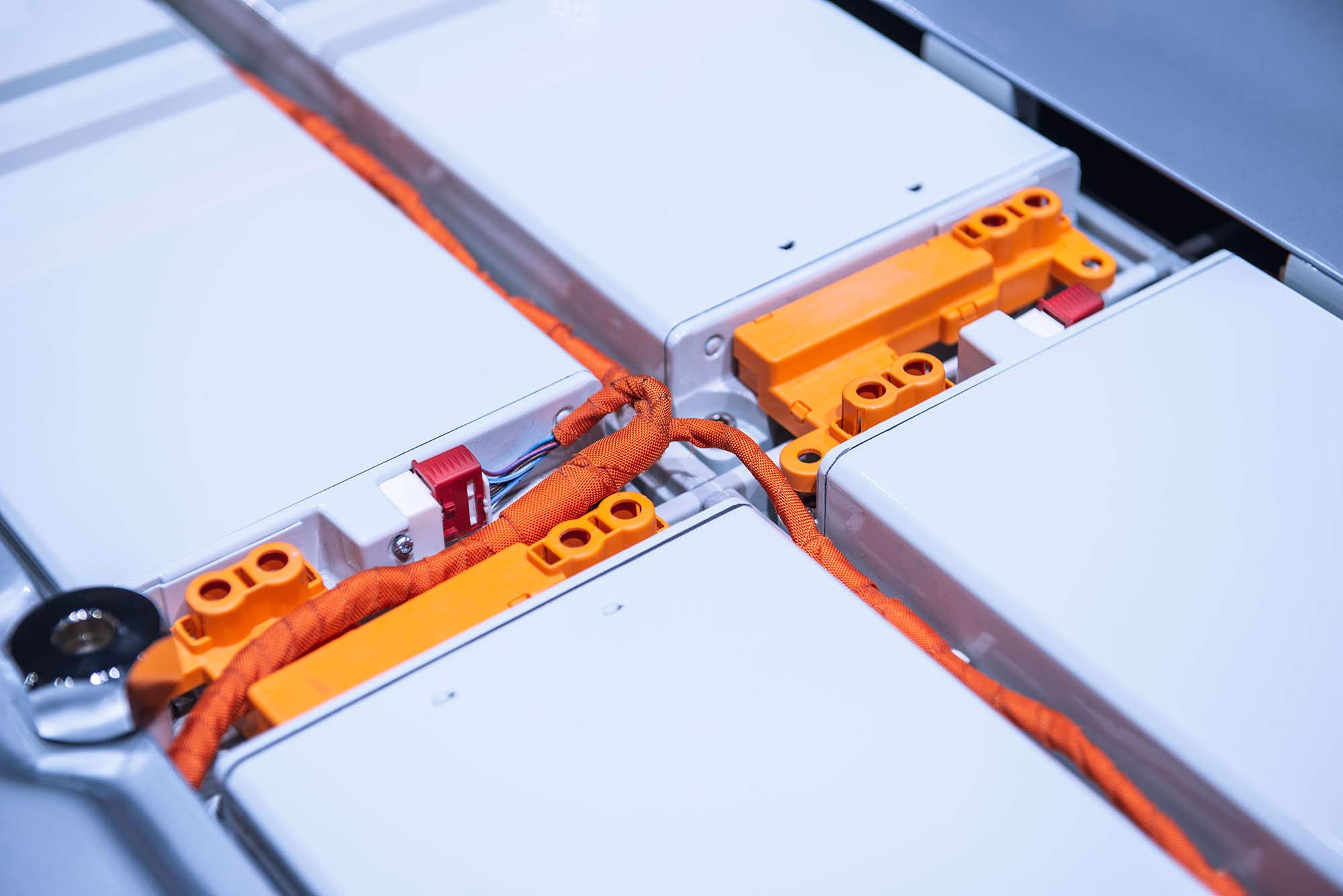
EV battery pack showing high-voltage terminals and sealing interfaces
Battery Pack

Silicone Rubber for EV Battery Pack Sealing

Battery-pack sealing is a system-design problem rather than a single “waterproof rubber” requirement. Depending on the enclosure and service strategy, the seal may be a molded/extruded elastomer gasket, a cured-in-place gasket, a form-in-place gasket or a foamed silicone system. Long-term sealing performance depends on the material, joint geometry, compression or adhesion mechanism, thermal cycling, vibration and the required ingress-protection level.

Deformação residual por compressão

Evaluate permanent deformation after the relevant compression time and temperature. Lower compression set is usually desirable where long-term sealing force matters.

Temperature Cycling

Review how hardness, tensile properties and sealing behavior change after repeated hot/cold exposure rather than relying only on an initial room-temperature test.

Seal Geometry

Solid gasket, molded seal and extruded profile designs respond differently to compression. Groove depth, gasket thickness and clamp load should be reviewed together.

Flame & Electrical Requirements

If a battery project requires a specific flammability or insulation target, specify the exact standard, thickness and test condition instead of using “flame retardant” as a generic claim.

Buyer question to answer: “What silicone compound will retain sealing performance after long-term compression and EV temperature cycling in my actual battery housing design?”
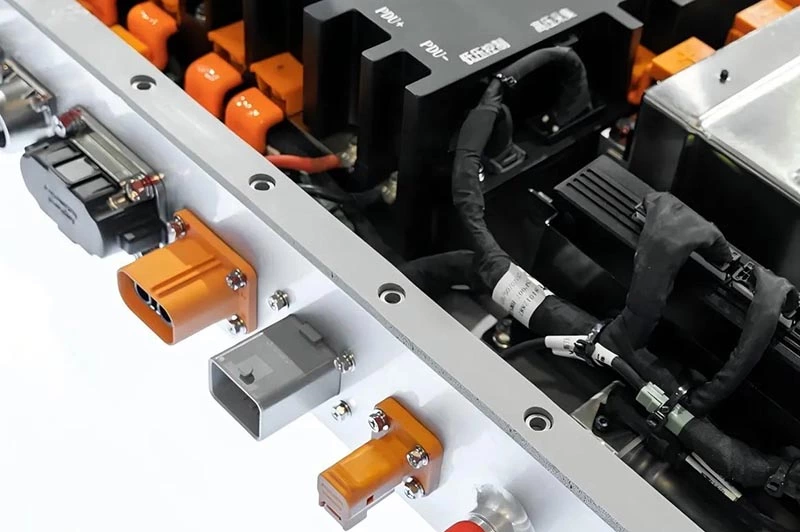
Automotive electrical connector housing with orange silicone sealing gasket
High-Voltage Connector

LSR Silicone for EV High-Voltage Connector Seals

High-voltage connector seals often require tight dimensional control, repeatable compression behavior and high-volume molding. LSR is widely used for mat seals, radial seals, single-wire seals, grommets and selected overmolded sealing elements because it is pumpable and suited to automated injection molding; HCR remains relevant for selected molded components.

Low Compression Set

Supports sealing-force retention where the seal remains compressed around terminals or between connector interfaces.

Precision Injection Molding

LSR processing supports complex seal geometry, thin features and automated high-volume production when tooling and material rheology are matched correctly.

Self-Lubricating Options

Where available, self-lubricating LSR technology can reduce assembly friction for connector seals and mat-seal designs.

Self-Bonding Options

Selected LSR technologies can be designed for overmolding or bonding to engineering plastics, but substrate compatibility must be validated.

Premium automotive LSR suppliers publicly position self-lubricating, low-compression-set and self-bonding technologies specifically for connector and seal applications. Yakows should only claim these functions on grades that have actually been developed and validated.

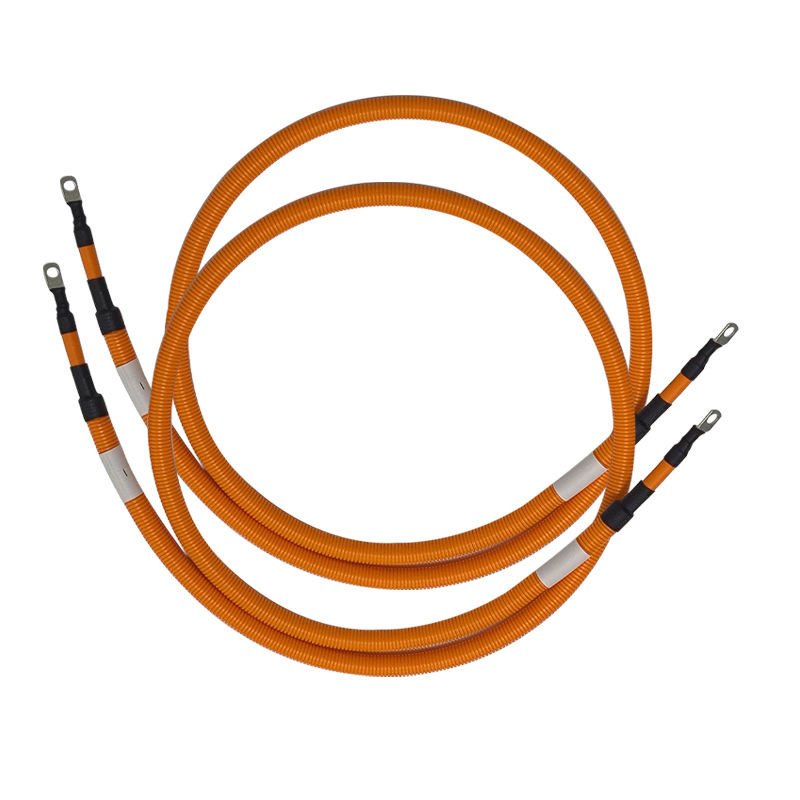
Orange high-voltage electric vehicle cable and wiring harness assembly
High-Voltage Cable

HCR / HTV Silicone for EV High-Voltage Cable Insulation

EV high-voltage cable systems connect the traction battery with power electronics and the electric drive. Where silicone insulation is specified, extrusion-grade HCR/HTV is a well-established material route. Cable design must consider the cured electrical and mechanical properties together with extrusion stability, cure system, thermal aging, flexibility and the applicable OEM or cable specification.

01

Extrusion Stability

The compound should support consistent diameter, smooth surface and stable profile after leaving the die. Die swell and green strength should be checked on the real extrusion line.

02

Isolamento elétrico

Specify dielectric strength, volume resistivity and any customer-specific high-voltage test requirements for the finished cable construction.

03

Thermal Aging

High-voltage cable compounds should be evaluated for long-term property retention at the project temperature, including hardness, elongation and tensile change after aging.

04

Flame & OEM Requirements

If the project references standards such as LV216 or an OEM cable specification, the exact compound and cable construction must be tested against that requirement.

Established international silicone suppliers specifically offer HCR / HTV for EV and HEV battery cables and high-voltage cables. This is a strong commercial keyword cluster for a raw-material supplier because the search intent is directly tied to extrusion-grade material selection.
Power Electronics & Charging

Silicone Rubber Around Inverters, OBCs and Charging Systems

EV power electronics can use several silicone technologies, but they should not all be described as the same “silicone rubber.” A molded HCR gasket, an LSR connector seal and a thermally conductive gap filler solve different problems. Keeping those material categories separate makes the page more useful to engineers and prevents commercial claims from becoming too broad.

Housing & Connector Sealing

Use HCR / LSR selection around compression recovery, temperature cycling, housing geometry and environmental protection. For charging connectors, also consider outdoor exposure and repeated mating cycles.

Electrical Insulating Parts

Molded silicone covers, boots and protective components can be developed for electrical insulation when the actual dielectric and mechanical properties are validated for the part design.

Thermally Conductive Silicone

Thermally conductive LSR or gap-filling silicone should only be offered where Yakows has a dedicated formulation and verified thermal conductivity data. Do not treat standard HCR as a thermal-interface material.

Flame-Retardant Elastomers

If the project requires UL 94 or another flammability test, publish the rating together with the tested thickness and actual grade. Premium NEV material families include both HCR and LSR technologies developed around V-0-level applications.

Material Platform

HCR vs LSR for EV / NEV Components

HCR and LSR are both silicone elastomers, but they enter the customer’s production line very differently. Making this distinction clear helps attract buyers who are already searching by process—such as “EV cable HCR” or “LSR for automotive connector seals.”

Fator de seleção
HCR / HTV
LSR
Formulário de material
High-consistency / solid silicone compound
Two-component pumpable liquid silicone
Main EV Processing
Extrusion, compression molding, transfer molding, selected injection molding
Automated liquid injection molding
High-Voltage Cable
Excellent fit for extrusion-grade silicone insulation
Not the normal route for cable-jacket extrusion
Connector Mat Seals
Possible for selected molded components
Excellent fit for precision, high-volume sealing geometries
Battery Gaskets
Strong fit for molded or extruded solid elastomer seals
Useful for integrated or precision-molded sealing concepts
Customization Focus
Hardness, cure, extrusion behavior, tear, heat, flame, electrical
Viscosity, cure speed, hardness, compression set, lubrication, bonding
Dados técnicos

Yaksil EV Silicone Rubber Technical Data

Yaksil silicone rubber materials for EV applications are developed around connector sealing, high-voltage cable insulation, battery-pack sealing and high-temperature / flame-retardant elastomer requirements.

Inscrição Yaksil Material Dados técnicos Processing / Key Use
High-Voltage Connector Seals Automotive LSR · 50 Shore A Hardness: 50 Shore A
Specific Gravity: 1.11
Tensile Strength: 8.9 MPa
Elongation: 450%
LSR injection molding · mat seals · radial seals · single-wire seals · precision connector components
EV / HEV Cable Insulation Extrusion HCR / HTV · 70 Shore A Hardness: 70 Shore A
Service Temperature: -55°C to +210°C
Cure System: Peroxide cure
Extrusion · molding · calendering · high-voltage cable insulation
Flame-Retardant EV Components Flame-Retardant HCR / LSR UL 94: V-0
Tested Thickness: 1 mm
Platform: HCR / LSR
Battery seals · electrical insulation parts · molded components requiring flame resistance
High-Temperature EV Seals High-Heat HCR · 30–80 Shore A Hardness Range: 30–80 Shore A
Short-Term Heat Resistance: up to 300°C
High-temperature gaskets · seals · molded elastomer components
Vedação do conjunto de baterias EV Battery Silicone Sealing Materials Material Platforms: HCR / HTV · LSR · Silicone Foam · FIPG / CIPG Battery cover sealing · enclosure perimeter sealing · compression / dispensed sealing systems
Mechanical

Hardness · tensile strength · elongation · tear resistance · compression set · density

Electrical

Dielectric strength · volume resistivity · project-specific high-voltage insulation tests

Thermal

Service temperature · heat aging · short-term exposure · property retention

Safety / Compliance

Flammability · tested thickness · regulatory documentation · customer specifications

Material Supplier Positioning

Custom Silicone Compounds for EV Component Manufacturers

The commercial role of this page should be clear: Yakows supplies and develops silicone rubber materials for companies that mold, extrude or manufacture EV components. The value is not simply producing a gasket shape; it is helping the customer select or develop a compound that works in the customer’s process and passes the project specification.

A custom EV compound may need to balance several properties at the same time. Increasing hardness can improve dimensional stability but may affect sealing conformity. Improving flame performance can change mechanical properties and process behavior. Self-lubricating or self-bonding technologies create another set of formulation and validation considerations.

01 Hardness & Compression

Target Shore A, compression recovery and sealing-force requirements.

02 Processamento

Extrusion stability, HCR molding behavior or LSR injection parameters.

03 Electrical

Insulation targets and project-specific dielectric requirements.

04 Thermal

Continuous heat aging, peak exposure and property retention.

05 Flame

Required flammability standard, rating and tested thickness.

06 Color & Identification

Orange, black or customer-specified color within formulation limitations.

Qualification & Documentation

What Automotive Buyers Need Beyond a Material Description

EV material sourcing moves from technical evaluation to supplier qualification. The page should therefore communicate which documents and testing capabilities Yakows can actually provide. Only keep the items below that are available in your real quality system.

Technical Documents

TDS, SDS, COA, controlled material specification and grade-specific processing guidance where available.

Regulatory Documents

REACH, RoHS and other customer-requested declarations that apply to the exact material grade.

Mechanical Testing

Hardness, tensile strength, elongation, tear resistance, compression set, density and heat-aging evaluation.

Electrical / Flame Testing

Publish only the test items available through your internal laboratory or qualified external laboratories, with the exact method and result.

Consistência do lote

Material identification, lot control, inspection criteria and COA values should support repeatability from sampling through production.

Automotive Project Support

PPAP, IMDS, APQP or IATF-related claims should only appear if Yakows can actually support the requested workflow or certification.

Purchasing Information

What to Send for an EV Silicone Material Recommendation

A buyer with an active project usually already has a drawing, material target or current production problem. Turning this information into a structured checklist gives the page more conversion value than repeating “request a quote.”

Part & Process
  • Part drawing, 2D / 3D file or section dimensions
  • Battery seal, connector, cable, busbar insulation or other EV component
  • Compression molding, extrusion or LSR injection molding
  • Existing tool / line condition if the project is already in production
Performance
  • Target Shore A hardness and tolerance
  • Continuous / peak temperature and heat-aging requirement
  • Compression set, tensile, tear or elongation targets
  • Electrical, flame, chemical or OEM specification
Project
  • Prototype, validation, pilot or mass-production stage
  • Sample quantity and expected annual material demand
  • Current material / supplier and the problem to improve
  • Target SOP date and customer qualification schedule
Technical FAQ

FAQ About Silicone Rubber for EV / NEV Applications

Questions closer to material selection, sampling and production qualification have more commercial value than repeating where silicone is used in an electric vehicle.

Should I use HCR or LSR for an EV high-voltage connector seal?

LSR is often a strong choice for precision connector seals, mat seals and grommets because it supports automated injection molding, complex geometry and fast production cycles. HCR can still be used for selected molded sealing components. The choice depends on tool design, production volume, seal geometry, target compression set and assembly requirements.

What hardness is suitable for an EV battery gasket?

There is no universal hardness. The correct value depends on gasket thickness, compression ratio, clamp force, groove design, flange flatness and required sealing pressure. A softer compound can conform more easily; a harder compound may resist over-compression better. Prototype validation with the real housing is recommended.

What silicone material is used for EV high-voltage cables?

High-consistency silicone rubber (HCR / HTV) is widely used as an extrusion material for silicone-insulated battery and high-voltage cables. The exact grade should be selected for extrusion behavior, electrical performance, heat aging, flexibility and the customer’s cable standard.

Can silicone rubber meet UL 94 V-0 for EV applications?

Dedicated flame-retardant HCR and LSR technologies can be formulated for V-0-level applications, but the rating belongs to the exact material and tested thickness. Do not transfer a UL 94 rating from one formulation or specimen thickness to another without supporting test data.

What electrical properties should be specified for EV silicone?

Depending on the component, the specification may include dielectric strength, volume resistivity and project-specific insulation or high-voltage tests. Electrical values should be taken from the actual cured compound and verified under the relevant test method.

Is silicone rubber suitable for 800 V EV systems?

A vehicle-system voltage alone is not enough to approve a material. The silicone component must be designed and tested for its insulation thickness, creepage / clearance environment, temperature, connector geometry and applicable electrical test requirements. Use grade-specific dielectric data rather than a generic “800 V compatible” claim.

Can EV connector LSR be self-lubricating?

Yes, self-lubricating LSR technologies exist in the premium automotive market and are used to reduce assembly friction in selected seals and connector components. Yakows should only offer or promote this feature on a formulation that has actually been developed and tested for the customer’s assembly process.

Can LSR bond directly to connector plastics?

Self-bonding LSR technologies can adhere to selected engineering plastics under controlled molding conditions, but adhesion depends on the exact substrate, surface condition, mold temperature and material system. Each plastic / LSR combination should be validated before production.

What compression-set data is important for battery and connector seals?

Check the time, temperature and compression percentage behind the result. A room-temperature value cannot automatically predict long-term behavior in a hot battery housing or connector. The test condition should be as close as practical to the actual application requirement.

Can high-voltage cable silicone be customized in orange?

Silicone compounds can generally be pigmented, including orange identification colors used in high-voltage systems. Color development should still be validated because pigment and additive changes can influence cure, mechanical properties and electrical performance.

Can you formulate silicone for a customer-specific automotive specification?

A custom material project can be evaluated around target hardness, mechanical properties, heat aging, extrusion or molding process, electrical performance, flammability and other customer requirements. Feasibility depends on the complete specification and available testing capability.

What information is needed before requesting an EV silicone sample?

Provide the target component, process, hardness, temperature, critical test values, drawing or dimensions, regulatory / OEM specification and current project stage. This allows the supplier to recommend a relevant grade instead of sending a generic silicone sample.

Do I need a custom grade or can I use a standard silicone compound?

Start with a standard grade when it already meets the processing and performance requirements. Custom development is more appropriate when the project needs a specific combination of hardness, flame behavior, compression set, electrical properties, heat aging or production behavior that standard materials cannot provide.

What should be included in an automotive silicone TDS?

A useful TDS should identify the grade, cure or processing conditions and the test methods behind hardness, tensile strength, elongation, tear resistance, density, compression set and any claimed electrical, thermal or flammability performance. Values without test context are much less useful to engineers.