Should I use HCR or LSR for an EV high-voltage connector seal?
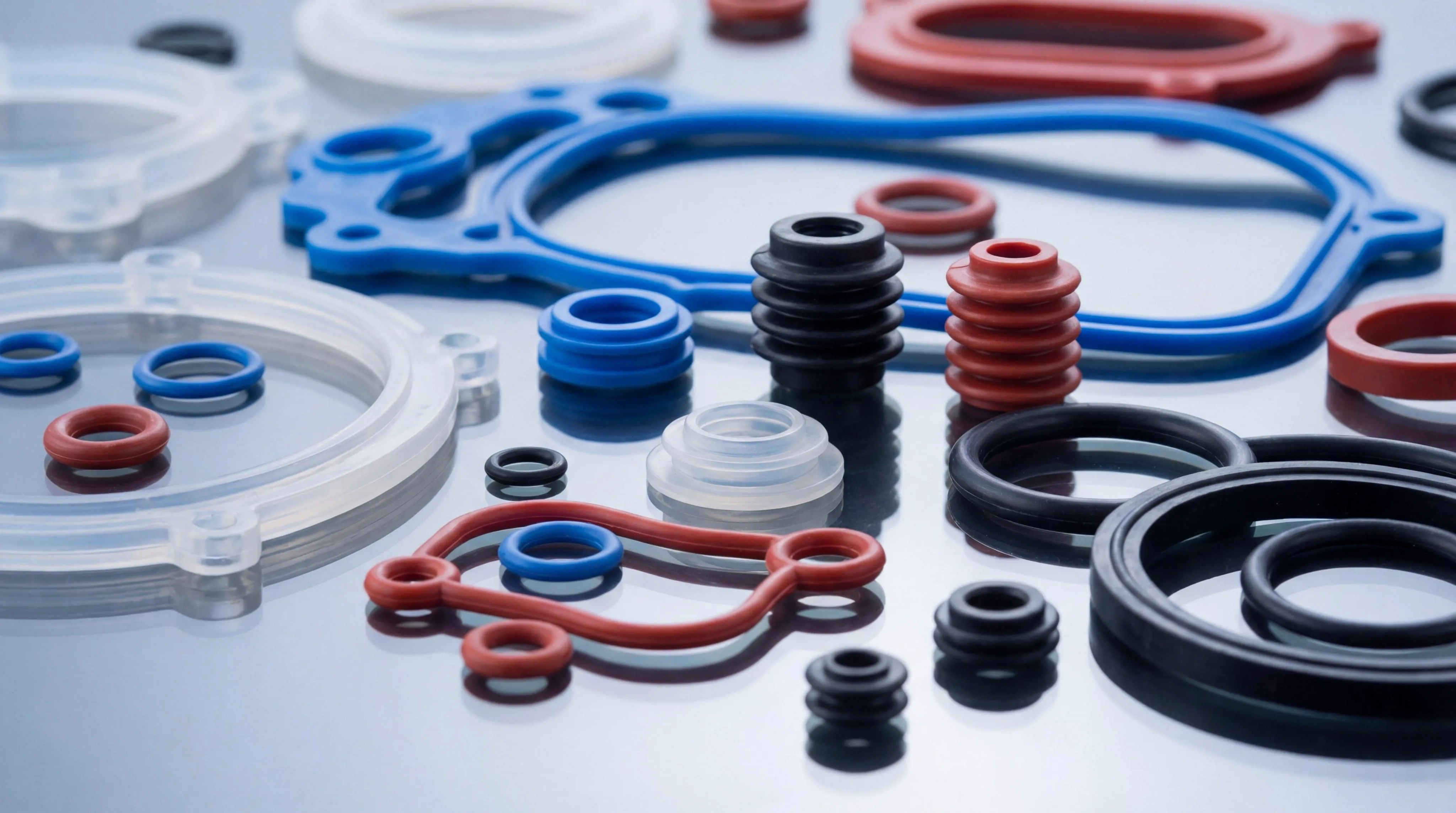
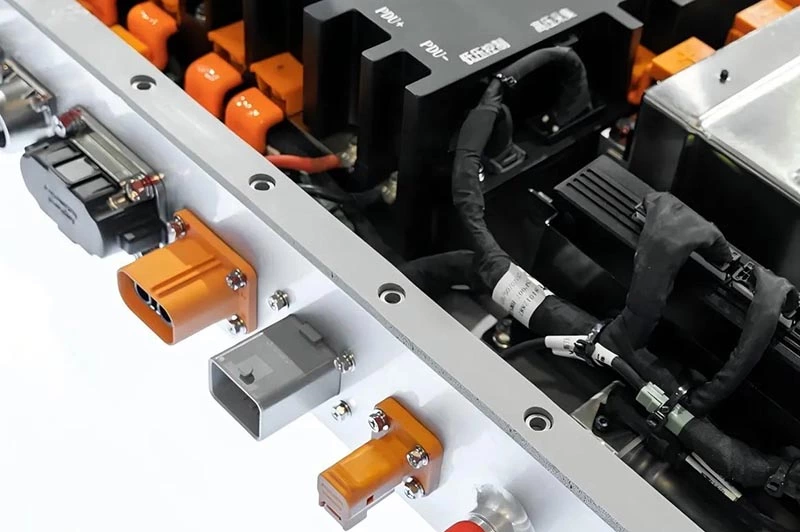
LSR is often a strong choice for precision connector seals, mat seals and grommets because it supports automated injection molding, complex geometry and fast production cycles. HCR can still be used for selected molded sealing components. The choice depends on tool design, production volume, seal geometry, target compression set and assembly requirements.
What hardness is suitable for an EV battery gasket?
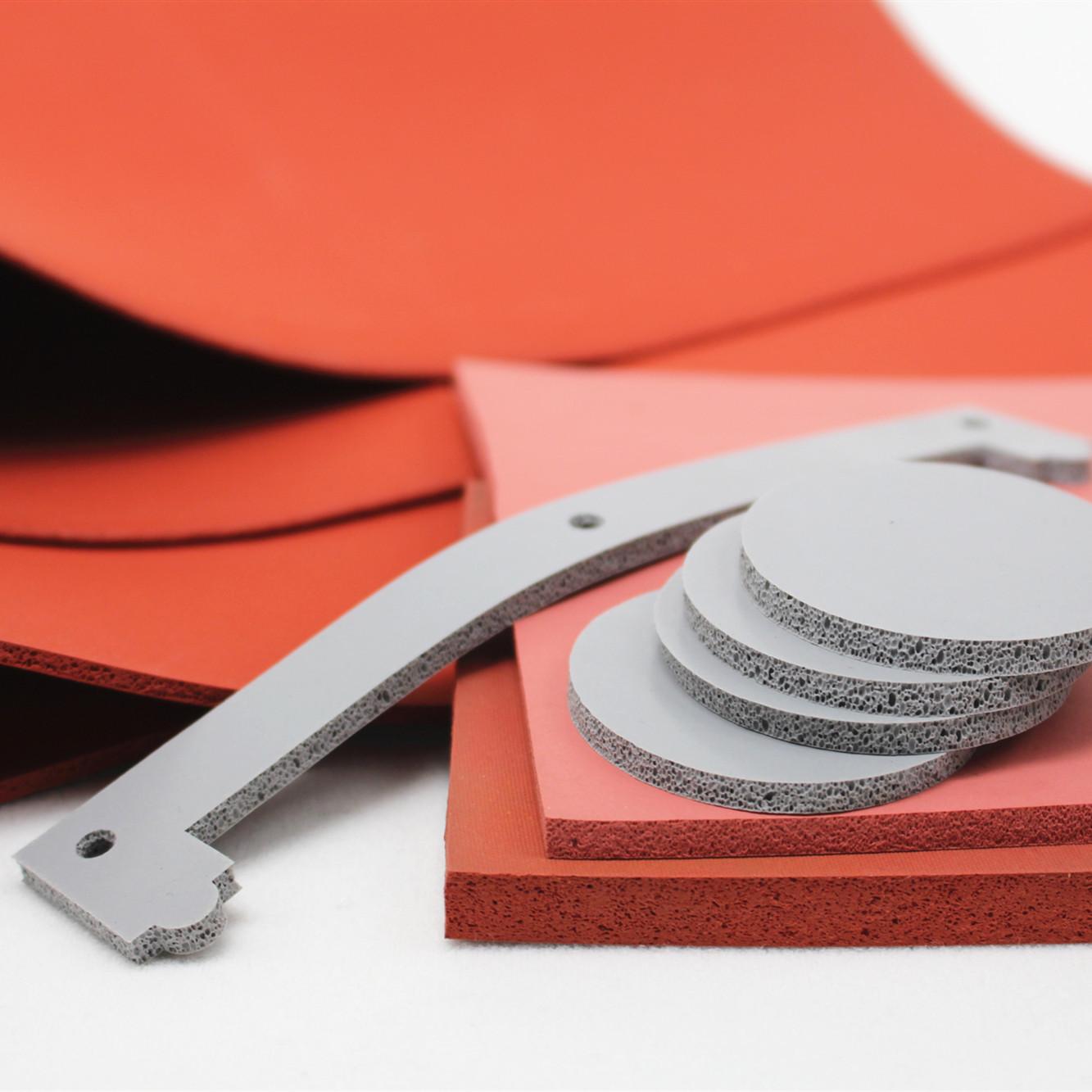
There is no universal hardness. The correct value depends on gasket thickness, compression ratio, clamp force, groove design, flange flatness and required sealing pressure. A softer compound can conform more easily; a harder compound may resist over-compression better. Prototype validation with the real housing is recommended.
What silicone material is used for EV high-voltage cables?
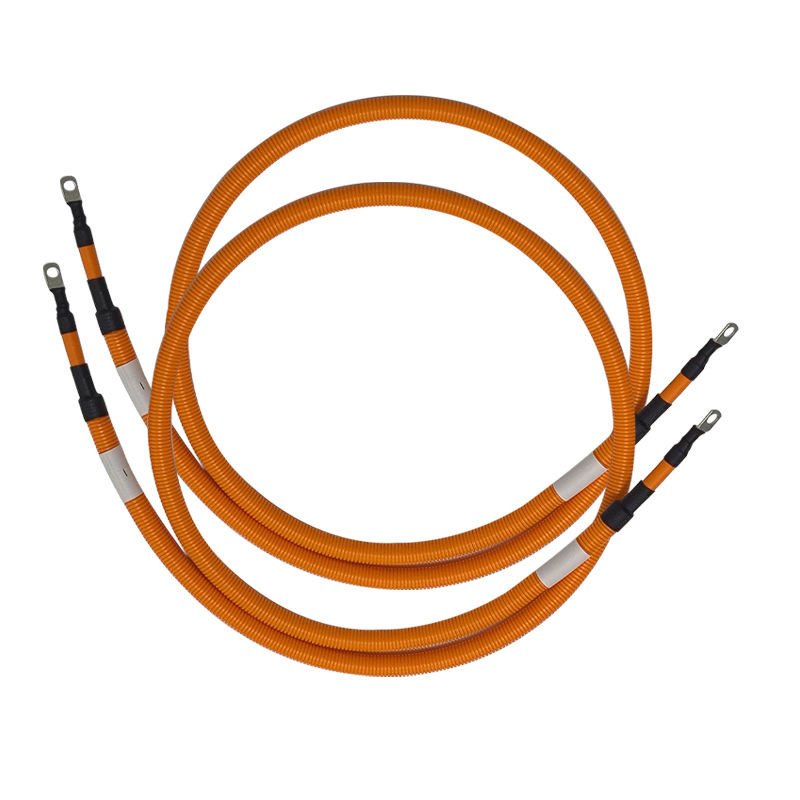
High-consistency silicone rubber (HCR / HTV) is widely used as an extrusion material for silicone-insulated battery and high-voltage cables. The exact grade should be selected for extrusion behavior, electrical performance, heat aging, flexibility and the customer’s cable standard.
Can silicone rubber meet UL 94 V-0 for EV applications?
Dedicated flame-retardant HCR and LSR technologies can be formulated for V-0-level applications, but the rating belongs to the exact material and tested thickness. Do not transfer a UL 94 rating from one formulation or specimen thickness to another without supporting test data.
What electrical properties should be specified for EV silicone?
Depending on the component, the specification may include dielectric strength, volume resistivity and project-specific insulation or high-voltage tests. Electrical values should be taken from the actual cured compound and verified under the relevant test method.
Is silicone rubber suitable for 800 V EV systems?
A vehicle-system voltage alone is not enough to approve a material. The silicone component must be designed and tested for its insulation thickness, creepage / clearance environment, temperature, connector geometry and applicable electrical test requirements. Use grade-specific dielectric data rather than a generic “800 V compatible” claim.
Can EV connector LSR be self-lubricating?
Yes, self-lubricating LSR technologies exist in the premium automotive market and are used to reduce assembly friction in selected seals and connector components. Yakows should only offer or promote this feature on a formulation that has actually been developed and tested for the customer’s assembly process.
Can LSR bond directly to connector plastics?
Self-bonding LSR technologies can adhere to selected engineering plastics under controlled molding conditions, but adhesion depends on the exact substrate, surface condition, mold temperature and material system. Each plastic / LSR combination should be validated before production.
What compression-set data is important for battery and connector seals?
Check the time, temperature and compression percentage behind the result. A room-temperature value cannot automatically predict long-term behavior in a hot battery housing or connector. The test condition should be as close as practical to the actual application requirement.
Can high-voltage cable silicone be customized in orange?
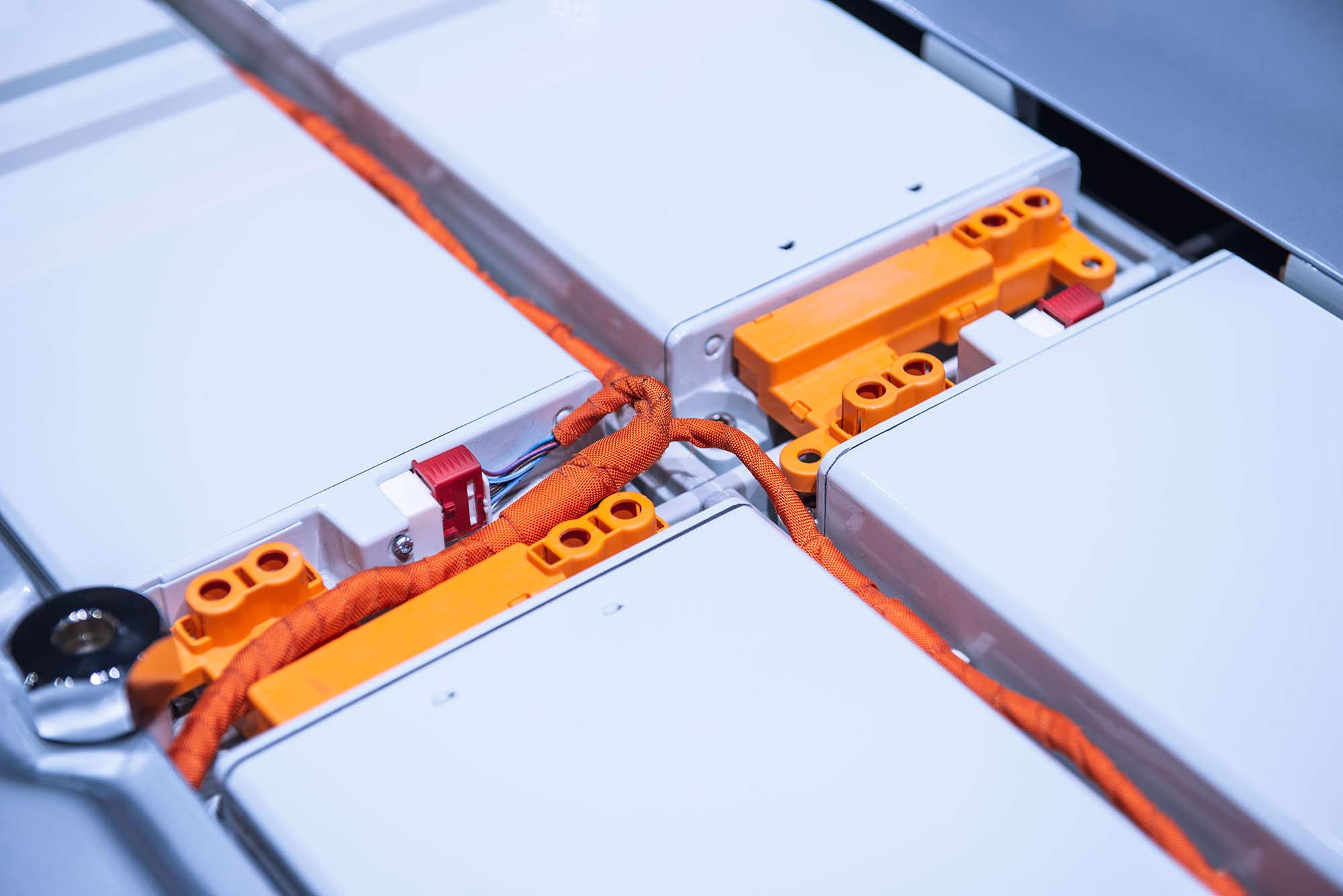
Silicone compounds can generally be pigmented, including orange identification colors used in high-voltage systems. Color development should still be validated because pigment and additive changes can influence cure, mechanical properties and electrical performance.
Can you formulate silicone for a customer-specific automotive specification?
A custom material project can be evaluated around target hardness, mechanical properties, heat aging, extrusion or molding process, electrical performance, flammability and other customer requirements. Feasibility depends on the complete specification and available testing capability.
What information is needed before requesting an EV silicone sample?
Provide the target component, process, hardness, temperature, critical test values, drawing or dimensions, regulatory / OEM specification and current project stage. This allows the supplier to recommend a relevant grade instead of sending a generic silicone sample.
Do I need a custom grade or can I use a standard silicone compound?
Start with a standard grade when it already meets the processing and performance requirements. Custom development is more appropriate when the project needs a specific combination of hardness, flame behavior, compression set, electrical properties, heat aging or production behavior that standard materials cannot provide.
What should be included in an automotive silicone TDS?
A useful TDS should identify the grade, cure or processing conditions and the test methods behind hardness, tensile strength, elongation, tear resistance, density, compression set and any claimed electrical, thermal or flammability performance. Values without test context are much less useful to engineers.