
High Temp Silicone for Industrial Use
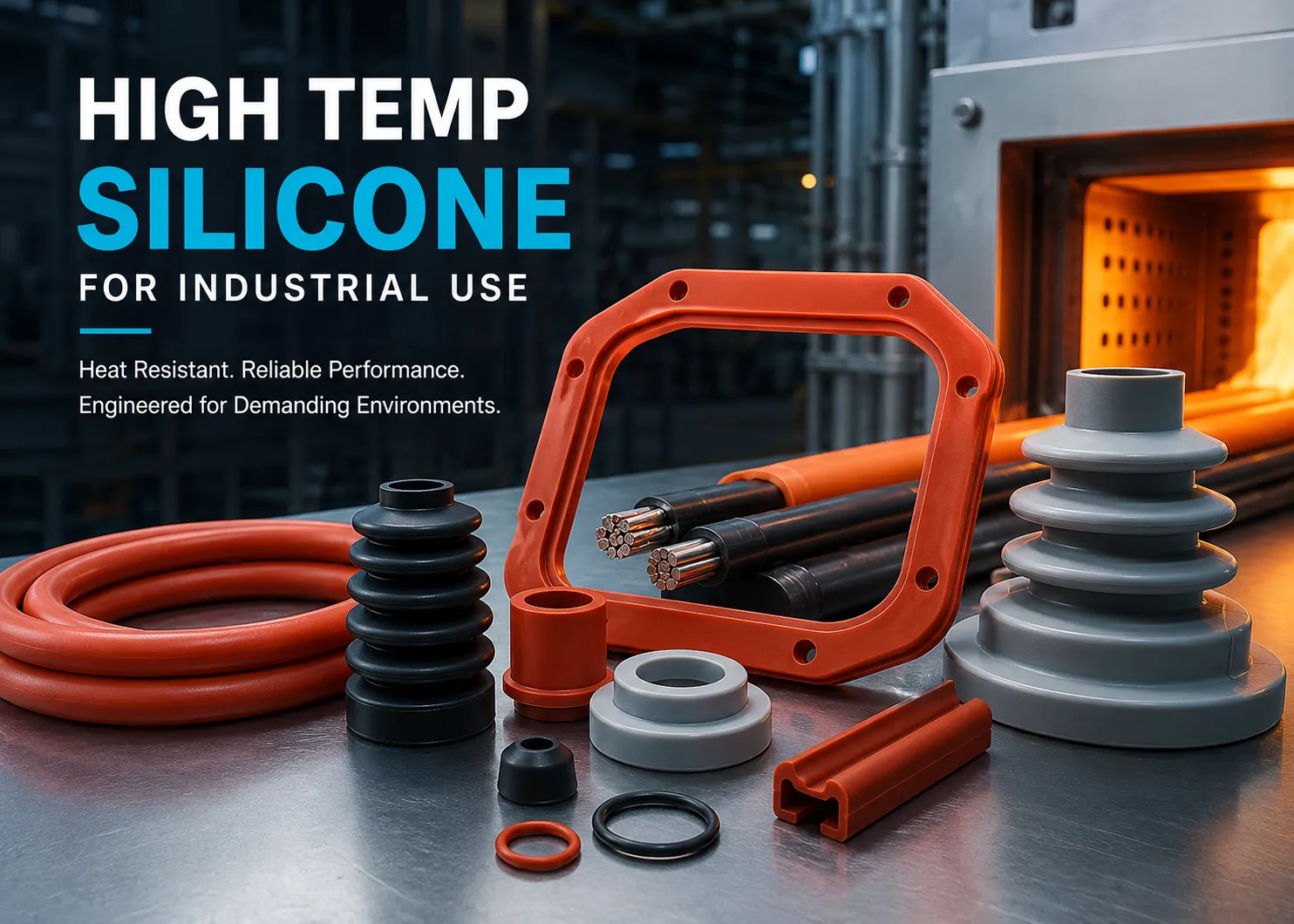
Industrial Silicone Rubber Guide High Temp Silicone for Industrial Use High temp silicone is widely used when rubber components must remain flexible, electrically insulating and mechanically stable in environments where ordinary elastomers begin to harden, crack or lose performance. In industrial applications, however, “high temperature” should never be treated as a single number. Continuous operating […]
How Many Valence Electrons Does Silicon Have?
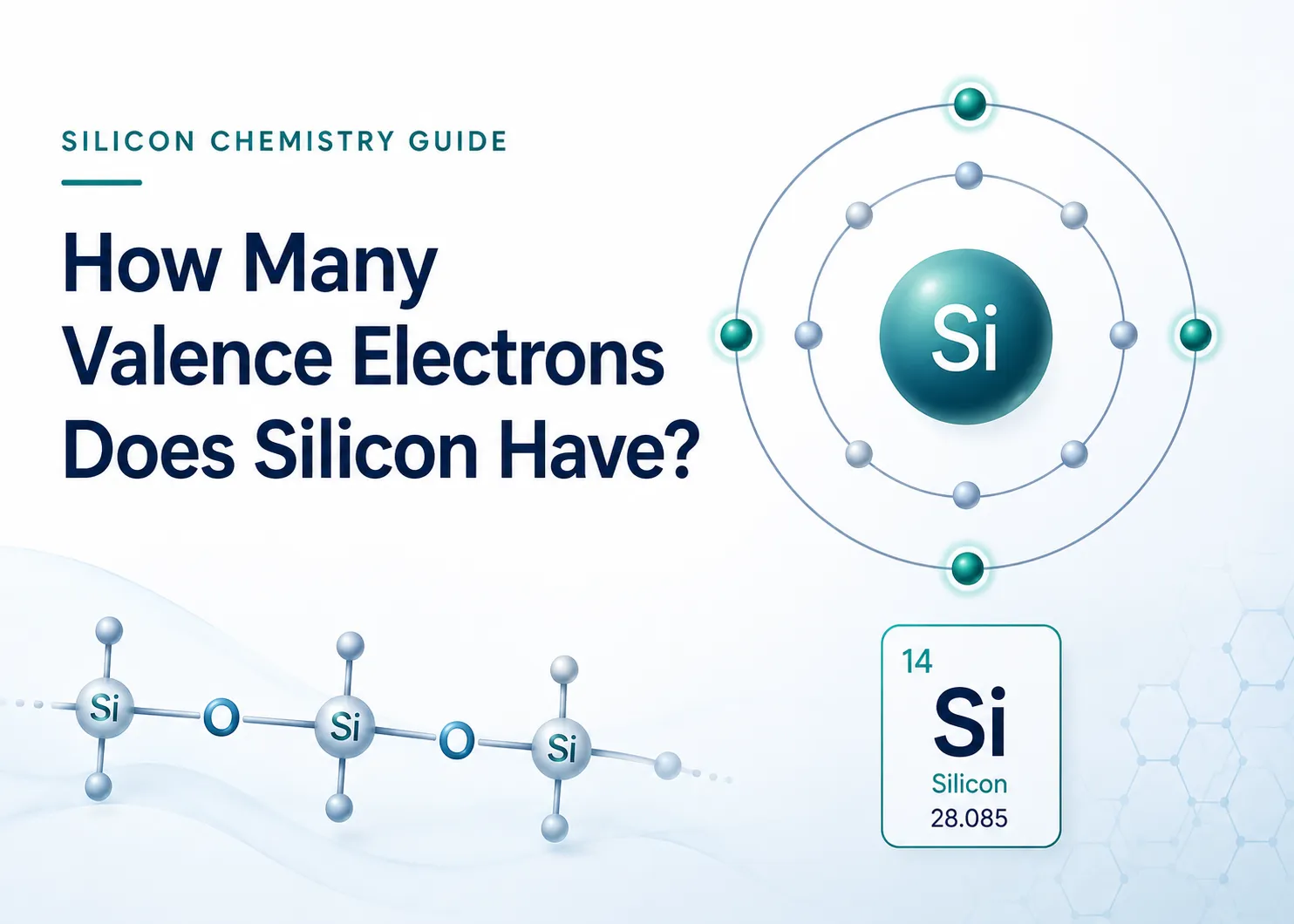
Silicon Chemistry & Silicone Rubber How Many Valence Electrons Does Silicon Have? Silicon has 4 valence electrons. Its atomic number is 14, and its electron configuration is 1s² 2s² 2p⁶ 3s² 3p². The four electrons in the outermost third energy level are its valence electrons, which strongly influence how silicon forms chemical bonds. This basic […]
Food Grade Silicone Supplier
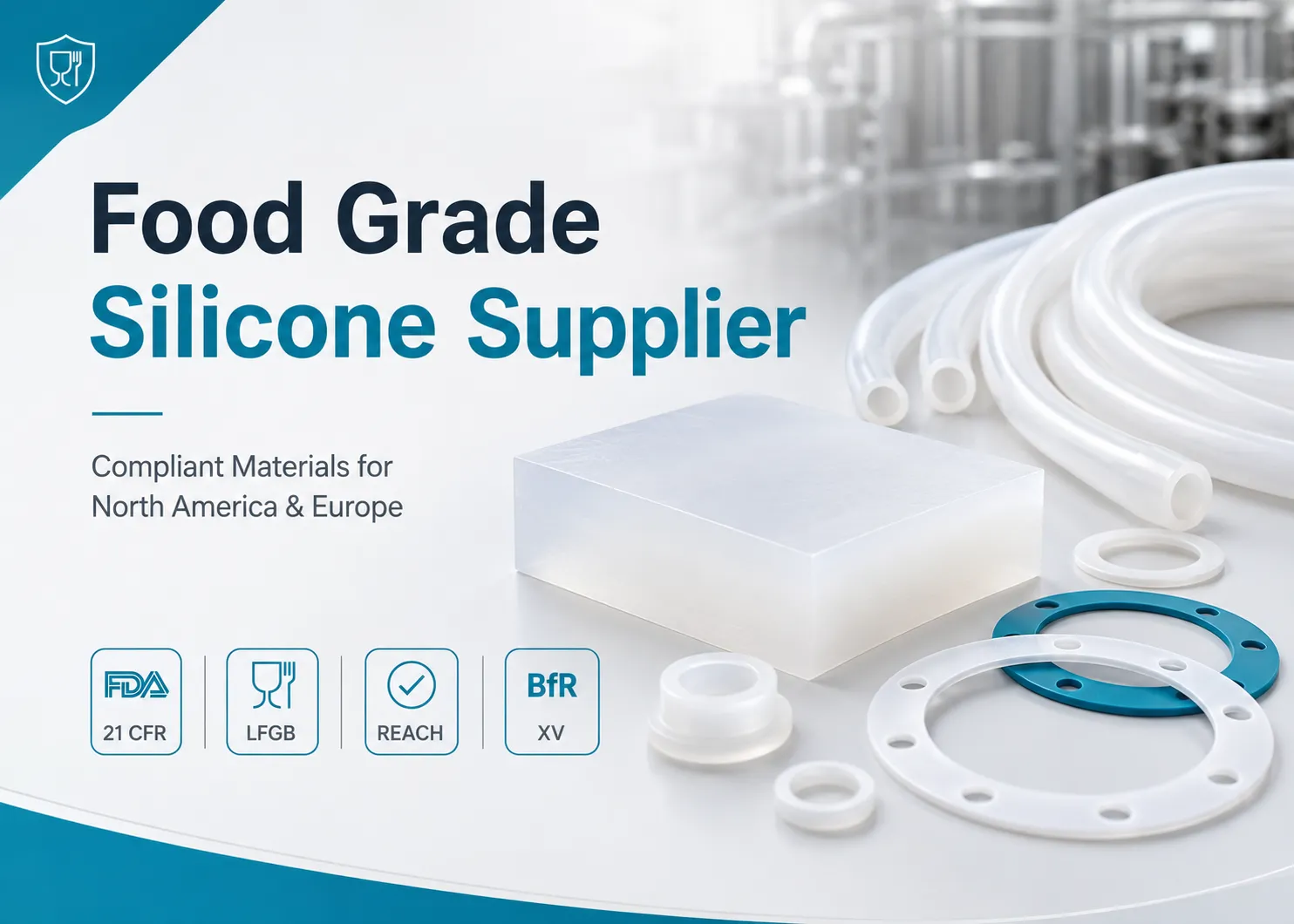
Food Contact Silicone Rubber Food Grade Silicone Supplier Choosing a reliable food grade silicone supplier requires more than checking hardness, color or processing method. Silicone materials used in food-contact applications must combine stable physical properties with carefully controlled formulations and appropriate compliance documentation for the markets where the finished product will be sold. Yakows provides […]
Como melhorar a aderência do silicone

Silicone Rubber Processing Guide How to Improve the Adhesion of Silicone Improving silicone adhesion is one of the most common challenges in silicone rubber manufacturing. Silicone elastomers offer excellent heat resistance, flexibility, weatherability and electrical insulation, but their naturally low surface energy can make reliable bonding difficult. Strong adhesion normally depends on more than choosing […]
Como ajustar a dureza do silicone?
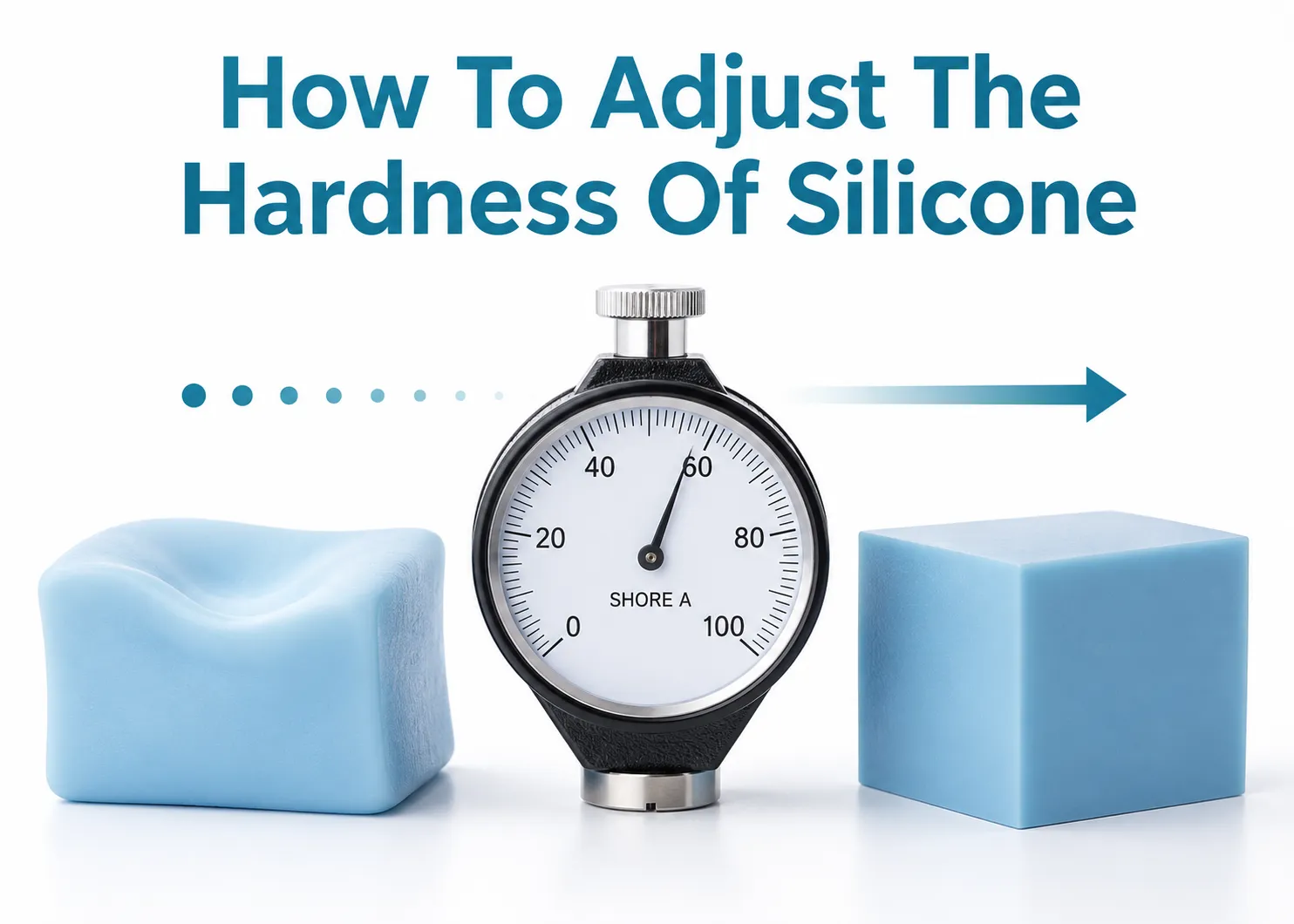
Silicone Rubber Formulation Guide How To Adjust The Hardness Of Silicone Adjusting silicone hardness is not simply a matter of adding more or less curing agent. In industrial silicone rubber, hardness is the result of the complete formulation, including the silicone polymer, reinforcing filler, crosslink density, processing additives and curing conditions. For HTV and HCR […]
Borracha de silicone: condutora ou isolante?
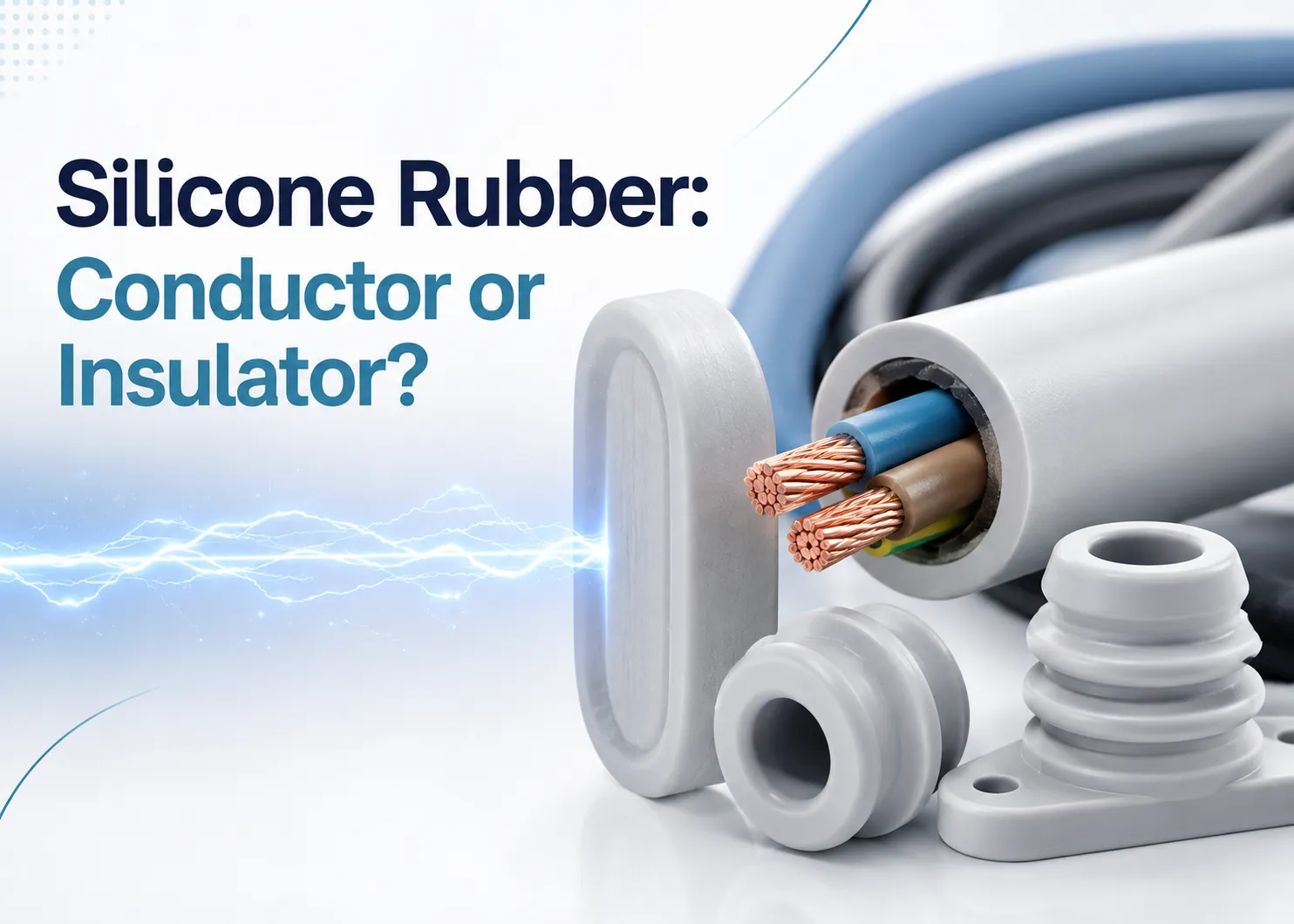
Silicone Rubber Electrical Material Guide Silicone Rubber: Conductor or Insulator? Silicone rubber is generally an electrical insulator, which is one reason it is widely used in wire and cable, electrical connectors, EV components, high-voltage insulation and outdoor electrical equipment. However, silicone rubber is not always insulating. By changing the formulation and adding conductive fillers, manufacturers […]
O que é elastômero de silicone?
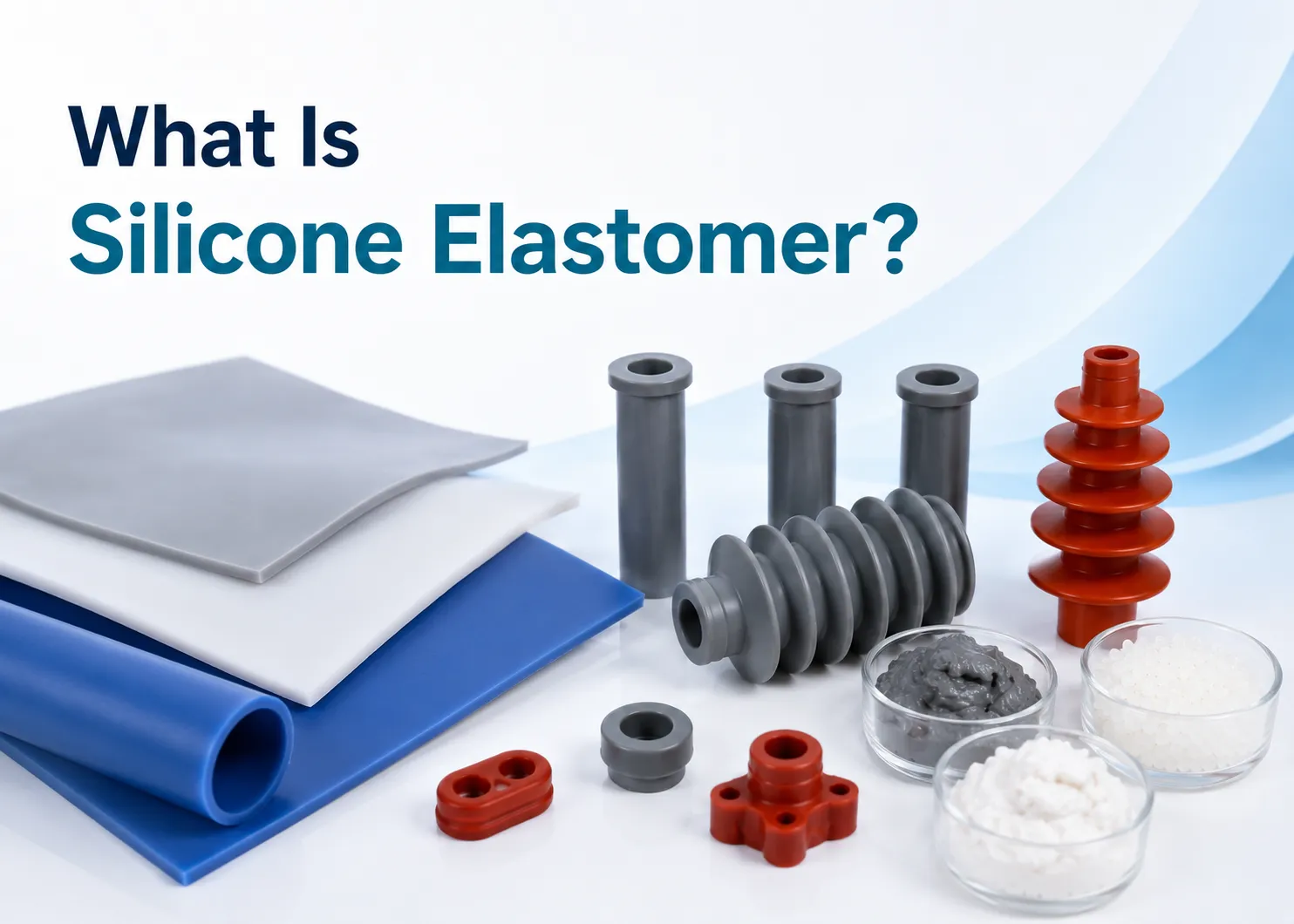
Silicone Rubber Material Guide What Is Silicone Elastomer? Silicone elastomer is a high-performance silicone-based rubber material known for its excellent elasticity, temperature resistance, electrical insulation and long-term stability. Unlike conventional organic rubber materials, silicone elastomer uses a silicon-oxygen backbone structure that provides outstanding resistance to heat, ozone, UV radiation and environmental aging. Because of these […]
A borracha conduz eletricidade?
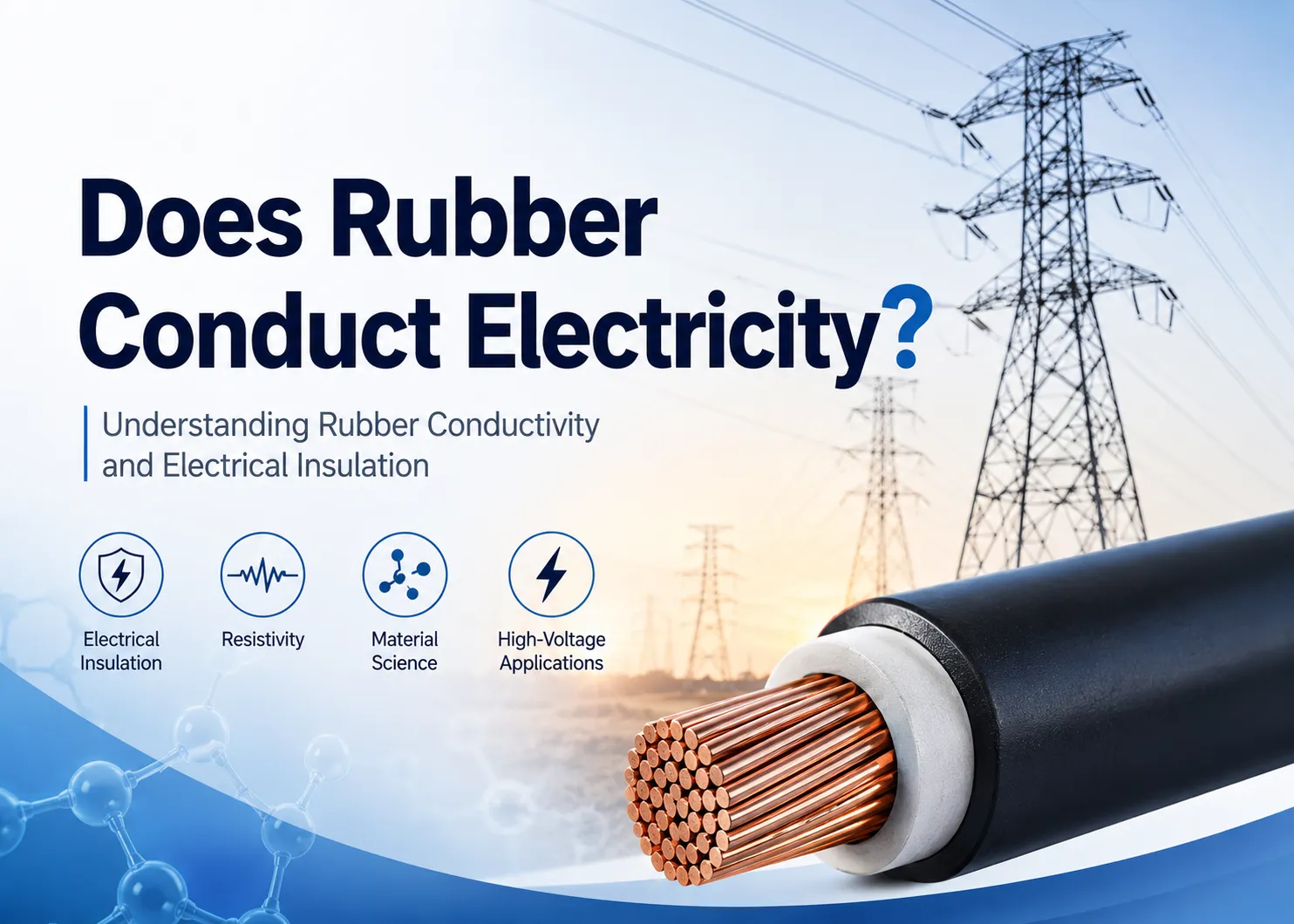
Silicone Rubber Electrical Material Guide Does Rubber Conduct Electricity? Does rubber conduct electricity? In most everyday and industrial applications, standard rubber is considered a poor electrical conductor and is commonly used as an insulating material. However, not all rubber behaves the same way. Silicone rubber, EPDM, natural rubber and other elastomers can provide high electrical […]
O que é um ilhó de borracha para cabos?

Silicone Rubber Component Guide What Is a Rubber Cable Grommet? A rubber cable grommet is a flexible component installed around a hole in a metal, plastic or composite panel to protect electrical wires and cables as they pass through the opening. It prevents the cable jacket from rubbing directly against sharp panel edges and can […]
O que é o dimetilsilicone?
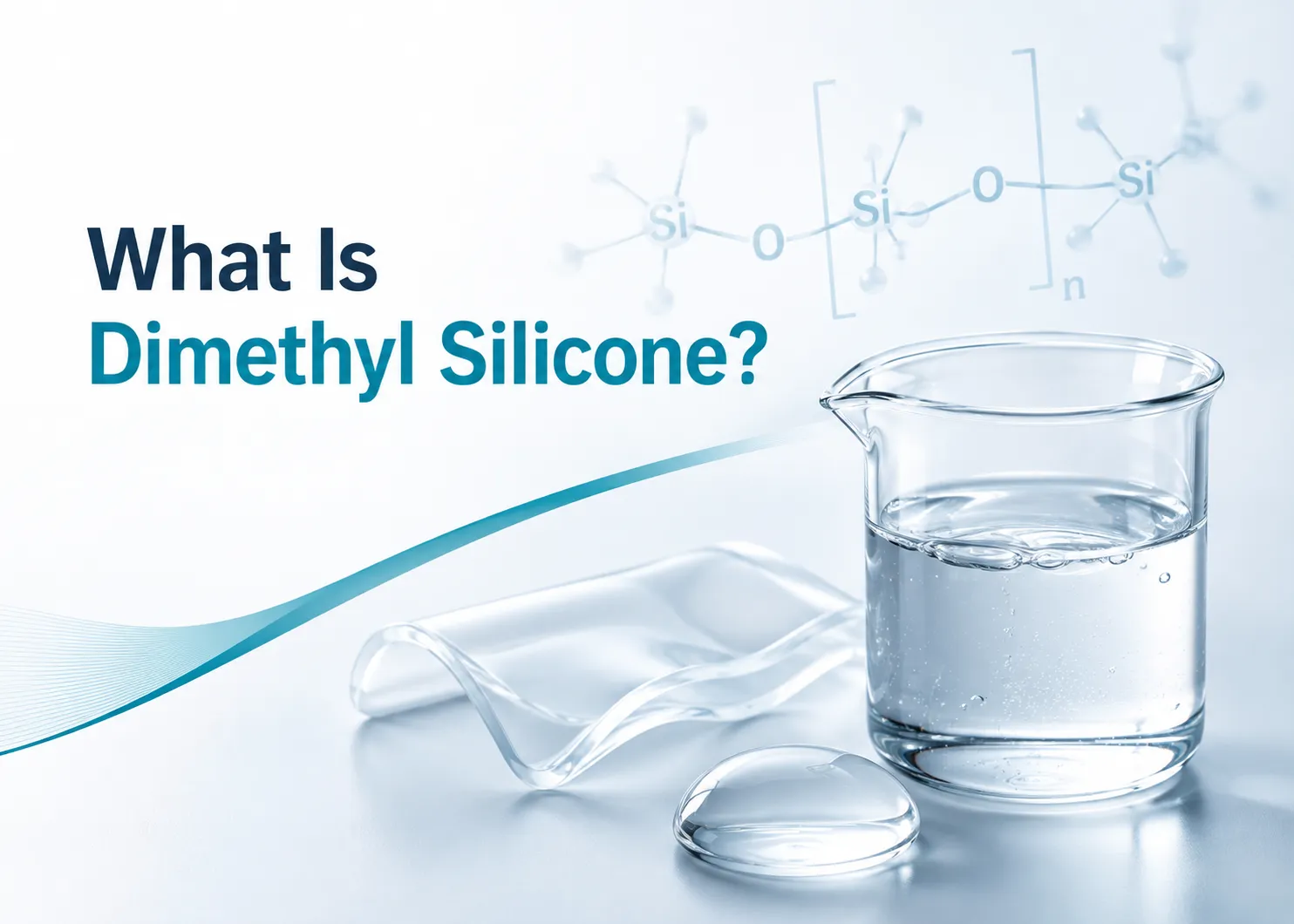
Silicone Rubber Material Guide What Is Dimethyl Silicone? Dimethyl silicone generally refers to silicone materials based primarily on polydimethylsiloxane, or PDMS, in which methyl groups are attached to the silicon atoms along the siloxane polymer backbone. Depending on molecular weight, formulation and crosslinking, dimethyl silicone can exist as a low-viscosity fluid, a high-viscosity polymer gum […]