
Borracha de silicone para altas temperaturas for Long-Term Heat Resistance
High temperature silicone rubber is formulated for molded and extruded components that must retain flexibility, sealing performance and mechanical integrity during prolonged exposure to elevated temperatures. Yakows heat resistant HTV/HCR silicone compounds are designed for demanding industrial applications where conventional elastomers may harden, crack or lose performance under continuous thermal stress.
What Is High Temperature Silicone Rubber?
High temperature silicone rubber is a heat-resistant silicone elastomer developed to maintain useful physical properties during prolonged exposure to temperatures that are difficult for many conventional rubbers.
High temperature silicone rubber is based on the inherently heat-resistant siloxane backbone of silicone elastomers, with the compound formulation optimized to improve thermal aging stability and property retention. In HTV/HCR form, the material can be processed into industrial seals, gaskets, profiles, electrical components, automotive parts and other molded or extruded products.
Heat exposure can gradually change an elastomer's hardness, tensile strength, elongation and compression behavior. A high temperature silicone rubber grade is designed to slow these changes and maintain more stable performance over time. This is particularly important when a component must remain flexible or maintain a reliable seal after hundreds or thousands of hours near a heat source.
Temperature capability should always be evaluated together with exposure duration, airflow, pressure, mechanical load, chemical contact and the geometry of the finished part. A short thermal peak and continuous operation at the same temperature are very different material requirements.
YK-HT grades are developed around long-term elevated-temperature service, with short-duration thermal capability depending on compound, curing conditions and finished-part design.
Yakows YK-HT Series
O Yakows YK-HT Series high temperature silicone rubber is organized by thermal performance rather than hardness alone. This makes material selection more practical for engineers who need to match silicone rubber to continuous operating temperature, thermal peaks, heat-aging duration and long-term property-retention requirements.
Hardness can be adjusted within the available formulation window. The primary difference between YK-HT grades is the level of heat stabilization and the thermal-aging performance targeted for the finished part.
For long-term heat-resistant seals, gaskets, profiles and industrial molded parts with continuous elevated-temperature exposure.
Higher heat-stability grade for demanding automotive, electrical and industrial equipment applications.
Special high-heat formulation for applications requiring qualified exposure close to 300°C and strong heat-aging retention.
- Continuous heat resistance
- Short-term thermal peak capability
- Heat-aging property retention
- Low high-temperature compression set
- Custom Shore A hardness
- Compression / injection / extrusion grades

Core Properties of High Temperature HTV Silicone Rubber
The most useful high-temperature compound is not simply the one with the highest thermal limit. It is the formulation that maintains the required combination of elasticity, strength and dimensional stability throughout the intended service period.
Excellent Heat Aging Resistance
Designed to reduce the rate of hardening, embrittlement and mechanical-property loss during prolonged exposure to elevated temperatures.
Stable Elasticity at Elevated Temperature
Helps seals, gaskets and flexible components maintain useful elastic recovery where conventional elastomers may become stiff or permanently deformed.
Mechanical Property Retention
High temperature silicone rubber is formulated to retain a practical balance of tensile strength, elongation and tear resistance after thermal aging.
Flexibilidade em baixas temperaturas
Silicone elastomers can combine high-temperature capability with flexibility at low temperatures, making them useful for applications exposed to wide thermal cycles.
Weather, Ozone and UV Resistance
Silicone rubber naturally offers strong environmental aging resistance, supporting outdoor and industrial applications where heat is combined with ozone, moisture or UV exposure.

Where High Temperature Silicone Rubber Is Used
Heat-resistant silicone rubber is selected for components located close to engines, heaters, ovens, electrical equipment and other sources of prolonged thermal exposure.

Engine Compartment Seals and Heat-Exposed Components
Automotive systems can expose elastomer parts to sustained heat, vibration and thermal cycling. High temperature silicone rubber is suitable for flexible components that must retain sealing performance and durability near heat-generating equipment.
- High-temperature seals and gaskets
- Connector seals and protective boots
- Engine-compartment silicone components
- Heat-resistant hoses and profiles where applicable

Ovens, Heating Equipment and Industrial Sealing
High temperature HTV silicone rubber can be used in industrial equipment where sealing parts must remain flexible while exposed to hot air, heated metal surfaces or repeated thermal cycles.
- Industrial oven seals
- Heat-resistant gaskets
- Thermal equipment sealing profiles
- Flexible covers and protective components

Heat-Resistant Electrical Components
Silicone rubber can retain dielectric performance and flexibility across a wide temperature range, making high-temperature grades useful for selected electrical insulation and protective components.
- Electrical insulation parts
- High-temperature wire and cable components
- Connector seals and protective parts
- Heat-exposed molded electrical components
The High-Temperature Data Engineers Actually Need
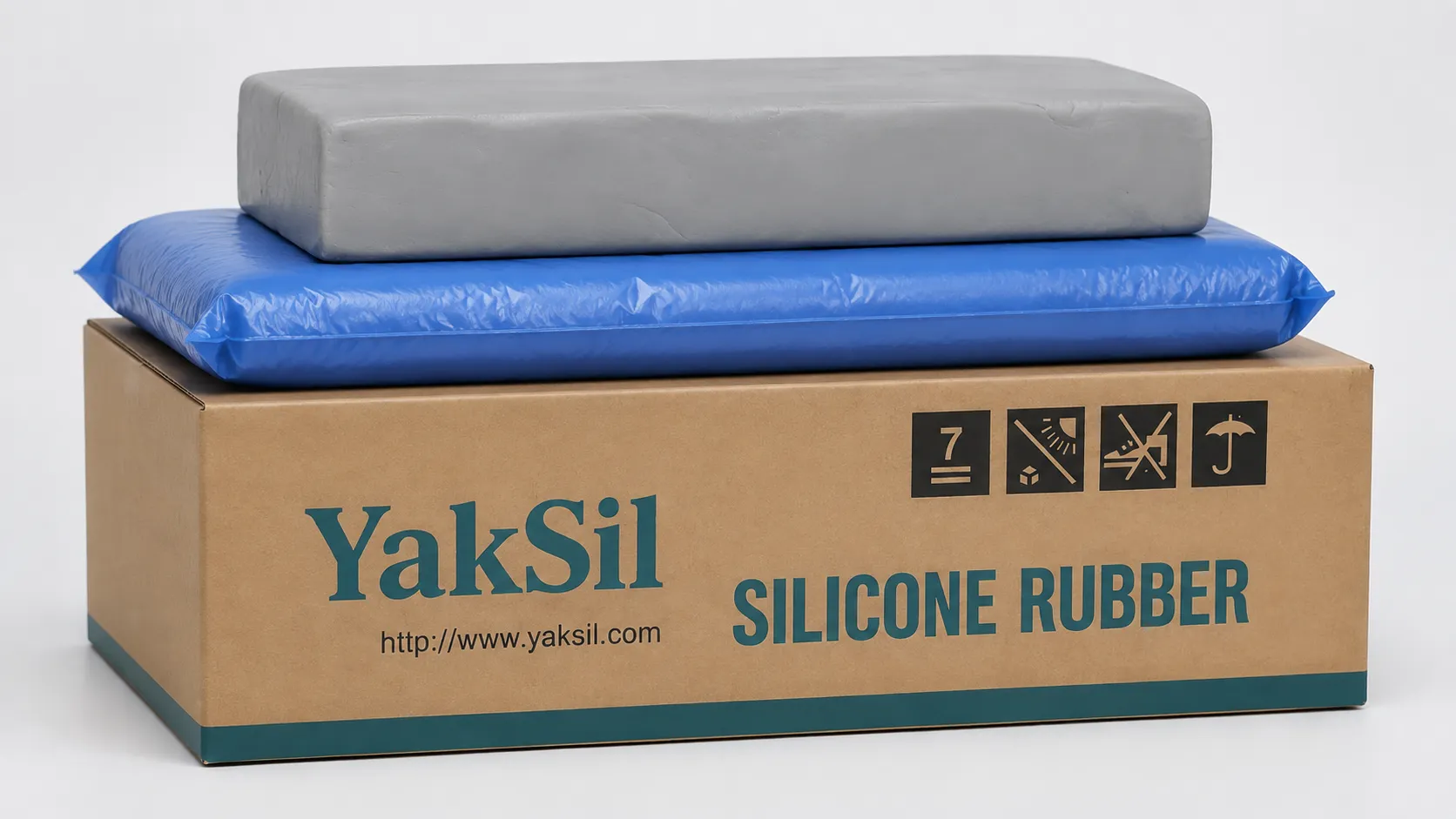
For high temperature silicone rubber, initial hardness and tensile strength are only the starting point. The more important question is how much the compound changes after prolonged thermal exposure. Yakows YK-HT grades are therefore compared primarily by service temperature, heat-aging retention and compression-set performance, while the product visual helps show the physical form of the silicone rubber.
| High-Temperature Parameter | YK-HT230 | YK-HT250 | YK-HT300 |
|---|---|---|---|
| Recommended Continuous Service Temperature Application / duration dependent | Up to 230°C* | Up to 250°C* | Up to 275°C* |
| Short-Term Thermal Exposure Qualified intermittent exposure | Up to 280°C* | Up to 300°C* | Up to 300°C+* |
| Recommended Heat-Aging Evaluation ISO 188 · hot-air aging | 230°C × 168 h | 250°C × 168 h | 300°C × 72 h |
| Hardness Change After Heat Aging Target change from initial Shore A | ≤ +5 | ≤ +7 | ≤ +10 |
| Tensile Strength Retention After specified heat-aging cycle | ≥ 80% | ≥ 75% | ≥ 65% |
| Elongation Retention After specified heat-aging cycle | ≥ 75% | ≥ 65% | ≥ 50% |
| Deformação residual por compressão ISO 815-1 · 200°C × 22 h | ≤ 20% | ≤ 22% | ≤ 25% |
| Available Hardness Shore A · formulation dependent | 40–80 | 50–80 | 50–80 |
* Temperature limits are not universal material guarantees. Actual service capability depends on exposure time, oxygen level, airflow, mechanical load, compression, cure system, post-cure, pigmentation, chemical contact and finished-part geometry. Final application approval should be based on verified Yakows test data and customer validation under representative service conditions.
Designed around stable continuous elevated-temperature service with strong elasticity and sealing retention.
For applications where 250°C-class thermal aging and stronger long-term property retention are required.
Special grade for qualified high-heat applications where short-term exposure close to 300°C is a key requirement.
Choose the grade according to what hardness, elongation and sealing performance must remain after aging.
Initial Properties Still Matter — But They Are Secondary
These baseline values help with molding and mechanical design. For this performance category, however, thermal-aging retention should carry more weight than the initial room-temperature result.
| Initial Property | YK-HT230 | YK-HT250 | YK-HT300 |
|---|---|---|---|
| Typical Hardness Shore A · ISO 48-4 | 60 ± 3 | 60 ± 3 | 60 ± 3 |
| Resistência à tração MPa · ISO 37 | ≥ 9.0 | ≥ 8.5 | ≥ 7.5 |
| Alongamento na ruptura % · ISO 37 | ≥ 450 | ≥ 400 | ≥ 300 |
| Resistência ao rasgo N/mm · ISO 34-1 | ≥ 25 | ≥ 22 | ≥ 15 |
From Silicone Compound Preparation to Final Inspection
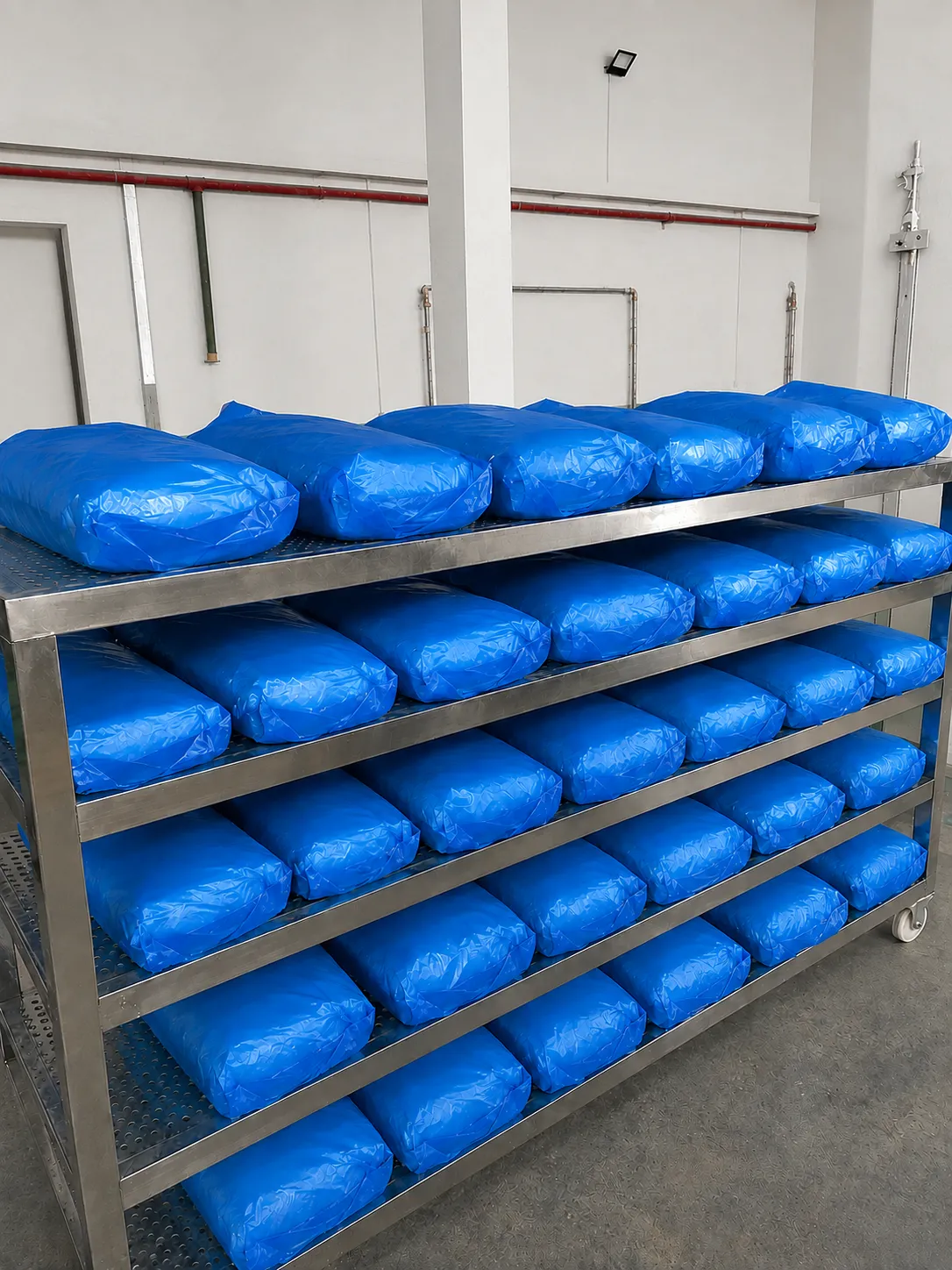
A brief look at the production and quality-control environment behind Yakows silicone rubber compounds. Actual processing conditions are adjusted according to formulation, customer requirements and the intended application.


How to Choose High Temperature Silicone Rubber
Selection should start with continuous temperature, exposure time and required property retention rather than a single “maximum temperature” number.
Define the Normal Operating Temperature
Continuous service at 220°C can be more demanding than a very short peak at 280°C. Specify the normal operating range and how many hours the component is expected to remain at elevated temperature.
Identify the Property That Must Be Maintained
A seal may need to retain compression recovery, while a flexible boot may depend more on elongation and tear resistance. The correct grade depends on the function that cannot be allowed to deteriorate.
Consider Heating and Cooling Cycles
Repeated thermal expansion and contraction can place additional stress on the silicone component, particularly when the part is bonded, compressed or constrained by metal or plastic hardware.
Match the Compound to the Production Process
Compression molding, injection molding and extrusion require different cure behavior, viscosity and handling characteristics. Heat resistance must be balanced with reliable manufacturing performance.
High Temperature Silicone Rubber vs. Standard Silicone Rubber
Both materials share the inherent temperature resistance of silicone, but a dedicated high-temperature grade is formulated for improved retention of performance during more severe or prolonged thermal exposure.
Borracha de silicone para altas temperaturas
Recommended when long-term heat aging and property retention are critical to the application.
- Continuous elevated-temperature service
- Repeated thermal cycling
- Heat-exposed seals and gaskets
- Applications requiring better long-term elasticity
- Components close to engines, heaters or ovens
Standard Silicone Rubber
Suitable for general silicone applications where thermal exposure is less severe or less prolonged.
- Moderate operating temperatures
- Shorter thermal exposure periods
- General-purpose molded components
- Applications without demanding heat-aging retention
- Standard sealing and flexible parts
Why Silicone Rubber Performs Well at High Temperature
Silicone elastomers have a silicon-oxygen backbone that provides greater thermal stability than the carbon-carbon backbone found in many conventional organic rubbers. This structure contributes to the broad operating-temperature range that makes silicone useful in automotive, electrical and industrial applications.
Um dedicado high temperature silicone rubber compound goes further by using a formulation designed to improve thermal aging resistance. Fillers, stabilizing additives, curing system and post-cure conditions can all influence how the material changes after extended exposure to heat.
Continuous Service Temperature vs. Short-Term Peak Temperature
Temperature ratings should always be read together with time. An elastomer may tolerate a short thermal excursion that would cause unacceptable hardening or loss of elongation if maintained continuously. For this reason, engineering discussions should distinguish between normal operating temperature, intermittent peaks and emergency thermal exposure.
The geometry of the part also matters. Thin sections may heat and cool rapidly, while thick molded parts can hold heat for longer periods. Airflow, contact with hot metal, pressure and nearby chemicals can further change the real aging behavior of the silicone rubber.
Heat Aging and Mechanical Property Retention
Thermal aging is commonly evaluated by measuring properties before and after a defined period at an elevated temperature. Engineers may compare changes in hardness, tensile strength, elongation and other characteristics to understand whether the material remains suitable for the intended function.
For a high-temperature seal, a moderate increase in hardness might be acceptable if sealing force is still maintained. For a flexible membrane or protective boot, loss of elongation may be more critical. This is why the correct high temperature silicone rubber grade should be selected around the performance requirement of the actual part rather than only the nominal heat rating.
Compression Set at Elevated Temperature
Seals and gaskets are often held under compression for long periods. At elevated temperature, an elastomer can gradually lose its ability to recover after the compressive load is removed. This permanent deformation is described as compression set and can be a critical factor in long-term sealing reliability.
When compression set is a priority, the compound formulation, cure conditions and post-cure process should be evaluated together. High-temperature capability does not automatically guarantee the lowest compression set for every seal geometry and service condition.
How High Temperature Silicone Rubber Should Be Tested
The most useful material validation reproduces the real service environment as closely as practical. In addition to standard laboratory heat-aging tests, manufacturers may evaluate molded parts after extended exposure at the target temperature and then measure hardness, tensile properties, dimensional change, compression recovery or visual cracking.
For B2B material selection, providing the expected operating temperature, exposure duration, part geometry, mechanical load, color requirement and molding process allows a silicone rubber manufacturer to recommend a more appropriate heat-resistant HTV/HCR compound for evaluation.
Explore Other Yakows Silicone Rubber Performance Solutions
High Temperature Silicone Rubber FAQ
What is high temperature silicone rubber?
High temperature silicone rubber is a heat-resistant silicone elastomer formulated to retain useful flexibility and mechanical properties during prolonged exposure to elevated temperatures.
What temperature can high temperature silicone rubber withstand?
The answer depends on formulation, exposure duration, cure conditions and the finished-part design. Continuous service temperature and short-term peak temperature should always be evaluated separately.
Is high temperature silicone rubber available as HTV or HCR?
Yes. Heat-resistant formulations are commonly supplied as HTV/HCR silicone rubber for compression molding, injection molding and extrusion applications.
What is the difference between high temperature silicone rubber and standard silicone rubber?
A dedicated high-temperature grade is formulated to improve long-term thermal aging behavior and property retention during more severe or prolonged heat exposure.
Can high temperature silicone rubber be used for seals and gaskets?
Yes. It is widely suited to heat-exposed sealing applications, but compression set, sealing pressure and long-term heat aging should be evaluated for the actual seal geometry.
Can Yakows customize high temperature silicone rubber?
The YK-HT Series can be developed around hardness, color, processing method, mechanical requirements and application-specific heat-resistance targets. Final values should be confirmed through product testing.
Select High Temperature Silicone Rubber Around the Real Service Condition
For material evaluation, define the continuous operating temperature, peak temperature, exposure time, processing method, hardness, finished-part geometry and the mechanical properties that must be retained.