Medical Grade Silicone Solution

Биосовместимые силиконовые решения для медицинских изделий, соответствующие требованиям FDA и стандарта ISO 10993

Medical Silicone Material Solutions

Medical Grade Silicone Rubber for Precision Healthcare Components

High-performance silicone compounds for medical tubing, respiratory equipment, flexible seals and precision-molded components.

Yakows supports medical silicone rubber material selection around component geometry, mechanical performance, manufacturing processes and application-specific documentation. From solid HTV silicone rubber to the evaluation of liquid silicone rubber options, material selection starts with the actual requirements of your device.

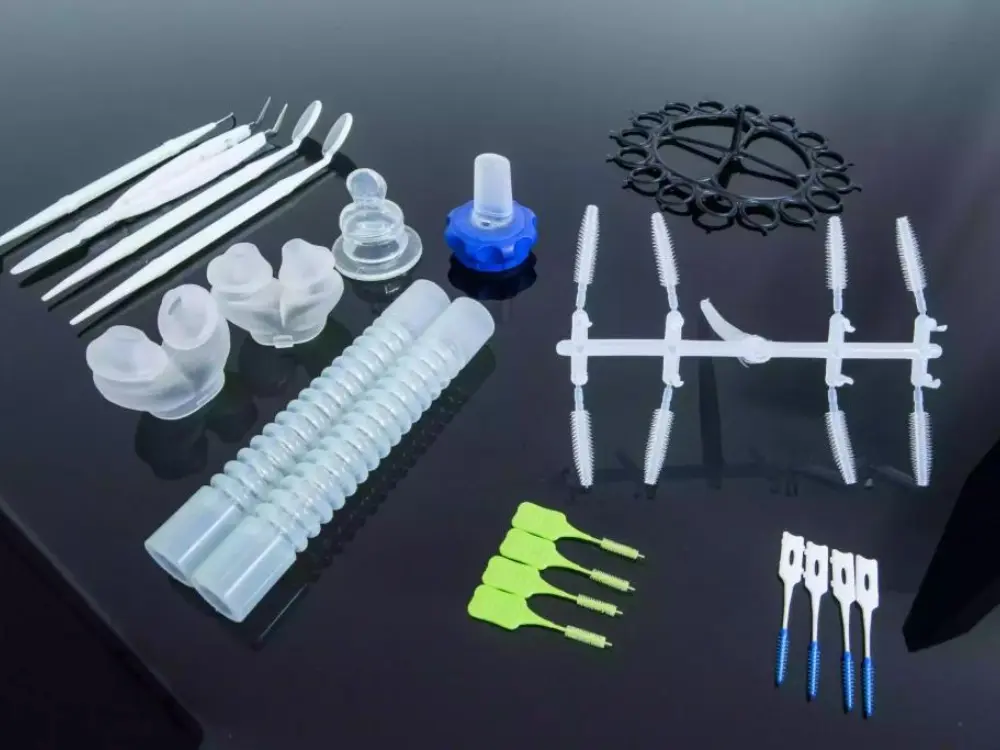
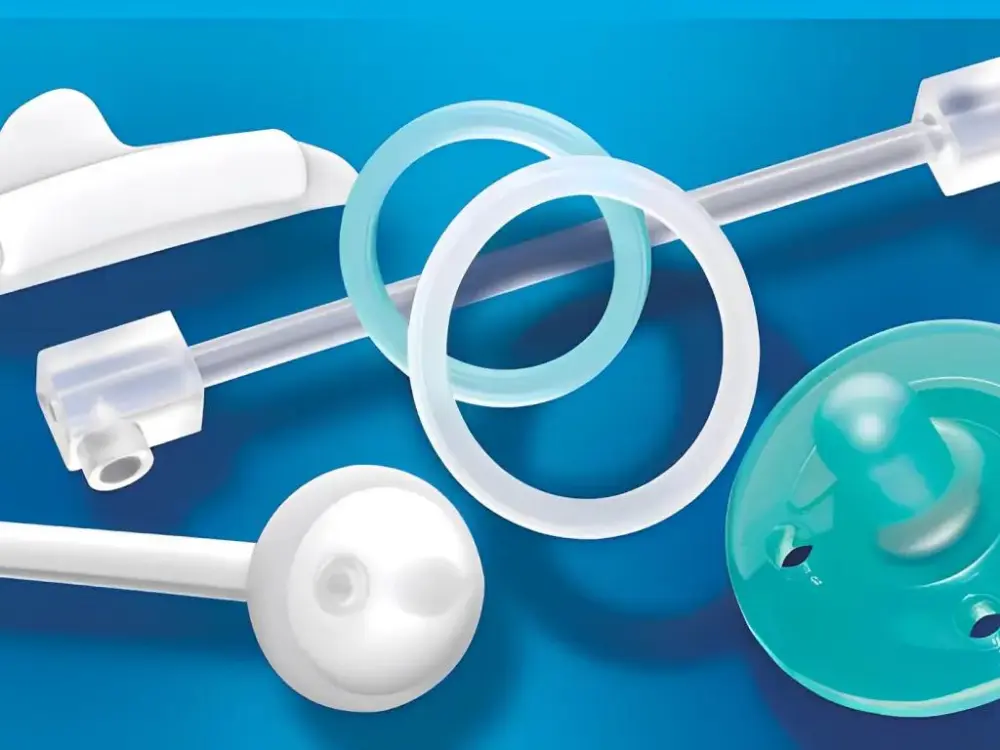
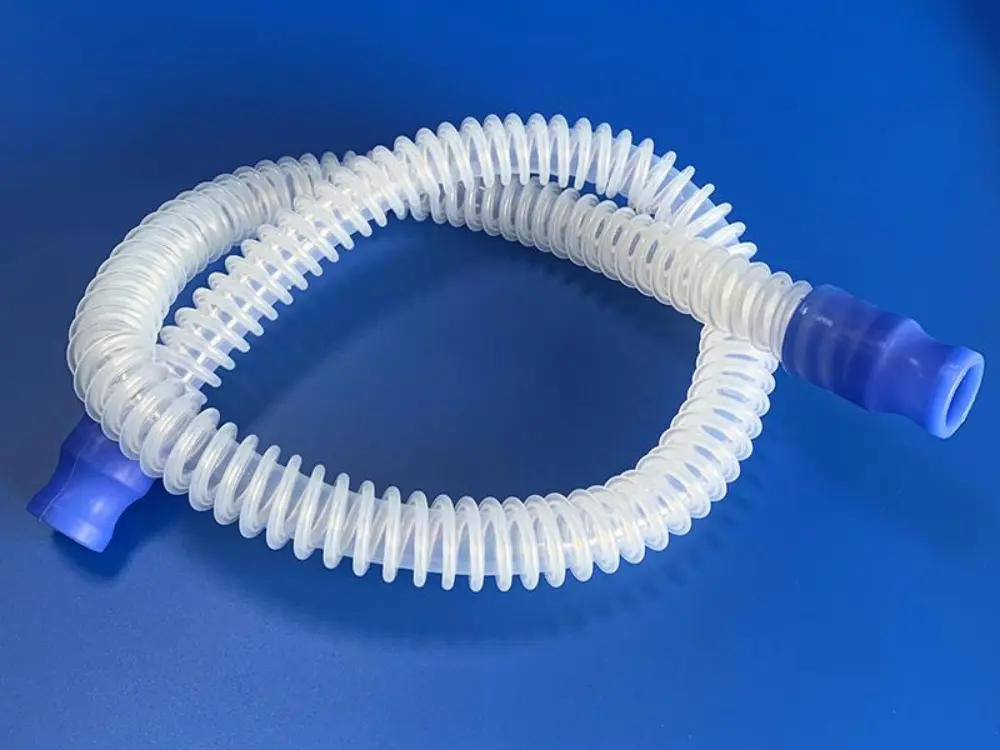
Medical silicone tubing and flexible molded healthcare components
MEDICAL SILICONE APPLICATIONS HTV / HCR · LSR
HTV / HCRSolid silicone rubber compounds
Precision PartsSeals, profiles and molded components
Поддержка образцовMaterial evaluation for new projects
Technical ReviewGrade and document requirements
Material Portfolio

Medical Silicone Rubber Materials for Different Production Processes

Choosing between high-consistency silicone rubber and liquid silicone rubber depends on part design, production equipment, material performance and qualification requirements. Start with the manufacturing process, then narrow the grade according to the finished component.

Silicone tubing and flexible molded silicone components
01 / SOLID SILICONE COMPOUND

Medical Grade HTV Silicone Rubber

High-temperature-vulcanizing, high-consistency silicone rubber for suitable molding and extrusion applications. Grade selection can be based on hardness, mechanical properties, curing behavior and the requirements of the final component.

  • Compression molding and applicable extrusion processes
  • Flexible profiles, tubing and molded elastomer parts
  • Hardness, tensile, elongation and tear-performance evaluation
  • Material documentation review for the intended medical application
View Medical HTV Silicone →
Flexible transparent silicone tubing for component manufacturing
02 / LIQUID INJECTION MOLDING

Liquid Silicone Rubber for Precision Components

Two-component LSR is commonly used for precision injection molding, automated production and complex part geometries. For medical projects, the exact grade and its supporting documentation should be matched to the intended application.

  • Controlled A/B metering, mixing and injection molding
  • Complex geometries, thin sections and repeatable part production
  • Seals, membranes, diaphragms and molded interfaces
  • Project-specific review of biological evaluation and processing
Узнайте больше о жидкой силиконовой резине →
Already have a material grade or component drawing?

Share the specification, target hardness, processing method and expected order quantity for a focused material review.

Discuss Your Requirements →
Material Engineering

What Determines the Performance of Medical Grade Silicone Rubber?

Medical silicone material selection requires a combined evaluation of mechanical behavior, contact conditions, processing consistency and the requirements of the finished device. A single property, such as hardness or tensile strength, cannot establish suitability on its own.

01

Mechanical Integrity

Hardness, tensile strength, elongation and tear resistance affect flexibility, demolding, handling and the ability to withstand repeated deformation.

02

Compression & Sealing

Compression set, elastic recovery and component geometry influence sealing force, leakage control and long-term dimensional behavior.

03

Contact Compatibility

Patient contact, fluid exposure and potential extractables or leachables determine which biological and chemical evaluations may be relevant.

04

Process Consistency

Curing behavior, mold filling, extrusion stability and dimensional repeatability influence production yield and finished-part quality.

Области применения медицинских устройств

Silicone Rubber for Medical Tubing, Respiratory Equipment and Sealing Components

Medical silicone rubber is selected for a wide range of flexible and molded components. Each application has its own mechanical, contact, cleaning and manufacturing requirements.

Transparent flexible silicone tubing samples
01 / Fluid Handling

Медицинские силиконовые трубки

Tubing for suitable medical equipment, laboratory systems and fluid-handling applications. Key considerations include inner diameter, wall thickness, flexibility, kink resistance and fluid compatibility.

Flexible medical silicone respiratory tubing and components
02 / Respiratory Equipment

Respiratory & Breathing Components

Flexible interfaces, breathing-equipment components and selected respiratory accessories may require reliable elasticity, repeated-flex performance, cleanability and consistent sealing.

Medical silicone molded components and flexible profiles
03 / Component Sealing

Medical Seals & Gaskets

Sealing components for medical devices and diagnostic equipment. Material selection should consider compression set, sealing force, mating surfaces, temperature and service cycles.

Flexible silicone components used in healthcare equipment
04 / Patient Interface

Masks & Flexible Interfaces

Selected mask and patient-interface components require a balance of softness, tear resistance, elastic recovery, surface quality and the relevant contact assessment.

Precision silicone parts for diagnostic and laboratory equipment
05 / Diagnostics

Diagnostic & Laboratory Equipment

Flexible seals, protective interfaces and molded parts may require dimensional consistency, resistance to cleaning agents and performance under repeated use.

Silicone tubing and elastomer components for healthcare equipment
06 / Equipment Integration

Medical Equipment Components

Custom elastomer parts can be evaluated against assembly tolerances, operating loads, material interfaces, cleaning conditions and production requirements.

Technical Selection Guide

Medical Silicone Rubber Specifications Buyers Should Evaluate

For OEM purchasing and engineering teams, a useful specification defines the performance required by the finished component and the methods used to verify it.

Material Parameter Engineering Significance What to Specify
Твердость по шкале Шор А Influences softness, deformation, assembly, sealing force and tactile response. Target hardness, tolerance, test method and component function.
Прочность на разрыв Indicates resistance to tensile loading and helps assess material strength. Minimum required value, specimen method and relevant grade data.
Относительное удлинение при разрыве Helps characterize stretching behavior in flexible parts and thin sections. Required elongation range and expected component deformation.
Прочность на разрыв Important for thin edges, demolding, tubing handling and repeated flexing. Test method, minimum target and tear-critical component geometry.
Остаточная деформация при сжатии Helps assess residual deformation after sustained compression. Compression level, temperature, exposure duration and acceptance limit.
Extractables & Leachables Relevant when released substances could affect the device, contacting fluid or patient. Contact conditions, extraction media, exposure duration and evaluation plan.
Совместимость со стерилизацией Heat, moisture, radiation or chemical exposure may change mechanical and surface properties. Sterilization method, operating conditions, cycle count and post-treatment criteria.
Curing & Processing Affects cycle time, mold filling, extrusion stability, surface quality and production yield. Processing route, cure conditions, tooling and any post-curing requirements.
Appearance & Color Transparency, color consistency and surface defects may influence inspection and product design. Color reference, transparency, visual acceptance standard and tolerances.
Traceability & Documents Support incoming inspection, material approval, change control and repeat production. TDS, SDS, COA, applicable test reports, batch identification and document revision.

HTV Silicone Rubber vs. Liquid Silicone Rubber

The best option depends on the part design and manufacturing route, rather than the assumption that one material system is always superior.

Коэффициент сравнения Силиконовый каучук HTV / HCR Жидкий силиконовый каучук (LSR)
Форма материала Solid, high-consistency silicone compound. Two-component liquid or pumpable material system.
Common Processes Compression molding, extrusion and applicable transfer-molding processes. Liquid injection molding with controlled metering and mixing.
Typical Design Fit Profiles, tubing and molded shapes suited to solid-compound processing. Precision geometries, detailed features and repeatable injection-molded parts.
Production Priorities Compound handling, moldability, extrusion behavior and curing consistency. Metering accuracy, mold filling, cure window and automated demolding.
Material Qualification Confirm the selected HTV grade, processing route and required application documents. Confirm the selected LSR grade, molding conditions and required application documents.

Medical Grade vs. Industrial Grade vs. Food Grade Silicone

These material categories address different end-use requirements. Food-contact suitability does not automatically establish medical-device suitability.

Коэффициент сравнения Medical-Application Silicone Industrial Silicone Food-Contact Silicone
Primary Focus Medical device function, biological evaluation and application-specific documentation. Mechanical, thermal, electrical or environmental performance. Compliance with applicable food-contact requirements.
Biological / Contact Evaluation Based on device contact type, duration and risk assessment. Usually defined by the industrial end use. Based on the intended food-contact conditions and applicable requirements.
Key Performance Factors Mechanical properties, contact compatibility, processing and sterilization conditions. Hardness, strength, temperature, weathering or electrical properties. Food-contact conditions, temperature, formulation and applicable migration requirements.
Purchasing Documents Grade-specific data and applicable medical evaluation reports. Industrial technical data and required quality records. Applicable food-contact declarations and supporting test documentation.
Compliance & Qualification

Medical Silicone Rubber Documentation for Material Approval

A supplier's material documents should support the actual application and the qualification process of the finished medical device.

For medical silicone procurement, engineering, quality and regulatory teams should align on the applicable test scope before approving a grade for production. Document review should cover the material identity, test conditions, results and relevance to the intended use.

Q / A

Clear qualification requirements help reduce unnecessary sample rounds and make repeat-order material control more consistent.

01

ISO 10993 Biological Evaluation

ISO 10993 is a series of standards for biological evaluation of medical devices. Relevant endpoints depend on the device, the nature and duration of contact, and the biological risk assessment.

02

USP Class VI

USP Class VI refers to a biological reactivity testing classification under USP General Chapter <88>. It is distinct from ISO 10993 and does not by itself establish suitability for every medical application.

03

FDA Regulatory Requirements

FDA requirements depend on the intended use, device classification and applicable regulatory pathway. Material-related evidence should be evaluated in the context of the finished device.

04

TDS, SDS & COA

Technical data sheets, safety data sheets and certificates of analysis support material review, safe handling, incoming inspection and batch-related quality checks.

05

Traceability & Change Control

Material identification, batch records, document revision and agreed change-notification procedures support ongoing supply and production qualification.

Material Qualification Workflow

From Medical Silicone Specification to Production Supply

Early agreement on the material specification and test criteria helps engineering, quality and procurement teams move from initial evaluation to repeatable manufacturing.

ШАГ 01

Define the Application

Identify the finished component, contact conditions, operating environment, sterilization method and expected service conditions.

ШАГ 02

Review the Material

Compare candidate grades against hardness, mechanical properties, manufacturing process and required supporting documentation.

ШАГ 03

Evaluate Samples

Review material data and assess sample behavior using the intended component design and relevant manufacturing conditions.

ШАГ 04

Approve for Production

Establish the approved grade, acceptance criteria, required quality records, packaging and repeat-order requirements.

Technical Inquiry

Request Medical Grade Silicone Rubber for Your Next Project

Get the conversation started with your component specification, target properties and purchasing requirements.

Yakows welcomes inquiries from medical equipment manufacturers, silicone component manufacturers and OEM procurement teams seeking suitable silicone compound options.

01
Application & DrawingPart name, component drawing, dimensions and intended function.
02
Material & ProcessHTV/HCR or LSR preference, molding or extrusion method.
03
Mechanical PropertiesHardness, tensile strength, elongation, tear strength and compression set.
04
Contact & SterilizationContact type, duration, media exposure and sterilization conditions.
05
Required DocumentsApplicable test reports, material data, quality records and traceability needs.
06
Quantity & DeliverySample requirement, estimated order volume, packaging and delivery schedule.
Часто задаваемые технические вопросы

Medical Grade Silicone Rubber: Common Buyer Questions

Technical answers to help purchasing and engineering teams evaluate medical silicone materials before requesting a quotation.

What is medical grade silicone rubber?

Medical grade silicone rubber is silicone material selected and evaluated for a defined medical or healthcare application. The required properties and evidence depend on the intended contact, device function, manufacturing process and applicable qualification requirements.

Is medical grade silicone rubber automatically FDA approved?

No. The term medical grade does not mean that every material has received FDA approval. Applicable requirements depend on the intended use and regulatory pathway. Buyers should review grade-specific documentation and the requirements for the finished device.

What is the difference between medical grade HTV and LSR?

HTV/HCR is a solid, high-consistency compound commonly used for compression molding and extrusion. LSR is a two-component material generally processed through liquid injection molding. The choice depends on part geometry, production equipment, volume and the qualification requirements of the selected grade.

Can medical silicone rubber withstand autoclave, EtO or gamma sterilization?

Compatibility depends on the selected formulation, sterilization method, exposure conditions, number of cycles and finished-part design. Steam autoclave, ethylene oxide and gamma radiation are different processes; performance should be assessed for the actual method and conditions.

What material properties matter most for medical silicone tubing?

Common considerations include hardness, tensile strength, elongation, tear strength, flexibility, dimensional consistency, fluid compatibility and the requirements associated with the intended contact. Tube diameter, wall thickness and manufacturing conditions also influence final performance.

What documents should I request from a medical silicone supplier?

Depending on the application, buyers may need a technical data sheet, safety data sheet, certificate of analysis, relevant biological evaluation reports, traceability records and applicable compliance documentation. Confirm the document scope for the selected grade and intended use.

Can I request samples before placing a bulk order?

Sample evaluation can be discussed with Yakows. Provide the intended application, target properties, manufacturing process, required documentation and expected quantity so the appropriate material options can be reviewed.

What information is needed for a medical silicone rubber quotation?

Share the application, material preference, target hardness and mechanical properties, processing method, contact and sterilization conditions, required documentation, estimated order quantity and delivery target. A drawing or existing specification can help accelerate material review.

Work With Yakows

Find the Right Silicone Rubber Material for Your Medical Device

Discuss your application, material properties and documentation requirements with Yakows. Start with a technical inquiry to identify suitable material options for evaluation.

Запросить коммерческое предложение на силиконовую резину

Обратитесь к нашим экспертам по силиконовой резине

Ищете подходящий силиконовый каучук для ваших задач? Наша команда готова помочь вам с выбором материала, определением технических требований, подготовкой образцов и составлением коммерческого предложения.

Подписывайтесь на нас: