
Silicone Rubber Types and Distinctions
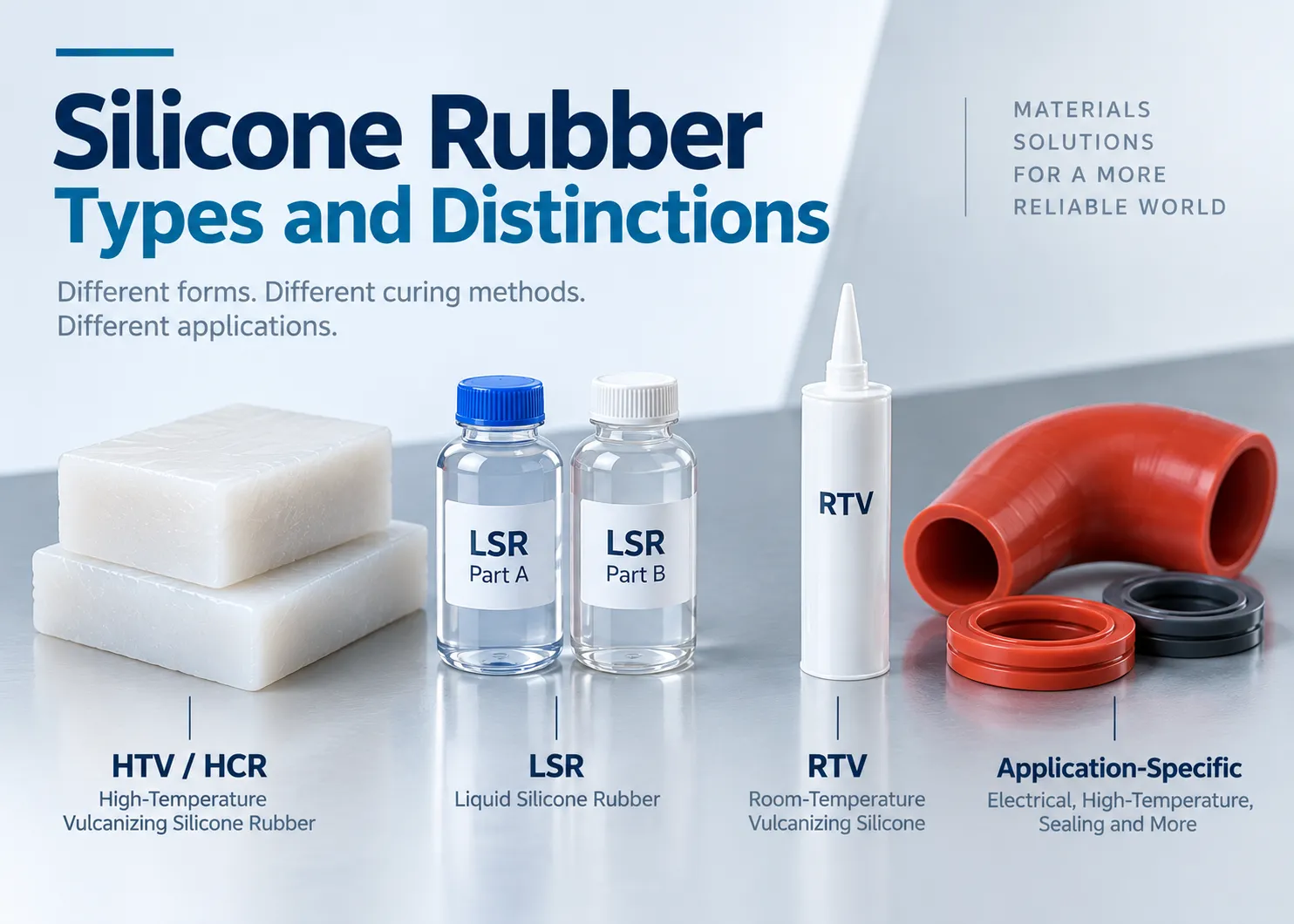
Silicone Rubber Types and Distinctions Silicone rubber is not a single material. It is a broad family of elastomers that can differ significantly in viscosity, curing chemistry, processing method, mechanical properties and end-use performance. HTV, HCR, LSR and RTV are some of the most common terms, but they describe different ways silicone materials are formulated, […]
8 Steps in the HTV Silicone Rubber Manufacturing Process
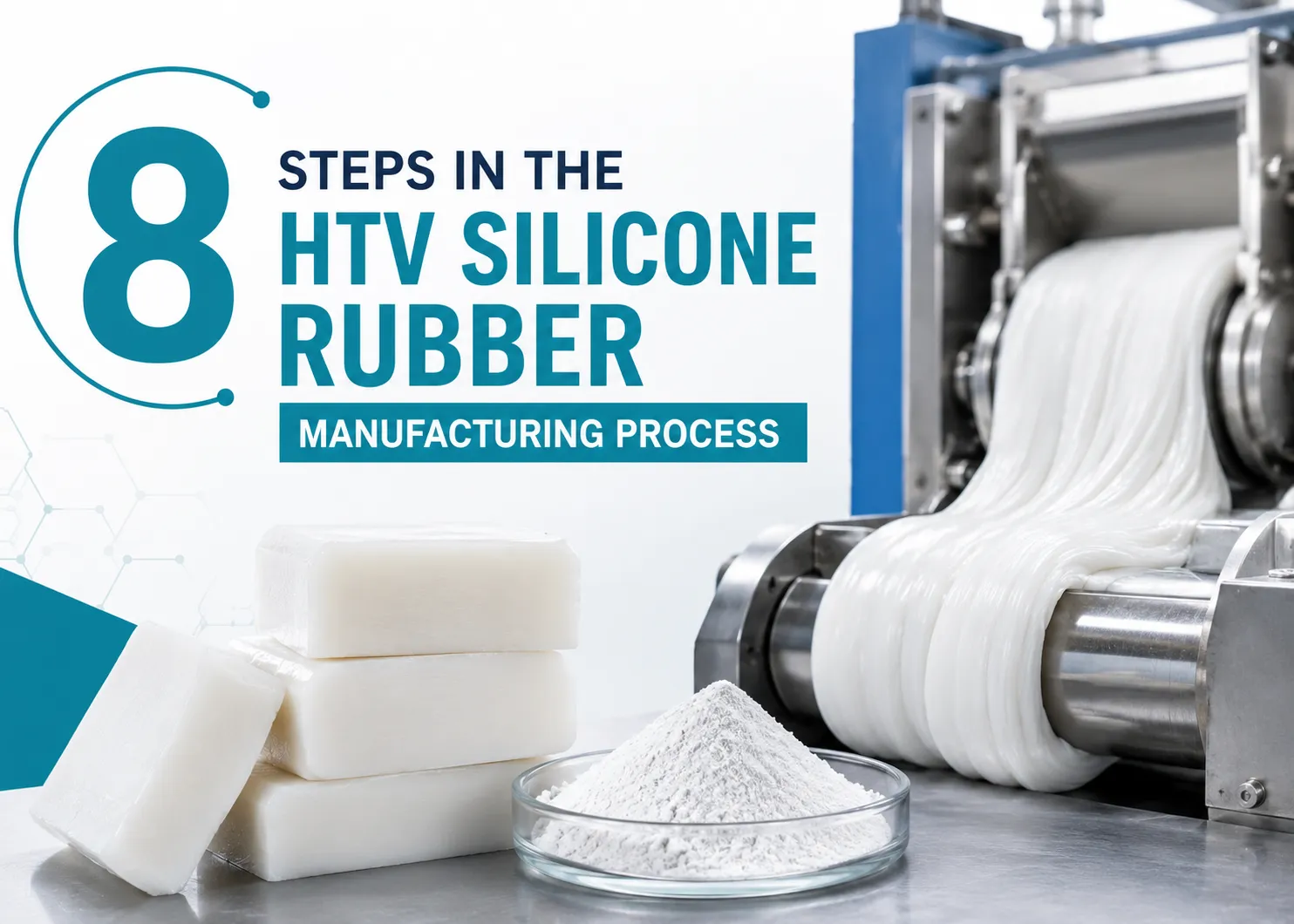
8 Steps in the HTV Silicone Rubber Manufacturing Process HTV silicone rubber is not made by simply mixing silicone gum with a curing agent. A finished high-consistency silicone compound is the result of controlled polymer selection, filler reinforcement, intensive mixing, heat treatment, additive adjustment, filtration and quality testing. Each stage affects how the material behaves […]
Are Silica Gel and Silicone Rubber the Same?
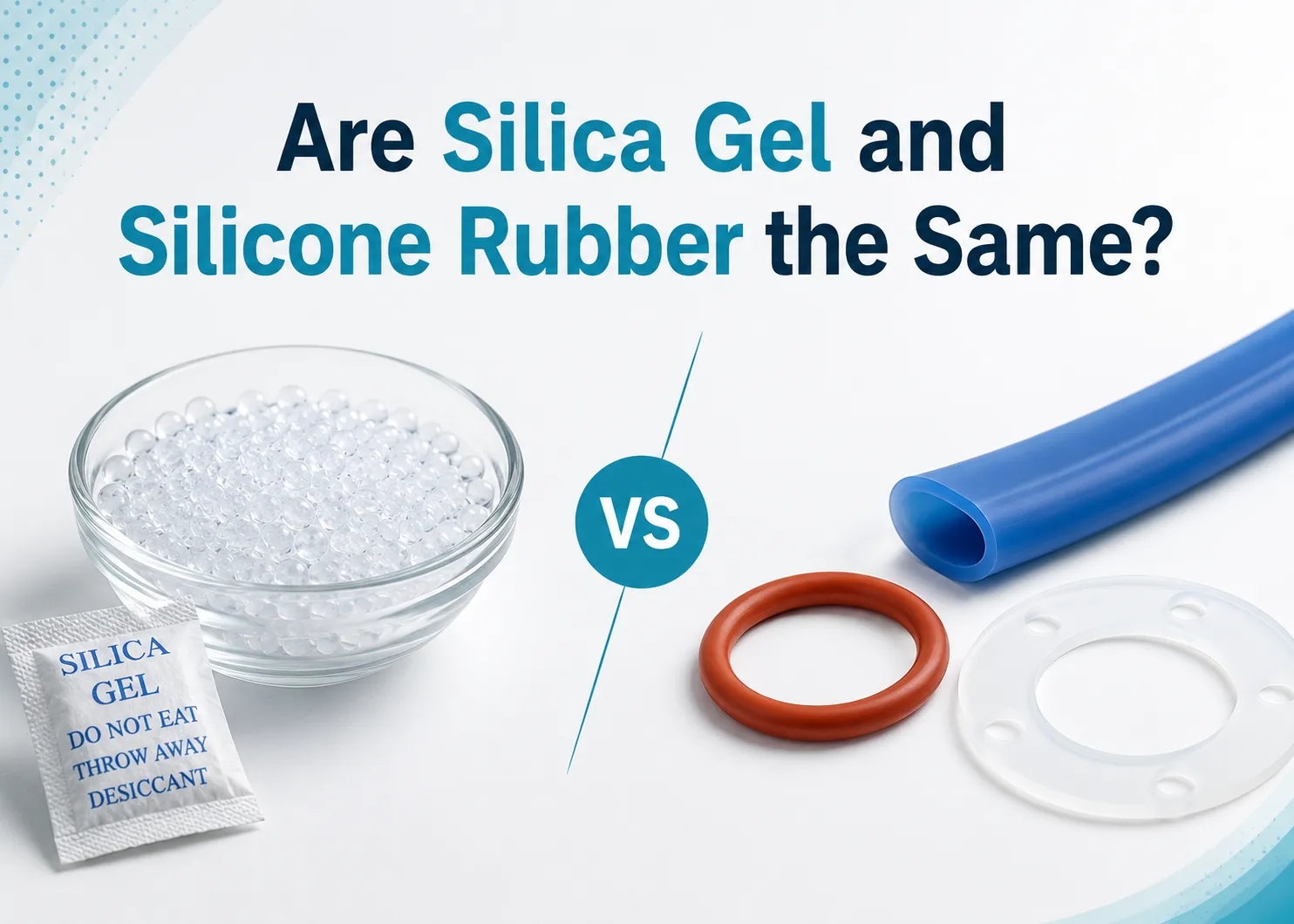
Are Silica Gel and Silicone Rubber the Same? No. Silica gel and silicone rubber are not the same material. Silica gel is a porous, inorganic form of silicon dioxide mainly used to absorb moisture, while silicone rubber is a flexible, crosslinked elastomer based on organosilicon polymers. They both contain silicon and oxygen, which is why […]
Silicone Rubber in High-Voltage Applications
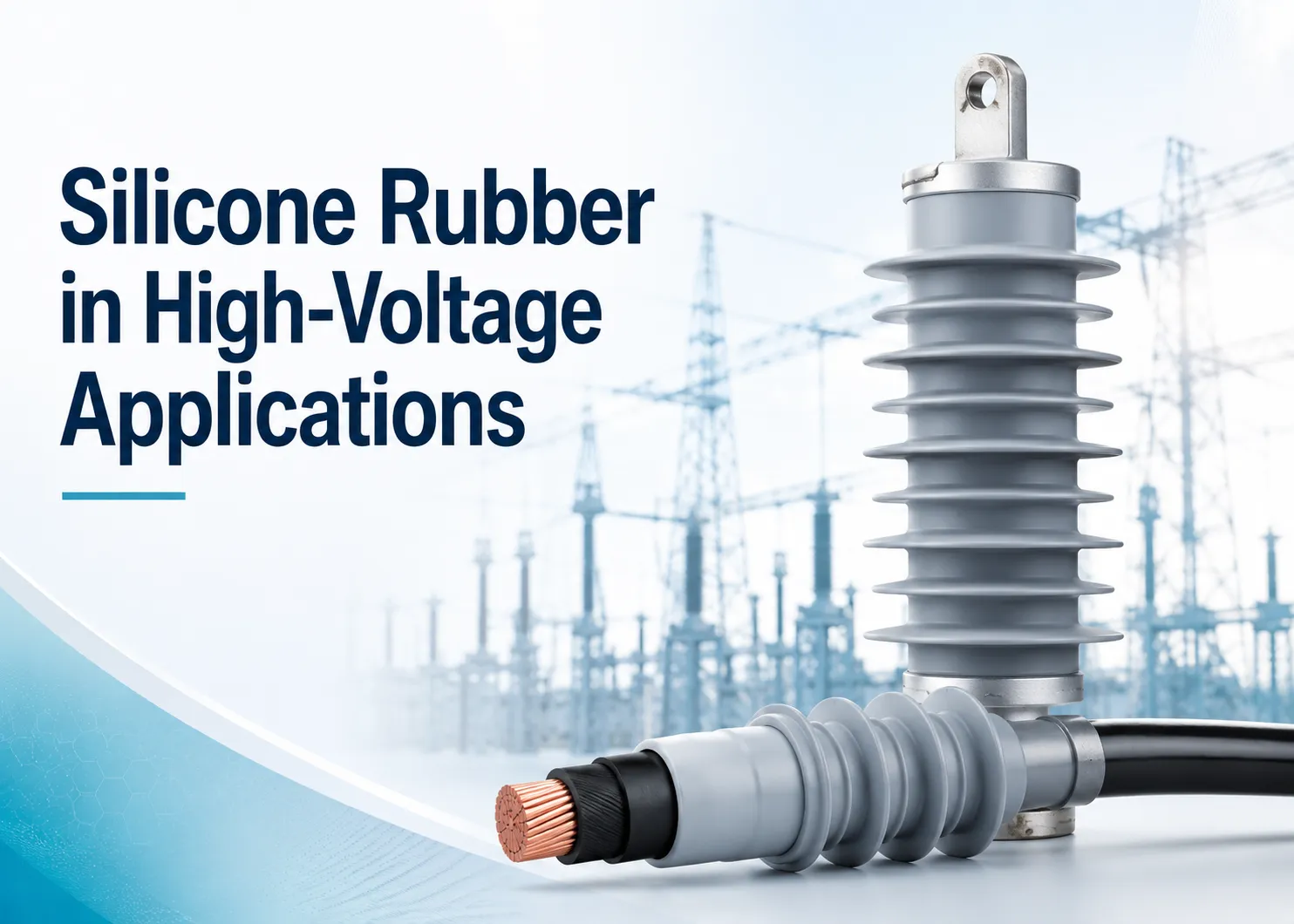
Silicone Rubber in High-Voltage Applications Silicone rubber has become an important insulating material in modern high-voltage systems because it combines electrical insulation, flexibility, weather resistance and long-term outdoor performance. Composite insulators, cable systems, electrical connectors and EV components, however, place much greater demands on an elastomer than ordinary molded products. Heat, moisture, pollution, corona, electrical […]
High Temp Silicone for Industrial Use
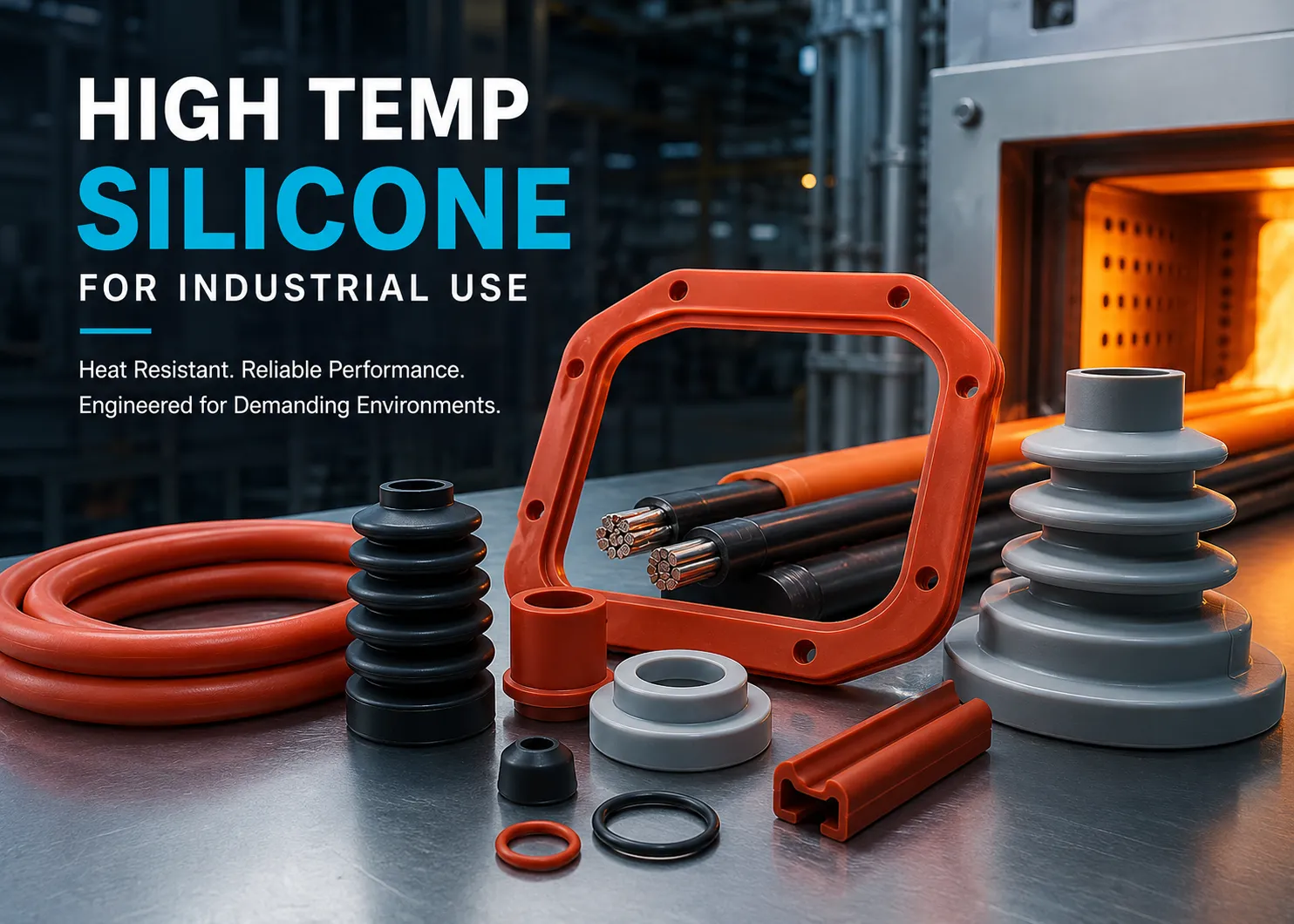
Industrial Silicone Rubber Guide High Temp Silicone for Industrial Use High temp silicone is widely used when rubber components must remain flexible, electrically insulating and mechanically stable in environments where ordinary elastomers begin to harden, crack or lose performance. In industrial applications, however, “high temperature” should never be treated as a single number. Continuous operating […]
How Many Valence Electrons Does Silicon Have?
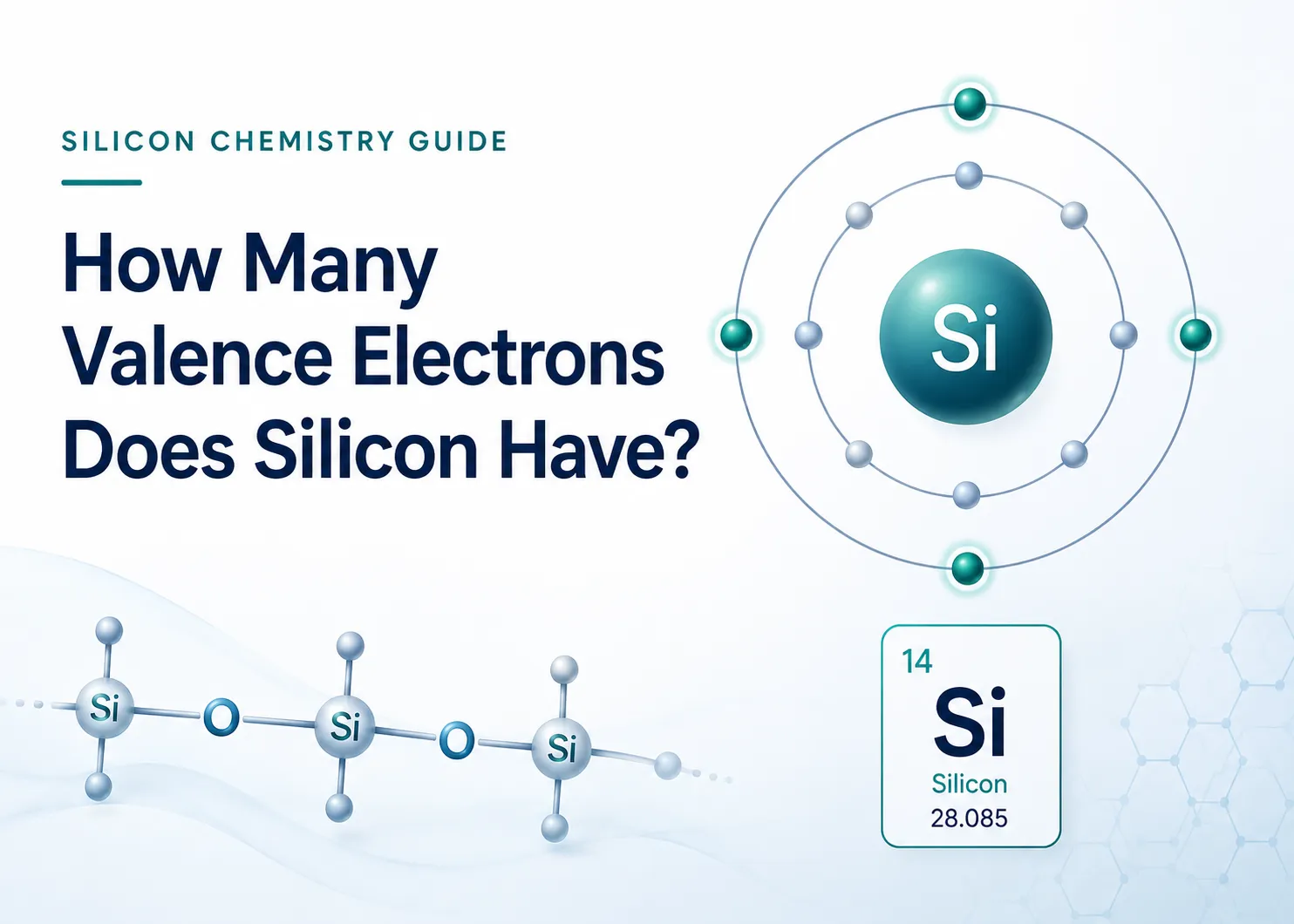
Silicon Chemistry & Silicone Rubber How Many Valence Electrons Does Silicon Have? Silicon has 4 valence electrons. Its atomic number is 14, and its electron configuration is 1s² 2s² 2p⁶ 3s² 3p². The four electrons in the outermost third energy level are its valence electrons, which strongly influence how silicon forms chemical bonds. This basic […]
Food Grade Silicone Supplier

Food Contact Silicone Rubber Food Grade Silicone Supplier Choosing a reliable food grade silicone supplier requires more than checking hardness, color or processing method. Silicone materials used in food-contact applications must combine stable physical properties with carefully controlled formulations and appropriate compliance documentation for the markets where the finished product will be sold. Yakows provides […]
Как улучшить адгезию силикона

Silicone Rubber Processing Guide How to Improve the Adhesion of Silicone Improving silicone adhesion is one of the most common challenges in silicone rubber manufacturing. Silicone elastomers offer excellent heat resistance, flexibility, weatherability and electrical insulation, but their naturally low surface energy can make reliable bonding difficult. Strong adhesion normally depends on more than choosing […]
Как регулировать твердость силикона?
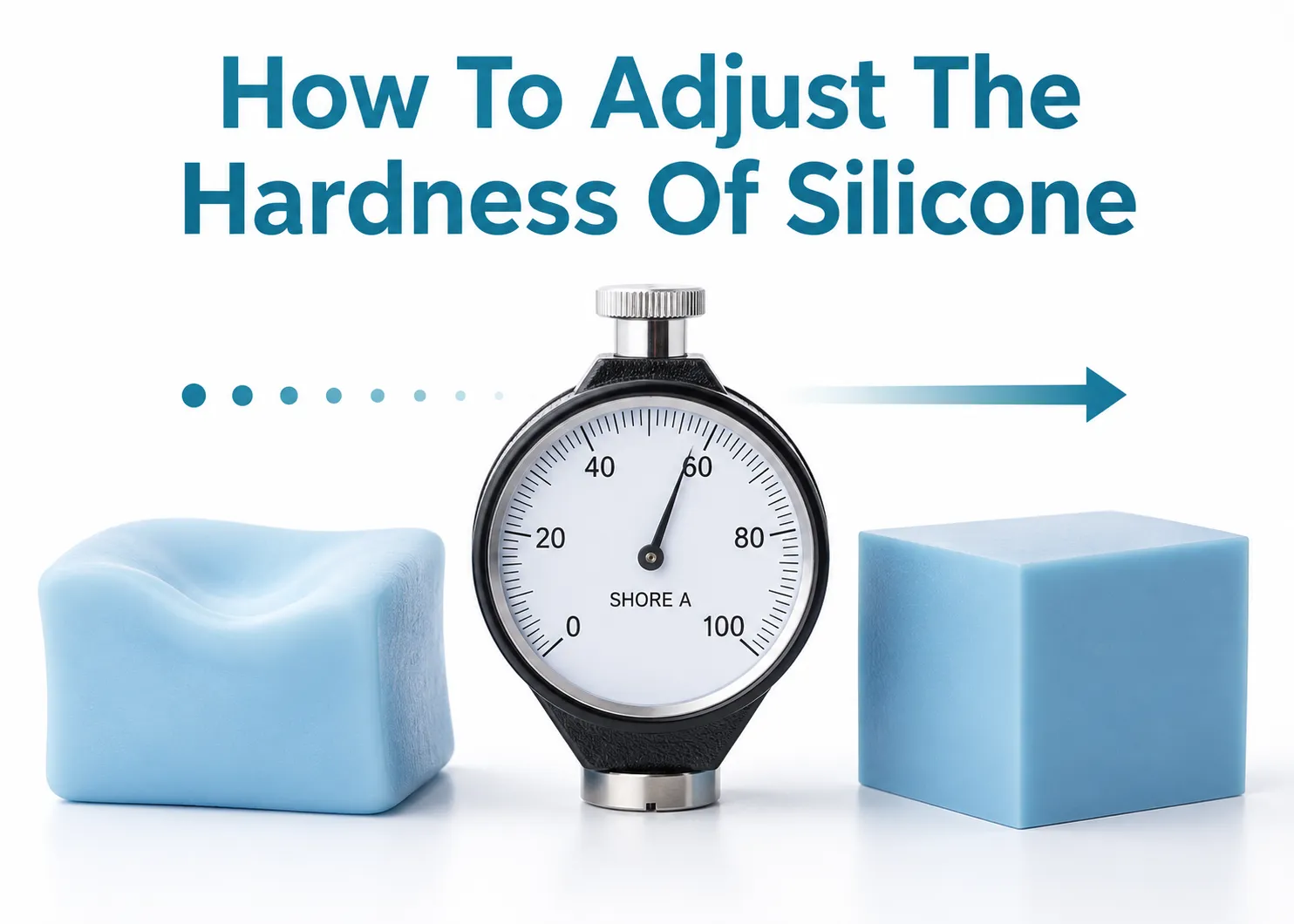
Silicone Rubber Formulation Guide How To Adjust The Hardness Of Silicone Adjusting silicone hardness is not simply a matter of adding more or less curing agent. In industrial silicone rubber, hardness is the result of the complete formulation, including the silicone polymer, reinforcing filler, crosslink density, processing additives and curing conditions. For HTV and HCR […]
Silicone Rubber: Conductor or Insulator?
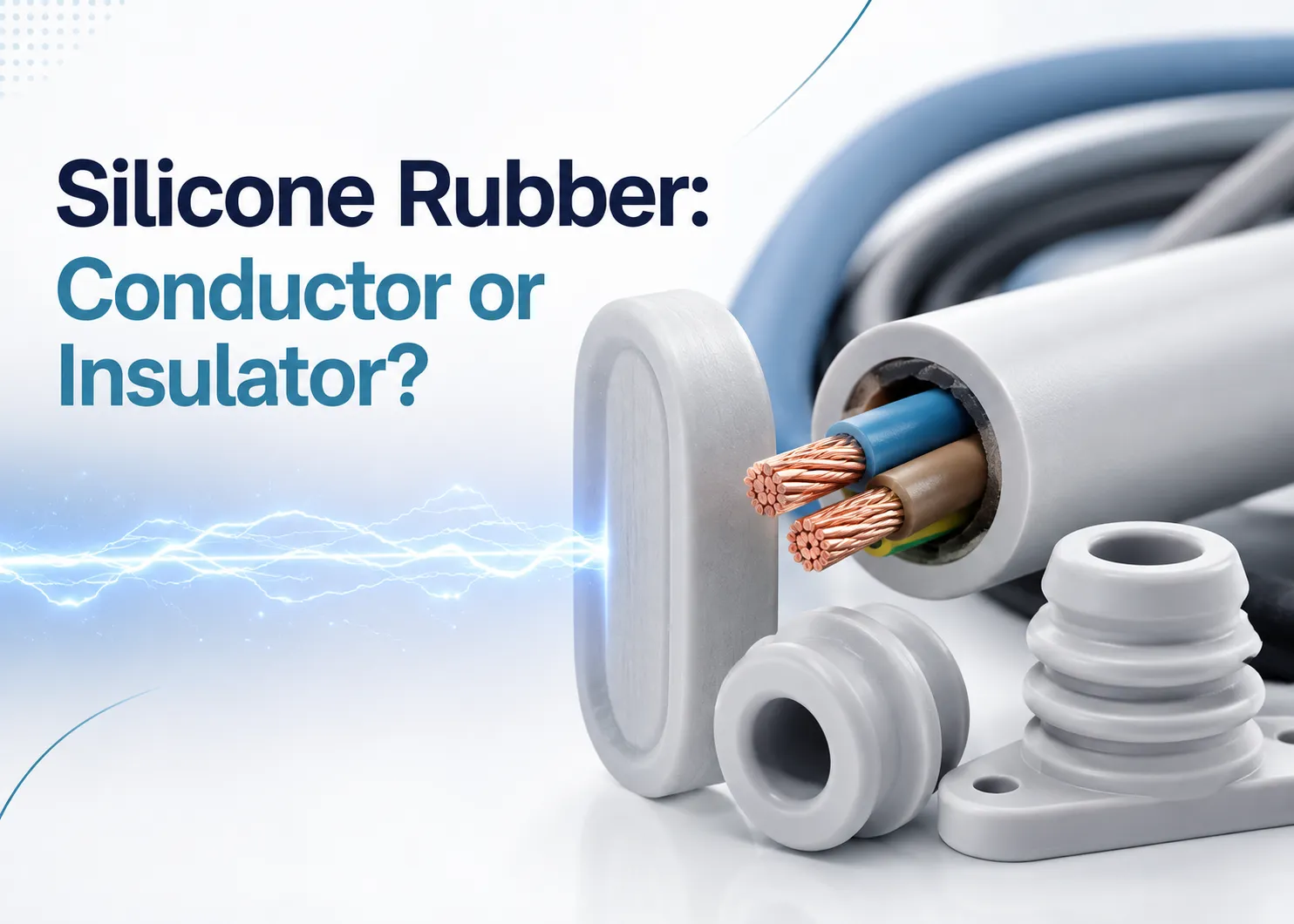
Silicone Rubber Electrical Material Guide Silicone Rubber: Conductor or Insulator? Silicone rubber is generally an electrical insulator, which is one reason it is widely used in wire and cable, electrical connectors, EV components, high-voltage insulation and outdoor electrical equipment. However, silicone rubber is not always insulating. By changing the formulation and adding conductive fillers, manufacturers […]