01 / CHOCOLATE & CONFECTIONERY
Flexible Chocolate & Candy Molds
For detailed chocolate bars, candy pieces and multi-cavity confectionery shapes, the material must balance flexibility, surface detail and repeated release.
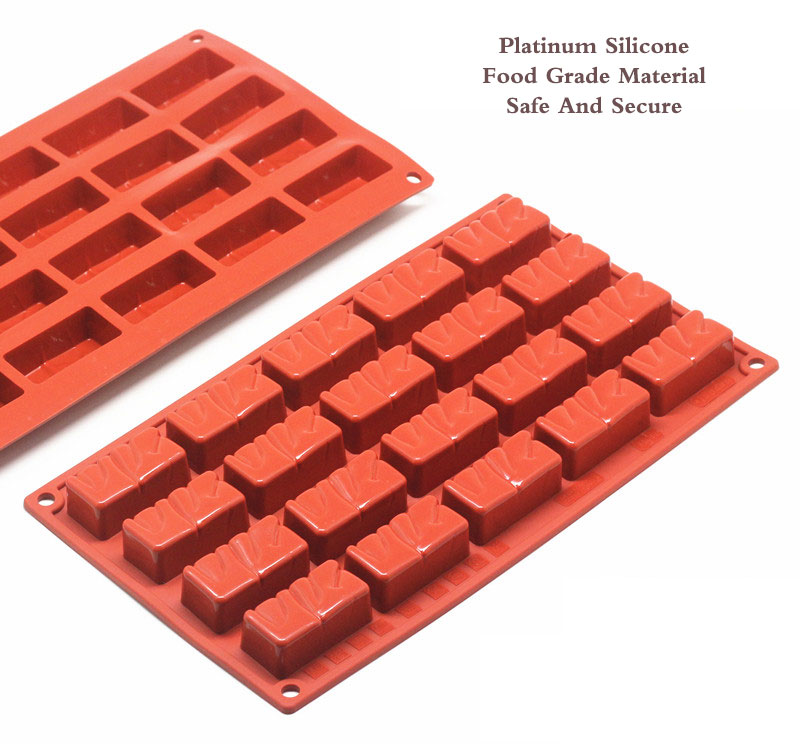

In September 2025, a manufacturer in Iran, Middle East, completed a batch of flexible food-contact kitchenware using Yakows food-grade HCR / HTV silicone rubber for confectionery, baking and dessert preparation. Yakows supplied the raw silicone rubber compound, and the customer processed it into finished silicone products.
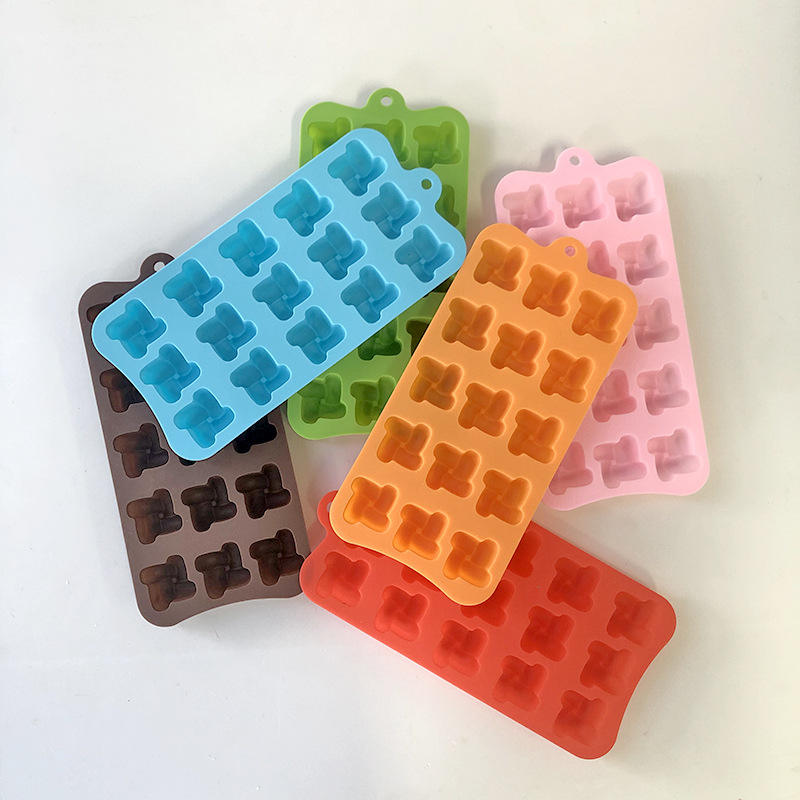
The customer operates in Iran, within the Middle Eastern food-tool and confectionery supplies market. The production project was completed in September 2025. Its manufacturing program focused on flexible silicone products used in everyday food preparation, including the types of molds and trays used for chocolate, cakes, pastry decoration and chilled desserts.
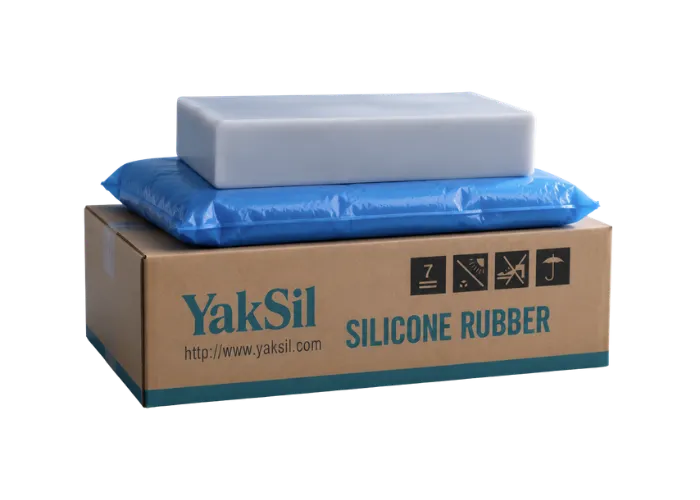
For this production batch, the customer purchased food-grade silicone rubber as a manufacturing raw material rather than buying ready-made silicone kitchenware. Yakows supplied the HCR / HTV compound, while the customer was responsible for forming, curing and finishing the utensils using its own manufacturing process.

The customer’s food-contact kitchenware project focused on silicone items for chocolate-making, baking, pastry preparation and chilled desserts. Each finished format places different demands on the rubber used to produce it.
For detailed chocolate bars, candy pieces and multi-cavity confectionery shapes, the material must balance flexibility, surface detail and repeated release.
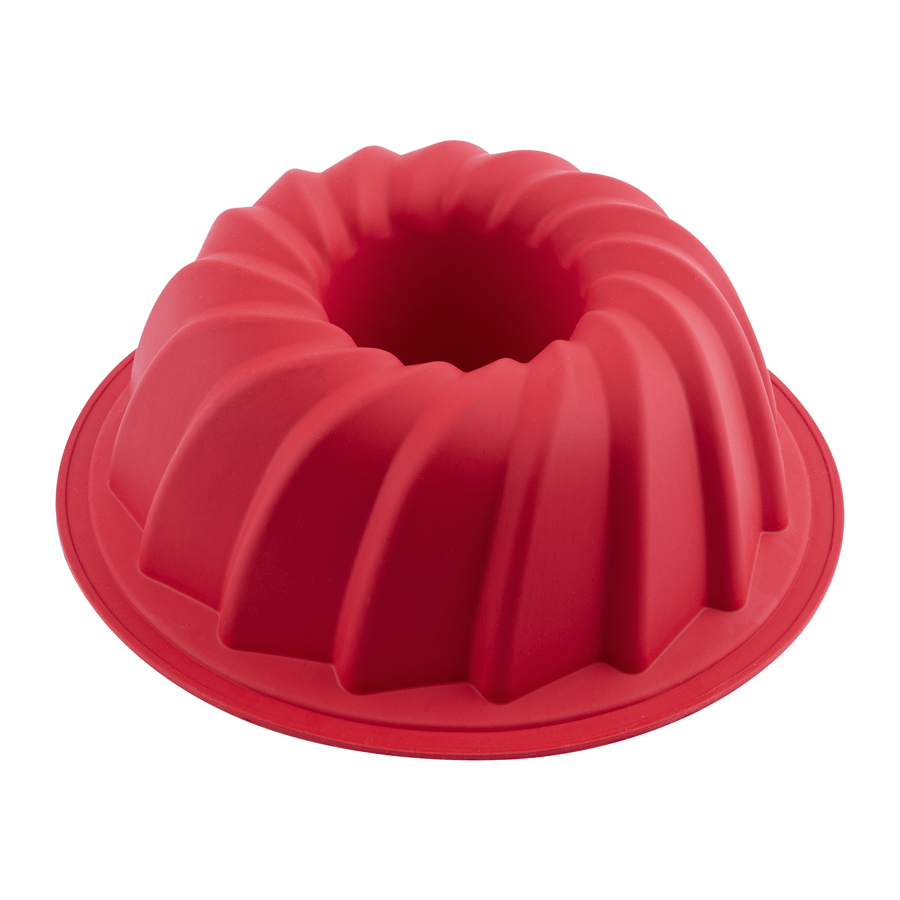
Food-grade silicone is processed into flexible baking forms and trays. Material selection considers dimensional support, removal from the mold and relevant oven-use conditions.
Soft, tear-resistant silicone enables thin sections and detailed decorative impressions used for fondant, sugarcraft and pastry-making tools.

Flexible trays and molds for chilled desserts benefit from elastic recovery and a material grade suitable for repeated use at the intended temperatures.
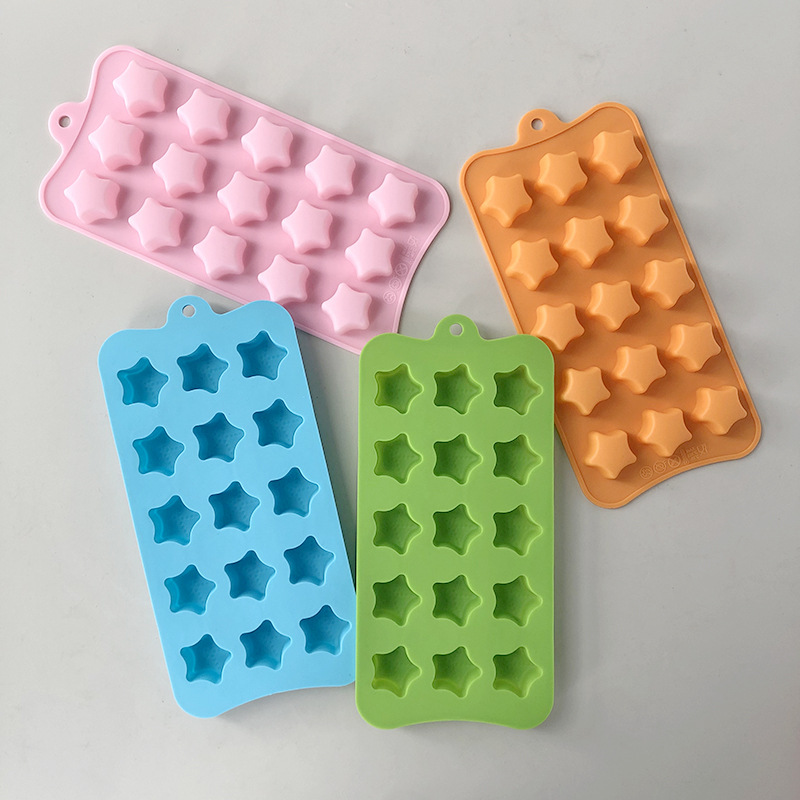
Producing several kitchenware formats from silicone rubber requires attention to food contact, release performance, mechanical durability and the actual processing conditions.
The formulation and the finished utensils need to be evaluated for the relevant food types, contact time, temperatures and sales-market requirements.
Chocolate and bakery utensils benefit from low odor, consistent pigmentation, clean surfaces and appropriate cure or post-cure processing.
Mold walls and detailed cavities must flex during removal without unwanted deformation or tearing; suitable Shore A and tear strength matter.
A manufacturing batch needs repeatable compound handling, curing and appearance to support the customer’s range of utensils.
Yakows supplied solid food-grade silicone rubber compound as the starting material for the customer’s finished silicone utensils. The compound serves the molding process, while decisions about final hardness, appearance, cure conditions and use-specific testing must be matched to the individual kitchenware design.
The project followed the essential supply-to-manufacture sequence: food-use requirements, Yakows raw material supply, customer-side processing and completed utensil production.
The customer’s range involved food-contact utensils and molds used for confectionery, baking and dessert preparation.
Yakows supplied food-grade silicone rubber compound for the customer’s manufacturing work.
The customer converted the supplied silicone rubber into flexible kitchenware using its own equipment and processing conditions.
The customer completed a batch of silicone kitchenware using the supplied Yakows rubber for its food-tool product range.
The result of the September 2025 project in Iran was a completed batch of food-contact silicone kitchenware manufactured by the customer using Yakows-supplied silicone rubber. This is a downstream manufacturing application of Yakows raw material—not a project where Yakows sold ready-made utensils.
The case illustrates how food-grade HCR / HTV silicone can support practical kitchenware manufacturing. Final-product compliance, performance and release for sale remain dependent on the particular formulation, processing conditions and verification of the finished articles.
Flexible chocolate molds, reusable bakeware and dessert trays benefit from silicone rubber properties such as elasticity, thermal performance and mold release. These benefits must be achieved with the appropriate grade and finished-part process.
Material declarations and food-contact testing must be checked for each formulation and intended use. A material described as food grade does not automatically certify every finished utensil.
Review the intended food type and contact conditions when evaluating food-contact testing, odor and extractable or migration requirements.
Specify actual use and cleaning temperatures. Cure, aging and thermal cycling should be qualified on the molded article.
Compare softness, release, tear and appearance on production tooling rather than relying on a generic material description.
If you manufacture silicone baking products, chocolate molds, kitchen utensils or dessert tools, Yakows can discuss the appropriate HCR / HTV grade and a material supply proposal. Share your intended finished article and processing requirements to request an informed quotation.
| Purchase Item | Information to Specify |
|---|---|
| Product & tooling | Chocolate / cake / pastry / dessert mold; cavity geometry or sample photo |
| Material grade | Food-grade solid HCR / HTV; preferred cure system and target Shore A |
| Внешний вид | Natural / translucent / custom color; surface and odor expectations |
| Food-use conditions | Food type, maximum / minimum contact temperature and cleaning method |
| Document package | TDS, SDS, COA and any grade-specific FDA / LFGB requirements |
| Commercial terms | Trial quantity, estimated kg per month, packaging and destination |
Discuss a silicone rubber supply plan for chocolate molds, reusable bakeware, pastry tools or other food-contact utensils. Send Yakows your product type, molding process, hardness preference, food-contact market, estimated batch size and delivery destination.