
What is Flame Retardant Polymer?
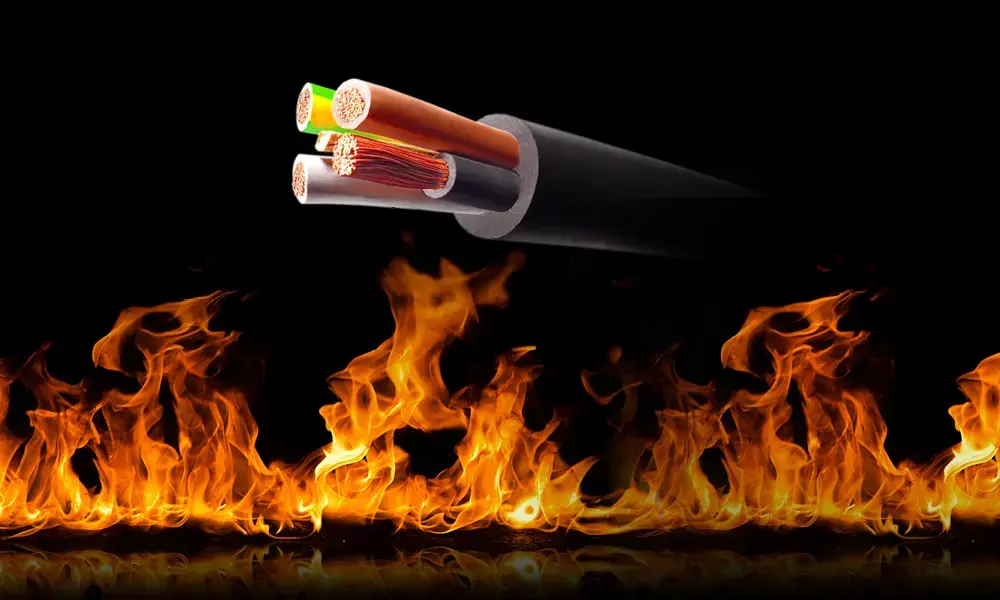
A flame retardant polymer is a polymeric material designed to resist ignition, slow flame spread, reduce heat release, limit burning droplets, or extinguish after an ignition source is removed. These materials are widely used in electrical equipment, power cables, electronics, transportation, construction, batteries, appliances, and industrial machinery. However, flame retardant does not mean fireproof. A flame retardant polymer can still burn under sufficiently severe fire conditions, and its performance must always be evaluated using the test method required for the final product.
What Does Flame Retardant Polymer Mean?
Most commonly used polymers contain carbon and hydrogen. When exposed to sufficient heat, their molecular chains begin to decompose through a process known as thermal degradation or pyrolysis. This decomposition can release combustible gases. If those gases mix with oxygen and reach an ignition source, they may burn above the surface of the material. The flame then transfers additional heat back into the polymer, producing more fuel and sustaining the combustion cycle.
A flame retardant polymer is formulated or chemically designed to interfere with one or more stages of this cycle. It may require more energy to ignite, generate fewer combustible gases, form a protective char layer, cool itself through an endothermic reaction, dilute the flame with non-combustible gases, or interrupt chemical reactions inside the flame.
The term may refer to an inherently flame-resistant polymer whose molecular structure naturally provides improved fire behavior, or to a conventional polymer modified with flame retardant additives. It may also describe a polymer protected by a flame retardant coating, barrier layer, or composite structure.
How Does a Flame Retardant Polymer Work?
Flame retardant systems use several physical and chemical mechanisms. One formulation may rely mainly on a single mechanism, while another may combine multiple mechanisms to achieve the required balance of flame performance, mechanical strength, electrical insulation, processing stability, and cost.
1. Protective Char Formation
Some flame retardant systems encourage the polymer surface to form a stable carbonaceous char. This char acts as a barrier between the heat source and the underlying material. It can reduce heat transfer, slow oxygen penetration, and limit the release of combustible decomposition products.
Intumescent systems provide a more visible form of this mechanism. When heated, they swell and create a thick, insulating foam-like char. Intumescent formulations commonly combine an acid source, a carbon source, and a blowing agent. They are used in coatings, cable compounds, transportation parts, construction products, and protective enclosures.
2. Endothermic Cooling
Mineral flame retardants such as aluminum hydroxide and magnesium hydroxide absorb heat as they decompose. This endothermic reaction cools the polymer and releases water vapor, which can dilute combustible gases near the burning surface.
Mineral systems can also leave an inorganic residue that contributes to a protective barrier. Their limitations include relatively high loading levels, increased density, and possible reductions in flexibility, impact strength, or processing efficiency.
3. Gas-Phase Flame Inhibition
Some flame retardant chemistries act primarily in the gas phase. They release species that interfere with the highly reactive chemical radicals responsible for maintaining combustion. By interrupting these reactions, the system can reduce flame intensity or help the flame extinguish after the ignition source is removed.
Halogen-containing systems have historically been effective through this mechanism, often with synergists. However, environmental regulations, recycling requirements, smoke concerns, and customer specifications have increased demand for halogen-free alternatives in many applications.
4. Fuel and Oxygen Dilution
Certain flame retardant systems release water, carbon dioxide, nitrogen, or other non-combustible gases when heated. These gases can dilute the combustible decomposition products and reduce the local oxygen concentration near the flame.
5. Ceramic or Inorganic Barrier Formation
Silicone-based materials, mineral-filled polymers, nanocomposites, and specialty additives may form a heat-resistant inorganic or ceramic-like layer. This layer can slow flame spread, reduce dripping, and protect the material underneath. Barrier performance is especially valuable in cables, battery systems, fire-protection components, and high-temperature electrical equipment.
Main Types of Flame Retardant Polymers
| Material type | Flame retardant approach | Typical applications |
|---|---|---|
| Inherently flame-resistant polymers | Flame performance comes mainly from the polymer's molecular structure | Aerospace parts, high-temperature electronics, industrial insulation |
| Mineral-filled polymers | Endothermic cooling and inorganic residue formation | Cable sheathing, construction products, transportation components |
| Phosphorus-based systems | Char formation, condensed-phase action, or gas-phase activity | Engineering plastics, epoxy resins, electronics, coatings |
| Nitrogen-based systems | Gas dilution, char formation, and intumescent action | Polyolefins, polyamides, coatings, electrical components |
| Halogenated systems | Primarily gas-phase flame inhibition | Electrical housings, connectors, selected industrial plastics |
| Silicone and ceramic-forming systems | Heat-resistant barrier or ceramic residue formation | Fire-survival cables, battery protection, high-temperature seals |
| Intumescent polymers and coatings | Expansion into an insulating carbonaceous layer | Construction, cable protection, transportation, enclosures |
No flame retardant chemistry is universally superior. The correct system depends on the base polymer, processing temperature, required flame classification, component thickness, electrical properties, environmental targets, smoke requirements, mechanical performance, and final product regulations.
Inherently Flame-Resistant vs. Additive Flame Retardant Polymers
Inherently flame-resistant polymers contain molecular structures that naturally resist ignition or promote char formation. Examples may include selected high-performance aromatic polymers, polyimides, polyetherimides, polyphenylene sulfide, and other specialty engineering materials. These polymers can deliver strong thermal and flame performance without a large concentration of separate flame retardant additives.
Their disadvantages may include higher raw-material cost, more demanding processing conditions, limited flexibility, or reduced suitability for high-volume commodity applications.
Additive flame retardant polymers begin with a base material such as polyethylene, polypropylene, polyamide, polyester, polyurethane, epoxy, ABS, or a polymer blend. Flame retardant additives are incorporated during compounding or resin production. This approach gives formulators considerable flexibility, but the additives can affect viscosity, molding behavior, color, density, impact strength, elongation, electrical tracking resistance, and long-term aging.
Reactive flame retardants are chemically incorporated into the polymer network rather than simply mixed into it. They may offer better resistance to migration or extraction, although their practical performance still depends on the complete chemistry and manufacturing process.
Flame Retardant Polymers in the Power and Electrical Industry
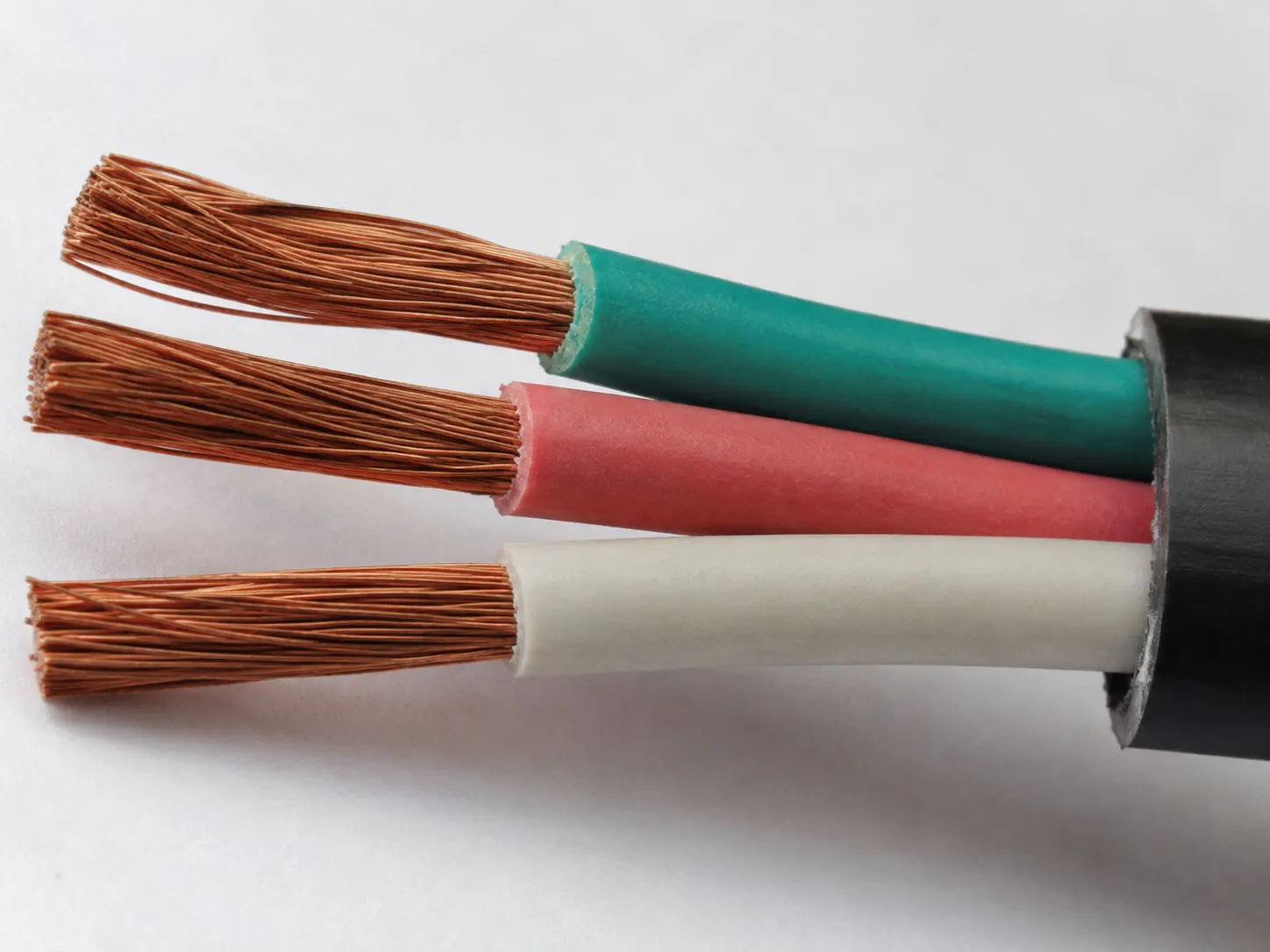
The power industry depends heavily on polymeric materials for electrical insulation, mechanical protection, environmental sealing, and structural support. These materials may be installed close to energized conductors, heat-generating components, switching devices, batteries, transformers, and potential ignition sources. For this reason, flame retardant polymer compounds are commonly used in cable insulation, cable jackets, connectors, terminal blocks, switchgear, circuit breakers, busbar supports, transformer components, meter housings, electrical cabinets, and charging equipment.
In cable systems, the objective is often to reduce the distance that a flame can travel along a single cable or a group of cables. This is especially important in power plants, substations, industrial facilities, tunnels, data centers, railway systems, ships, buildings, and underground installations, where many cables may be installed together.
Flame retardant cable should not be confused with fire-resistant or circuit-integrity cable. A flame retardant cable is designed primarily to limit ignition or flame propagation. A fire-resistant cable is designed to continue carrying power or signals for a specified period under defined fire conditions. These are different performance requirements and normally involve different tests and cable constructions.
Low-smoke, halogen-free cable compounds are also widely specified in enclosed or densely occupied environments. However, halogen free does not automatically mean flame retardant, and flame retardant does not automatically mean low smoke. Flame spread, smoke density, corrosive gas generation, toxicity, and circuit integrity must be evaluated separately.
Electrical engineers must also consider dielectric strength, comparative tracking performance, volume resistivity, thermal aging, moisture resistance, flexibility, abrasion, oil resistance, conductor operating temperature, and compatibility with other cable layers. A formulation that achieves excellent flame performance but loses electrical insulation or cracks during installation is not a successful cable material.
Other Important Industrial Applications
Electronics and Electrical Appliances
Flame retardant polymers are used in computer housings, power supplies, connectors, relays, switches, circuit-breaker components, printed circuit boards, battery chargers, lighting equipment, home appliances, and telecommunications devices. These applications often require thin-wall performance, good electrical insulation, dimensional stability, and reliable processing at high production volumes.
Electric Vehicles and Battery Energy Storage
Electric vehicles and energy-storage systems use flame retardant polymers in battery-module frames, cell holders, high-voltage connectors, busbar covers, cable insulation, thermal barriers, sensor housings, and charging systems. Materials may be exposed to electrical faults, elevated temperatures, vibration, coolant, thermal cycling, and possible battery thermal events.
A polymer rating alone cannot prevent thermal propagation inside a battery pack. Battery safety depends on cell chemistry, pack architecture, thermal management, spacing, barriers, venting, detection systems, electrical protection, and complete-system testing.
Automotive, Rail, Marine, and Aerospace
Transportation applications use flame retardant polymers in interior panels, wire harnesses, seat components, ducts, connectors, insulation, lighting, control units, and structural composites. These industries may impose additional requirements for smoke, toxic gas generation, heat release, vibration, chemical resistance, weight, and long-term durability.
Construction and Public Infrastructure
Flame retardant polymers appear in insulation, roofing membranes, wall systems, flooring, cable trays, pipes, ducts, sealants, composite panels, protective coatings, and fire-barrier systems. Building products are normally evaluated using standards developed specifically for construction assemblies. A small plastic specimen rating should not be used as a substitute for a wall, floor, façade, or complete assembly fire test.
Industrial Machinery and Automation
Factories use flame retardant polymers in control cabinets, sensors, robotics, motor components, cable carriers, machine guards, enclosures, connectors, and automation equipment. Material selection must account for oils, coolants, metal dust, high voltage, moving parts, continuous heat, and maintenance conditions.
How Is Flame Retardant Performance Tested?
Flame retardant performance cannot be represented by one universal number. Different tests measure different aspects of fire behavior, and results are valid only under the specified specimen geometry and exposure conditions.
UL 94 Flammability Classification
UL 94 is widely used for plastic materials in components and equipment. Common classifications include HB and the vertical ratings V-2, V-1, and V-0. Additional methods include 5VB, 5VA, and classifications for thin materials.
The tests evaluate factors such as burning duration, afterglow, flame propagation, dripping, and whether a specimen is burned through under the applicable method. A V-0 classification generally represents more demanding vertical performance than V-1 or V-2, but the rating must always be considered together with the tested material thickness, color, formulation, conditioning, and specimen type.
Limiting Oxygen Index
Limiting oxygen index measures the minimum concentration of oxygen in an oxygen-and-nitrogen mixture that will support flaming combustion under the defined test conditions. A higher value generally indicates that a greater oxygen concentration is required to sustain burning. The result is useful for material comparison but does not directly predict performance in a real fire.
Cone Calorimeter Testing
Cone calorimeter testing can measure heat-release rate, total heat release, ignition time, mass loss, and smoke-related behavior under a controlled external heat flux. Heat-release rate is particularly important because it helps describe how strongly a burning material contributes energy to a developing fire.
Cable Flame and Smoke Testing
Electrical and optical cables may be tested as single vertical cables or as bunched cable installations. Separate methods are used to measure flame propagation and smoke density. The appropriate method depends on cable construction, installation environment, applicable regulation, and customer specification.
Does Flame Retardant Mean Halogen Free?
No. A flame retardant polymer may use halogenated or non-halogenated chemistry. Halogen-free systems commonly use phosphorus, nitrogen, mineral hydroxides, silicone, ceramic-forming compounds, or combinations of these technologies.
Environmental and product regulations may restrict specific substances rather than every material containing a particular element. For example, European electrical and electronic equipment rules restrict certain brominated flame retardants, including PBB and PBDE. Manufacturers must verify the exact chemical composition, concentration limits, exemptions, and market-specific requirements for the finished product.
The phrase “halogen free” should also be supported by a defined test method or purchasing specification. It should not be treated as a general guarantee of low toxicity, low smoke, recyclability, or superior environmental performance.
Factors That Affect Flame Retardant Performance
- Material thickness: A polymer may achieve a rating at one thickness but fail at a thinner section.
- Color and pigment: Pigments and additives can alter ignition, dripping, and char formation.
- Base resin: The same flame retardant package may behave differently in polypropylene, polyamide, epoxy, or polyurethane.
- Processing history: Excessive temperature or residence time can degrade the polymer or flame retardant system.
- Moisture and conditioning: Water absorption can influence electrical, mechanical, and burning behavior.
- Part design: Thin walls, openings, air flow, orientation, and nearby components affect real fire behavior.
- Aging and chemicals: Heat, ultraviolet light, oil, cleaners, and humidity may change long-term performance.
- Recycled content: Material contamination and composition variation can affect consistency and certification.
How to Select a Flame Retardant Polymer
- Identify the final product standard and required flame or fire test.
- Determine the minimum wall thickness and actual component geometry.
- Define operating temperature, electrical voltage, mechanical load, and environmental exposure.
- Specify smoke, corrosive gas, toxicity, and halogen requirements separately.
- Evaluate mechanical strength, impact resistance, elongation, and dimensional stability.
- Confirm compatibility with molding, extrusion, coating, curing, or additive manufacturing processes.
- Review material certification at the exact grade, color, and thickness being purchased.
- Test representative components and the complete product assembly.
Material selection should involve the polymer supplier, compounder, component manufacturer, fire-testing laboratory, and final product engineer. For safety-critical equipment, changing a pigment, filler, resin source, recycled-content percentage, or processing condition may require additional verification.
Часто задаваемые вопросы
Is a flame retardant polymer fireproof?
No. It is designed to improve one or more aspects of fire performance, but it can still ignite, decompose, smoke, or burn under severe conditions.
What is the difference between flame retardant and fire resistant?
Flame retardant generally describes reduced ignition or flame spread. Fire resistant often describes the ability of a component or assembly to maintain a required function or barrier for a specified time during a defined fire test.
Is UL 94 V-0 the highest possible flame rating?
V-0 is a widely specified vertical classification, but other UL 94 methods, such as 5VA and 5VB, use different and more severe exposure conditions. The correct classification depends on the product standard and application.
Are halogen-free polymers always low smoke?
No. Halogen content and smoke generation are separate characteristics. Low-smoke performance must be verified using the appropriate smoke test.
Can recycled polymer be flame retardant?
Yes, but the composition and contamination level must be carefully controlled. Recycled content may influence consistency, processing, mechanical performance, and certification.
Conclusion: What Is Flame Retardant Polymer?
A flame retardant polymer is a material engineered to resist ignition, slow flame spread, reduce heat release, suppress burning droplets, or extinguish more rapidly after an ignition source is removed. It may achieve this through inherent polymer chemistry, mineral fillers, phosphorus or nitrogen systems, gas-phase inhibition, intumescent char formation, silicone technology, or protective barrier structures.
These materials are essential in the power industry, electrical equipment, electronics, transportation, battery systems, buildings, and industrial machinery. Their effectiveness cannot be judged from a marketing description or a single material rating. Reliable fire safety requires the correct polymer grade, verified thickness, suitable test standard, controlled manufacturing process, and complete-product evaluation under conditions that represent the real application.