
Reliable Silicone Rubber Solutions for Long-Term Insulator Performance

INDUSTRY CHALLENGES

Challenges Facing Composite Insulator Manufacturers

Composite insulators are expected to deliver reliable electrical insulation under harsh environmental and high-voltage operating conditions.

01

Hydrophobicity Loss

Pollution, moisture, and salt deposits can reduce surface hydrophobicity, increasing leakage current and flashover risks.

Excellent hydrophobicity recovery ensures long-term insulation performance.
02

Tracking & Erosion

Continuous electrical stress may cause surface tracking, erosion, and premature aging of insulator housings.

Enhanced tracking resistance helps maintain long-term field reliability.
03

UV & Weather Aging

Sunlight, ozone, rain, temperature cycling, and outdoor exposure can accelerate material degradation.

Outstanding weather resistance supports longer service life.
04

Manufacturing Consistency

Poor processability and unstable curing can lead to defects, scrap rates, and higher production costs.

Stable compound performance improves production efficiency.
WHY HTV SILICONE RUBBER

Why Leading Insulator Manufacturers Choose HTV Silicone Rubber

For composite insulators used in transmission and distribution networks, the housing material must provide stable electrical insulation, strong weather resistance, and reliable outdoor performance over a long service life. HTV silicone rubber is widely selected because it helps improve contamination performance, reduce maintenance requirements, and support efficient insulator production.

Engineered for High-Voltage Outdoor Insulation

HTV silicone rubber combines excellent hydrophobicity, tracking resistance, UV stability, and mechanical strength. These properties make it suitable for composite insulator sheds and housings exposed to pollution, moisture, salt fog, temperature changes, and continuous electrical stress.

Compared with traditional insulation materials, silicone rubber helps composite insulators maintain surface performance in harsh environments, supporting safer operation and longer service intervals in modern power grid systems.

Superior Hydrophobicity

The water-repellent surface helps water form droplets instead of continuous conductive films, reducing leakage current and flashover risk in polluted or humid environments.

Excellent Tracking Resistance

Optimized silicone rubber compounds help resist tracking and erosion caused by electrical stress, surface discharge, and long-term outdoor exposure.

Long Service Life

Strong resistance to UV, ozone, rain, heat, cold, and temperature cycling supports durable performance for composite insulators in outdoor applications.

Reduced Maintenance Costs

Better contamination performance helps reduce cleaning frequency, unplanned downtime, and maintenance costs for transmission and distribution systems.

Lightweight Insulator Design

HTV silicone rubber supports the advantages of composite insulators, including lighter weight, easier installation, improved handling, and better performance in demanding grid environments.

Stable Manufacturing Performance

Consistent curing behavior, good moldability, and reliable mechanical properties help manufacturers reduce defects and improve production efficiency.

FEATURES & APPLICATIONS

Key Features and Applications of HTV Silicone Rubber for Composite Insulators

Our HTV silicone rubber compound is specifically engineered for composite insulator manufacturing, polymer insulators, surge arrester housings, and outdoor electrical insulation systems. Designed for demanding transmission and distribution environments, it combines excellent hydrophobicity, electrical insulation performance, weather resistance, and long-term reliability.
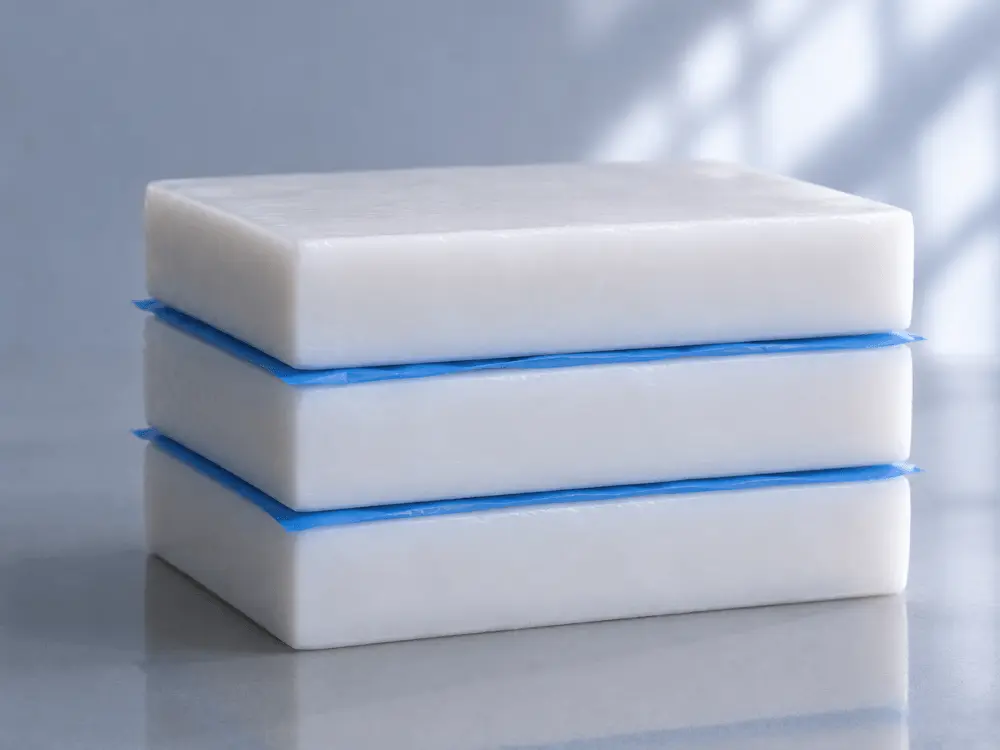
HTV Silicone Rubber for Composite Insulators

Key Features of Our HTV Silicone Rubber

High Hydrophobicity Recovery

Maintains excellent water repellency even in heavily polluted, coastal, and humid environments, helping reduce leakage current and flashover risks.

Superior Tracking & Erosion Resistance

Optimized formulation provides reliable resistance against electrical tracking, surface discharge, and long-term outdoor aging.

Excellent Electrical Insulation

Delivers stable dielectric properties and insulation performance for high-voltage composite insulator applications.

UV and Ozone Resistance

Designed to withstand sunlight, ozone exposure, rain, salt fog, and harsh outdoor environmental conditions.

High Mechanical Strength

Excellent tensile and tear strength supports reliable molding, handling, and long-term field performance.

Consistent Processing Performance

Stable curing characteristics and processability help improve manufacturing efficiency and product consistency.

Applications

HTV silicone rubber is widely used in high-voltage insulation systems, composite insulators, and electrical equipment operating in demanding outdoor environments.

  • Transmission Line Composite Insulators Designed for overhead transmission systems requiring long-term outdoor insulation performance.
  • Distribution Line Insulators Suitable for medium-voltage and power distribution applications.
  • Polymer Insulators Supports lightweight insulator designs with enhanced contamination resistance.
  • Hollow Core Insulators Used in substations, switchgear, and electrical infrastructure projects.
  • Surge Arrester Housings Provides reliable weatherability and tracking resistance for surge protection systems.
  • Electrical Equipment Insulation Components Suitable for custom molded insulation parts and protective housings.