
Silicone Rubber Applications Engineered Around the Finished Product
Yakows develops two core silicone rubber platforms—HTV / HCR and LSR—around the actual component, production process and operating environment. Power transmission and electrical insulation are a core specialization, supported by application-focused materials for automotive & EV, medical technology and industrial manufacturing.
One Material Family. Very Different Engineering Priorities.
Silicone rubber can seal, insulate, flex, protect and maintain performance under heat, cold, weathering and repeated deformation. But the property balance that matters depends on the finished component.
A composite insulator housing is driven by outdoor electrical behavior. An EV connector seal depends on compression recovery and precise molding. A medical tube prioritizes clean processing and controlled flexibility. An industrial gasket must balance temperature, compression and production stability.
Read the silicone rubber selection guideSupports dielectric isolation and high-voltage reliability.
Composite insulators, cable, electrical components.
Supports surface performance under wet and polluted outdoor conditions.
Insulator housings, surge arresters.
Maintains useful properties during thermal cycling, UV and ozone exposure.
Power, EV and industrial systems.
Helps maintain sealing force after prolonged compression.
Connector seals, gaskets, O-rings.
Supports handling, demolding, assembly and durable flexible parts.
Cable, profiles, molded seals, medical parts.
Controls filling, extrusion, cure and repeatability in production.
High-volume molding and extrusion.
Explore Silicone Rubber by Application
Select an industry to see how silicone rubber requirements change with the component, operating environment and production process. Power & Electrical is Yakows’ core focus; automotive, medical and industrial systems are developed around their own sealing, thermal, mechanical and processing priorities.
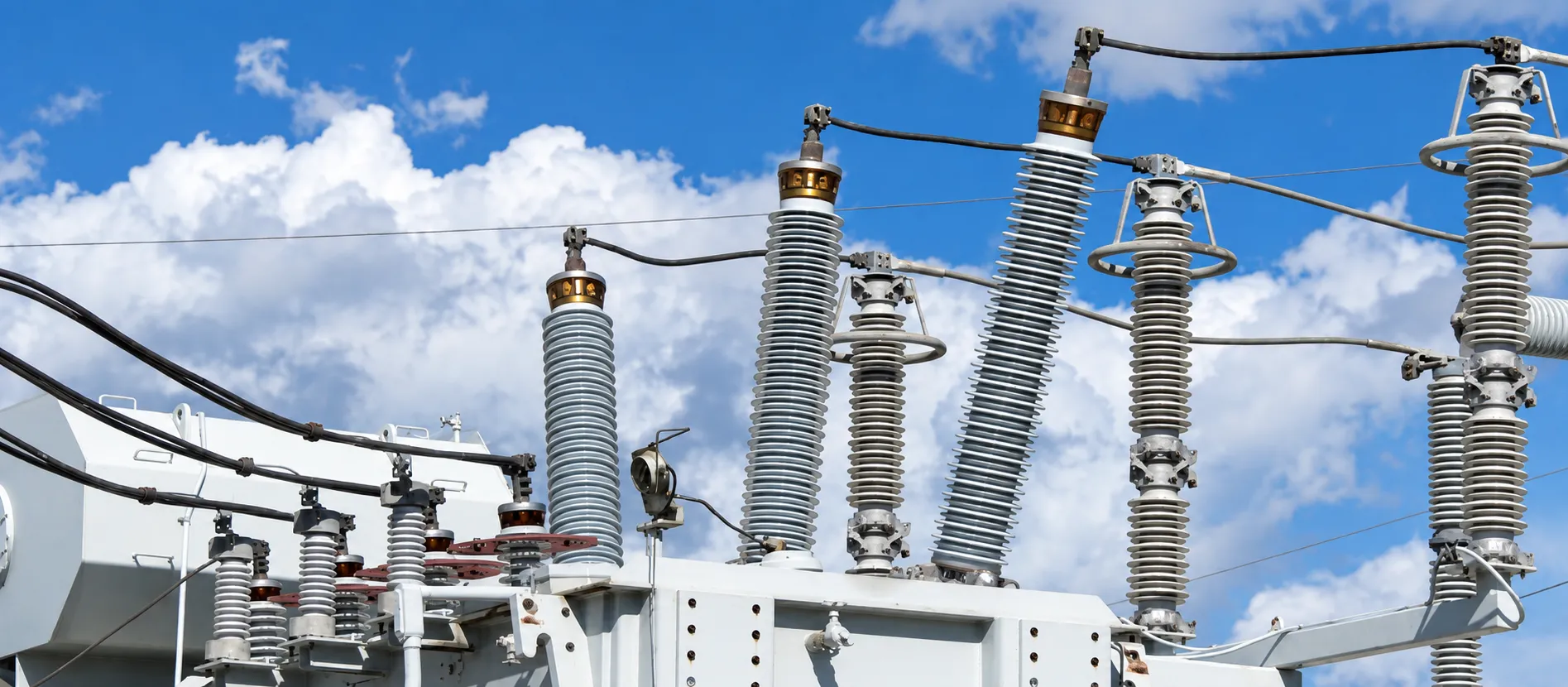
Electrical Silicone for Outdoor Insulation, Cable & Protection Systems
Power applications combine electrical stress, moisture, pollution, UV exposure, temperature cycling and mechanical loading. The silicone compound must meet the finished component’s performance targets while remaining stable in molding or extrusion.
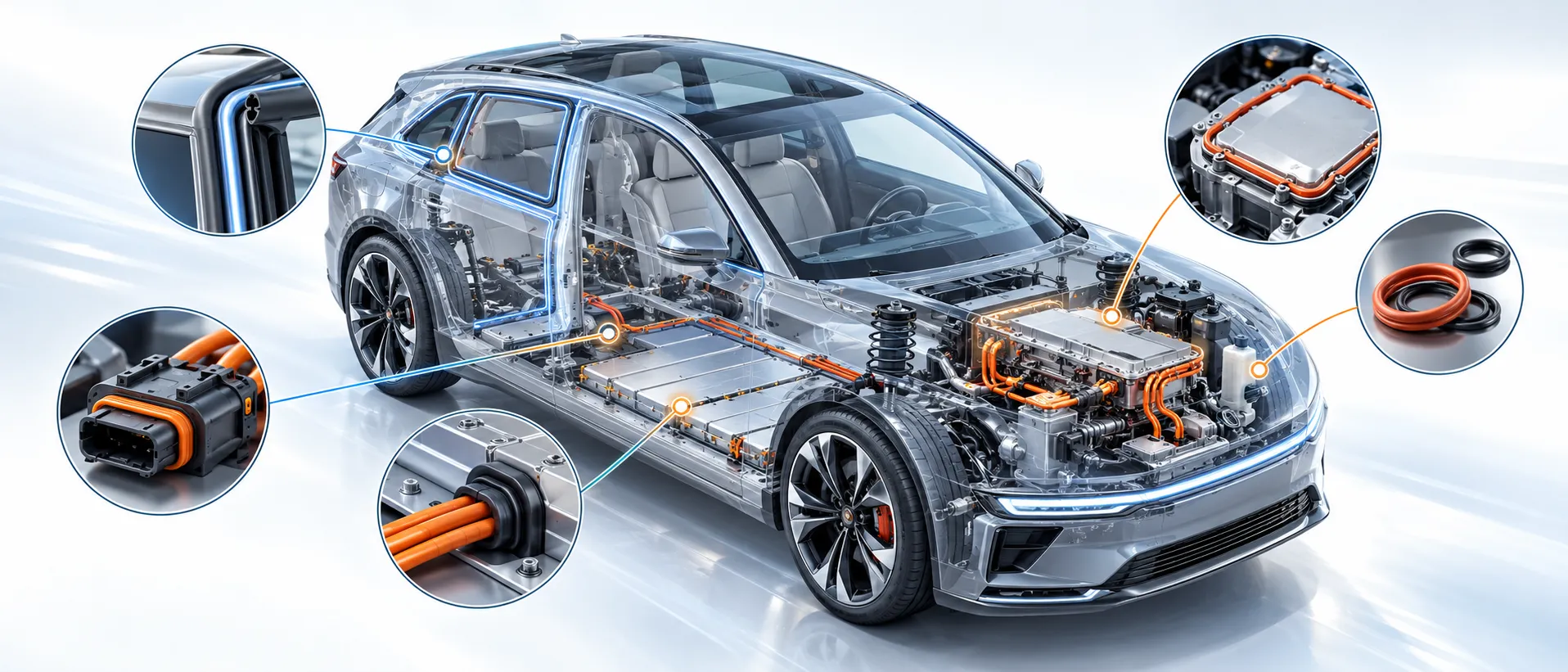
Silicone Rubber for Sealing, Connectors & High-Voltage Vehicle Systems
Automotive and new-energy vehicle components may face heat, vibration, moisture, high voltage and repeated thermal cycling. The correct silicone system depends on whether the part is a precision seal, cable insulation layer, gasket, grommet or molded component.
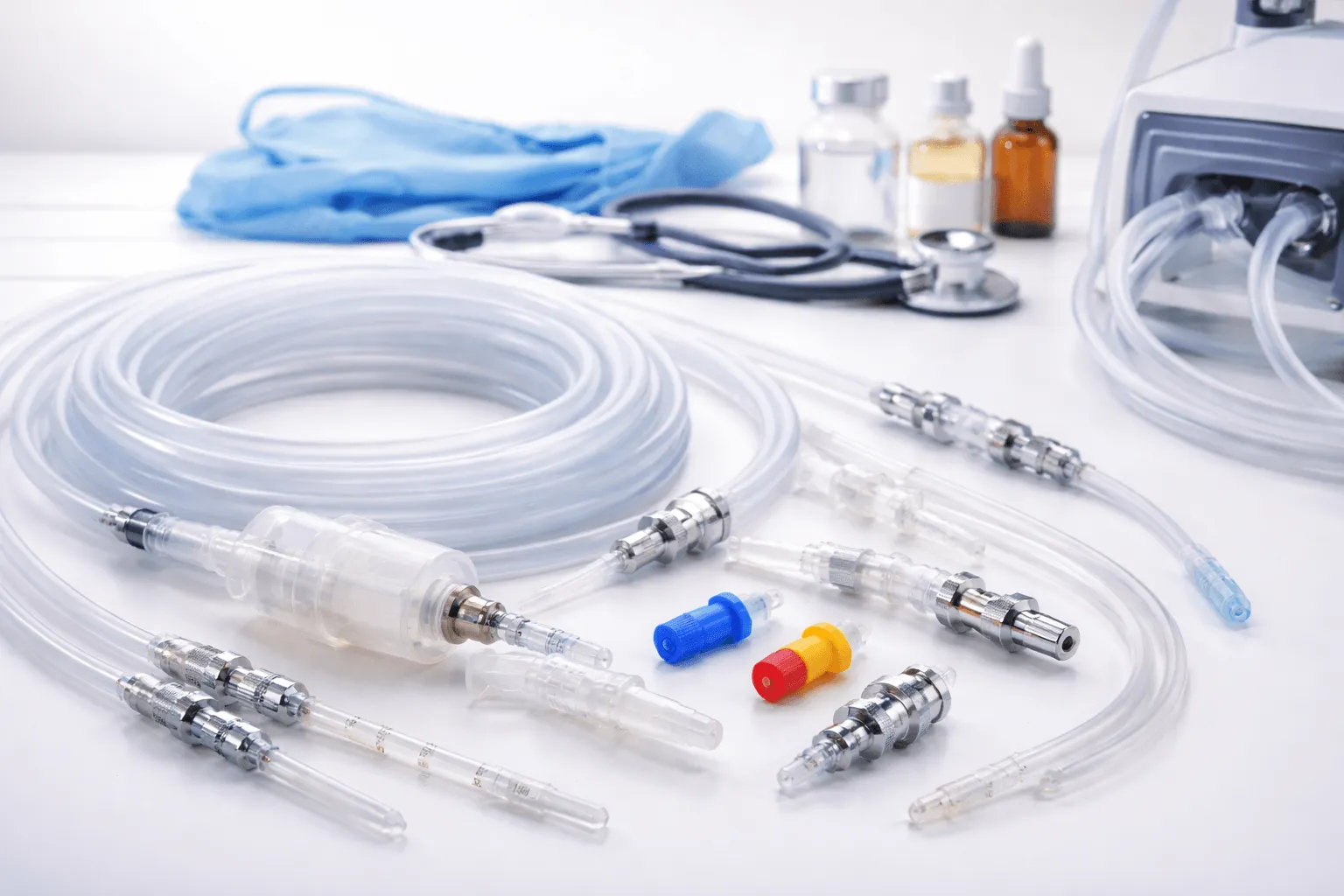
Medical Silicone for Tubing, Precision Parts, Valves & Seals
Medical silicone selection depends on the device, contact requirements, sterilization route, processing method and required documentation. Material cleanliness and production control are considered together with mechanical performance.
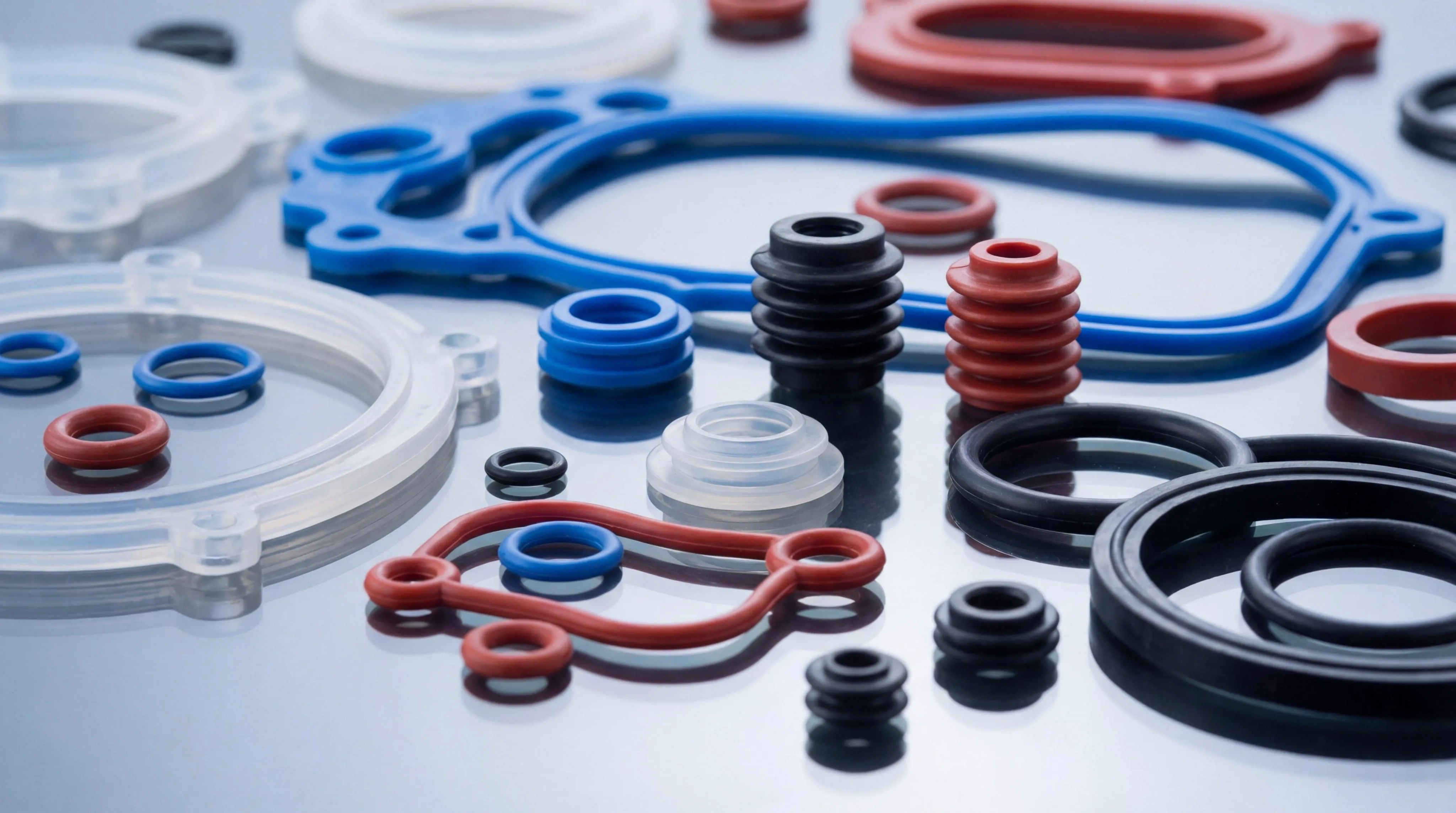
Silicone Rubber for Seals, Profiles, Sheet & Custom Molded Parts
Industrial silicone parts need a practical balance of temperature resistance, compression behavior, tear strength, geometry and manufacturing stability. Media exposure and assembly conditions may also change the material choice.
Choose the Silicone Platform by Part & Process
Yakows focuses on two core silicone rubber platforms: HTV / HCR for solid-silicone molding, extrusion and sheeting, and LSR for automated liquid injection molding and precision components.
The correct starting point is determined by the finished part, production route and performance target—not by Shore hardness alone.
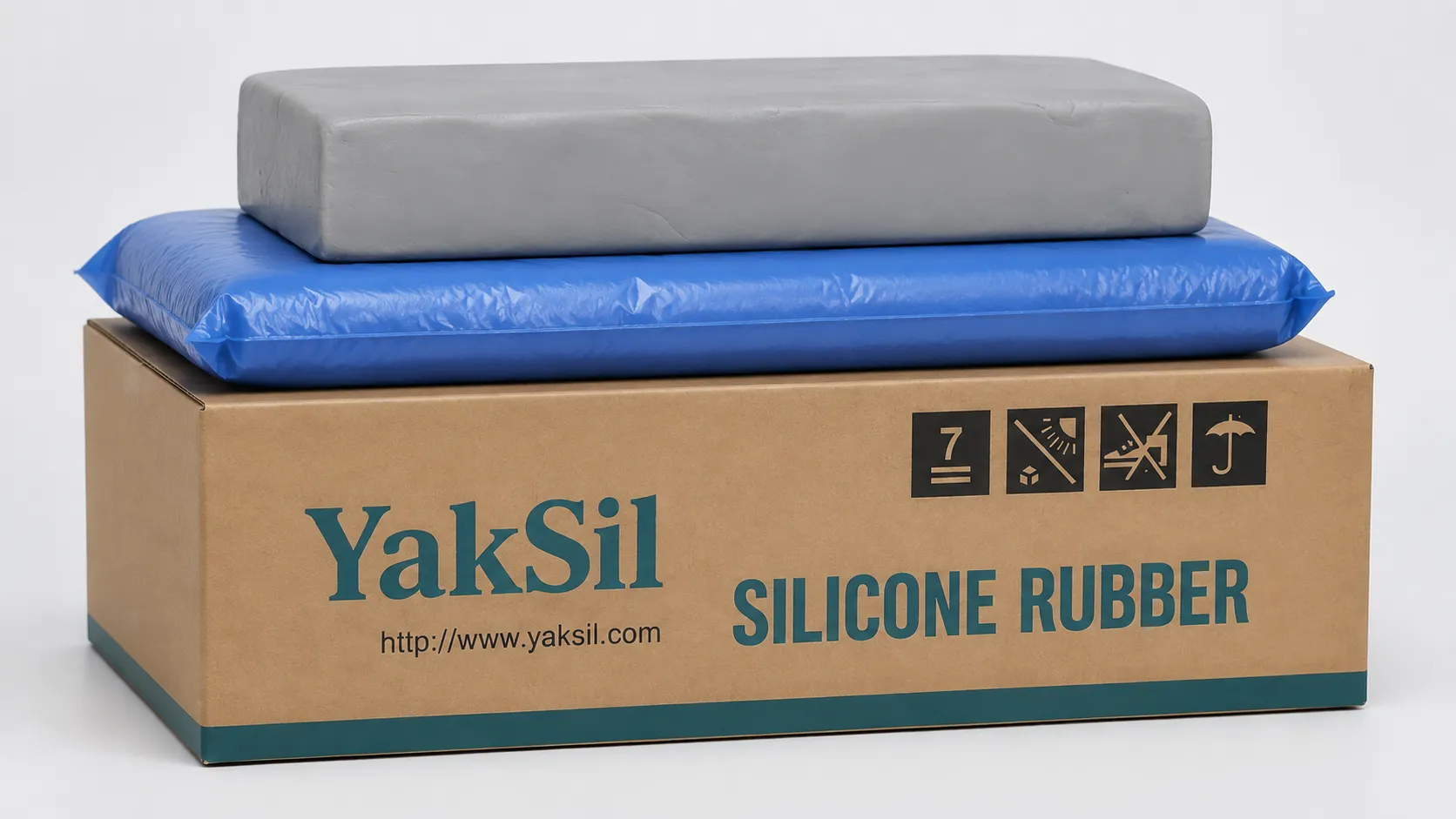
For Molding, Extrusion, Cable & Robust Silicone Components
HTV / HCR is the main platform when the production route uses solid high-consistency silicone. It can be formulated for electrical insulation, cable extrusion, sealing, heat resistance, tear performance and long-term compression behavior.
Electrical-grade HTV / HCR for composite insulators, surge arresters and related outdoor electrical housings.
View YK-3160 gradesHigh-elongation HCR / HTV developed for flexible wire and cable insulation and stable extrusion.
View YK-6140 grades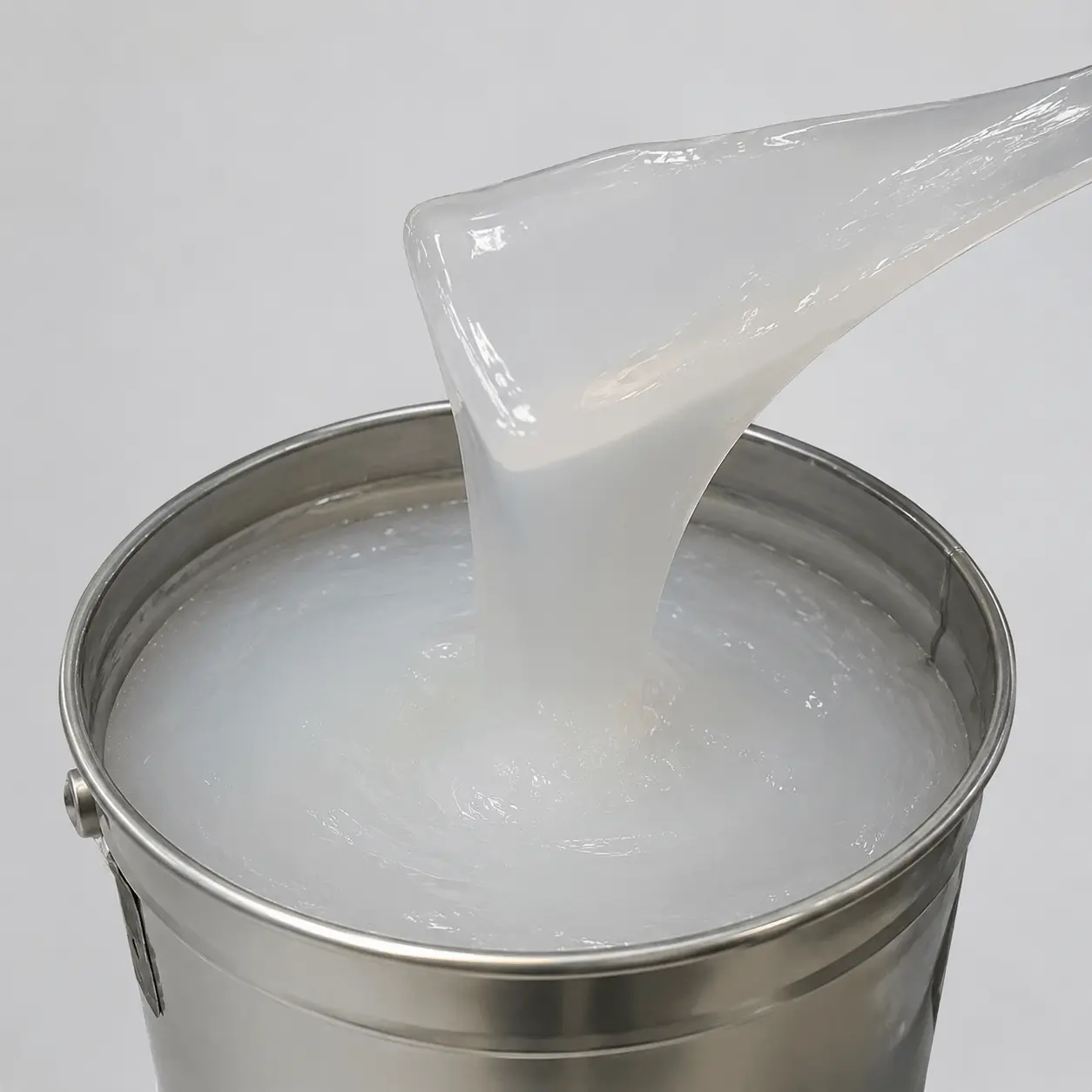
For Precision Injection, Automation & Complex Molded Geometry
LSR is selected when low-viscosity filling, accurate metering, fine geometry and repeatable automated injection are central to the part. It is especially useful for high-volume precision seals and molded components.
Geometry, venting, gate design and cavity balance.
Sealing force, recovery and long-term deformation.
Metering stability, cure window and repeatable cycle control.
Molding, extrusion or calendering; robust parts, cable, profiles, gaskets and electrical housings.
Automated injection; precision seals, fine geometry and high-volume molded components.
Match HTV / HCR or LSR to the Component & Failure Risk
After choosing the material platform, refine the grade around the component geometry, processing window and the property loss most likely to cause failure in service.
From Application Requirement to Stable Silicone Rubber Supply
The material choice only becomes useful when it works in the customer’s actual process. Yakows connects application requirements with formulation direction, sample evaluation, process fit and ongoing production supply.
This is especially important when the component combines multiple requirements—such as electrical insulation plus outdoor exposure, or sealing plus automated high-volume molding.
Review the finished component, geometry, service environment, temperature, voltage, sealing load, media and expected service conditions.
Identify LSR injection, solid silicone injection, compression molding, extrusion, calendering or another manufacturing route and its equipment constraints.
Balance hardness, flow, cure, tensile, tear, elongation, compression behavior, electrical properties and application-specific priorities.
Prepare a grade or formulation direction for initial evaluation, processing trials or component-level testing.
Review molding or extrusion behavior, dimensional consistency, visible defects and relevant mechanical, electrical or thermal test requirements.
Align the approved material, specification, packaging, quality documentation and ongoing supply requirements for repeat production.
Beyond the Four Core Application Groups
Silicone rubber is also used in other product categories where heat resistance, flexibility, insulation, sealing or clean processing are important. These projects are evaluated around the same application-first material logic.
Electronics & Precision Components
Insulating parts, protective boots, connectors, keypads, sealing interfaces and precision molded silicone components.
Discuss an electronics applicationFood-Contact & Consumer Silicone
Application-specific silicone for kitchenware, consumer products, flexible molded parts and food-contact components where suitable grade compliance is required.
Explore silicone materialsCustom Sealing & Special Components
Non-standard seals, profiles, pads, bellows and molded parts that need a custom balance of hardness, color, mechanical properties and processing behavior.
Send a drawing or requirementTell Us What You Manufacture.
Send the component, processing route and target properties. Yakows can help identify the right HTV / HCR or LSR direction, then refine the formulation around your component and production requirements.
info@yakows.com · +86 135 4931 0838
Silicone Rubber Application Questions
What are the main industrial applications of silicone rubber?
Silicone rubber is used for electrical insulation, composite insulator housings, surge arresters, wire and cable, automotive and EV sealing, medical tubing and molded components, industrial gaskets, O-rings, profiles, sheet and many custom molded products.
How are Yakows silicone rubber platforms matched to different applications?
Material selection starts with the finished component and process. Yakows starts with two core platforms: HTV / HCR for solid-silicone molding, extrusion and sheeting, and LSR for automated liquid injection molding. Power applications include dedicated YK-3160 and YK-6140 families, while automotive, medical and industrial grades are refined around the component, process and validation requirements.
Should I choose HTV / HCR or LSR?
HTV / HCR is commonly used for extrusion, compression molding and selected solid-silicone injection molding. LSR is particularly suitable for automated liquid injection molding and precision parts. The correct choice depends on part geometry, process, performance targets and production volume.
Can one silicone rubber grade be used for power, EV, medical and industrial applications?
Usually not. Electrical, automotive, medical and industrial parts prioritize different combinations of properties, processing routes and documentation. The material should be selected and validated for the actual component.
What information helps Yakows recommend a silicone rubber?
Provide the finished component or drawing, manufacturing process, target hardness, operating temperature, mechanical or electrical requirements, applicable standards, current material if available, trial quantity and expected production volume.
Can Yakows support custom formulation and sample evaluation?
Yakows supports application-focused material selection and custom compound development, with sample evaluation, technical data and process coordination used to move from initial requirements toward a stable production material.