General Flame-Retardant Grade
A 60 Shore A option for molded or extruded components that require flame-retardant behavior with general-purpose flexibility and mechanical performance.
Hardness60 ± 3 Shore A
Tensile strength≥5.0 MPa

Solid HTV silicone rubber compounds formulated for flame-retardant molded and extruded components. Choose from general-purpose, higher-hardness and selected UL 94 V-0 grade options for electrical, automotive and industrial manufacturing.
Yakows supplies the YK-FR series with electrical insulation, heat resistance and adaptable molding performance. Match the material to your product thickness, flame-test target, processing route and end-use requirements.
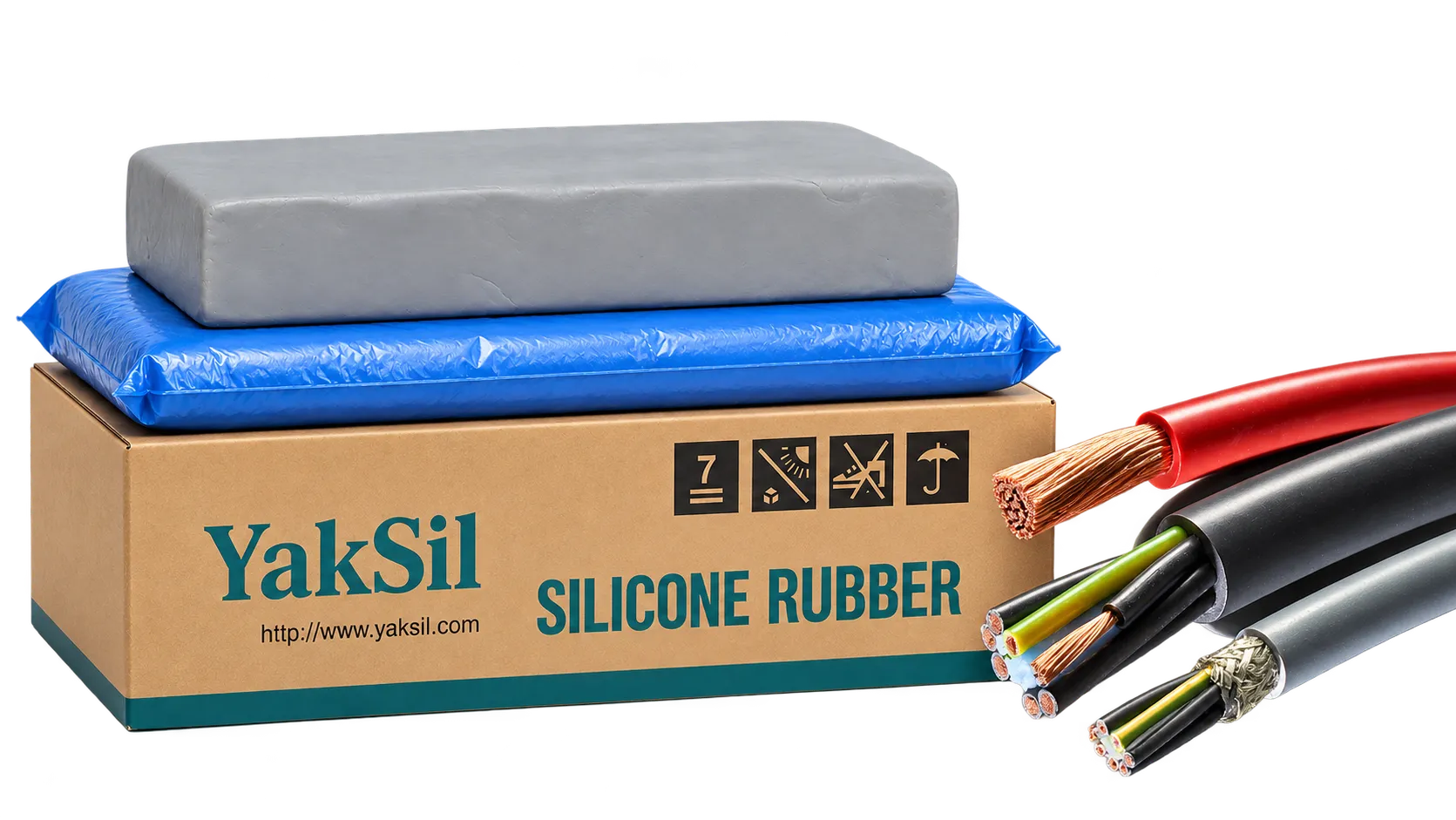
Start with the required flame behavior, then check hardness, tensile performance, wall thickness and production method. The grades below are distinct formulations, not interchangeable certifications.
A 60 Shore A option for molded or extruded components that require flame-retardant behavior with general-purpose flexibility and mechanical performance.
A firmer 70 Shore A compound with higher listed tensile and tear values for applications requiring a more robust molded or extruded part.
Designed for projects targeting UL 94 V-0 classification. The exact formulation, tested specimen thickness and applicable evidence must be verified for the supplied grade.
For a grade recommendation, share the flame classification you need, the minimum finished-part wall thickness, product color, molding or extrusion process, and the required document type.
UL 94 evaluates how prepared material specimens behave under specified small-flame laboratory conditions. A V-0 option should therefore be reviewed against the actual compound, tested thickness and customer approval requirements.
A UL 94 test report, a UL-recognized material listing and a finished-product certification are different forms of evidence. Confirm which one your customer actually requires.
Compare the listed properties of the three Yakows formulations. Final product approval should use the current grade-specific TDS and applicable test evidence.
| Property | Unit | YK-FR60 | YK-FR70 | YK-FR-V0 |
|---|---|---|---|---|
| Product type | — | General FR | Higher-Hardness FR | UL 94 V-0 Option |
| Hardness | Shore A | 60 ± 3 | 70 ± 3 | 60 ± 3 / Customizable |
| Flame-retardant rating | UL 94 | Flame Retardant | Flame Retardant | V-0 Available |
| Tear strength | kN/m | ≥10 | ≥12 | ≥10 |
| Tensile strength | MPa | ≥5.0 | ≥5.5 | ≥4.5 |
| Elongation at break | % | ≥250 | ≥220 | ≥220 |
| Density | g/cm³ | 1.35–1.55 | 1.38–1.58 | 1.40–1.60 |
| Dielectric strength | kV/mm | ≥18 | ≥18 | ≥18 |
| Volume resistivity | Ω·cm | ≥1 × 10¹⁴ | ≥1 × 10¹⁴ | ≥1 × 10¹⁴ |
| Dielectric constant | — | ≤5.0 | ≤5.0 | ≤5.0 |
| Listed temperature range | °C | −50 to +200 | −50 to +200 | −50 to +200 |
| Compression set | % | Customizable | Customizable | Customizable |
| Processing method | — | Molding / Extrusion | Molding / Extrusion | Molding / Extrusion |
| Documentation | — | TDS / SDS / COA | TDS / SDS / COA | UL 94 / RoHS / REACH support upon request |
Flammability is one selection criterion. A commercial formulation also needs to meet the mechanical, electrical, thermal and processing needs of the finished component.
Grade options for manufacturers targeting flame-retardant or UL 94 V-0 performance while retaining silicone rubber flexibility.
Listed dielectric strength and volume resistivity support use in protective electrical parts, sleeves and covers.
The current product data lists a −50°C to +200°C range; confirm continuous-use requirements and part geometry for your application.
Tear strength, tensile performance, elongation, hardness and cure behavior need to match the part design and production method.
Flame-retardant formulations can behave differently during mixing, curing, molding and extrusion. Before mass production, evaluate the selected grade with the real part design and process conditions.
Check mold filling, release behavior, cure consistency, flash formation and finished-part appearance for molded covers, pads and protection pieces.
Evaluate die swell, profile shape, line stability, cure compatibility and consistent wall thickness for sleeves, wire-related components and profiles.
Discuss hardness, color, tensile and tear targets, electrical insulation needs, flame-test requirements and any customer-specific processing constraints.
Use the trial to confirm appearance, dimensions, material properties and required flame-test performance on representative specimens.
Explore typical components manufactured with flame-retardant silicone compounds. The correct grade depends on the required flame test, part thickness, processing method and mechanical or electrical specifications.
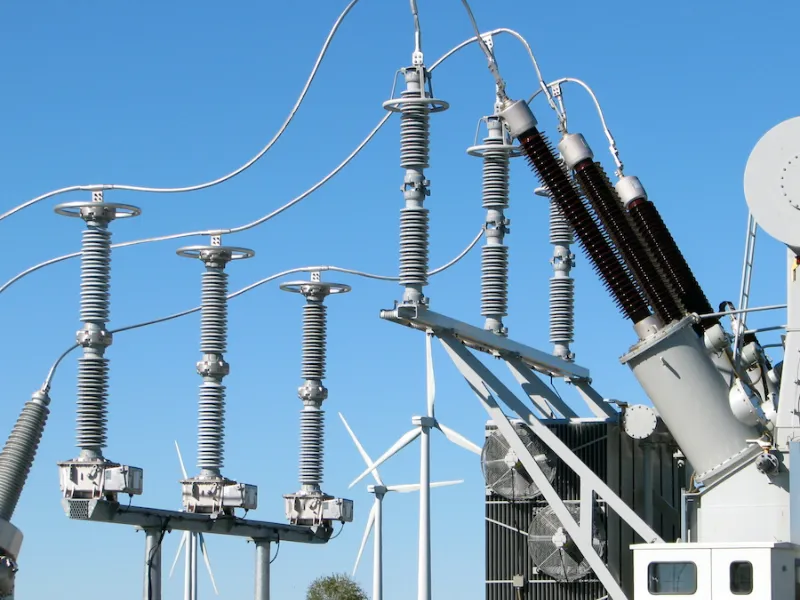
Silicone rubber for terminal boots, insulating caps and protective covers; select to suit the specified flame class and wall thickness.
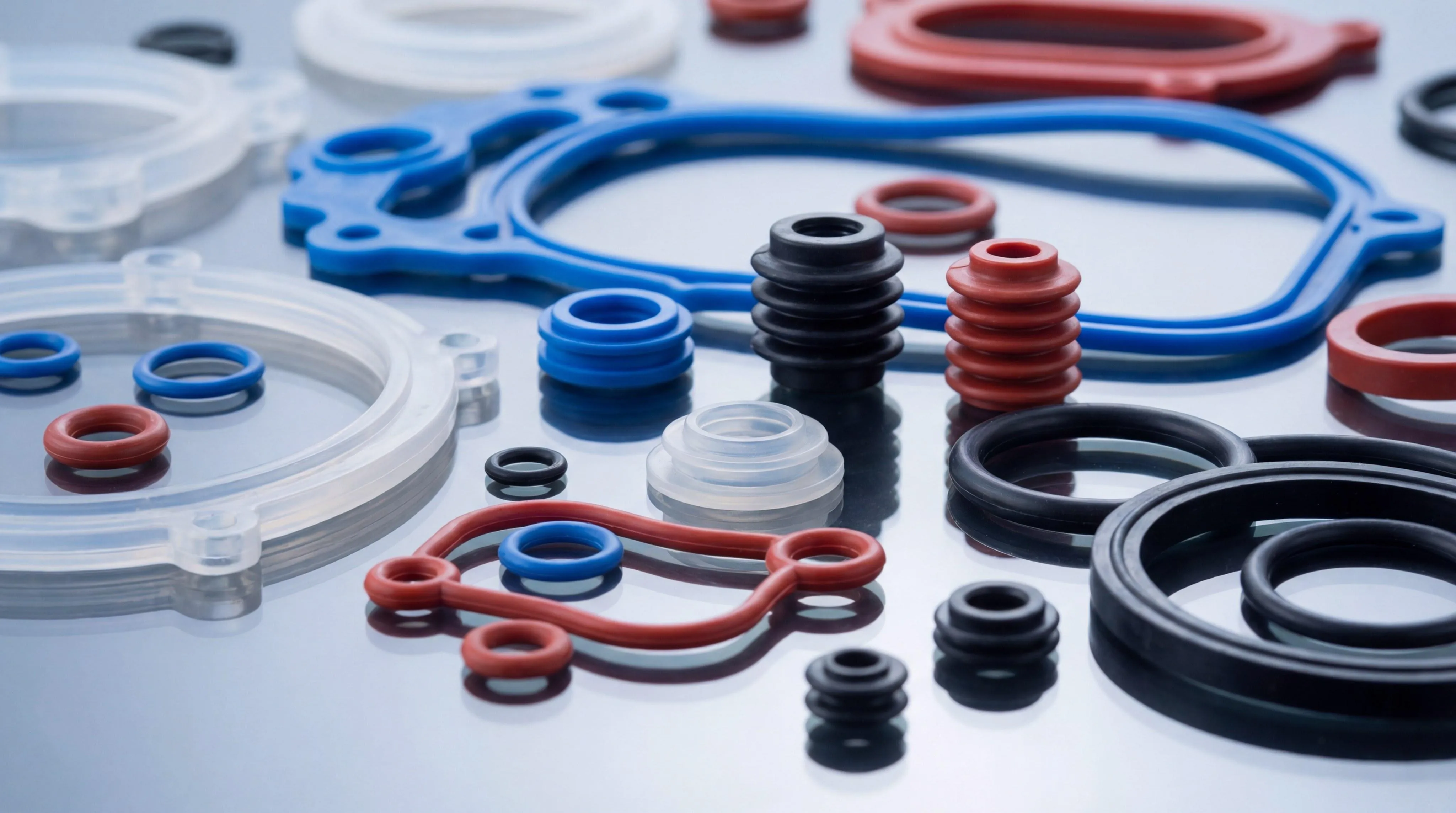
Molded boots and sleeves for ignition connections exposed to elevated temperatures, with electrical insulation and tear resistance requirements.
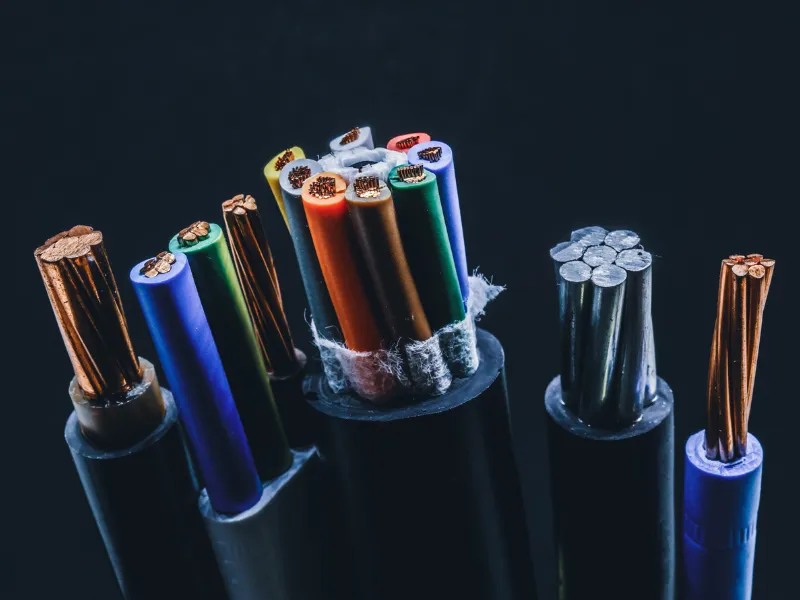
Flexible cable sleeves, insulating tubing and extruded profiles requiring suitable processing and the applicable fire-test performance.
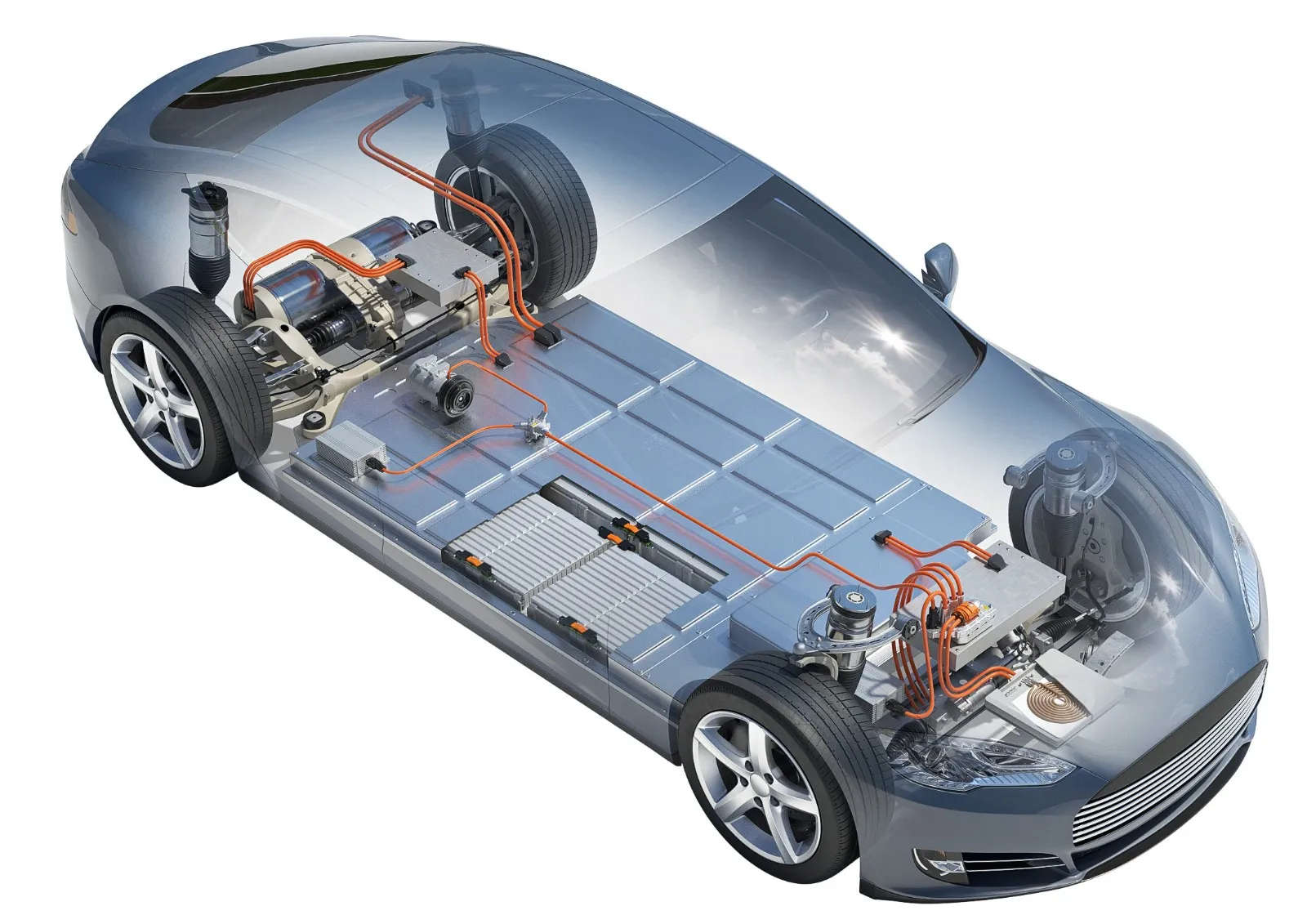
Grommets, cable-entry seals and connector boots designed around harness geometry, heat exposure and applicable vehicle requirements.
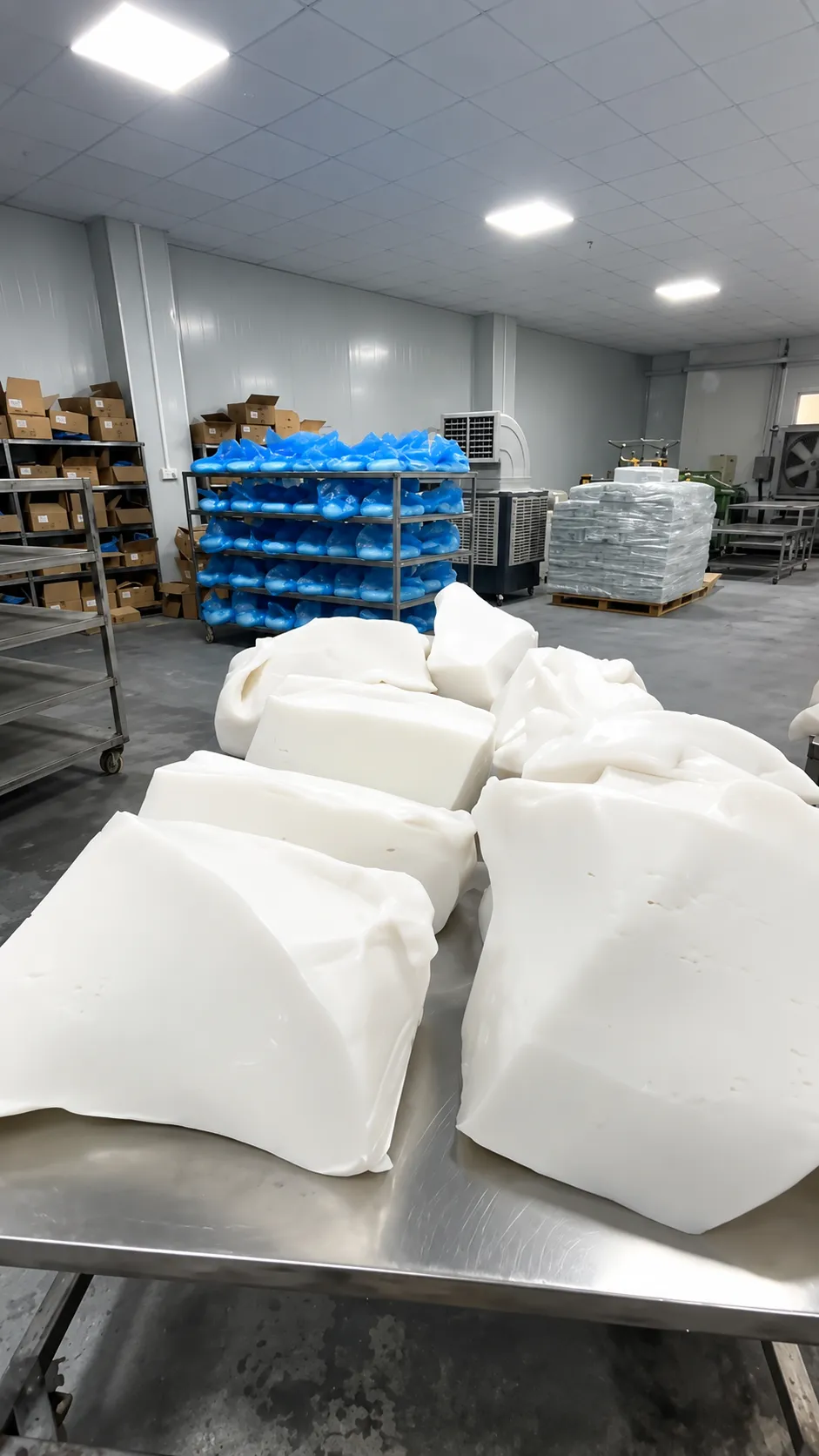
Protective molded covers and insulating sleeves for industrial equipment, selected for mechanical durability and required flame behavior.
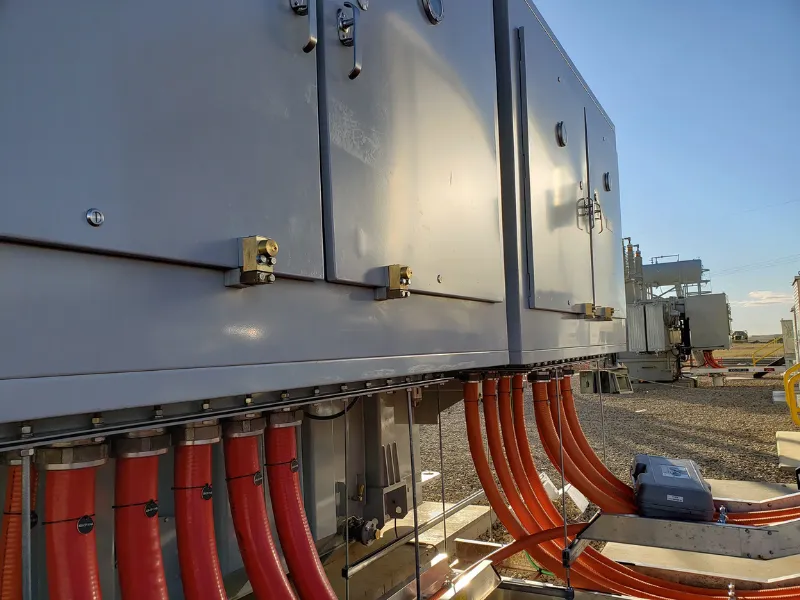
Custom gaskets, cable-entry inserts and sealing parts combining dimensional fit with application-specific flammability requirements.
Developing a different protective silicone part? Share your drawing, material target and required flame-test method for formulation review.
Discuss Your Application →Yakows supports formulation review, compound production, technical testing and repeat supply. For flame-retardant materials, buyers should confirm that the approved grade, compound batch, color and documentation remain consistent from trials through commercial orders.
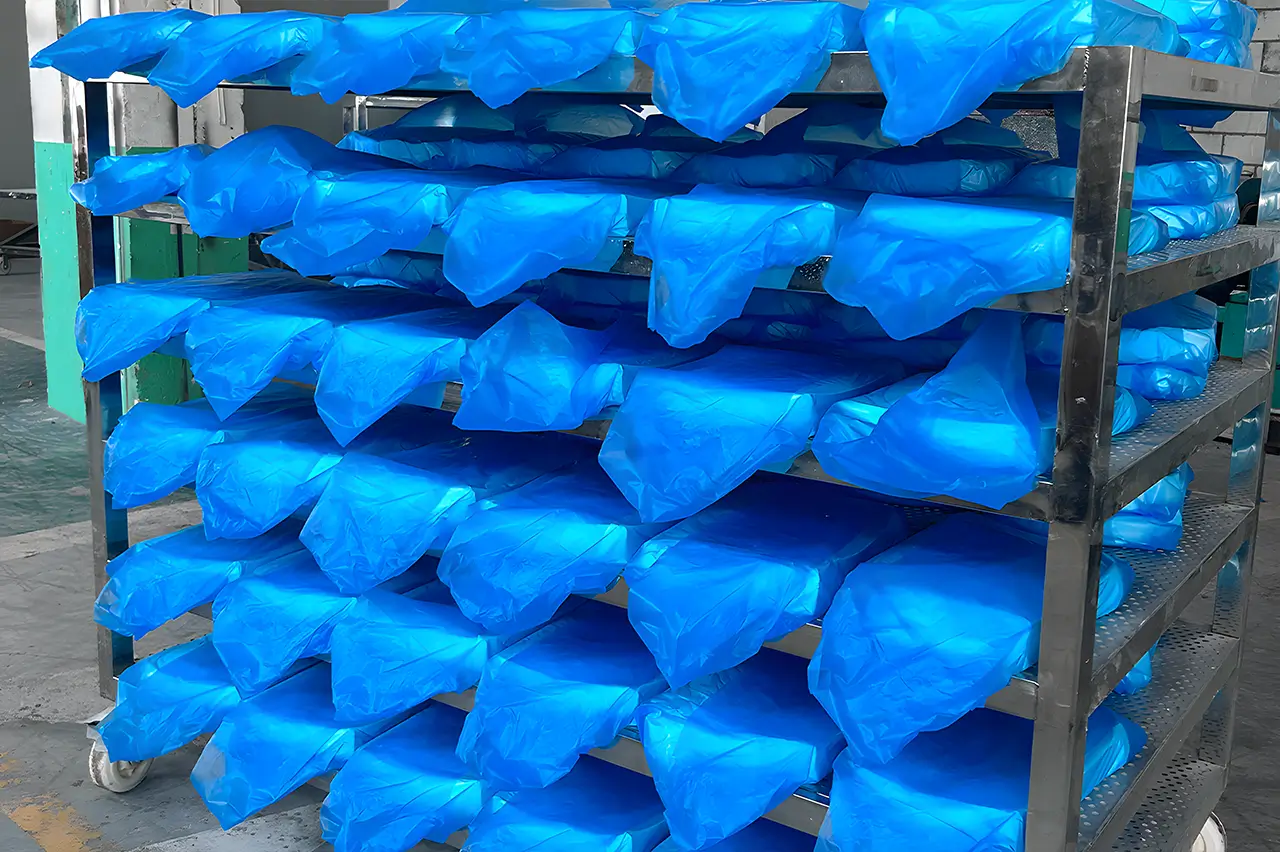
The fastest route to qualification is to align the exact grade, test requirement, physical properties and processing conditions before a production order is placed.
Request grade-specific TDS, SDS, COA and available test or compliance files according to the customer's approval process.
Yakows references 20 kg/carton with pallet packing for flame-retardant HTV; confirm the packaging configuration for the selected formulation and shipment.
Hardness, color and performance adjustments can be evaluated against technical feasibility and their effect on required flame-testing evidence.
Send the target flame classification, part thickness, hardness, color, process and purchasing volume. Yakows can review the YK-FR grade options and advise which data and samples to evaluate first.
info@yakows.com