
RUBBER MATERIALS · INDUSTRIAL SEALING · MATERIAL SELECTION
What Is a Rubber Gasket? Types, Benefits & Industrial Applications
A rubber gasket is a flexible sealing component installed between two mating surfaces to prevent the leakage of liquids, gases, air or other media. By compressing against the surfaces, a rubber gasket fills small gaps and helps maintain a reliable seal in machinery, pipelines, automotive systems, electrical enclosures and industrial equipment.
Choosing the right rubber gasket material is essential for sealing performance, service life and equipment reliability. Temperature, chemical exposure, compression behavior, pressure, hardness and environmental conditions all influence which rubber compound is suitable for a specific application.
Common materials include silicone rubber, EPDM, NBR, neoprene and FKM. Each offers a different balance of flexibility, heat resistance, oil resistance, weatherability and mechanical performance. This guide explains rubber gasket types, their benefits, material differences, manufacturing processes and the key factors manufacturers should consider when selecting a suitable compound.
YAKOWS · HTV / HCR SILICONE RUBBER
Silicone Rubber Compounds for Gasket Manufacturing
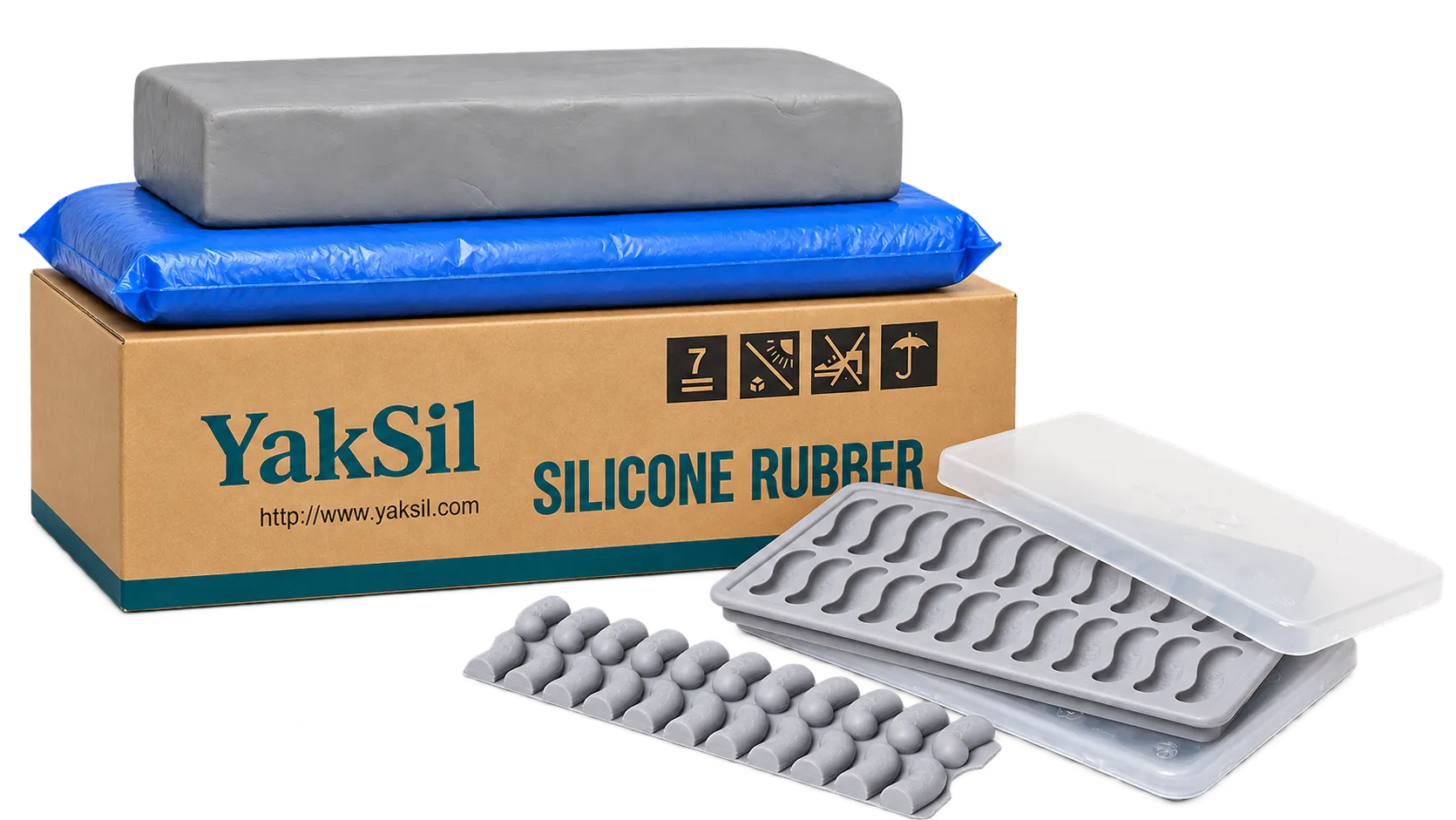
General Purpose HTV Silicone Rubber for Molding
Yakows supplies solid HTV / HCR silicone rubber compounds for manufacturers producing molded gaskets, O-rings, sealing pads, washers and customized silicone components.
The YK-GP series covers selected hardness options from 30A to 90A Shore A. The compounds are designed for heat-curing compression molding, with formulation options selected according to finished-part geometry, mechanical requirements and production conditions.
For gasket manufacturers, the compound should be evaluated according to hardness, compression behavior, tear resistance, dimensional requirements and operating environment.
High Tear Strength HTV Silicone Rubber
For molded sealing components that require improved resistance to tearing, flexing and mechanical stress during manufacturing or service.
Looking for a suitable silicone compound for your rubber gasket production?
1. What Is a Rubber Gasket?
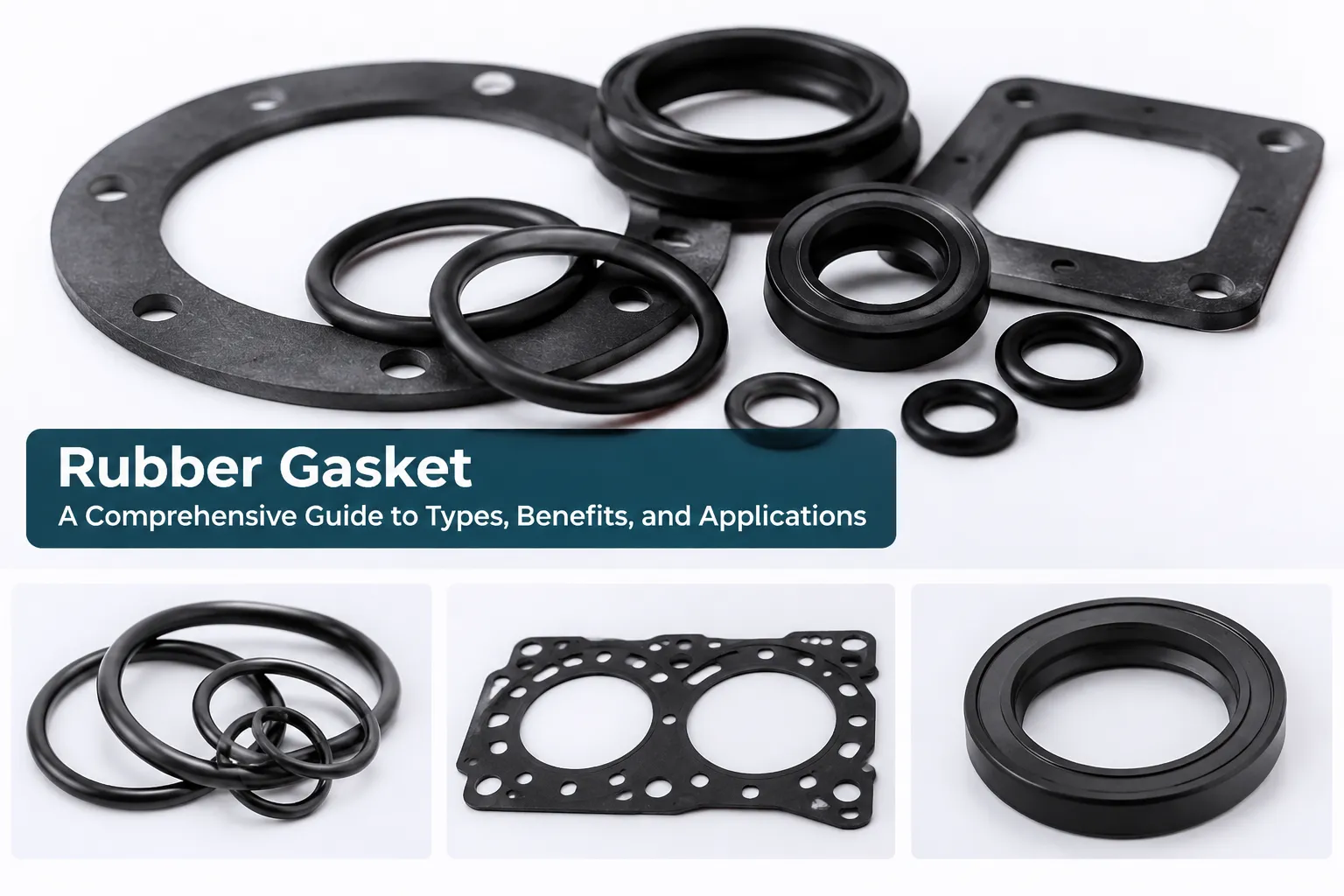
A rubber gasket is a mechanical sealing component made from an elastomeric material. It is positioned between two connected surfaces, such as pipe flanges, equipment housings, machine covers or enclosure panels.
When the two surfaces are fastened together, the gasket is compressed. Its elasticity allows it to deform and conform to small surface irregularities, creating a barrier that helps prevent fluid, gas or air from passing through the joint.
Unlike a rigid metal gasket, a rubber gasket can accommodate a certain degree of surface variation and vibration. Its sealing performance depends on the material's ability to maintain contact pressure without excessive permanent deformation.
How Does a Rubber Gasket Work?
The basic sealing mechanism involves controlled compression between two mating surfaces.
- Installation: The gasket is positioned between the two sealing surfaces.
- Compression: Bolts, clamps or mechanical fasteners apply force to compress the gasket.
- Surface conformity: The rubber deforms to fill small gaps and irregularities.
- Sealing: The compressed material maintains contact pressure and restricts leakage paths.
- Recovery: The rubber's elastic recovery helps maintain sealing contact when the assembly experiences normal operating variations.
Rubber Gasket vs. Rubber Seal vs. O-Ring
These terms are related but are not always interchangeable. A gasket is generally used for static sealing between two mating surfaces, while a seal is a broader term that can include both static and dynamic sealing components.
An O-ring is a specific circular elastomeric sealing element with a round cross-section. It is usually installed in a groove and compressed against a mating surface. Although O-rings are often discussed alongside rubber gaskets, they are technically a distinct sealing design.
2. What Are the Benefits of Rubber Gaskets?
Rubber gaskets are widely used because elastomeric materials combine flexibility with the ability to maintain sealing contact under different operating conditions.
1. Reliable Sealing Performance
Rubber can deform under compression and conform to the mating surfaces. This helps reduce leakage through small surface irregularities in equipment joints, pipe connections and enclosure assemblies.
2. Elasticity and Recovery
Elastic recovery is important when a sealing joint experiences temperature fluctuations, vibration or changes in mechanical loading. A suitable rubber compound can maintain useful contact pressure after repeated compression, depending on its compression set characteristics.
3. Vibration and Shock Absorption
Rubber materials can absorb vibration and reduce direct contact between connected components. This makes rubber gaskets useful in machinery, automotive assemblies, electrical enclosures and equipment exposed to mechanical movement.
4. Temperature and Environmental Resistance
Different rubber materials offer different levels of resistance to heat, cold, ozone, UV exposure, moisture and weathering. Silicone rubber, for example, is frequently selected for applications requiring thermal stability and outdoor aging resistance.
5. Flexible Design and Customization
Rubber gaskets can be manufactured in different thicknesses, shapes, hardness levels and cross-sections. Compression molding, extrusion and die-cutting allow manufacturers to produce components matched to specific equipment designs.
6. Cost-Effective Equipment Protection
A properly selected rubber gasket helps protect equipment from leakage, dust and moisture ingress. Reducing leakage and contamination can lower maintenance requirements and improve equipment reliability.
3. Common Types of Rubber Gaskets
Rubber gaskets are available in different shapes and manufacturing formats. The appropriate type depends on the joint structure, installation method, required compression and operating environment.
Flat Rubber Gaskets
Flat rubber gaskets are cut or molded into a flat shape and installed between two relatively flat surfaces. They are commonly used in pipe flanges, equipment covers, pumps, valves and industrial housings.
Material thickness, hardness, bolt spacing and compression requirements are important selection factors.
O-Ring Seals
O-rings are circular elastomeric components with a round cross-section. They are used in static and dynamic sealing arrangements, including hydraulic equipment, pumps, valves and automotive systems.
The groove dimensions, cross-section, material hardness and operating pressure must be matched to the application.
Molded Rubber Gaskets
Compression-molded rubber gaskets are produced by placing uncured rubber into a mold and applying heat and pressure to create the finished component.
This method is suitable for customized gasket geometries, integrated sealing features and repeatable production of molded silicone components.
Extruded Rubber Gaskets and Profiles
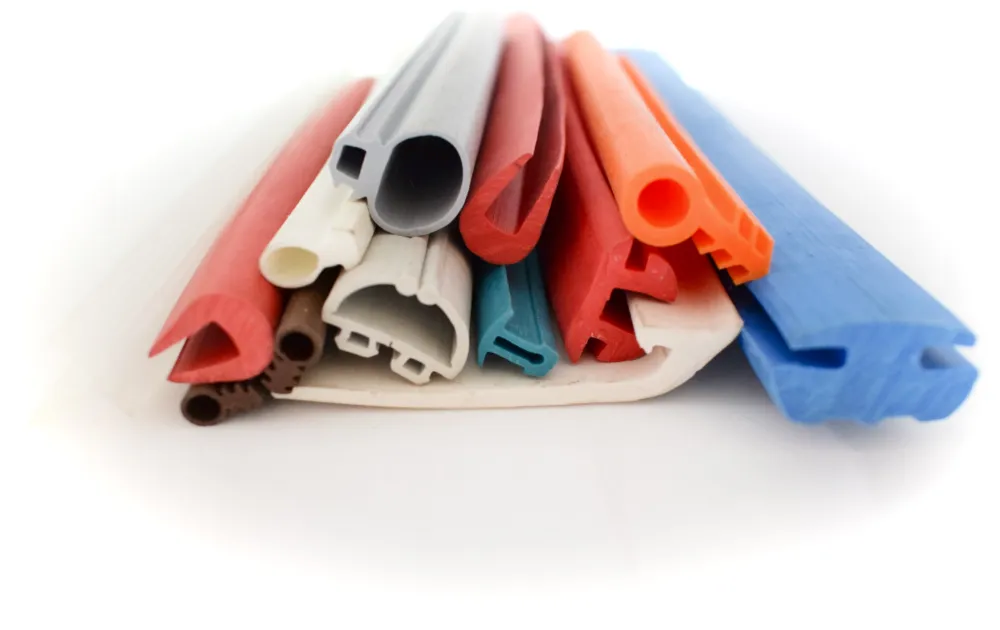
Extruded rubber gaskets are manufactured by forcing uncured rubber through a shaped die to produce a continuous profile. They can be supplied as strips, cords, tubing or custom cross-sections and then cut to the required length.
Rubber Sponge and Foam Gaskets
Sponge rubber gaskets contain a cellular structure that allows greater compressibility than many solid rubber materials. They are commonly used for dust sealing, cushioning, enclosure protection and applications requiring lower closing force.
Closed-cell and open-cell structures have different moisture absorption and sealing characteristics, so the cell structure should be considered during material selection.
| Gasket Type | Structure | Common Applications | Selection Focus |
|---|---|---|---|
| Flat Gasket | Flat sheet or molded shape | Flanges, pumps, equipment covers | Thickness and compression |
| O-Ring | Circular cross-section | Valves, pumps and hydraulic systems | Groove and cross-section |
| Molded Gasket | Custom three-dimensional geometry | Automotive, electrical and industrial equipment | Hardness and mold design |
| Extruded Profile | Continuous custom cross-section | Doors, enclosures and equipment seals | Profile geometry and dimensional stability |
| Sponge Gasket | Cellular rubber structure | Dust sealing and cushioning | Cell structure and compression |
4. Rubber Gasket Materials: Properties and Differences
The material is one of the most important factors affecting rubber gasket performance. Different elastomers respond differently to heat, oil, water, chemicals, ozone and mechanical loading.
Silicone Rubber Gaskets
Silicone rubber is known for its flexibility, thermal stability and resistance to weathering, UV radiation and ozone. It is commonly selected for high-temperature seals, electrical equipment, appliance components and food-contact applications when the specific formulation and supporting documentation meet the requirements.
HTV silicone rubber is particularly relevant to manufacturers producing solid molded gaskets and customized sealing parts. Its high-consistency form supports compression molding, allowing manufacturers to develop different hardness levels and mechanical performance profiles.
However, standard silicone rubber is not automatically suitable for continuous exposure to fuels, mineral oils or every aggressive chemical. Media compatibility must be verified for the exact grade.
EPDM Rubber
EPDM offers good resistance to water, steam, ozone, UV radiation and outdoor weathering. It is widely used in HVAC systems, water equipment, automotive weather seals and outdoor applications.
It is generally not the first choice for applications involving substantial exposure to petroleum-based oils and fuels.
NBR (Nitrile Rubber)
NBR is commonly selected for rubber gaskets exposed to oils, fuels and petroleum-based fluids. Its suitability depends on the acrylonitrile content, formulation, temperature and specific media.
It is frequently used in automotive components, hydraulic systems, fuel equipment and industrial machinery.
Neoprene Rubber (CR)
Neoprene offers a balanced combination of weather resistance, moderate oil resistance and mechanical properties. It is used in industrial sealing, marine equipment, HVAC and general-purpose gasket applications.
FKM Rubber
FKM is selected for demanding chemical and high-temperature environments, particularly applications involving fuels, oils and certain aggressive fluids. Its compatibility varies with the chemical composition and operating conditions.
Natural Rubber
Natural rubber provides good elasticity, resilience and abrasion resistance. It can be suitable for shock-absorbing gaskets and general-purpose applications but is less suitable for many oil, ozone and high-temperature environments.
| Material | Main Advantages | Typical Applications | Important Limitations |
|---|---|---|---|
| Silicone | Thermal stability, flexibility, UV and ozone resistance | High-temperature seals, electrical equipment, appliances | Not ideal for many oil and fuel exposures |
| EPDM | Water, steam, ozone and weather resistance | HVAC, plumbing and outdoor seals | Poor compatibility with many petroleum oils |
| NBR | Oil and fuel resistance | Automotive and hydraulic systems | Weather and ozone resistance can be limited |
| Neoprene | Balanced weather and moderate oil resistance | Marine, HVAC and industrial equipment | Not suitable for every aggressive chemical or temperature |
| FKM | High chemical and thermal resistance in suitable grades | Fuel, oil and demanding industrial systems | Higher material cost and grade-specific compatibility |
| Natural Rubber | Elasticity, resilience and abrasion resistance | Shock absorption and general sealing | Poor resistance to ozone, oils and high temperatures |
5. Industrial Applications of Rubber Gaskets
Rubber gaskets are used across industrial sectors to maintain sealed connections, protect internal components and prevent the entry or escape of unwanted substances.
Automotive and New Energy Vehicles
Automotive rubber gaskets are used in engine assemblies, transmission systems, battery enclosures, connectors, electrical housings and fluid systems.
For electric vehicles, sealing components may need to withstand temperature cycling, vibration, moisture and exposure to electrical-system environments. Silicone rubber can be evaluated for selected high-temperature and electrical protection components.
Industrial Machinery and Equipment
Industrial rubber gaskets are used in pumps, compressors, motors, machine housings, processing equipment and mechanical assemblies. They help prevent fluid leakage, dust ingress and unwanted vibration transfer.
For molded silicone gaskets, manufacturers should consider hardness, compression set, tensile strength and dimensional stability.
HVAC and Air Handling Systems
HVAC equipment uses rubber gaskets to seal duct connections, access panels, filter housings, ventilation equipment and air-handling components.
Depending on the temperature, humidity and outdoor exposure, silicone, EPDM and other elastomers may be considered for different sealing positions.
Electrical and Electronics Equipment
Electrical enclosures, control cabinets, power distribution equipment and electronic housings use rubber gaskets to protect internal components against moisture, dust and environmental contamination.
Silicone rubber can be suitable for selected electrical enclosure gaskets where thermal stability and insulation-related properties are important.
Water Treatment and Plumbing
Rubber gaskets are used in pipe connections, pumps, water treatment equipment, valves and plumbing assemblies. The material must be selected according to water chemistry, temperature, pressure and any applicable drinking-water requirements.
Food Processing and Medical Equipment
Silicone rubber is commonly considered for food-processing seals, sanitary equipment gaskets and selected medical components because of its flexibility and thermal performance.
For these applications, the exact formulation must meet the relevant food-contact or medical requirements. A generic silicone compound should not automatically be considered compliant.
6. How to Choose the Right Rubber Gasket Material
Selecting a rubber gasket requires more than identifying a material with good general properties. The material and finished component must work together under the actual service conditions.
1. Operating Temperature
Determine the normal operating temperature, temperature peaks and possible thermal cycling. Consider both continuous exposure and short-term temperature changes.
Silicone rubber is frequently selected for applications requiring a broad operating-temperature capability, but the exact limits depend on the selected compound and finished-part design.
2. Chemical and Fluid Compatibility
Identify all fluids, oils, fuels, cleaning agents and chemicals that may contact the gasket. Different elastomers have different compatibility profiles, and the wrong material may swell, soften, harden or lose sealing performance.
3. Hardness and Compression Behavior
Shore A hardness influences how a gasket deforms under compression. A softer compound may conform more easily to surface irregularities, while a harder compound may provide greater resistance to local deformation.
However, hardness alone cannot determine sealing performance. Compression set, elastic recovery, gasket thickness and joint design must also be evaluated.
4. Pressure and Joint Design
Consider the operating pressure, flange stiffness, bolt spacing, surface finish and available compression space. High-pressure applications may require a carefully designed gasket profile and suitable mechanical support.
5. Environmental Exposure
Outdoor applications may involve UV radiation, ozone, humidity, rain, salt and temperature changes. EPDM and suitable silicone grades are often considered for weather-exposed environments, depending on the actual requirements.
6. Manufacturing Process
The material should match the production method. HTV silicone is suitable for compression molding and extrusion, while sheet-based materials may be used for die-cutting and other gasket manufacturing routes.
7. Required Testing and Documentation
Review the relevant technical datasheets and test reports. For regulated applications, confirm that the documentation applies to the exact compound, product and intended use.
| Selection Parameter | What to Check | Why It Matters |
|---|---|---|
| Hardness | Shore A and tolerance | Influences deformation and sealing contact. |
| Compression Set | Test value under defined conditions | Indicates permanent deformation after compression. |
| Tensile Strength | Tensile test result | Evaluates resistance to tensile loading. |
| Tear Strength | Tear test result | Important for thin sections and installation stress. |
| Temperature | Continuous and intermittent limits | Helps prevent thermal aging and loss of performance. |
| Media Compatibility | Fluid and chemical exposure | Reduces swelling, degradation and leakage risk. |
| Dimensions | Thickness, diameter and tolerance | Ensures correct installation and compression. |
7. How Rubber Gaskets Are Manufactured
Rubber gasket manufacturing involves different processes depending on the material, shape, required dimensional accuracy and production volume.
Compression Molding
Compression molding is commonly used to produce solid silicone rubber gaskets and customized molded components.
Uncured HTV silicone compound is prepared into a suitable charge, placed into a heated mold and compressed under controlled conditions. The material fills the mold cavity and vulcanizes to form the finished part.
Important process factors include compound weight, mold design, curing temperature, curing time, pressure and post-curing requirements where applicable.
Extrusion
Rubber extrusion is used to manufacture continuous sealing profiles, strips, cords and tubing. The compound passes through a shaped die and is then cured using an appropriate vulcanization system.
Extrusion is particularly useful for applications requiring long profiles with consistent cross-sections.
Die-Cutting
Die-cutting converts sheet rubber into flat gaskets with specific outlines, holes and dimensions. It is commonly used for flat sealing components in equipment housings, machinery and pipe connections.
Transfer and Injection Molding
Transfer molding and injection molding can be used for selected rubber materials and complex geometries. These processes allow manufacturers to produce parts with detailed features and controlled dimensions.
Inspection and Quality Control
After manufacturing, finished rubber gaskets should be inspected for dimensions, hardness, surface defects, flash, cracks and other product-specific requirements.
For critical applications, functional testing should also consider actual compression, leakage behavior, chemical exposure and operating temperature.
8. Technical Parameters and Testing for Rubber Gaskets
Material specifications are essential when selecting a rubber gasket compound. Buyers and manufacturers should review both raw material properties and finished-component performance.
Common Rubber Gasket Material Tests
| Test Item | Common Test Standard | Purpose |
|---|---|---|
| Hardness | ASTM D2240 | Measures resistance to indentation, commonly reported as Shore A. |
| Tensile Strength | ASTM D412 | Measures tensile strength and elongation at break. |
| Tear Strength | ASTM D624 | Evaluates resistance to tear propagation. |
| Compression Set | ASTM D395 | Evaluates permanent deformation after compression. |
| Heat Aging | ASTM D573 | Evaluates changes in rubber properties after heat exposure. |
| Ozone Resistance | ASTM D1149 | Evaluates resistance to ozone-induced cracking. |
These are common material testing methods. The exact test conditions, specimen preparation and acceptance criteria should be specified for each project.
Yakows HTV Silicone Rubber for Molded Gaskets
For manufacturers choosing silicone rubber compounds, the Yakows YK-GP series offers different hardness options for compression-molded products.
| Product Model | Nominal Hardness | Typical Material Direction |
|---|---|---|
| YK-GP-30 | 30 Shore A | Soft and flexible molded components. |
| YK-GP-40 | 40 Shore A | Flexible sealing and molded parts. |
| YK-GP-50 | 50 Shore A | Balanced flexibility and firmness. |
| YK-GP-60 | 60 Shore A | General industrial molded components. |
| YK-GP-70 | 70 Shore A | Firmer molded parts. |
| YK-GP-80 | 80 Shore A | High-firmness components. |
| YK-GP-90 | 90 Shore A | Very firm molded components. |
These model numbers indicate nominal hardness, not a universal performance ranking. Tensile strength, elongation, tear strength and compression set must be confirmed using the corresponding grade-specific TDS.
View the complete YK-GP general-purpose HTV silicone rubber range for additional material and processing information.
9. What Should Manufacturers Consider When Purchasing Rubber Gasket Materials?
For B2B buyers, selecting a rubber gasket supplier or compound manufacturer should involve more than comparing the price per kilogram. Material consistency, technical support, production compatibility and documentation are important factors.
Material Specification and Customization
Provide the supplier with the target hardness, gasket drawing, material requirements, operating temperature, chemical exposure and manufacturing process. This helps narrow down suitable compounds.
Batch Consistency
Consistent compound quality is important for maintaining stable molding conditions, finished-part dimensions and repeatable mechanical performance across production batches.
Technical Documentation
Request the relevant TDS, SDS and COA. If the gasket is intended for food-contact, medical or other regulated applications, confirm the exact grade and supporting documentation before production approval.
Samples and Production Trials
Before placing a large order, test the candidate compound using actual production equipment and tooling. Evaluate molding behavior, demolding, hardness, dimensions and finished-part sealing performance.
Packaging and Supply Capacity
Confirm packaging, minimum order quantity, lead time, pallet requirements and repeat-order consistency with the manufacturer.
YAKOWS · SILICONE RUBBER MATERIAL SUPPLIER
Looking for Silicone Rubber Material for Your Gasket Production?
Yakows supplies HTV / HCR silicone rubber compounds for compression molding and customized silicone components. Our general-purpose YK-GP series provides selected 30A–90A hardness options, while high-tear formulations are available for more demanding mechanical applications.
Share your gasket drawing, target hardness, processing method, operating conditions and required mechanical properties. Our team can help identify suitable candidate grades for sample evaluation.
Request Material Recommendation & Quotation →
Email: info@yakows.com
10. Frequently Asked Questions About Rubber Gaskets
What is a rubber gasket used for?
A rubber gasket is used to create a seal between two mating surfaces. It helps prevent leakage of liquids, gases and air while protecting equipment against dust, moisture and environmental contamination.
What is the best material for rubber gaskets?
There is no single best material for every application. Silicone is frequently selected for thermal stability and weather resistance, EPDM for water and outdoor exposure, NBR for oil and fuel resistance, and FKM for demanding chemical and high-temperature applications. The choice depends on actual operating conditions.
Are silicone rubber gaskets suitable for high temperatures?
Suitable silicone rubber grades can provide good thermal stability and flexibility under elevated-temperature conditions. The allowable continuous and intermittent temperature limits must be confirmed from the selected material's technical datasheet.
What hardness is suitable for a silicone rubber gasket?
The appropriate Shore A hardness depends on the gasket geometry, compression force, surface finish and required sealing performance. Yakows YK-GP general-purpose HTV silicone compounds offer selected 30A–90A options for molded components.
What is the difference between a rubber gasket and an O-ring?
A rubber gasket generally refers to a sealing component placed between two mating surfaces, often with a flat or customized shape. An O-ring has a circular cross-section and is installed in a dedicated groove for static or dynamic sealing.
Can HTV silicone rubber be used to manufacture gaskets?
Yes. HTV silicone rubber is commonly used for compression-molded gaskets, O-rings, sealing pads and other solid silicone components. The compound should be selected according to hardness, compression behavior, mechanical requirements and the operating environment.
What is the difference between silicone and EPDM gaskets?
Silicone is commonly selected for thermal stability, flexibility and weathering resistance. EPDM is particularly useful for water, steam, ozone and outdoor weather exposure. Their chemical compatibility and temperature performance differ, so the selection should match the specific application.
How is a rubber gasket manufactured?
Common manufacturing methods include compression molding, injection molding, transfer molding, extrusion and die-cutting. The method depends on the gasket's geometry, material and production volume.
How can I improve rubber gasket service life?
Select a compatible rubber compound, design the correct compression level, control installation conditions and avoid exceeding the material's temperature or chemical resistance limits. Finished-part validation under real operating conditions is recommended.
Can Yakows supply silicone rubber compounds for gasket manufacturers?
Yes. Yakows supplies solid HTV / HCR silicone rubber compounds for manufacturers producing molded gaskets, O-rings, pads and other silicone components. The YK-GP series offers selected 30A–90A hardness options, and material selection can be discussed according to the customer's production requirements.