
Introduction to Food Grade Silicone Rubber
Food grade silicone rubber is a highly specialized material used extensively in the food and beverage industry, from processing equipment to packaging and sealing components. Its combination of chemical inertness, thermal stability, and mechanical resilience makes it indispensable for applications requiring safety and durability. Unlike conventional industrial rubbers, food grade silicone rubber is formulated to comply with strict global standards, including FDA 21 CFR 177.2600 and EU 10/2011, ensuring that it does not leach harmful substances into food products.
The molecular structure of silicone, composed of repeating siloxane chains, gives it remarkable flexibility and resilience over a wide temperature range. This property allows silicone rubber to maintain functionality in environments ranging from sub-zero storage to high-temperature sterilization or baking processes. In addition, its low surface energy minimizes food adhesion and facilitates cleaning, a crucial factor in hygiene-critical food production.
Polymer Chemistry of Food Grade Silicone Rubber
The performance of food grade silicone rubber is rooted in its unique polymer chemistry. The siloxane backbone is inherently flexible and resistant to oxidative degradation. Crosslinking agents, typically platinum or peroxide systems, create a three-dimensional network that enhances mechanical strength, reduces compression set, and ensures long-term dimensional stability.
Additives, such as fillers and colorants, must be carefully selected for food safety. Only FDA-compliant or inert fillers are used to maintain regulatory compliance. The curing process and crosslink density significantly influence tensile strength, hardness, elongation at break, and chemical resistance, allowing engineers to customize silicone rubber for specific food processing conditions, from flexible tubing to rigid sealing gaskets.
Thermal and Mechanical Properties of Food Grade Silicone Rubber
Food grade silicone rubber exhibits a broad thermal operating window, typically from -60°C to 230°C. This wide range enables its use in both freezing storage and high-temperature pasteurization or baking. Its mechanical properties, such as tensile strength, elongation, and compression set, are carefully engineered to endure repeated thermal cycling, mechanical stress, and long-term usage.
Mechanical and Thermal Properties Table
| Propriété | Value |
|---|---|
| Temperature Range | -60°C to 230°C |
| Hardness (Shore A) | 20–80 |
| Résistance à la traction | 5–10 MPa |
| Allongement à la rupture | 300–700% |
| Compression Set (24h/70°C) | <15% |
| Thermal Conductivity | 0.2 W/m·K |
| Chemical Resistance | Excellent to acids, bases, alcohols |
| Compliance | FDA 21 CFR 177.2600, EU 10/2011 |
The low thermal conductivity and excellent elasticity of silicone rubber provide dimensional stability in gaskets, seals, and tubing under repeated heating and cooling cycles. Its mechanical resilience ensures tight sealing and reduces the risk of leaks in fluid transfer systems.
Chemical Resistance and Stability of Food Grade Silicone Rubber
Silicone rubber is highly resistant to a wide variety of chemicals commonly encountered in food processing. This includes acids, bases, alcohols, and many food-grade cleaning agents. Its resistance to oxidation and UV radiation prevents degradation during long-term exposure to air, light, and elevated temperatures.
Moreover, silicone rubber exhibits minimal swelling or structural change when in contact with water-based solutions, making it ideal for beverage dispensing lines and dairy processing. Its non-reactive nature ensures that it does not impart taste, odor, or color to food products, which is critical for maintaining product quality and consumer safety.
Regulatory Compliance of Food Grade Silicone Rubber
Compliance with international food safety standards is non-negotiable for food grade silicone rubber. In addition to FDA 21 CFR 177.2600 and EU 10/2011, testing may include organoleptic evaluation, chemical migration analysis, and ISO 10993 biocompatibility assessments in certain pharmaceutical-grade applications.
Regulatory compliance ensures that silicone components are safe for repeated food contact, resistant to chemical and thermal stress, and capable of maintaining their mechanical and structural integrity over time. For manufacturers and engineers, selecting silicone rubber with documented compliance is critical to ensuring both product safety and operational reliability.
Industrial Applications of Food Grade Silicone Rubber
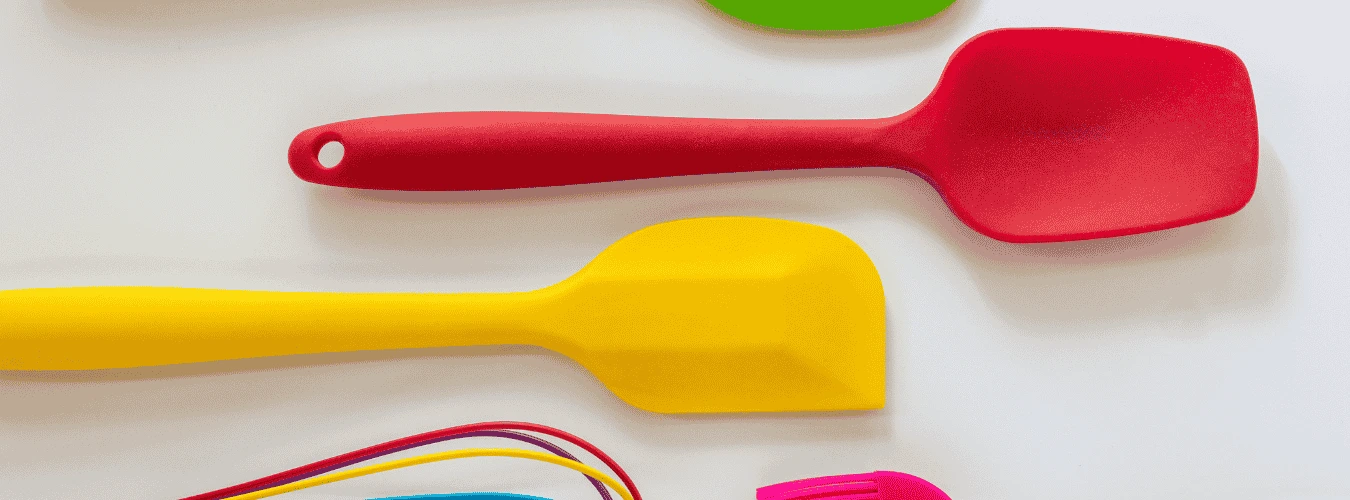
Food grade silicone rubber finds use in a wide array of food and beverage applications. In beverage processing, it is used for flexible tubing, seals, and gaskets in systems handling dairy, beer, soft drinks, and sterile liquids. In bakery and confectionery operations, silicone mats, molds, and conveyor belts endure high-temperature baking cycles while maintaining non-stick and hygienic properties.
Custom-molded seals and closures in packaging machinery rely on silicone’s thermal and chemical stability to ensure reliable operation under repetitive thermal and mechanical stress. Advanced formulations can be tailored for hardness, tensile strength, and elongation, enabling engineers to design components that meet the specific demands of each processing environment.
Design and Engineering Considerations for Food Grade Silicone Rubber
Designing components with food grade silicone rubber requires a deep understanding of both material properties and application conditions. Engineers must consider operating temperature, chemical exposure, mechanical stress, and compression requirements. Platinum-cured silicone is often chosen for high-purity applications due to its minimal extractables and superior resistance to aging.
Crosslink density, hardness, and geometry must be optimized to prevent compression set, ensure sealing integrity, and maintain flexibility. Lifecycle analysis, including thermal aging, chemical exposure, and mechanical cycling, is essential for predicting maintenance schedules and component replacement intervals in industrial equipment.
Comparative Performance Metrics of Food Grade Silicone Rubber
| Metric | Typical Value |
|---|---|
| Hardness (Shore A) | 20–80 |
| Résistance à la traction | 5–10 MPa |
| Allongement à la rupture | 300–700% |
| Compression Set (24h/70°C) | <15% |
| Temperature Range | -60°C to 230°C |
| Chemical Resistance | Excellent to acids, bases, alcohols |
| Thermal Conductivity | 0.2 W/m·K |
| Surface Energy | Low, reduces adhesion |
These metrics allow engineers and procurement teams to assess suitability for various food processing, packaging, and beverage applications, ensuring both compliance and performance longevity.
Maintenance and Lifecycle of Food Grade Silicone Rubber
Proper maintenance, cleaning, and inspection are essential to extend the service life of silicone rubber components. Silicone withstands most standard cleaning protocols, including steam sterilization and chemical disinfectants, without significant degradation. Over time, thermal aging and mechanical fatigue may reduce elasticity or cause minor surface changes, making scheduled inspection and replacement necessary for critical applications.
Understanding lifecycle performance helps manufacturers plan preventive maintenance and reduces downtime, ensuring consistent food safety and operational efficiency.
Conclusion
Food grade silicone rubber combines chemical inertness, thermal resilience, and mechanical flexibility, making it essential for modern food processing, packaging, and beverage systems. Its compliance with international standards guarantees safety, while its material properties allow engineers to design components that meet rigorous operational demands. From tubing and gaskets to custom molds and seals, understanding the polymer chemistry, mechanical behavior, and engineering considerations of food grade silicone rubber is key to achieving high-performance, durable, and hygienic solutions in the food industry.