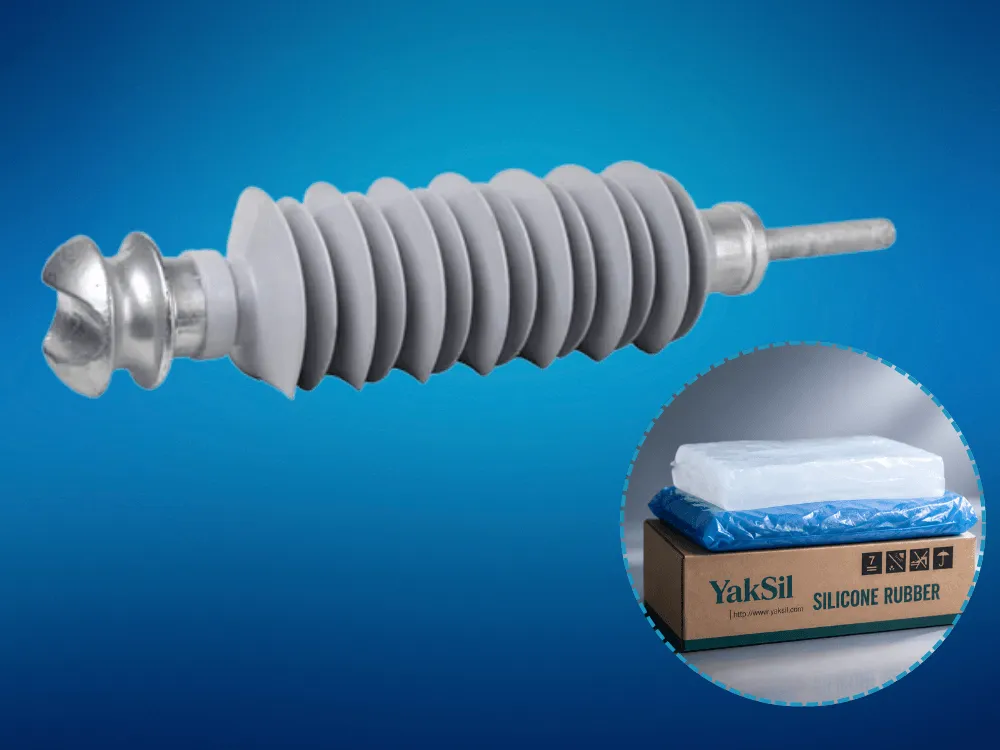
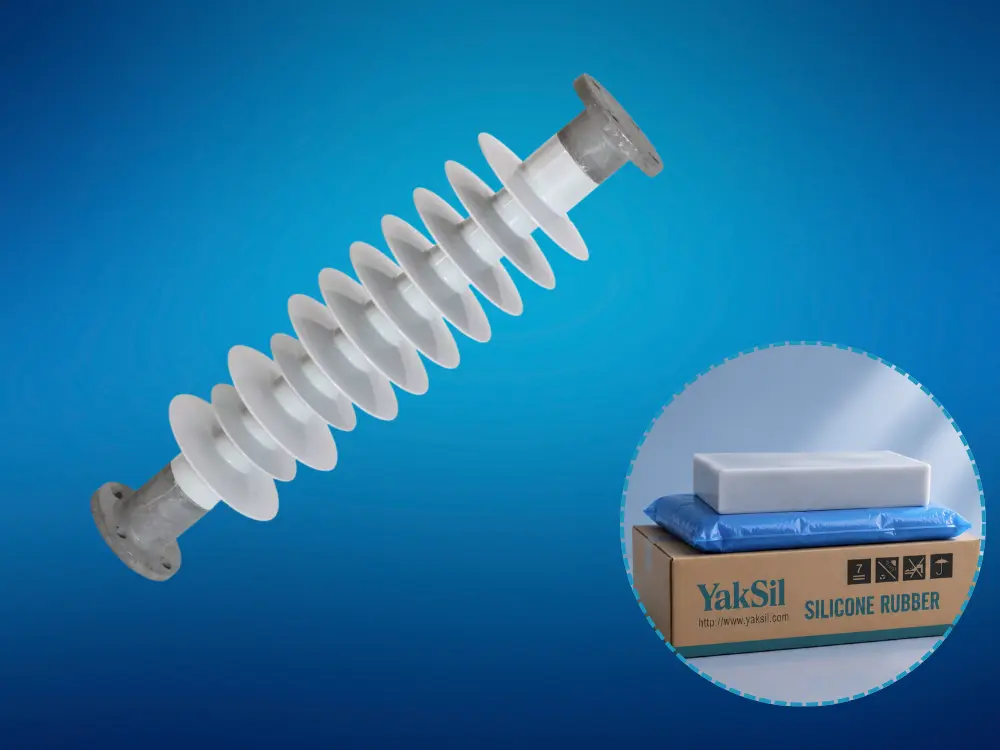
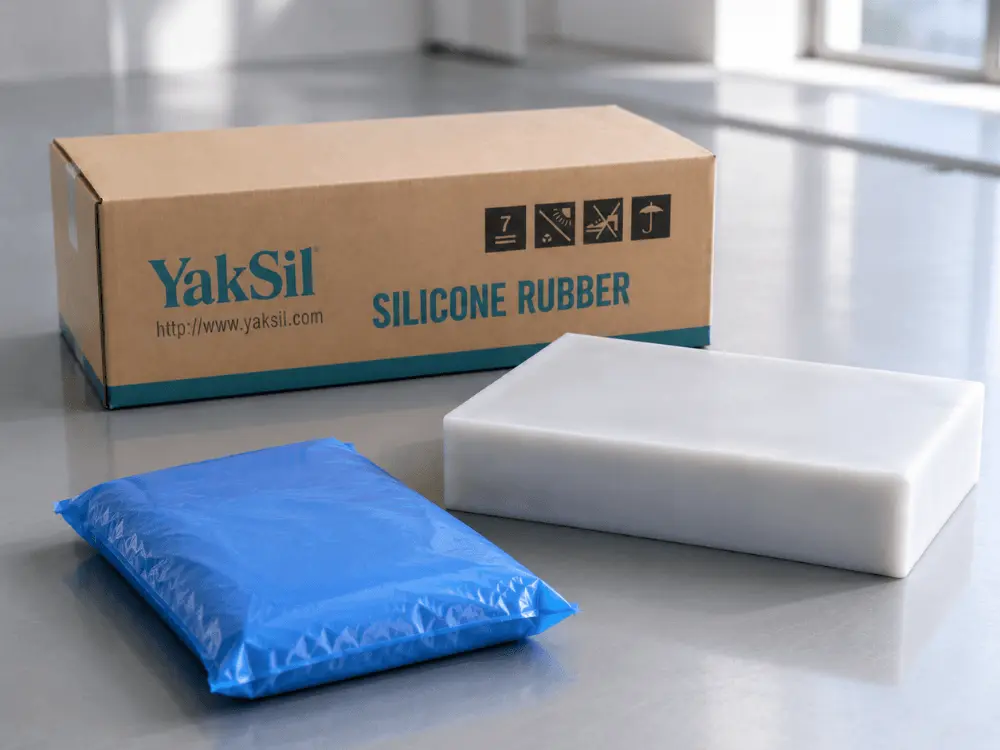
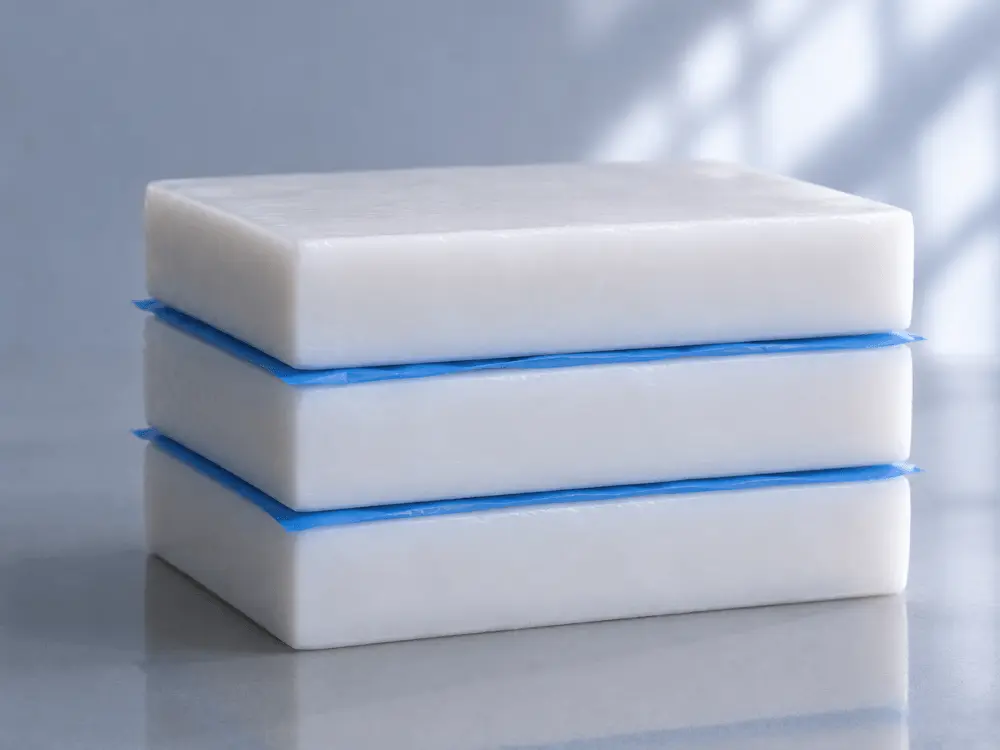
Yakows HTV Silicone Rubber for Composite Insulators is developed for demanding electrical insulation systems used in transmission and distribution networks.
HTV silicone rubber offers a unique combination of electrical, mechanical, and environmental resistance properties. Its natural hydrophobic surface minimizes the formation of conductive water films, reducing the risk of flashover during wet weather conditions.
In addition, the material exhibits excellent tracking and erosion resistance, enabling composite insulators to maintain stable performance even in highly polluted environments. Its flexibility and mechanical strength also contribute to improved resistance against cracking, impact, and long-term weather exposure.
PRINCIPAUX AVANTAGES EN MATIÈRE DE PERFORMANCE
For composite insulator manufacturers, choosing the right HTV silicone rubber compound is critical for electrical insulation performance, mold release, flowability, injection molding stability, and long-term outdoor reliability. Our silicone rubber for composite insulator housing is designed for high voltage insulator applications, helping manufacturers achieve stable processing, reliable insulation, and efficient production.
| Préoccupation du client | How This Silicone Rubber Compound Helps | Manufacturer Benefit |
|---|---|---|
| Performances du caoutchouc silicone utilisé pour l'isolation électrique | This HTV silicone rubber for composite insulators helps meet electrical insulation requirements with good breakdown strength, volume resistivity, hydrophobicity, and tracking resistance. It is suitable for high voltage insulator silicone rubber applications where stable dielectric performance is required. | Helps reduce the risk of flashover, leakage current, tracking, erosion, and insulation failure in outdoor composite insulator housing. |
| Tracking Resistant Silicone Rubber for Outdoor Insulators | The material provides good tracking and erosion resistance for silicone rubber insulator housing used in polluted, humid, coastal, or high-contamination environments. | Supports long-term outdoor reliability and helps composite insulators maintain stable performance under harsh service conditions. |
| Anti-Sticking Silicone Rubber with Good Mold Release | This mold release silicone rubber compound is optimized to reduce sticking to the mold during rubber injection molding, making demolding easier and reducing mold cleaning frequency. | Less mold sticking, shorter downtime, easier demolding, cleaner molds, and more stable continuous production. |
| High Flow Silicone Rubber for Injection Molding | Good flowability allows the injection molding silicone rubber to fill complex composite insulator shed structures more smoothly, especially for long creepage distance designs, large insulator housings, and complex mold cavities. | Fewer short shots, fewer air traps, better surface quality, improved molding consistency, and higher production yield. |
| Low Injection Pressure Silicone Rubber Processing | Better flowability can help reduce injection pressure under suitable processing conditions. This makes the silicone rubber compound easier to process on rubber injection molding machines. | Reduced machine load, lower equipment wear, improved processing stability, and longer injection molding machine service life. |
| Stable Silicone Rubber Compound for Insulator Manufacturing | The combination of reliable electrical insulation, tracking resistance, good mold release, and high flowability supports stable silicone rubber injection molding production for composite insulators. | Lower defect rate, higher production efficiency, better cost control, and more consistent quality for high voltage composite insulator manufacturing. |
Sur les appareils mobiles, faites glisser vers la gauche ou vers la droite pour afficher le tableau dans son intégralité.
The following technical data helps you evaluate whether the material meets your electrical, mechanical, and processing requirements.
| ARTICLE | Unité | NUMÉRO DE MODÈLE | ||
|---|---|---|---|---|
| LW-3160D | LW-3160Z | LW-3160G | ||
| Dureté | Rive A | 65 ± 3 | 65 ± 3 | 60 ± 3 |
| Résistance à la déchirure | kN/m | ≥10 | ≥10 | ≥ 12 |
| Résistance à la traction | Mpa | ≥4.0 | ≥ 4,5 | ≥ 5,0 |
| Allongement | % | ≥220 | ≥220 | ≥240 |
| Permanent deformation of fixed extension | % | ≤4 | ≤4 | ≤4 |
| Densité | g/cm³ | 1.48 ± 0.03 | 1.46 ± 0.03 | 1.46 ± 0.03 |
| Breakdown field strength | kV/mm | ≥20 | ≥21 | ≥22 |
| Resistance to leakage and marking (1A AC4.5 class) | mm | ≤2.5 | ≤2.5 | ≤2.5 |
| Dielectric constant | / | ≤5 | ≤5 | ≤5 |
| Volume resistivity | Ω・cm | 1×10¹⁴ | 2×10¹⁴ | 2×10¹⁴ |
Sur les appareils mobiles, faites glisser votre doigt vers la gauche ou vers la droite pour afficher le tableau complet des caractéristiques techniques.
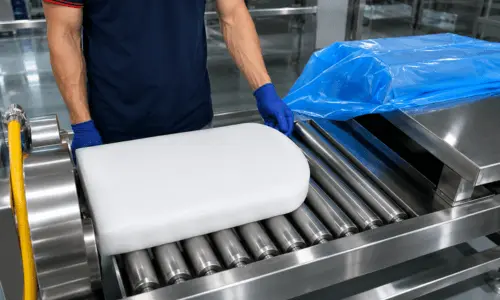
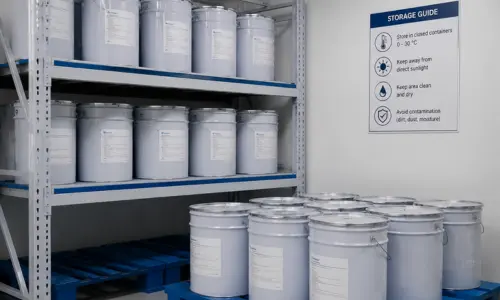
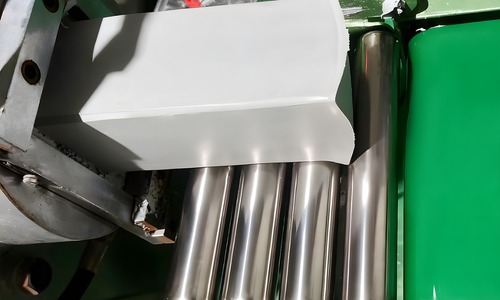
Le caoutchouc silicone HTV de Yakows est fabriqué selon un processus de production rigoureux et contrôlé afin de garantir une qualité constante, une excellente dispersion des charges et des performances fiables pour les applications d'isolation composite haute tension.
De la sélection des matières premières au contrôle final, chaque étape de la production fait l'objet d'un suivi rigoureux afin de garantir la cohérence des propriétés électriques, mécaniques et environnementales.