
Is Food Grade Silicone Safe?

Is Food Grade Silicone Safe? Food grade silicone is generally considered suitable for food-contact applications when it is correctly formulated, properly cured and used within the conditions for which the material has been evaluated. It is widely used for kitchenware, baking molds, seals, tubing, food-processing components and other products that may repeatedly contact food. However, […]
Silicone Rubber Under Heat, UV and Electrical Stress
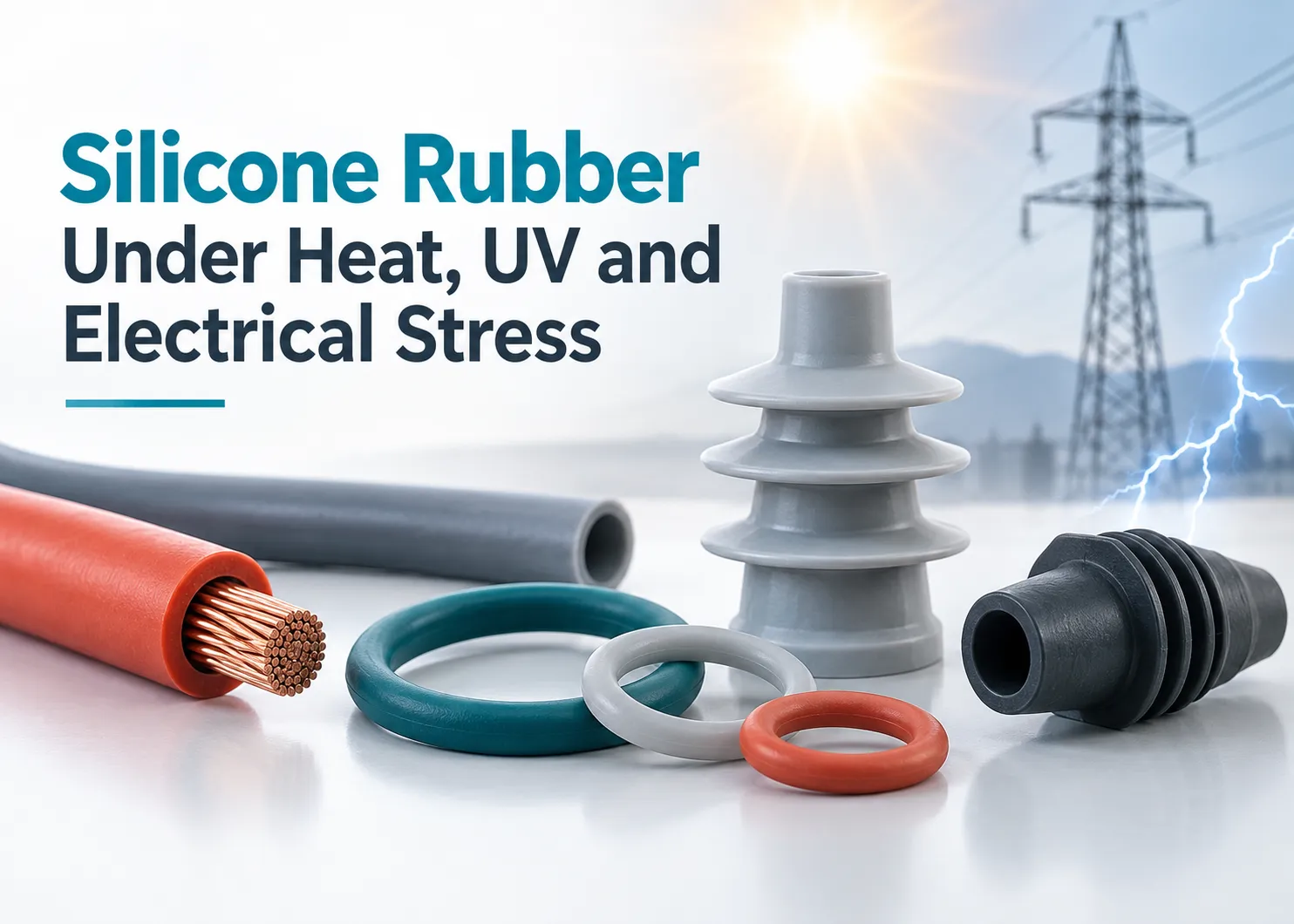
Silicone Rubber Under Heat, UV and Electrical Stress Silicone rubber is widely used in electrical, high-voltage, cable, automotive and outdoor industrial applications because it can retain flexibility while resisting heat, ultraviolet radiation, moisture and electrical stress. These advantages, however, do not mean the material is unaffected by long-term service conditions. Heat can gradually change hardness […]
Silicone Rubber in EV High-Voltage Systems
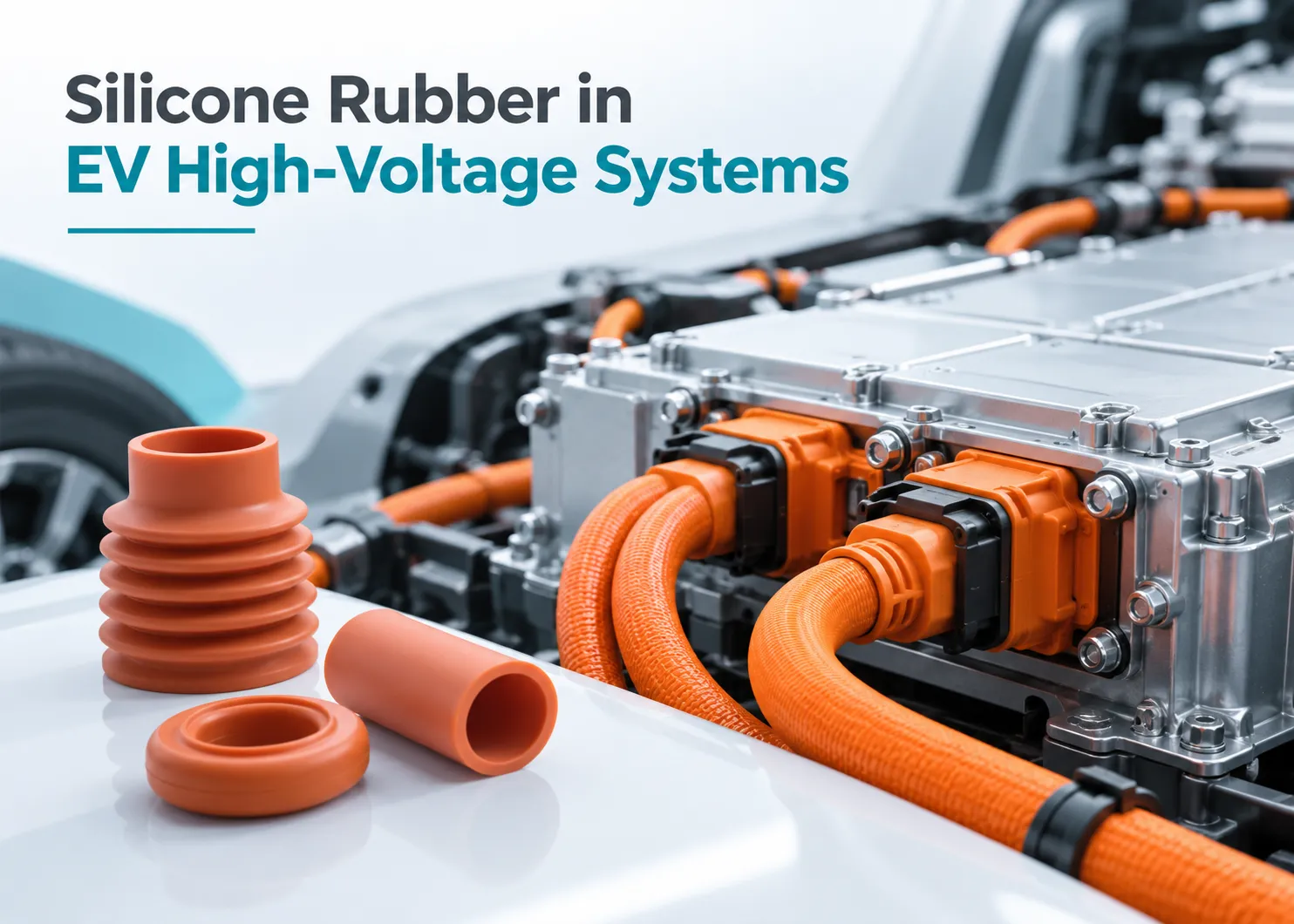
Silicone Rubber in EV High-Voltage Systems Silicone rubber is widely used in electric-vehicle high-voltage systems because it can combine electrical insulation, heat resistance, flexibility, sealing performance and long-term environmental stability. These properties are valuable in components exposed to elevated voltage, temperature cycling, vibration, moisture and repeated mechanical movement. In EV applications, silicone rubber may be […]
What is HCR Silicone?
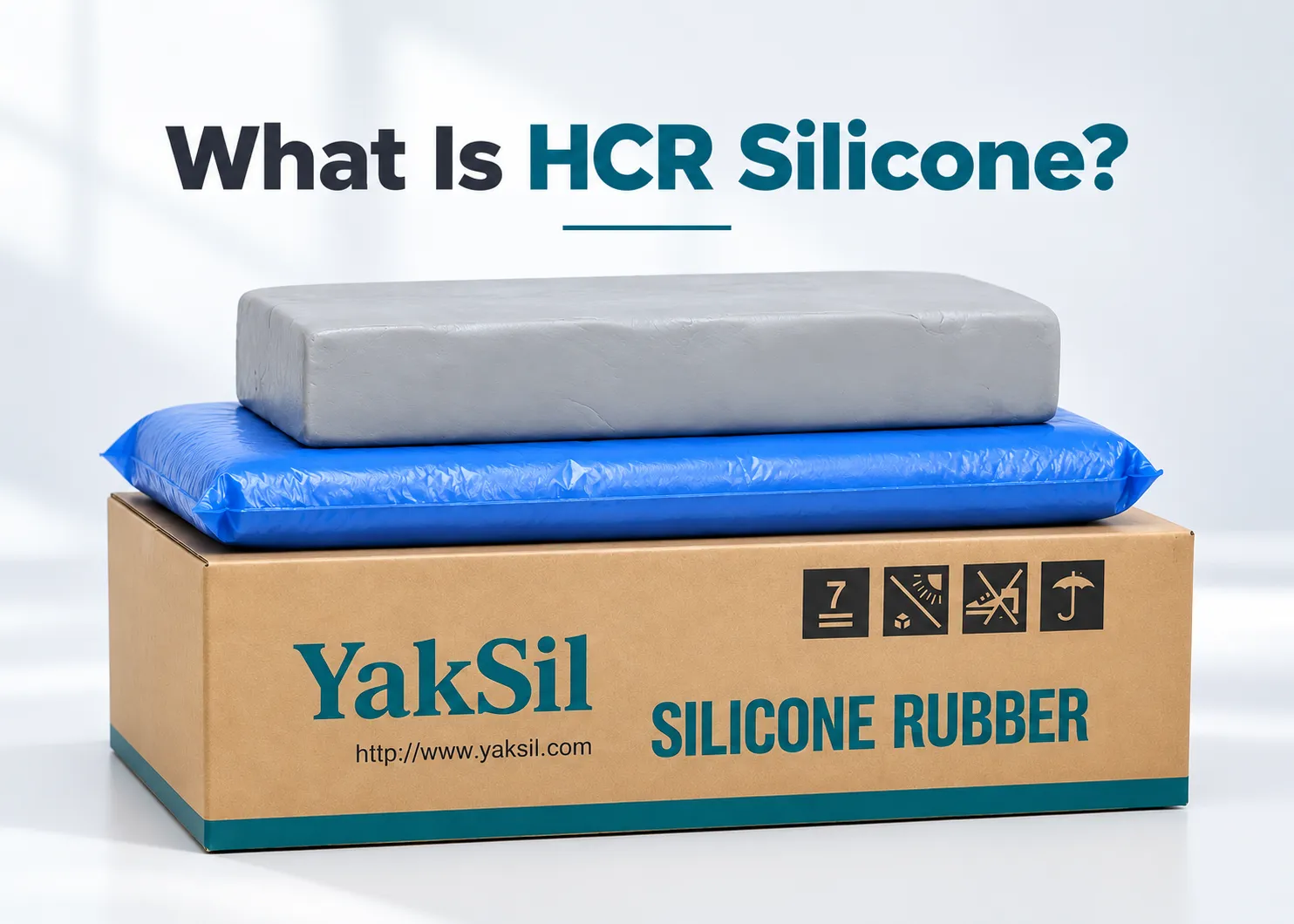
What Is HCR Silicone? HCR silicone is a high-consistency silicone rubber supplied as a solid, gum-like compound before curing. HCR stands for High Consistency Rubber. Unlike liquid silicone rubber, HCR does not flow like a liquid at room temperature. It is processed as a highly viscous elastomer compound and is commonly molded, extruded, calendered or […]
Rubber Insulation for Electrical Applications
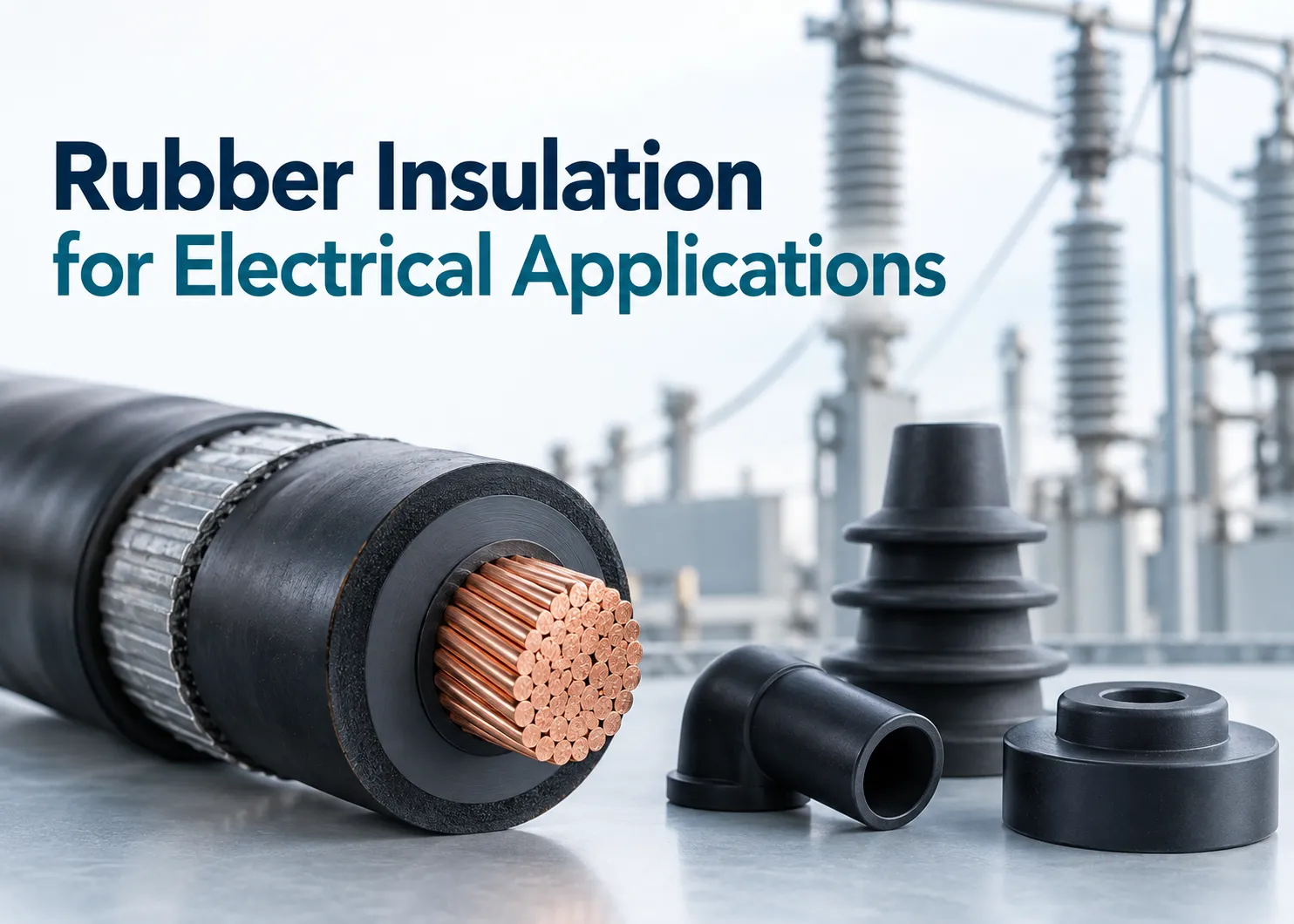
Rubber Insulation for Electrical Applications: Material Selection Guide Rubber insulation is widely used in electrical systems because elastomeric materials can combine electrical resistance with flexibility, sealing performance, mechanical durability and resistance to environmental stress. However, not every rubber compound is suitable for the same electrical application. Silicone rubber, EPDM, neoprene and other elastomers differ significantly […]
Silicone Rubber Buying Guide
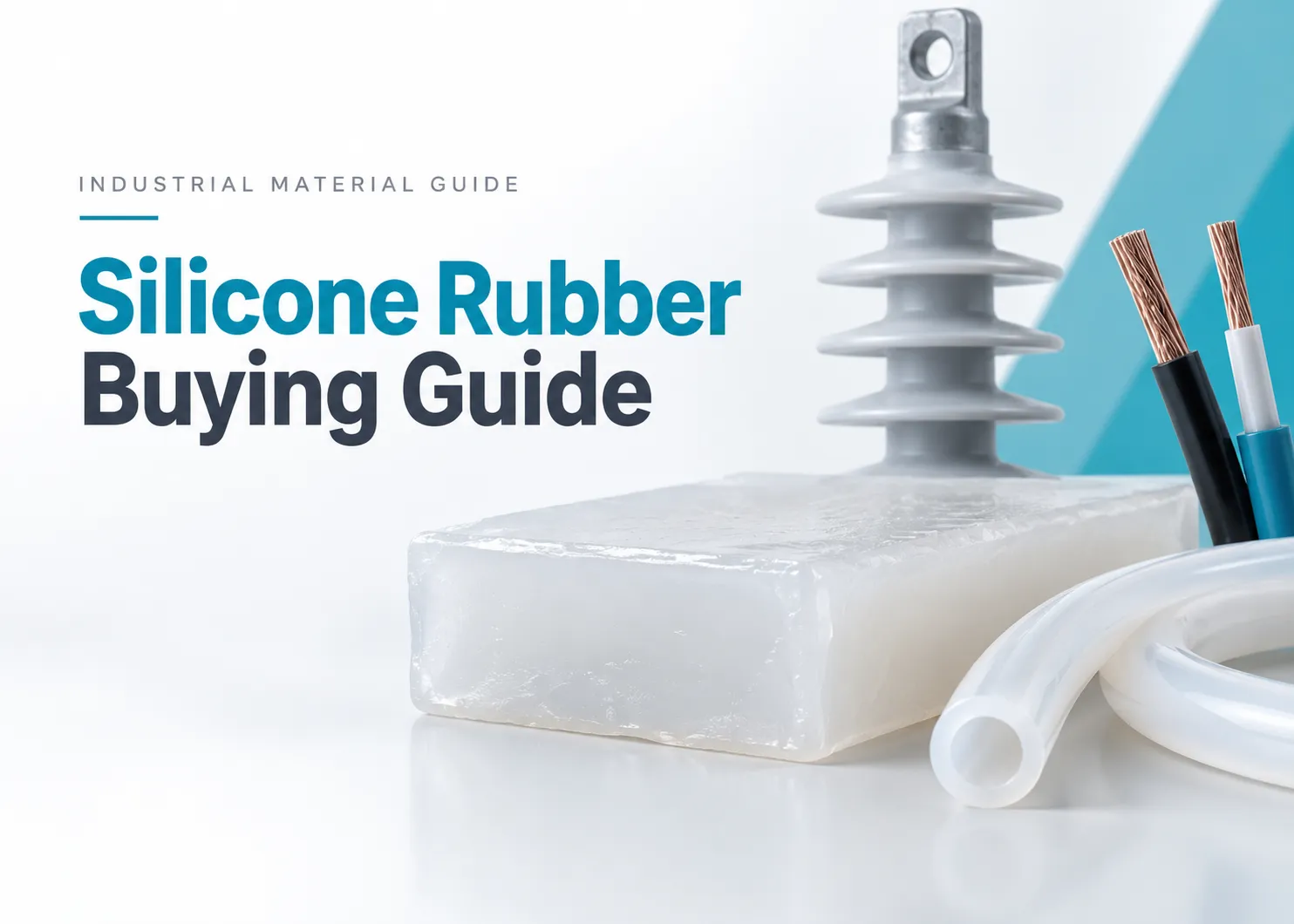
Silicone Rubber Buying Guide Buying silicone rubber is not simply a matter of choosing a Shore A hardness and comparing price per kilogram. The right material must match your manufacturing process, operating environment, mechanical requirements, electrical performance, compliance needs and production volume. This guide explains what industrial buyers and engineers should check before requesting a […]
Silicone Rubber Types and Distinctions
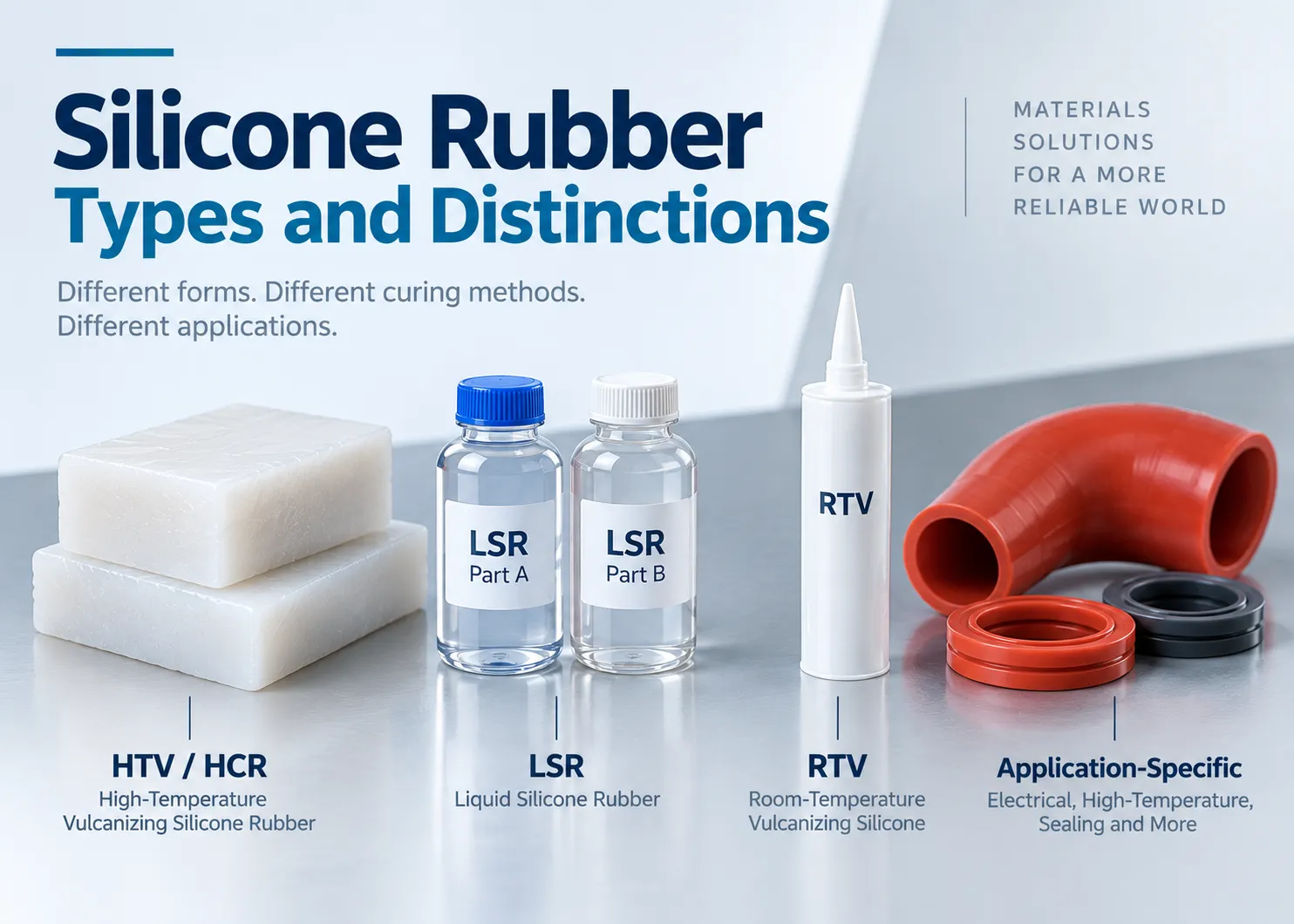
Silicone Rubber Types and Distinctions Silicone rubber is not a single material. It is a broad family of elastomers that can differ significantly in viscosity, curing chemistry, processing method, mechanical properties and end-use performance. HTV, HCR, LSR and RTV are some of the most common terms, but they describe different ways silicone materials are formulated, […]
8 Steps in the HTV Silicone Rubber Manufacturing Process
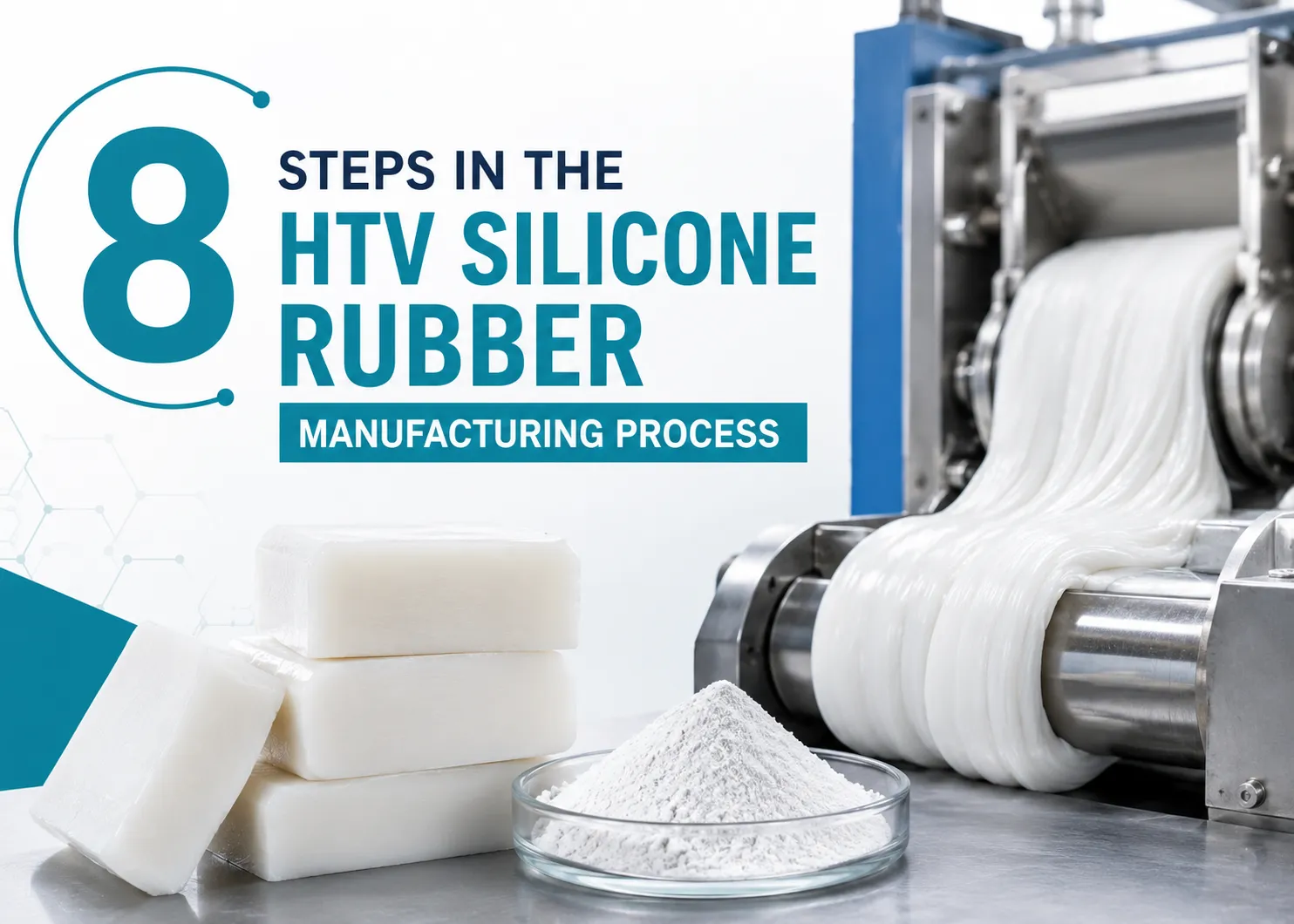
8 Steps in the HTV Silicone Rubber Manufacturing Process HTV silicone rubber is not made by simply mixing silicone gum with a curing agent. A finished high-consistency silicone compound is the result of controlled polymer selection, filler reinforcement, intensive mixing, heat treatment, additive adjustment, filtration and quality testing. Each stage affects how the material behaves […]
Are Silica Gel and Silicone Rubber the Same?
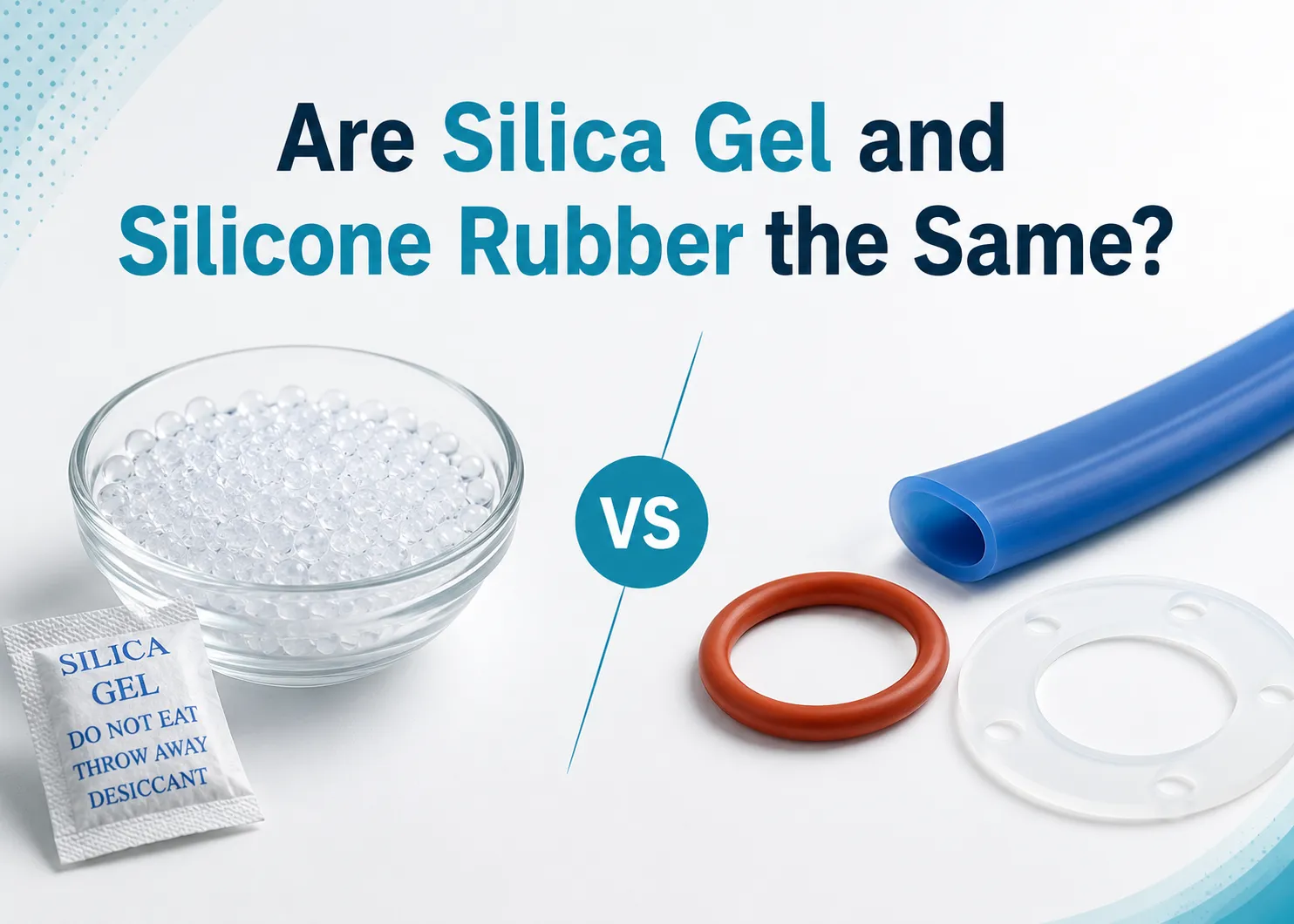
Are Silica Gel and Silicone Rubber the Same? No. Silica gel and silicone rubber are not the same material. Silica gel is a porous, inorganic form of silicon dioxide mainly used to absorb moisture, while silicone rubber is a flexible, crosslinked elastomer based on organosilicon polymers. They both contain silicon and oxygen, which is why […]
Silicone Rubber in High-Voltage Applications
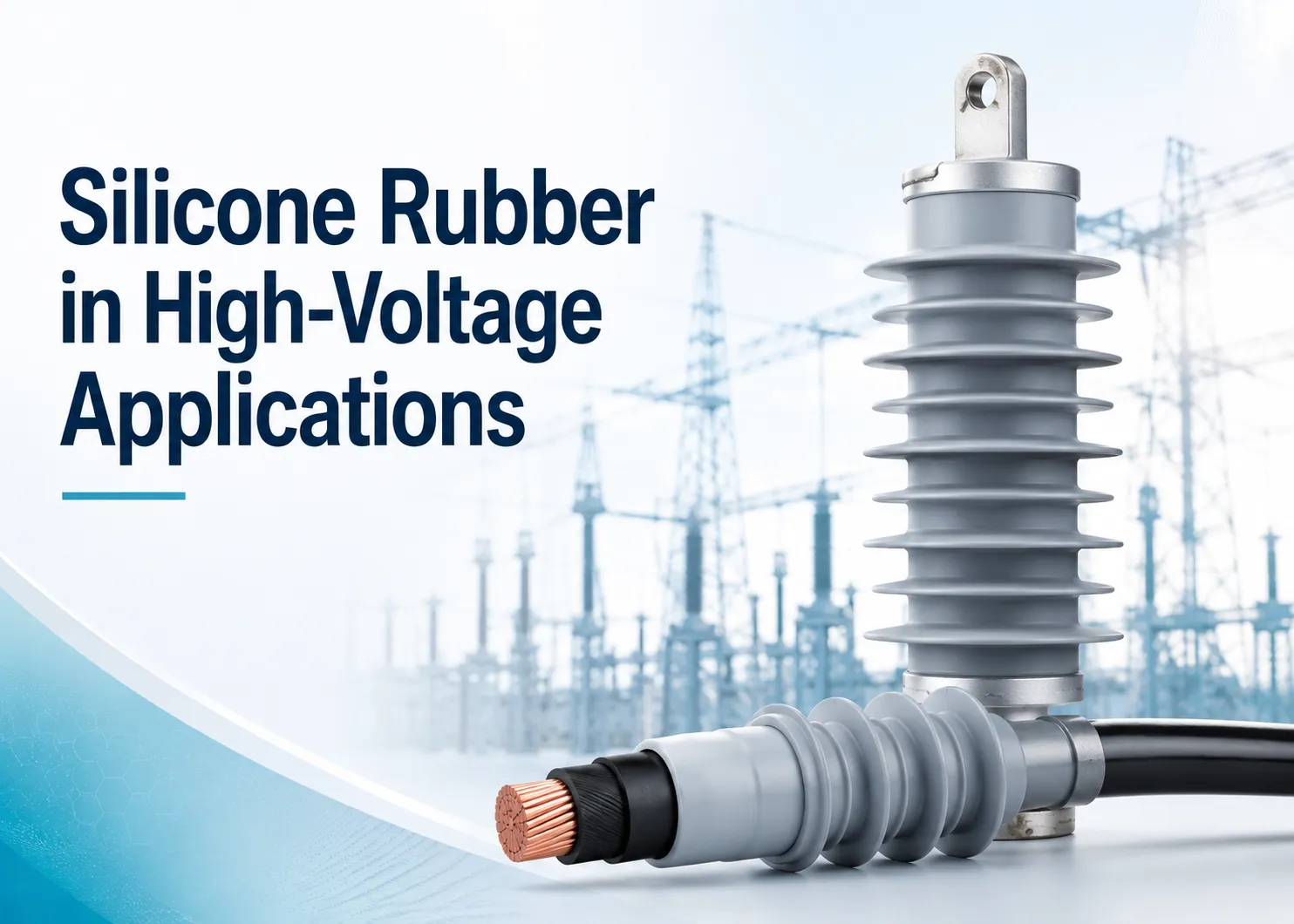
Silicone Rubber in High-Voltage Applications Silicone rubber has become an important insulating material in modern high-voltage systems because it combines electrical insulation, flexibility, weather resistance and long-term outdoor performance. Composite insulators, cable systems, electrical connectors and EV components, however, place much greater demands on an elastomer than ordinary molded products. Heat, moisture, pollution, corona, electrical […]