
Silicone Rubber Testing Laboratory
Yakows operates an in-house silicone rubber testing laboratory to support material development, formulation comparison, process verification and production quality control. Our laboratory works with HTV silicone rubber, liquid silicone rubber and custom compounds used in electrical insulation, medical components, automotive systems and industrial molding applications.
Instead of treating laboratory testing as a final inspection step, we use test data throughout the development cycle. Mechanical properties, hardness, resilience, compression set, cure behavior, plasticity, heat aging and other material characteristics can be reviewed together with the customer’s processing method and end-use conditions. This helps our technical team identify whether a formulation is suitable before it moves into larger-scale production.
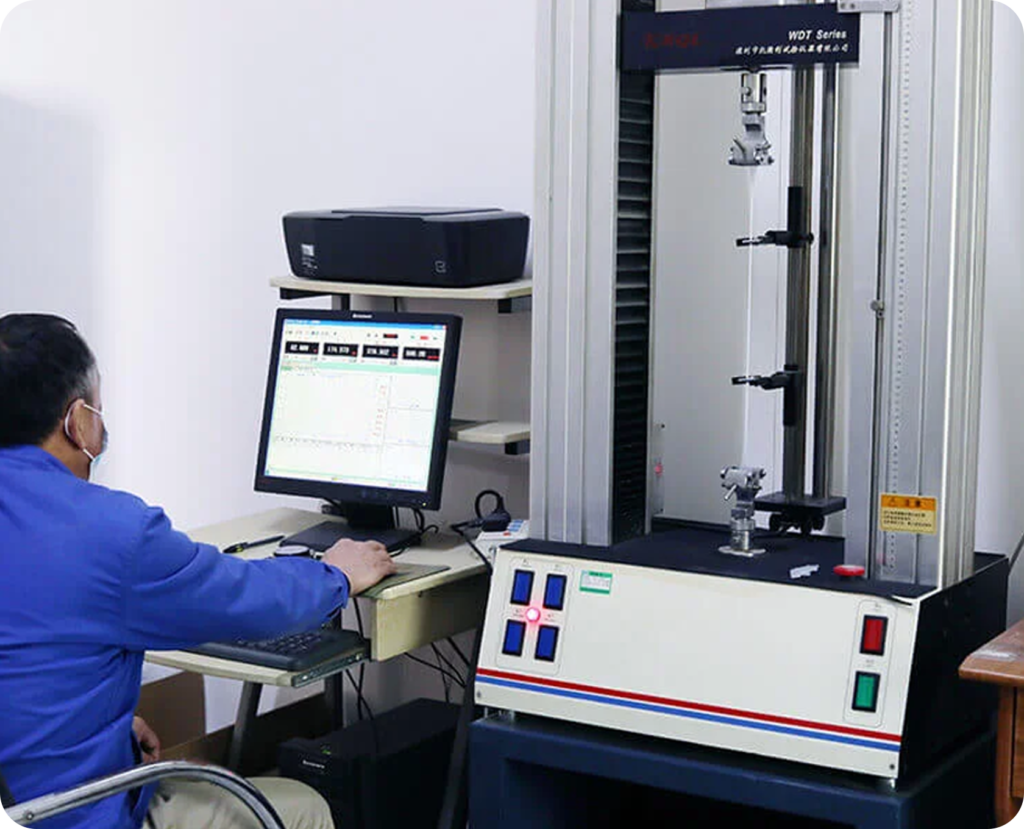
More than pass or fail testing
The laboratory is used across five core activities: testing, compound development, technical consultancy, failure analysis and training. Each activity connects test results with a practical engineering decision—selecting a material, adjusting a formulation, investigating an abnormal result or confirming that production remains consistent.
Material Testing
Evaluate mechanical, processing, thermal and aging-related properties of silicone rubber compounds and cured specimens.
Compound Development
Compare formulations and material behavior against target hardness, processing requirements and application priorities.
Technical Consultancy
Use laboratory results to support material selection, process troubleshooting and communication between engineering and purchasing teams.
Failure Analysis
Review relevant physical properties and processing variables when samples or production materials do not perform as expected.
Training & Knowledge
Translate material data into practical guidance for silicone rubber processing, inspection and application evaluation.
Testing the properties that influence processing and long-term performance
Silicone rubber performance cannot be judged by one number alone. A compound may need a specific hardness for molding, sufficient tensile and tear strength for handling, stable cure behavior for production, low compression set for sealing, or property retention after heat exposure. Yakows combines multiple test categories so material decisions can be made with a more complete view of the compound.
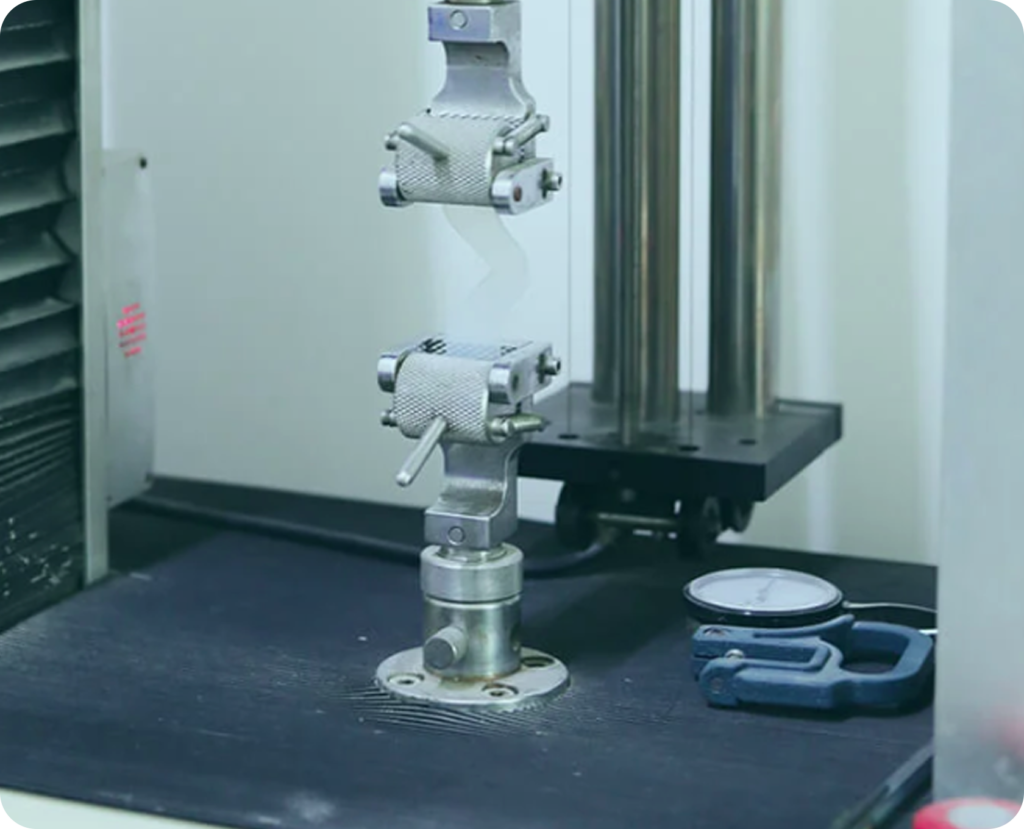
Tensile Strength & Elongation
Mechanical performanceTensile strength testing measures the load a cured silicone rubber specimen can withstand while it is stretched, together with the elongation reached before rupture. These values help compare formulation strength, flexibility and batch-to-batch consistency.
For HTV silicone rubber used in composite insulators, cable accessories, seals and molded components, tensile and elongation performance can affect demolding, assembly, installation and resistance to mechanical damage in service.
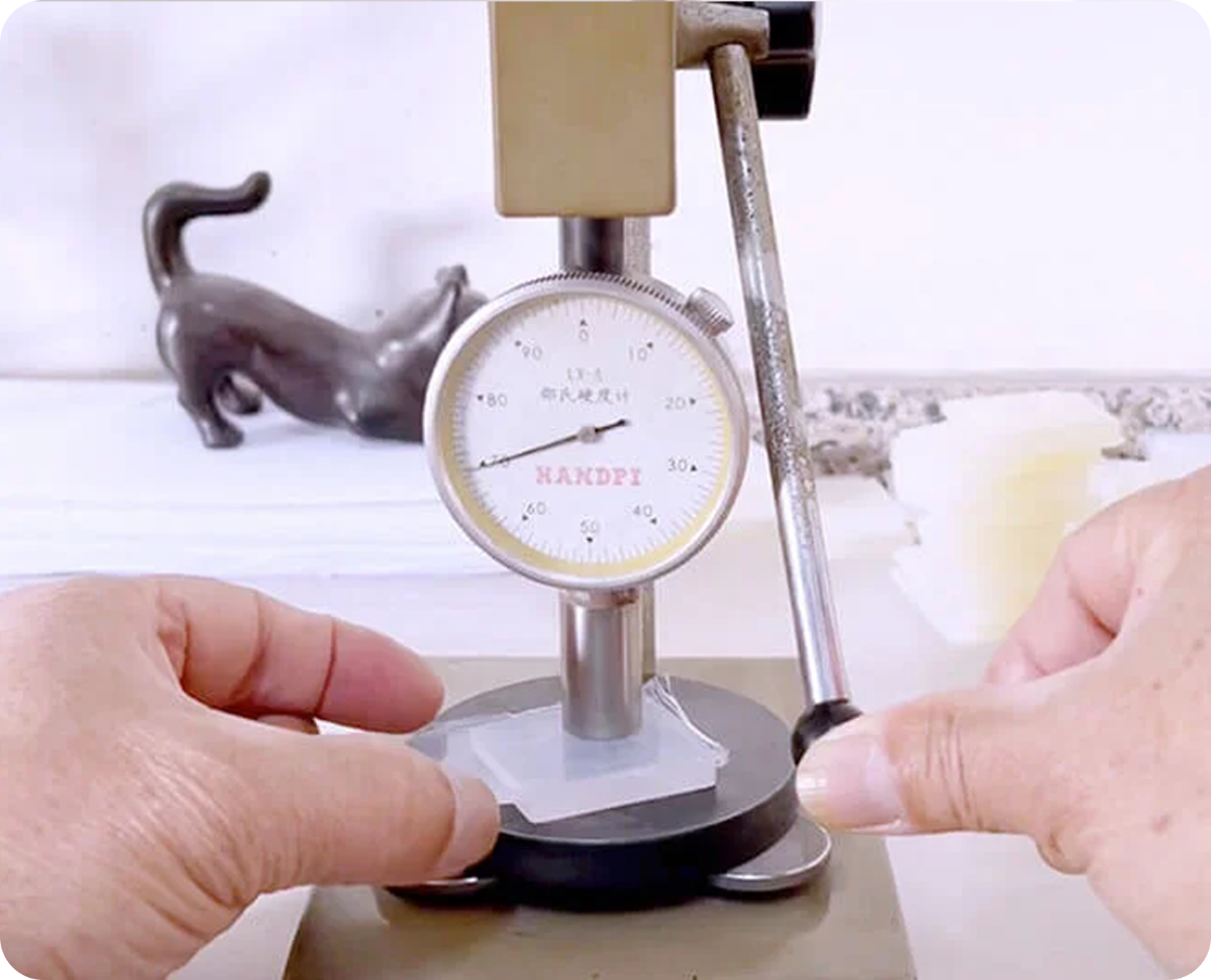
引裂強さ
Resistance to crack growthTear strength testing evaluates how strongly cured silicone rubber resists the growth of an existing cut or stressed edge. It is particularly useful when tensile strength alone does not fully represent the risk of localized damage.
The result is relevant to flexible insulator housings, thin molded sections, seals and components exposed to handling or repeated deformation, where a small notch should not propagate rapidly through the material.
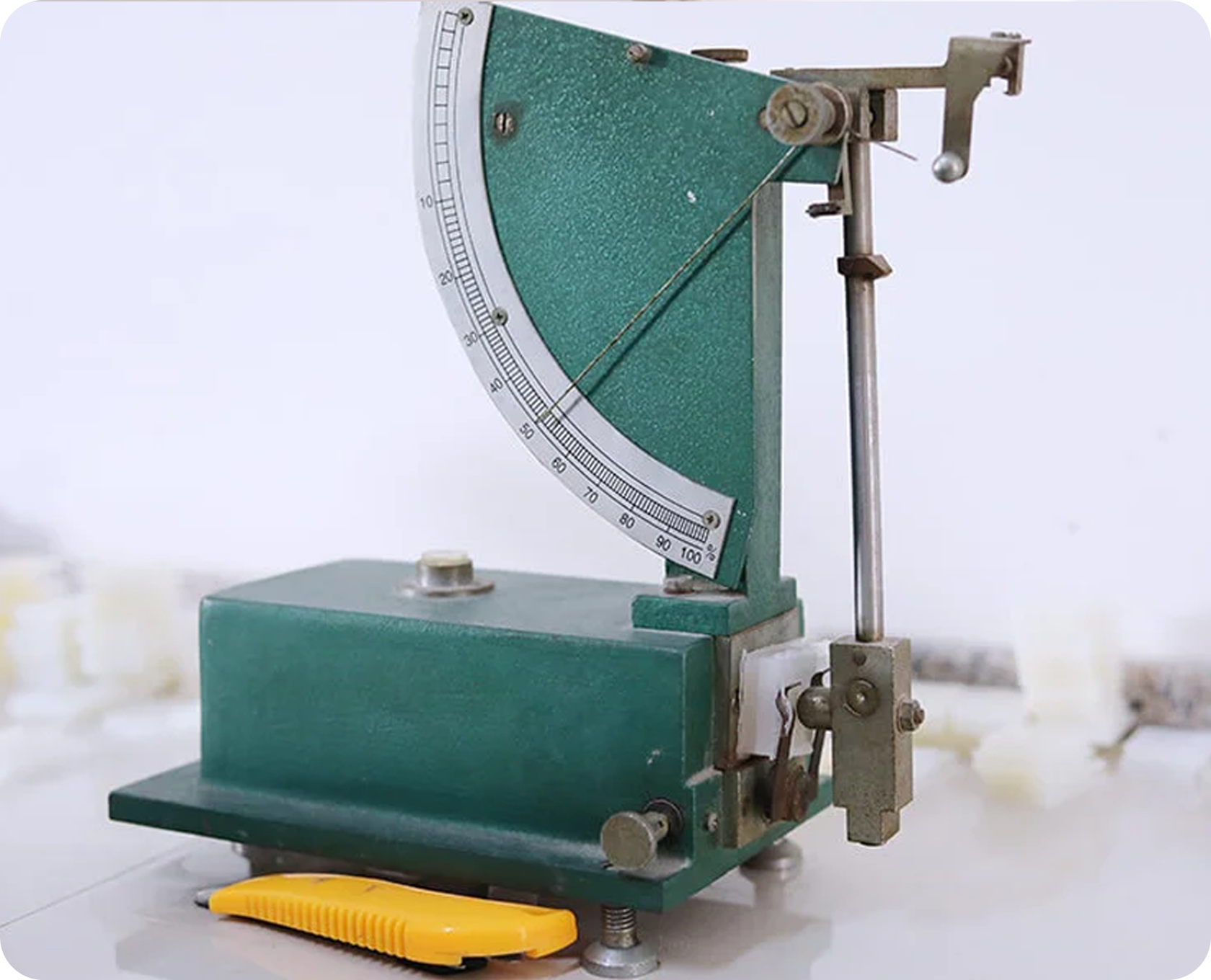
ショア硬度
グレードおよび均一性の確認Hardness is one of the most frequently specified silicone rubber properties because it influences deformation, sealing force, flexibility, touch and processing behavior. Shore hardness testing verifies whether a cured compound remains within its intended material range.
During custom compound development, hardness is reviewed together with tensile strength, elongation, tear resistance and processability because compounds with similar Shore A values can still perform differently in molding and service.
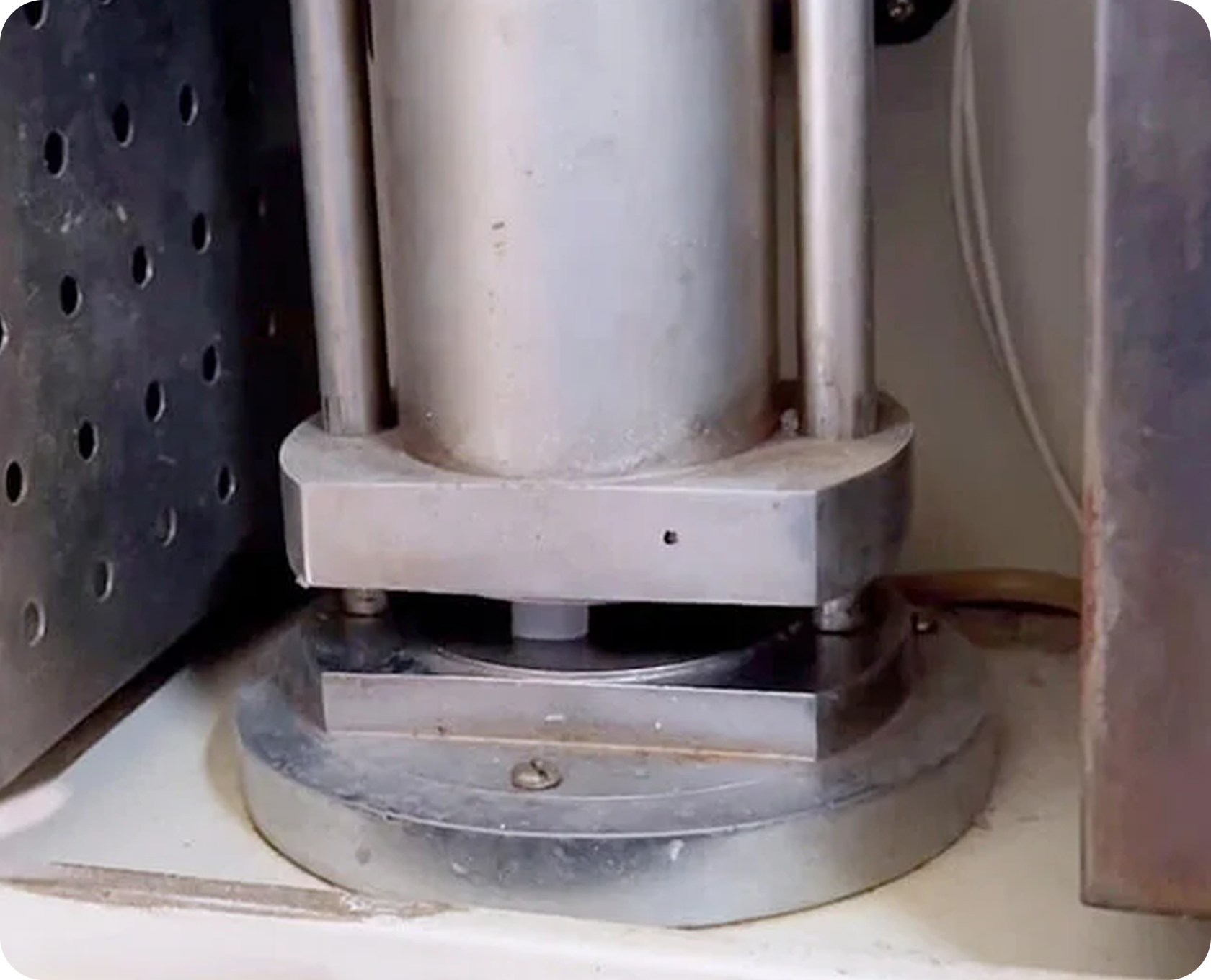
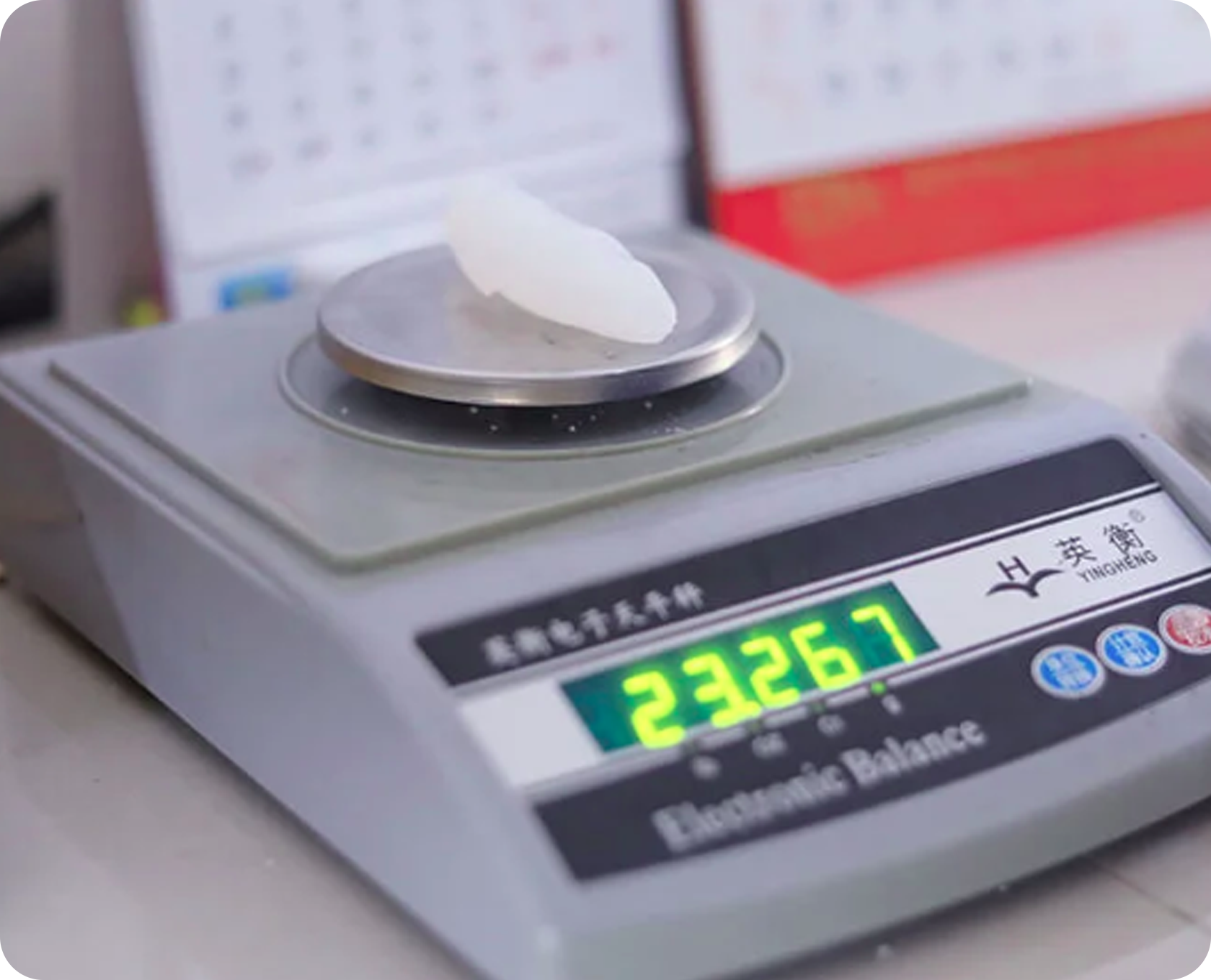
Weighing & Curing-Agent Addition
Controlled sample preparationReliable laboratory comparison begins before the test machine is used. Silicone rubber samples and the appropriate curing-system ingredients must be weighed consistently so the cured specimens represent the intended formulation.
Controlled ingredient addition helps reduce preparation variation when comparing formulations, cure response and final physical properties. The exact curing chemistry depends on the silicone system and application requirements.
Resilience & Rebound
Elastic responseResilience and rebound testing provide an indication of how efficiently a silicone rubber specimen returns energy after deformation. This adds information about elastic response that cannot be obtained from hardness alone.
Rebound behavior can help compare materials intended for cushioning, seals and flexible components where recovery after repeated mechanical loading is important to long-term function.
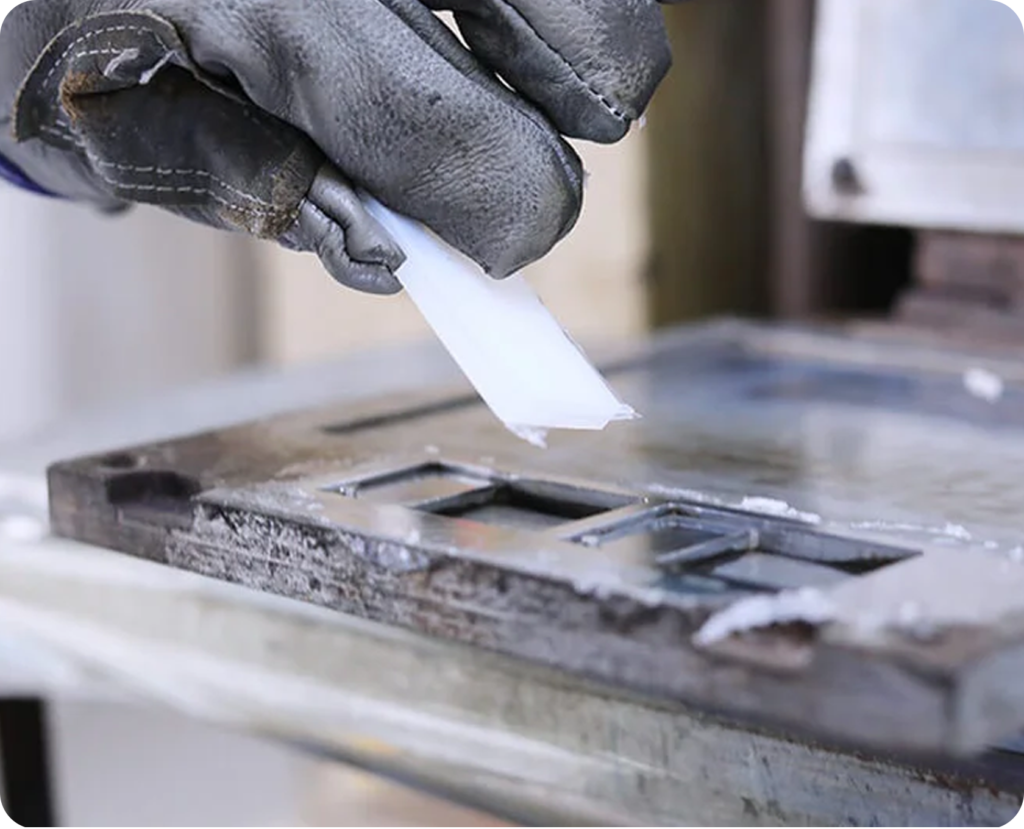
Plasticity & Compression Behavior
Uncured and compressed material responsePlasticity testing characterizes the deformation behavior of uncured silicone rubber under controlled load and temperature, helping compare handling and process consistency before curing. Compression-related evaluation is used to understand permanent deformation and recovery after sustained loading.
These properties are important for HTV processing, seals, gaskets, cable accessories and other components where the material must remain processable before cure and retain useful recovery after compression in service.
Cure Behavior, Heat Conditioning & Aging
Processing stability and property retentionCure behavior is evaluated together with controlled specimen preparation to compare processing stability and final properties. For silicone rubber, the relevant cure system may be peroxide-based or platinum-catalyzed depending on material type and end-use requirements.
Heat and chemical aging evaluation compares key properties before and after controlled exposure. Changes in hardness, appearance, tensile behavior, elongation or other characteristics can help assess whether a formulation is suitable for demanding thermal or industrial environments.
Reliable data starts with controlled specimens
Sample preparation, mixing, curing conditions, specimen geometry and conditioning can all influence a silicone rubber test result. That is why laboratory work must control the preparation process as carefully as the measurement itself.
For development projects, the same controlled approach allows different formulations to be compared under equivalent conditions, making the results more useful for formulation refinement and production decisions.
What each silicone rubber test helps you understand
A useful laboratory report should connect a measured property with a material or application decision. The table below shows how common tests on this page relate to practical questions from engineers, quality teams and buyers.
| Test / Evaluation | What It Indicates | Typical Decision Supported | Relevant Applications |
|---|---|---|---|
| Tensile strength & elongation | Strength and stretch before rupture | Mechanical durability and formulation comparison | Insulators, seals, molded and extruded parts |
| 引裂強度 | 亀裂進展に対する抵抗性 | Suitability for thin, flexible or highly stressed sections | Composite insulators, seals, flexible components |
| Shore hardness | Resistance to indentation | Grade verification, flexibility and sealing force | General molding, gaskets, medical and industrial parts |
| Resilience / rebound | Elastic energy recovery | Dynamic response and recovery behavior | Cushioning, flexible seals and engineered components |
| 圧縮永久ひずみ | Permanent deformation after compression | Long-term sealing reliability | Gaskets, O-rings, cable accessories, automotive seals |
| 可塑性 | Uncured deformation behavior | Handling, processing consistency and compound comparison | HTV molding, extrusion and compounding |
| Cure behavior | Response during crosslinking | Processing window and batch consistency | HTV and LSR manufacturing |
| Heat / chemical aging | Property change after controlled exposure | Material selection for demanding service conditions | Electrical, automotive and industrial applications |
Laboratory testing is part of the compound development cycle
Custom silicone rubber development begins with the application rather than with a generic material grade. The customer’s target hardness, processing method, operating temperature, mechanical load, environmental exposure and regulatory requirements help define which properties need to be prioritized.
Laboratory samples can then be prepared and evaluated so formulation changes are based on measurable differences. When the material moves toward production, the same key properties can be used as reference points for quality verification and batch consistency.
This approach is particularly useful when a standard silicone rubber grade does not provide the required balance of processability, mechanical strength, sealing recovery, temperature stability or application-specific performance.
- 01Define application requirements
Clarify processing method, hardness, environment, target properties and critical failure risks.
- 02Select or adjust the compound
Choose a suitable HTV, LSR or custom formulation direction based on the application.
- 03Prepare controlled specimens
Mix, cure and condition samples so formulations can be compared consistently.
- 04Measure critical properties
Evaluate the mechanical, processing, thermal or aging properties relevant to the project.
- 05Review and optimize
Use the data to adjust formulation or processing recommendations before production.
- 06Verify production consistency
Reference agreed key properties during quality control and repeat-order production.
The important test depends on where the silicone rubber will work
Laboratory data becomes more useful when it is interpreted in the context of the final application. Electrical insulation, medical components, automotive systems and general industrial parts place different demands on the same silicone rubber properties.
Electrical Insulation & Composite Insulators
Mechanical strength, tear resistance, hardness, aging behavior and material consistency are relevant when silicone rubber is used for composite insulator housings, surge arresters, cable accessories and other power-system components.
Explore insulation materials →Medical & Healthcare Components
For molded medical components, material consistency, hardness, tensile properties, cleanliness and application-specific documentation may be important. Testing requirements should be defined according to the exact device and contact conditions.
Explore medical silicone →Automotive & Thermal Applications
Compression recovery, heat-aging behavior, hardness and mechanical durability can be critical for seals, connectors, battery-system components and other parts exposed to temperature cycling or sustained deformation.
Explore silicone materials →Industrial Molding & Custom Compounds
Industrial projects often require a balance of processability, hardness, tensile and tear performance, compression behavior and cost. Laboratory comparison helps identify that balance before scaling the formulation.
View silicone rubber products →Using laboratory data to support batch consistency
A silicone rubber supplier needs more than a development formula; the material must remain consistent when production is repeated. Laboratory verification can be used to compare incoming or in-process material behavior, evaluate cured specimens and review the properties most closely linked to the customer’s application.
The exact quality-control plan should be based on the product specification. For one application, hardness and cure behavior may be the fastest indicators of consistency. For another, tensile strength, tear resistance, compression set or heat-aging performance may be more important. Defining those critical properties early makes subsequent production control more meaningful.
Learn more about Yakows manufacturing and quality control →Silicone rubber testing questions
Questions commonly raised during material selection, custom formulation and pre-production verification.
What silicone rubber properties can Yakows evaluate?
The current laboratory scope includes hardness, resilience, cure behavior, temperature tolerance, plasticity, compression set, tensile and tear strength, heat and chemical aging, material composition and temperature-related material properties. The exact test plan should be agreed according to the project.
Can the laboratory support both HTV silicone rubber and LSR?
Yes. Yakows develops and supplies both HTV silicone rubber and liquid silicone rubber. Because the two material systems differ in uncured form and processing method, the relevant preparation and evaluation plan should be selected for the specific compound and process.
Can testing be used during custom silicone compound development?
Yes. Laboratory comparison is particularly valuable during custom formulation work because it allows changes in hardness, mechanical properties, processing behavior and other target characteristics to be reviewed before the compound is scaled for production.
Why test more than hardness?
Two compounds with similar Shore hardness can behave differently in tensile strength, tear resistance, rebound, compression set, cure response or aging performance. A multi-property evaluation gives a more complete picture of material suitability.
Can heat-aging performance be compared?
Heat and chemical aging are part of the laboratory capabilities listed on the current page. For a development project, relevant properties can be compared before and after controlled exposure to understand property retention.
Can Yakows help investigate a silicone rubber performance problem?
Failure analysis is one of the laboratory’s stated activities. The useful approach depends on the failure mode, but relevant material properties, sample condition and processing history can be reviewed together to identify likely differences or areas for further verification.
Do you provide a fixed test standard for every project?
No single test plan fits every silicone rubber application. Test methods, specimen preparation, conditioning and acceptance criteria should be defined according to the customer specification and the intended application. Specific international standards should only be claimed where they are actually followed and documented.
Need to verify or develop a silicone rubber material?
Send us your application, processing method, target hardness and critical performance requirements. Our team can review the project and discuss an appropriate material and testing direction.