FIELD PROJECT / VIETNAM

Vietnam
composite insulator
production line.

Yakows helped a Vietnam power industry customer establish in-house composite insulator manufacturing. The turnkey project connected silicone injection molding equipment, custom molds, silicone rubber materials, installation guidance, operator training and continued technical support.

POWER TRANSMISSION & DISTRIBUTIONEquipment. Material. Process.
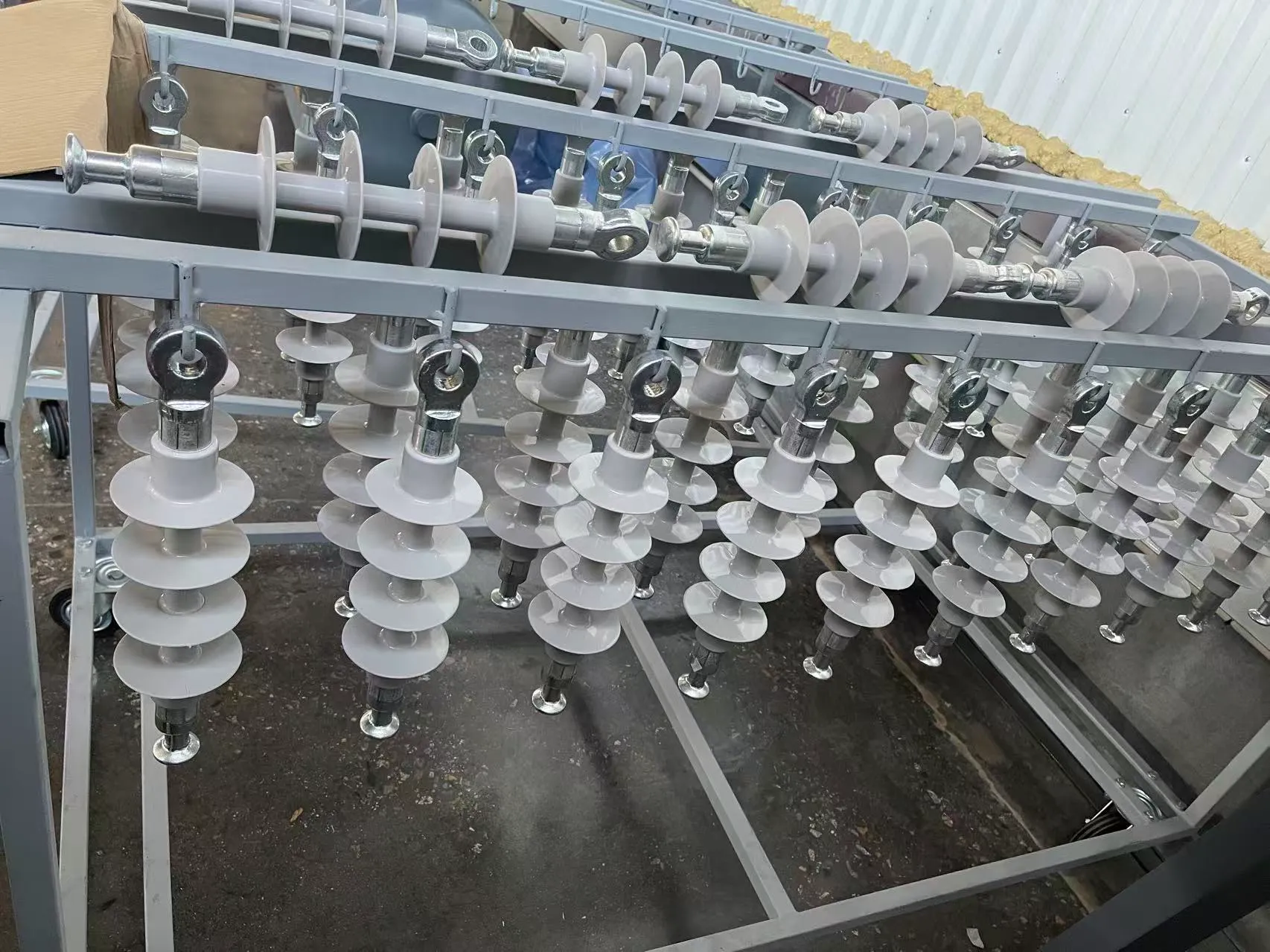
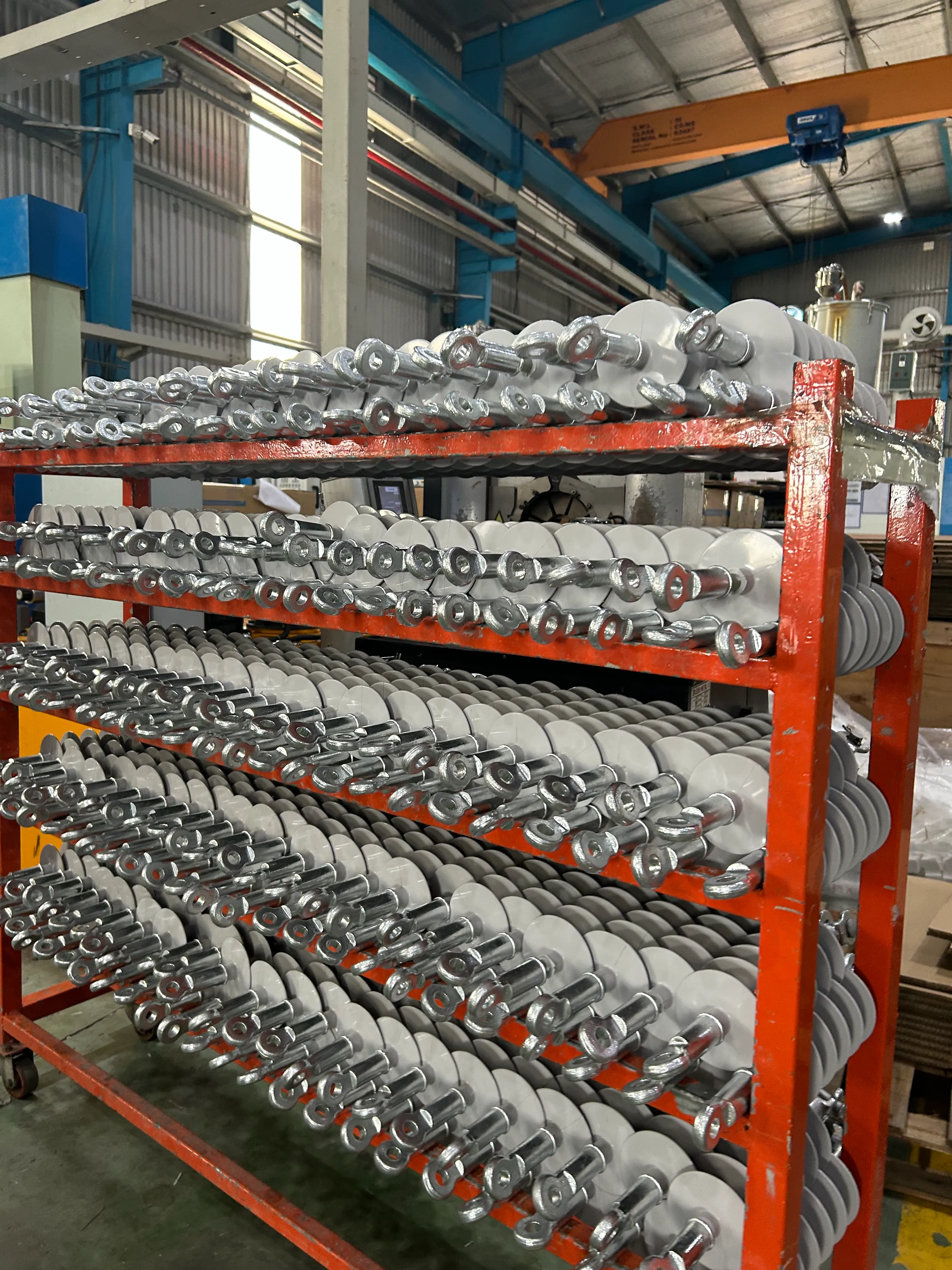
Rows of silicone composite insulators on production racks inside the Vietnam customer’s factory
Location
Vietnam
Industry
Electrical power
用途
Composite insulators
Project scope
Turnkey production line

01 / THE PROJECT

Building the capability
to make it in-house.

A Vietnam power industry customer wanted greater control over how its composite silicone rubber insulators were made.

Previously dependent on external suppliers, the customer needed more flexibility in delivery planning, product customization and production scheduling. Establishing local manufacturing meant bringing machinery, tooling, materials and operator knowledge together.

Yakows supported the move with a turnkey composite insulator production line: silicone injection molding equipment, custom molds, silicone rubber material matching, installation guidance, trial-production support and operator training.

After comparing suppliers and evaluating the technical scope, the customer selected Yakows as its project partner. Factory visits and direct technical discussions helped translate the customer’s requirements into a production plan suited to its local workshop.

THE STARTING POINT

External procurement

Finished insulators sourced from outside suppliers, with delivery and customization dependent on external production schedules.

THE PROJECT DIRECTION

In-house production capability

A coordinated manufacturing line with local operators, matched equipment and materials, and continued technical support.

02 / CUSTOMER BACKGROUND & CHALLENGES

From supplier dependence
to production ownership.

The customer serves Vietnam’s power infrastructure market, where composite silicone rubber insulators support transmission, distribution and electrical insulation applications.

External purchasing had met the customer’s earlier product needs, but urgent delivery requests and changing project specifications called for greater flexibility. Customization depended on the schedules and capabilities of outside manufacturers. The customer wanted to bring key production decisions closer to the local projects it served.

The investment therefore had a broader goal than acquiring machinery. It needed to establish a working manufacturing system and a team able to operate it: coordinated equipment and molds, suitable silicone compounds, practical processing guidance and access to ongoing technical support.

01 / SYSTEM INTEGRATION

A complete line that fits the factory

The customer needed equipment, tooling and material recommendations developed around the same product requirements. Workshop layout, installation conditions and production flow had to be considered together so each part of the line could work within the actual factory.

02 / MOLDING KNOWLEDGE

Turning equipment into a working process

New machinery also required practical molding knowledge. Machine setup, material preparation, mold operation and process adjustment needed to become part of a repeatable operator workflow, supported by guidance during installation and trial production.

03 / MOLD & MATERIAL

Matching product and processing needs

The insulator design had to be considered alongside mold structure and compound behavior. Material selection addressed processing stability, mechanical performance, electrical insulation and outdoor service requirements, while tooling had to support the intended product geometry and demolding process.

04 / PEOPLE & SUPPORT

Building confidence beyond installation

The local team needed practical training in production, mold care and troubleshooting. Continued material supply and technical communication were also part of the customer’s plan for developing manufacturing capability after the line was delivered.

03 / INTEGRATED ENGINEERING

Four disciplines.
One working line.

For composite insulator manufacturing, machine selection, mold design, compound behavior and process control need to work together. The project connected each of these decisions.

01 / EQUIPMENT

Silicone injection
molding equipment

Equipment configuration considered the insulator geometry, target output, molding requirements, available workshop space and installation conditions. The selection was developed around the customer’s production objectives and the practical requirements of silicone rubber injection molding.

Machine & workshop fit
02 / TOOLING

Custom insulator
molds

Custom mold design and manufacturing addressed the product profile, shed geometry, demolding requirements and production efficiency goals. Tooling decisions were coordinated with the selected equipment and silicone compound to support the intended manufacturing process.

Geometry & repeatability
03 / MATERIAL

シリコーンゴム
material matching

Compound selection considered mold filling, curing, mechanical properties, electrical insulation and outdoor service requirements. Yakows connected the material recommendation with the customer’s molding conditions and continued to support silicone rubber supply after project delivery.

Processing & performance
04 / PROCESS

Commissioning
& operator training

On-site guidance covered machine setup, mold testing, trial molding, operating procedures and mold care. Training helped operators understand material handling, process adjustment, product quality observation and practical troubleshooting during everyday production.

People & production readiness

Coordinating the interfaces between machine, mold and material

During planning, Yakows reviewed the site layout, production workflow and future expansion needs. Equipment configuration, mold development and material matching were discussed as connected decisions, helping the customer build a practical manufacturing system around its insulator products.

During commissioning, engineers and the local team worked through machine setup, material preparation, mold testing and trial-production adjustments. This connected the original production plan with the workshop’s operating conditions and gave operators practical experience with the system they would use.

04 / ON THE FACTORY FLOOR

Real equipment.
Real production conditions.

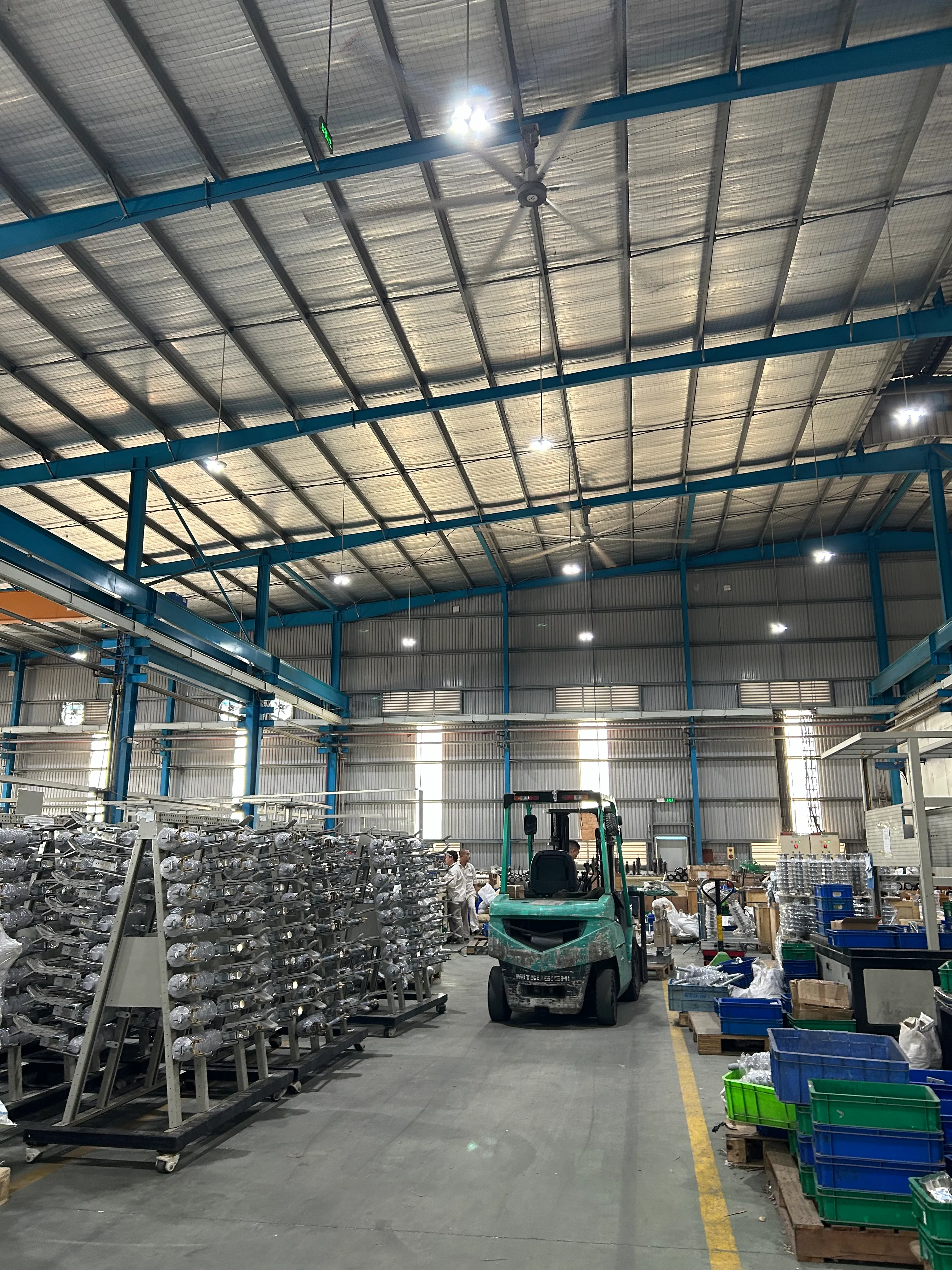
Yakows visited the customer’s facility to review the workshop, discuss line integration and support the move toward local insulator manufacturing.

The factory visit covered workshop layout, installation conditions, material movement, operator experience and future expansion requirements. Reviewing these details on site helped Yakows develop a production line proposal that could be implemented within the customer’s local factory conditions.

Technical discussions focused on equipment placement, insulator mold operation, raw material handling and preparation for trial production. The visit also provided an opportunity to discuss training needs and how the local team would manage the transition from purchased insulators to in-house manufacturing.

05 / PROJECT DELIVERY

From factory visit
to manufacturing capability.

The implementation brought together project planning, equipment and mold coordination, material trials and practical operator support.

  1. 01

    Review the site

    Discuss product requirements, workshop layout, existing capabilities and the customer’s production objectives.

  2. 02

    Match the system

    Coordinate molding equipment, mold design and silicone rubber materials around the target insulator.

  3. 03

    Install & trial

    Support installation, mold testing, material preparation and process adjustment during trial production.

  4. 04

    Train the team

    Guide operators through machine use, material handling, mold care and common production issues.

  5. 05

    Support production

    Continue technical communication, silicone material supply and process support after delivery.

Installation and trial production

Installation guidance connected equipment setup with mold testing, silicone material preparation and molding parameters. Trial production provided a practical setting for process adjustment and operator instruction, with close communication between Yakows engineers and the customer’s production team.

Training for everyday operation

Training extended beyond starting the machine. It covered material handling, injection molding operation, mold maintenance, basic troubleshooting and product quality observation. Follow-up technical communication helped the team continue learning as its production experience developed.

06 / MATERIAL & PROCESS FIT

The right compound.
The right process.

In a composite insulator line, the silicone compound must work inside the mold and perform in the finished housing. A material recommendation starts with both requirements.

For this project, material matching considered processing stability, insulation performance, weather resistance and mechanical strength. The mold and equipment also had to suit the compound’s processing behavior, connecting the needs of the finished insulator with the way it would be manufactured.

Explore electrical insulation silicone
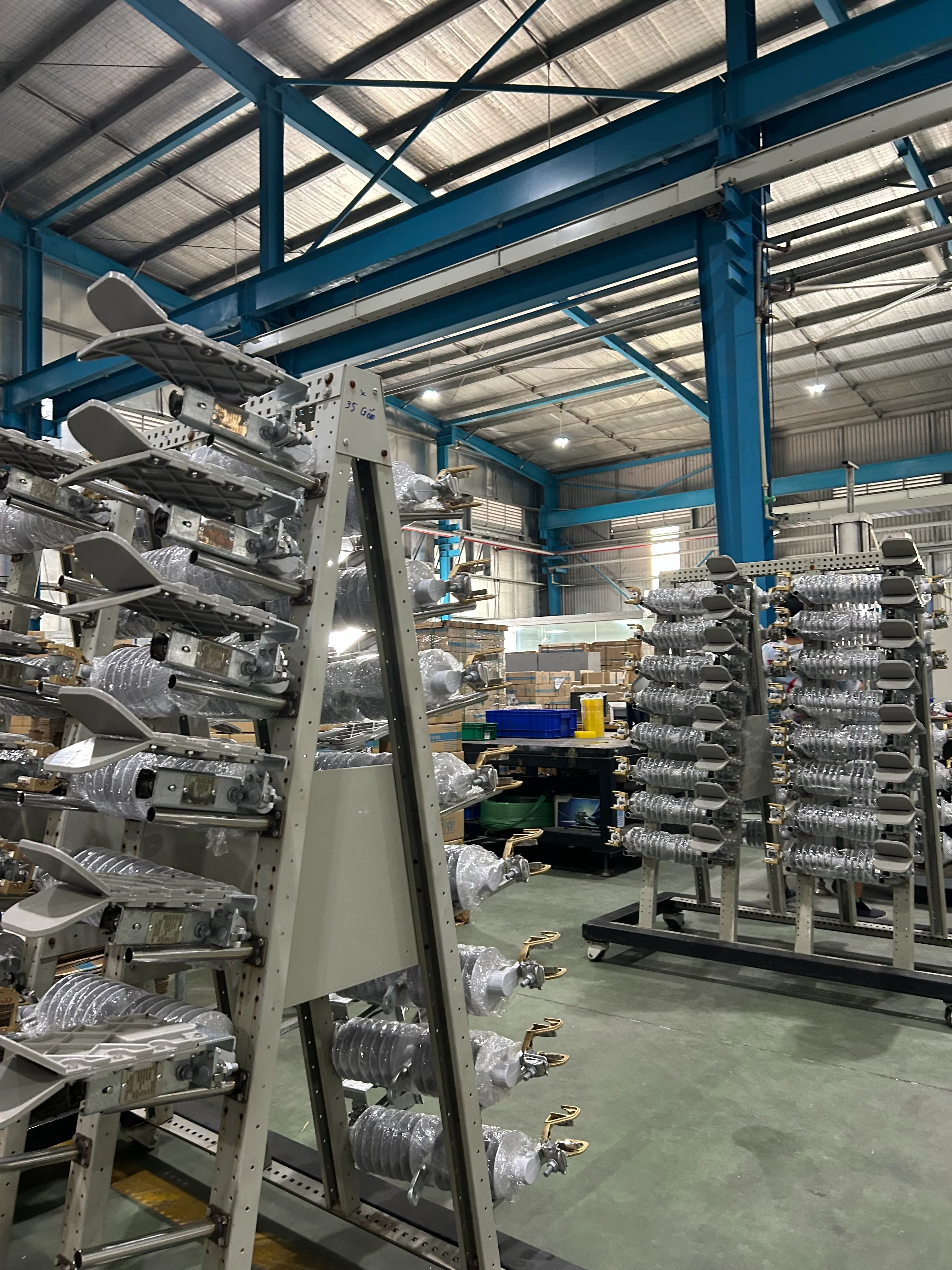
Composite insulator housings with different shed profiles on factory storage racks
SELECTION CRITERIAWHAT TO REVIEW

Flow & mold filling

Relate compound flow to the shed profile, flow path, venting and injection conditions. Review mold filling during trials.

Curing & demolding

Match the curing system and process window to the tool and material. Check demolding behavior and the condition of molded surfaces.

Mechanical performance

Evaluate hardness, tensile strength, tear resistance and elongation against the handling and service needs of the finished component.

Electrical & outdoor requirements

Define the relevant dielectric, tracking, erosion, hydrophobicity and weathering requirements for the intended application.

Batch consistency

Use the selected grade’s technical data and agreed inspection requirements to connect material supply with production control.

07 / PROJECT OUTCOMES

A production line.
A longer-term partnership.

The customer moved from external procurement toward in-house production. The completed line supported composite insulators for local power projects in Vietnam.

Insulators applied
in local power projects

The customer’s silicone rubber composite insulators were successfully applied in local Vietnam power projects, connecting the new manufacturing capability with the market it was established to serve.

製造
capability established

The production line was delivered with equipment, tooling, silicone rubber materials, installation guidance and process support. These elements gave the customer a foundation for independent composite insulator manufacturing.

Greater control
over production

Local manufacturing gave the customer more direct control over production planning, customization and product quality. Bringing key production steps in-house supported greater delivery flexibility for the local power projects it served.

Continued material
& technical support

Cooperation continued through silicone rubber supply, technical communication and production support. This ongoing relationship supported process improvement as the customer built experience with its new line.

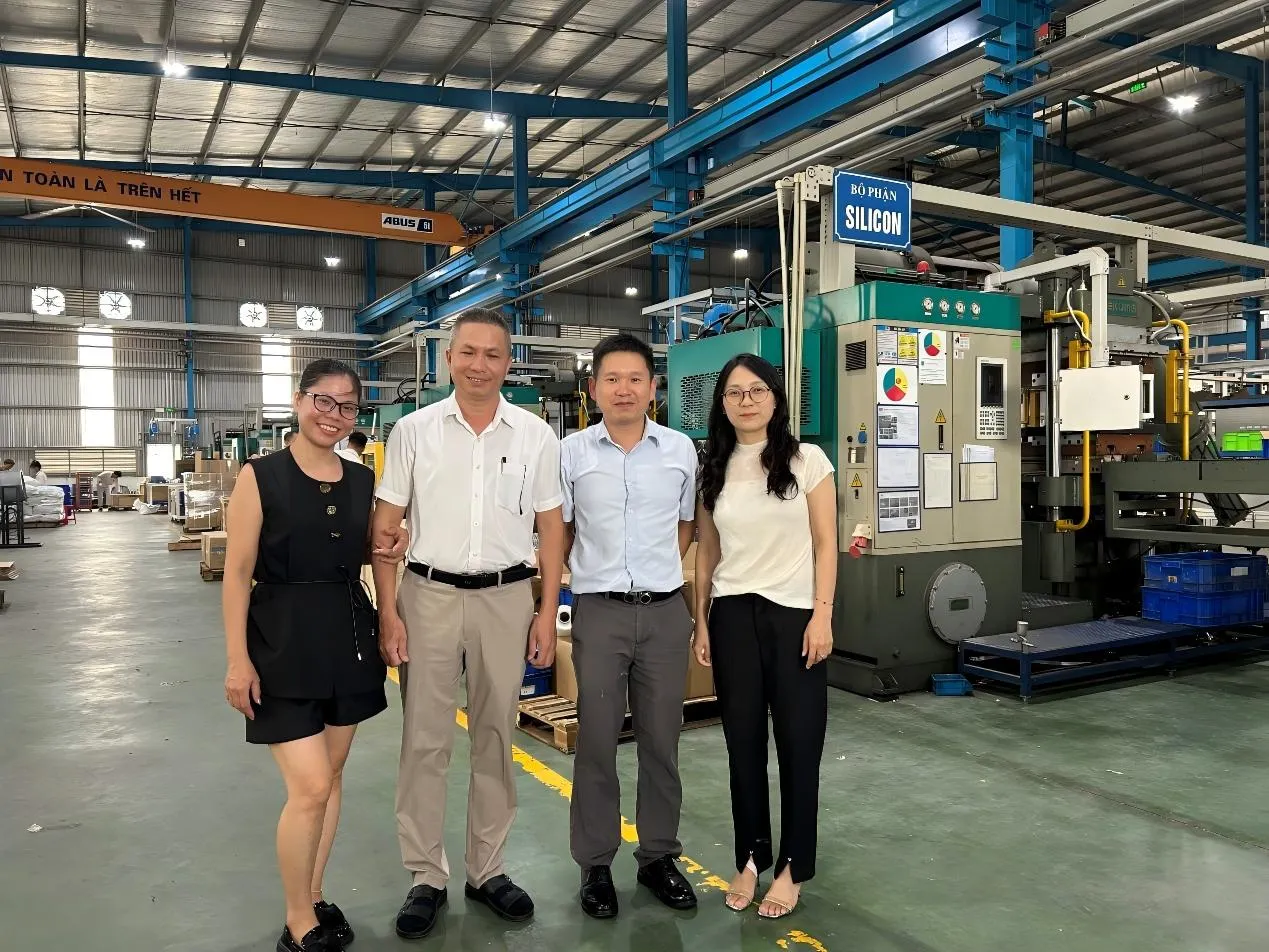
Yakows representatives and the Vietnam customer standing beside silicone molding equipment
ON-SITE COOPERATIONYakows & the Vietnam project team

ENGINEERING, FACE TO FACE

Working alongside
the people who run the line.

Factory visits and direct technical communication connected the project plan with the customer’s workshop and operators.

Training focused on everyday production: material handling, machine operation, mold maintenance, process adjustment and recognizing common molding issues. Continued support helped the team build experience after installation.

“Yakows provided more than equipment. Their engineering team helped us understand the silicone insulator production process, supported installation and training, and gave us confidence to start our own production line. The one-stop solution made the project easier to manage and helped us move faster toward stable production.”

— Vietnam Power Industry Customer
Talk to the Yakows team

08 / PROJECT QUESTIONS

Before you build.

Practical questions about a silicone composite insulator production line.

What did Yakows supply for this Vietnam project?

The project covered silicone injection molding equipment, custom insulator molds, silicone rubber materials, installation guidance, trial-production support, operator training and continued technical support.

What information is needed to plan a production line?

Start with the insulator drawings, target product range, required output, available workshop space and existing equipment. Material specifications, intended applications and the team’s operating experience help define the equipment, tooling and technical support needed.

How are the silicone material and molding equipment matched?

The assessment connects product geometry and service requirements with compound flow, curing behavior, mold design and machine capability. Trial molding is used to review material behavior under the intended production conditions before finalizing the process.

Can Yakows help upgrade an existing production line?

Yakows can review an existing setup to discuss material, mold or process improvements. Share the current machine and mold information, materials in use and the production issue you want to resolve so the support scope can be defined around the existing line.

Does support continue after installation?

For this project, cooperation continued through silicone rubber material supply, technical communication and production optimization support. The scope of ongoing support for a new project is discussed during project planning.

How are capacity, specifications and project timing determined?

They depend on the insulator design, product range, mold configuration, material, processing requirements and site readiness. Yakows reviews these inputs with the customer to define a project-specific proposal.

PLANNING YOUR OWN LINE

Support built around
your starting point.

Yakows supports power industry customers, electrical equipment businesses and composite insulation manufacturers with equipment, tooling, silicone materials and process guidance.

Establish new production capacity

For a business moving into insulator manufacturing, planning begins with the product range, output requirements, workshop conditions and operator experience. These inputs help define the scope of equipment, molds, materials, installation guidance and training.

Upgrade an existing line

For an established manufacturer, the discussion starts with the current equipment, tooling, silicone compound and production challenge. Support can then be focused on the areas that need improvement within the existing setup.

Improve material and process fit

When molding behavior or product requirements change, material selection should be reviewed alongside mold design and processing conditions. Sharing product drawings, material specifications and trial observations provides a clearer basis for technical discussion.

YOUR NEXT PRODUCTION PROJECT

Let’s build your
next capability.

Planning a composite insulator production line or upgrading an existing setup? Share your application and production requirements with the Yakows team.

A useful starting point

  • 01Insulator drawings & product range
  • 02Target output & existing equipment
  • 03Workshop layout & available space
  • 04Material & performance requirements
  • 05Project location & planned timing