Гидрофобность
Surface water repellency supports insulation performance during rain, humidity and contamination.

Yakows supplies electrical-grade HTV silicone rubber compounds for polymer surge arrester housings, composite insulators and other outdoor high-voltage insulation components — combining electrical insulation, hydrophobic surface performance, mechanical strength and reliable industrial processing.
YK-3160 Series · HTV / HCR Silicone Rubber · High-Voltage Outdoor Insulation
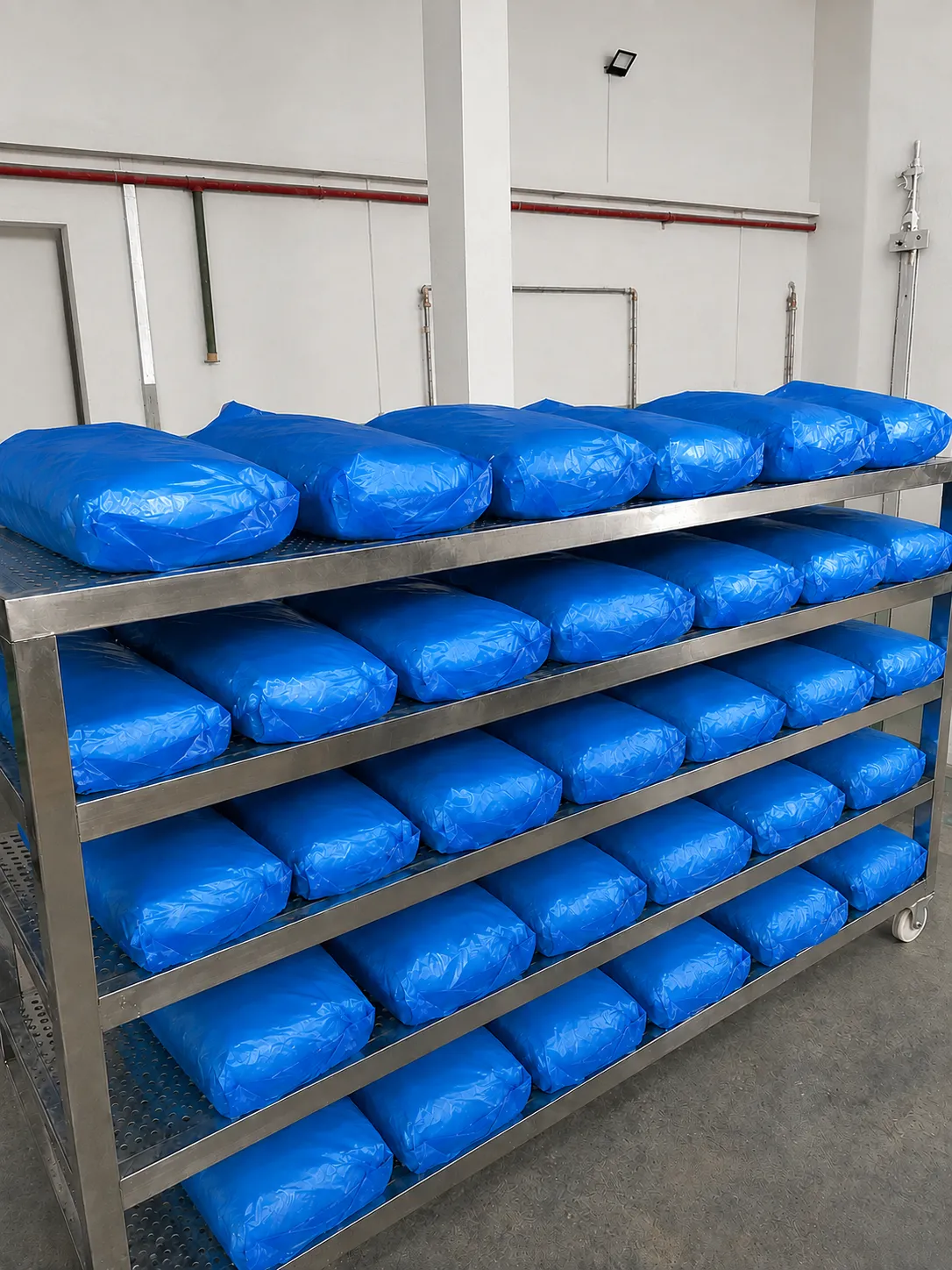
HTV silicone rubber, also known as high-consistency silicone rubber or HCR, is a solid silicone elastomer cured at elevated temperature to form durable molded rubber components.
For high-voltage insulation, the compound must combine electrical performance with the characteristic outdoor advantages of silicone elastomers.
Hydrophobicity, dielectric strength, volume resistivity, tracking and erosion resistance, tensile strength, tear strength and processing stability all contribute to the performance of the molded housing.
In polymer surge arresters, HTV silicone rubber forms the external housing and weather sheds surrounding the internal electrical core.
The same material platform can also be applied to composite insulators and other molded outdoor high-voltage insulation components.
High-temperature-vulcanizing silicone rubber for demanding molded electrical components.
Dielectric properties combined with high resistivity and resistance to electrical surface degradation.
Tensile, tear and elongation properties support housing integrity and thin shed geometries.
Compound handling, mold filling, curing and demolding are considered alongside finished electrical properties.
Silicone elastomers combine electrical insulation, hydrophobic surface behavior, outdoor durability and mechanical flexibility.
Silicone rubber resists surface wetting, helping limit continuous conductive water films during rain, humidity and contaminated conditions.
High volume resistivity and dielectric performance support high-voltage molded insulation applications.
Electrical-grade compounds resist surface degradation associated with contamination, leakage current and electrical stress.
Silicone elastomers perform in environments exposed to sunlight, ozone, moisture and changing temperatures.
The cured material retains flexibility while supporting dimensional movement and complex molded geometries.
HTV silicone rubber can form thin, detailed weather sheds and external housing geometries used in electrical insulation.
Hardness alone does not define an electrical silicone rubber compound.
A suitable material combines silicone elastomer characteristics with mechanical reinforcement, electrical properties and controlled processing behavior.
The balance between these properties determines how the material behaves during molding and in the finished outdoor component.
Provides flexibility, temperature resistance, hydrophobic surface behavior and environmental durability.
Tensile strength, tear strength and elongation support molding, demolding and finished housing integrity.
Breakdown field strength, resistivity and resistance to tracking and erosion support external electrical insulation.
Flow, cure response and release behavior influence cycle consistency and molded surface quality.
Component geometry, environmental exposure, production equipment and performance targets determine the final grade selection.
In a polymer-housed metal-oxide surge arrester, HTV silicone rubber surrounds the internal electrical structure and forms the external housing and weather sheds.
The molded silicone surface is exposed directly to the outdoor environment while providing the external electrical insulation profile.
Continuous molded elastomer surrounding the internal arrester structure.
Molded silicone profiles extending the external insulation surface.
Internal metal-oxide varistor elements enclosed by the polymer housing.
Electrical, mechanical, environmental and processing properties work together in the finished silicone rubber housing.
Surface water repellency supports insulation performance during rain, humidity and contamination.
Resistance to electrical surface degradation is important for demanding outdoor environments.
Breakdown field strength and volume resistivity support high-voltage insulation performance.
Tensile, tear and elongation affect molding, demolding and housing integrity.
UV, ozone, moisture and temperature variation are key factors in outdoor electrical service.
Flow, curing and release characteristics influence cycle consistency and surface quality.
Surge arrester housings operate outdoors through rain, humidity, sunlight, ozone, industrial contamination, coastal salt and repeated temperature changes.
The silicone rubber surface must maintain electrical insulation performance while retaining mechanical integrity throughout environmental exposure.
YK-3160D, YK-3160Z and YK-3160G are electrical-grade HTV silicone rubber compounds developed for outdoor high-voltage applications.
The series can be applied to polymer surge arrester housings, composite insulators and related molded electrical insulation components.
65 Shore A hardness with balanced mechanical and electrical properties.
65 Shore A hardness with higher listed tensile strength, breakdown field strength and volume resistivity.
60 Shore A hardness with higher listed tear, tensile, elongation and breakdown values.
| Недвижимость | Единица | YK-3160D | YK-3160Z | YK-3160G |
|---|---|---|---|---|
| Твёрдость | Берег А | 65 ± 3 | 65 ± 3 | 60 ± 3 |
| Прочность на разрыв | кН/м | ≥ 10 | ≥ 10 | ≥ 12 |
| Прочность на разрыв | МПа | ≥ 4.0 | ≥ 4.5 | ≥ 5.0 |
| Elongation | % | ≥ 220 | ≥ 220 | ≥ 240 |
| Permanent Deformation at Fixed Extension | % | ≤ 4 | ≤ 4 | ≤ 4 |
| Плотность | г/см³ | 1.48 ± 0.03 | 1.46 ± 0.03 | 1.46 ± 0.03 |
| Breakdown Field Strength | кВ/мм | ≥ 20 | ≥ 21 | ≥ 22 |
| Tracking & Erosion Resistance (1A4.5) | mm | ≤ 2.5 | ≤ 2.5 | ≤ 2.5 |
| Диэлектрическая проницаемость | — | ≤ 5 | ≤ 5 | ≤ 5 |
| Объёмное удельное сопротивление | Ом·см | 1 × 10¹⁴ | 2 × 10¹⁴ | 2 × 10¹⁴ |
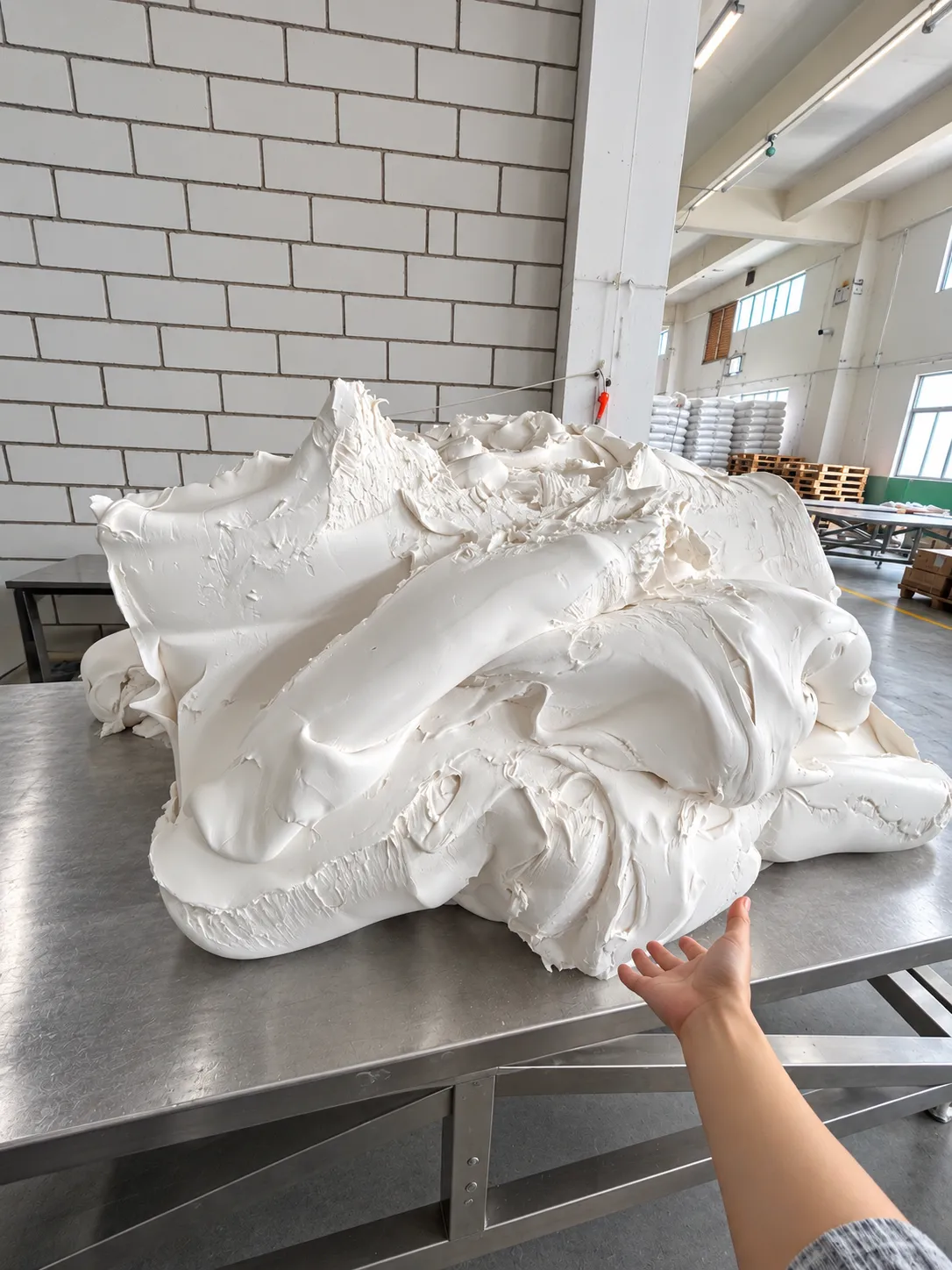
Polymer housings and thin shed profiles require consistent compound behavior during material handling, mold filling, curing and demolding.
Processing stability affects cycle performance, dimensional consistency, surface quality and the integrity of the finished silicone housing.
Consistent material behavior supports repeatable production preparation.
Controlled flow supports housing walls and thin weather shed profiles.
Repeatable cure behavior supports predictable production cycles.
Tear strength and process control support removal of thin molded sheds.
Stable material and molding conditions support consistent finished surfaces.
Component design, electrical requirements and production conditions all influence the most suitable compound.
Surge arrester housing, composite insulator or another high-voltage silicone component.
Voltage level, pollution conditions, humidity, coastal exposure and temperature.
Housing size, wall thickness, shed profile and component weight.
Injection, transfer or compression molding, curing system and process conditions.
Existing compound, hardness, material properties and production performance.
Dielectric, tracking, erosion and additional application requirements.
Tracking and erosion resistance of electrical insulating materials under severe environmental conditions.
Breakdown field strength, dielectric constant and volume resistivity for high-voltage insulation applications.
Hardness, tensile strength, tear strength and elongation for molded silicone rubber housings.
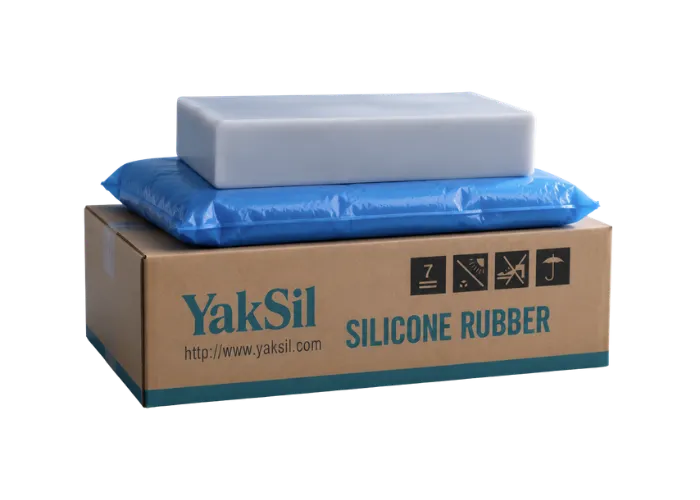
Material selection begins with the electrical and mechanical requirements of the final molded component.
Production trials then evaluate the compound on actual tooling and equipment, including mold filling, cure response, release and finished-part quality.
Component design, environment and performance targets.
Compare YK-3160 grades against electrical and mechanical requirements.
Evaluate flow, curing, release and finished-part performance.
Move the selected material into regular manufacturing supply.
Send your application, current silicone rubber, target hardness, molding process and electrical property requirements.
Component · Hardness · Molding Method · Trial Quantity · Annual Demand