
The Shore Hardness Test Method

Silicone Rubber Testing Guide How Shore Hardness Testing Works for Silicone Rubber Shore hardness is one of the most widely used measurements for evaluating the indentation resistance of silicone rubber and other elastomeric materials. It helps manufacturers verify material consistency, specify hardness requirements and determine whether a silicone rubber compound is suitable for a particular […]
Silicone Rubber Tensile Strength vs Tear Strength
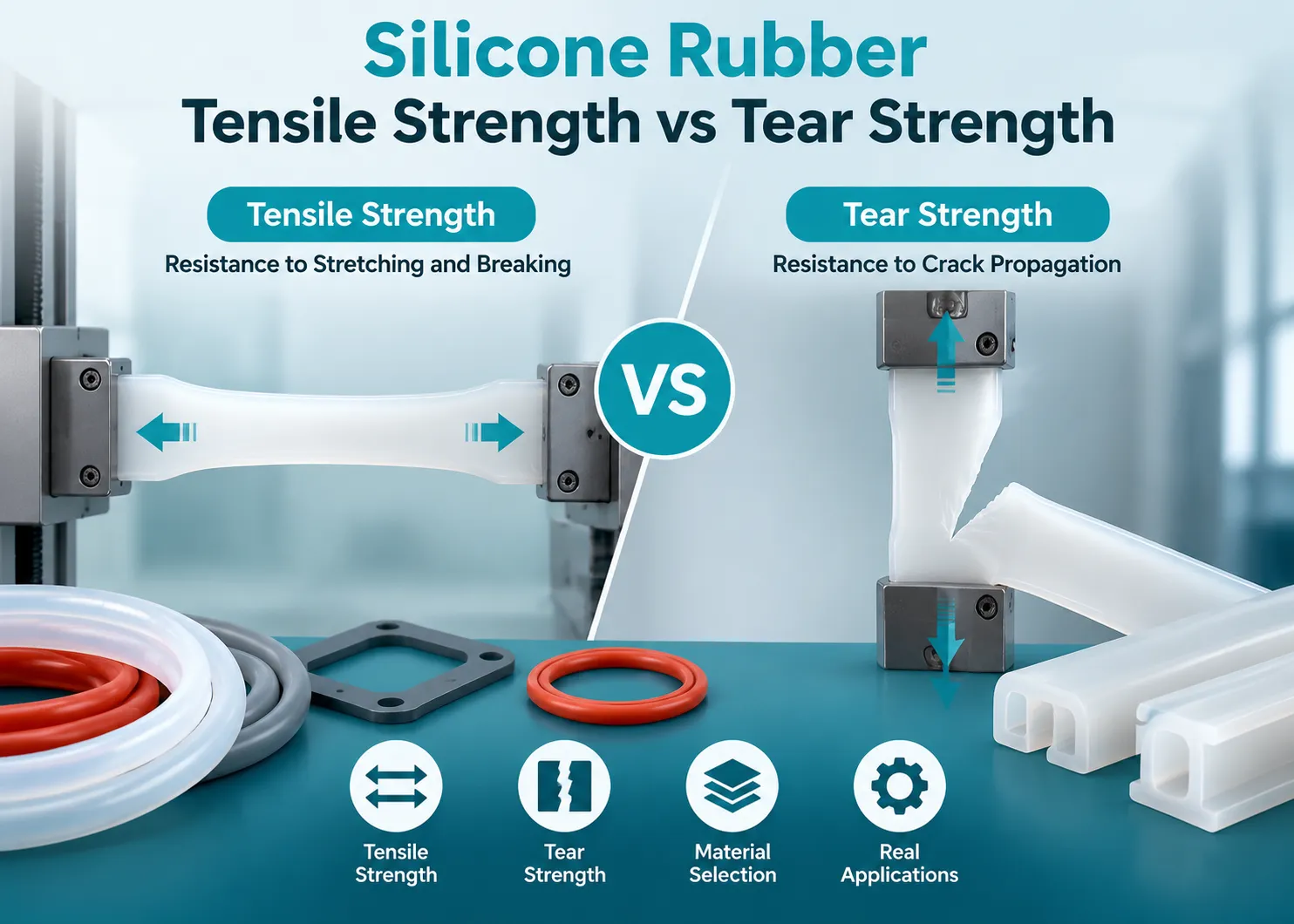
Silicone Rubber Performance Guide Understanding Tensile Strength vs Tear Strength in Silicone Rubber When buyers compare silicone rubber grades, they often focus on hardness, color or temperature resistance first. However, for many molded, extruded and high-voltage components, the more important question is how the material behaves under stress. In practice, two of the most critical […]
How to Choose Silicone Rubber for Extrusion?
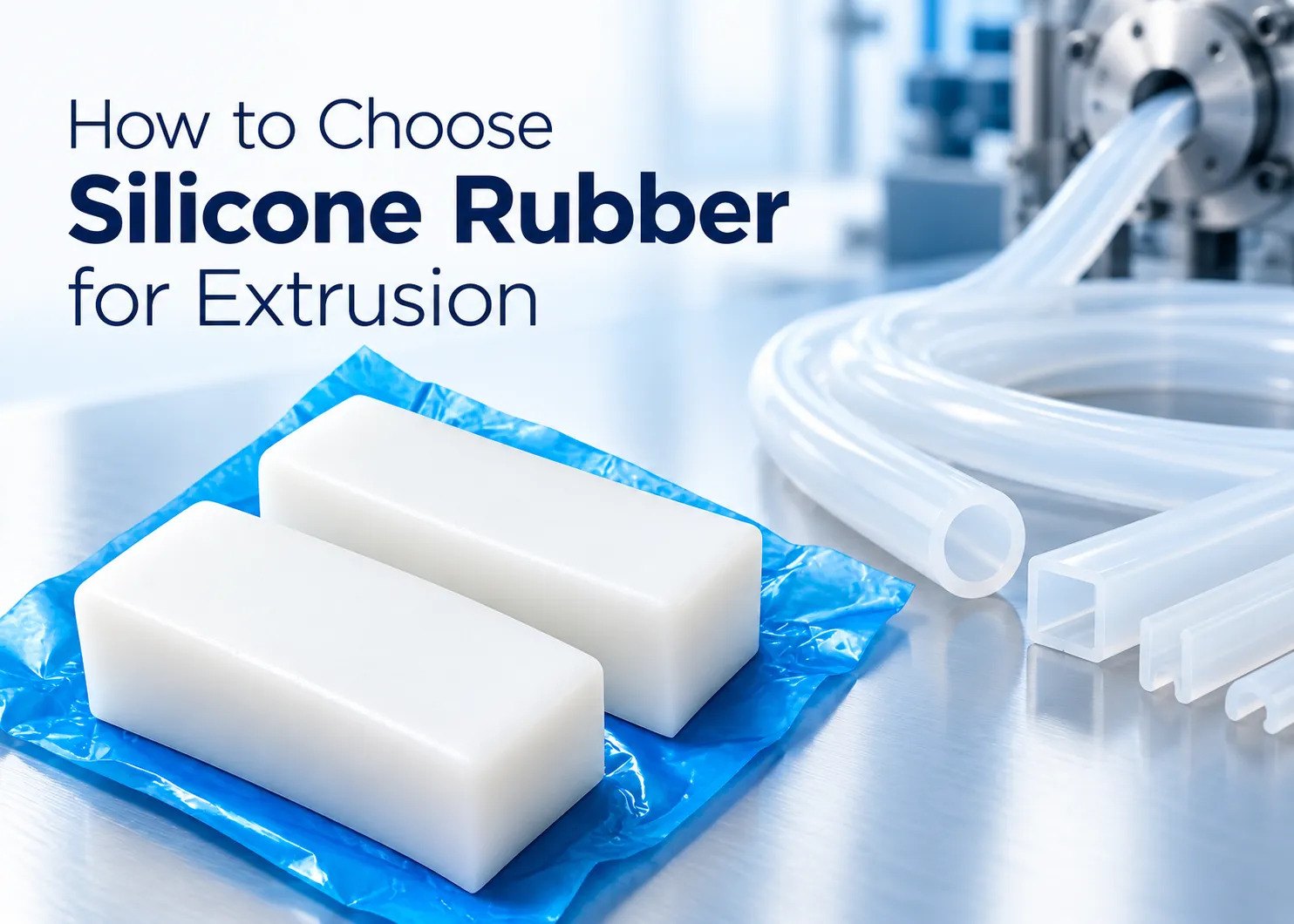
Selecting Silicone Rubber for Stable Extrusion and Consistent Production Silicone rubber is widely used for extruded tubing, profiles, wire and cable insulation, gaskets and other continuous elastomer products because it combines flexibility, heat resistance, electrical insulation and weather resistance. However, choosing silicone rubber for extrusion requires more than selecting a Shore A hardness. Two silicone […]
Silicone Rubber: Types, Properties, Applications & Selection Guide
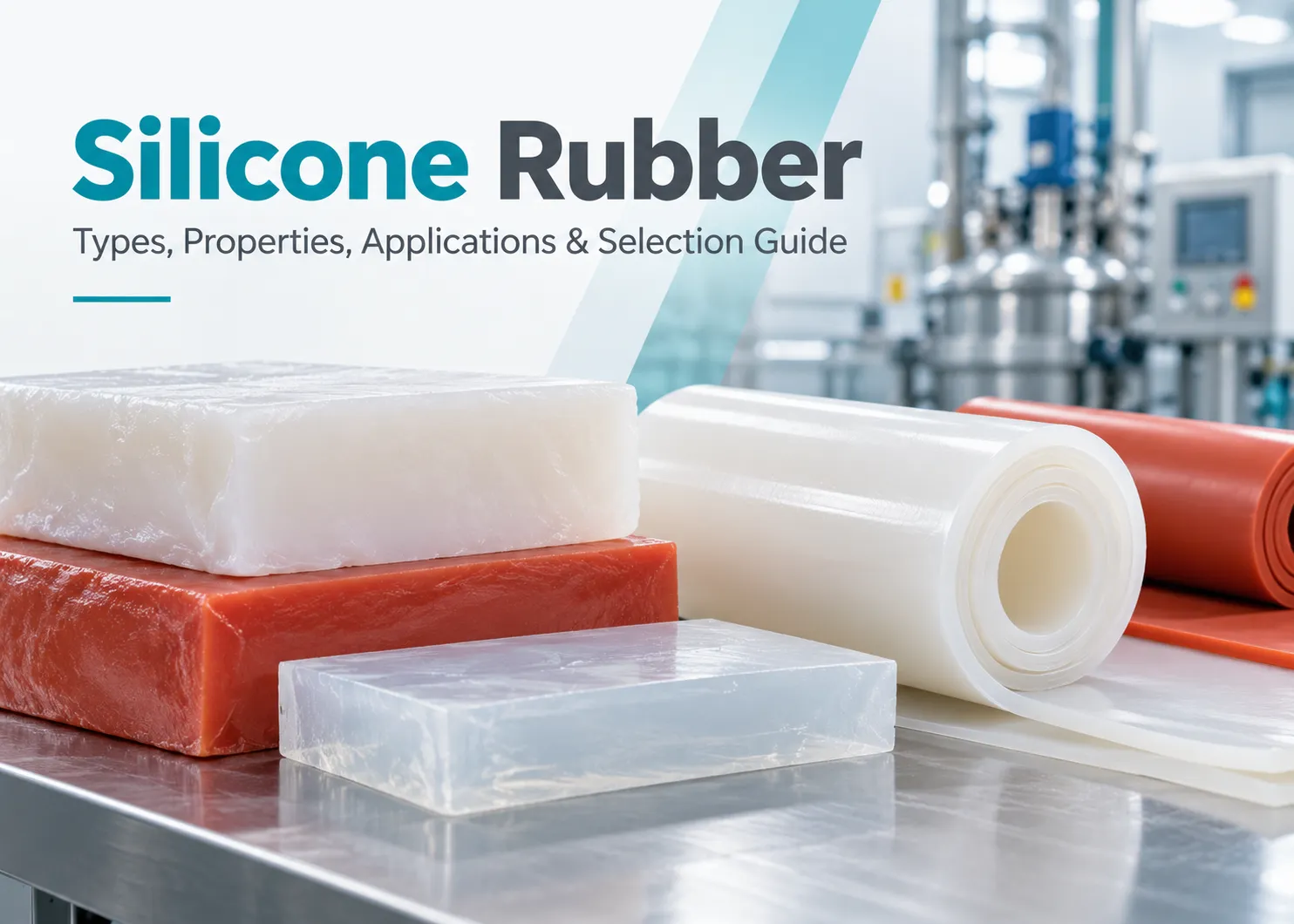
Understanding Silicone Rubber: Types, Properties and Industrial Uses Silicone rubber is a synthetic elastomer known for its flexibility, thermal stability, electrical insulation and resistance to outdoor weathering. It is used in industrial seals, wire and cable, composite insulators, surge arresters, automotive components, medical products and many other applications where conventional materials may not meet the […]
ゴム絶縁体とは? 種類、特性、および電気分野での用途

Rubber Insulation for Electrical Systems: Materials, Properties and Uses Rubber insulation is a flexible dielectric material used to reduce unwanted electrical current while providing mechanical flexibility, environmental protection and long-term insulation performance. It is widely used in wire and cable, electrical connectors, composite insulators, surge arresters, high-voltage equipment and other industrial electrical systems. Unlike rigid […]
EPDMとシリコーンゴムにはどのような違いがあるのでしょうか?
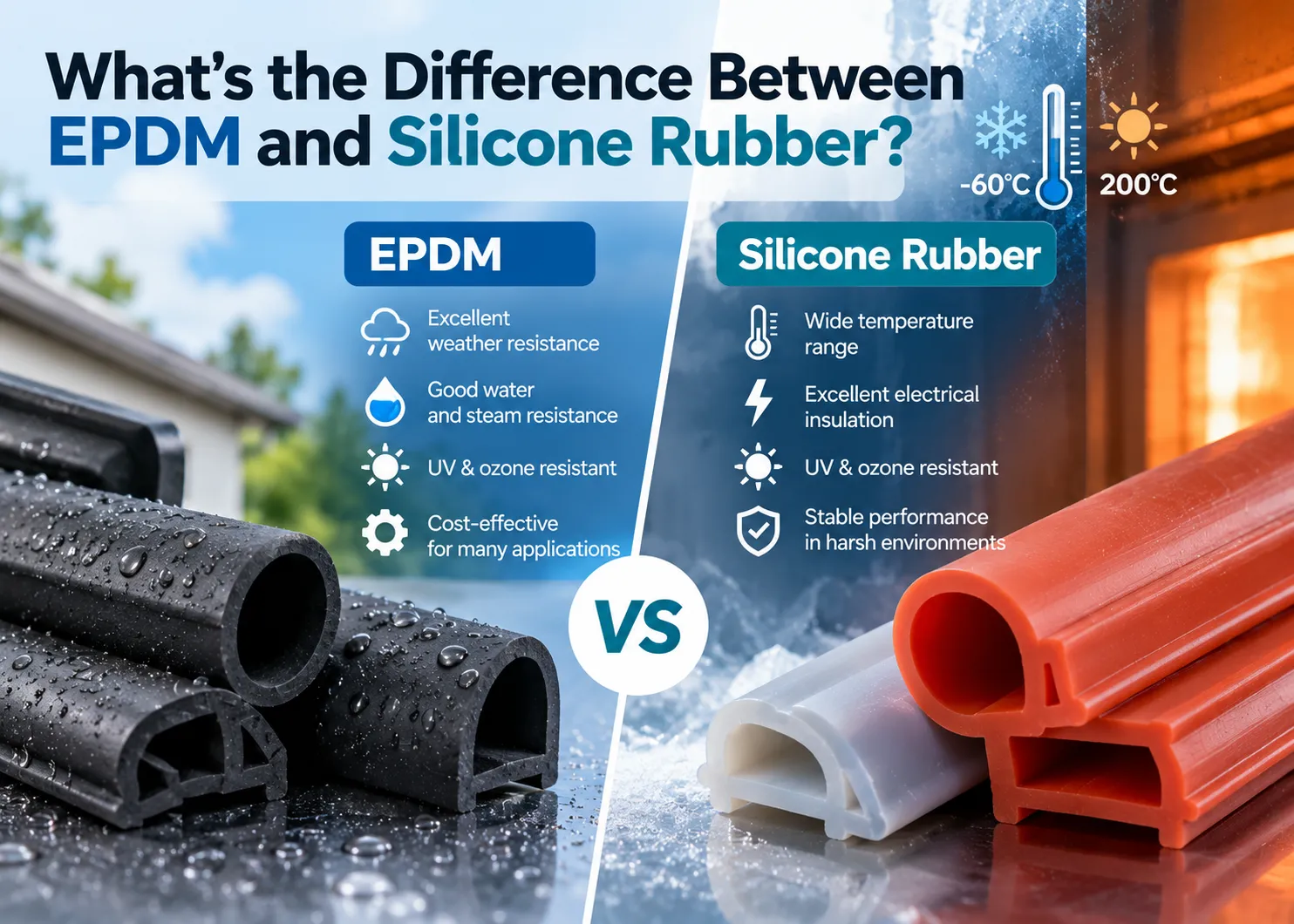
What's the Difference Between EPDM and Silicone Rubber? Silicone rubber vs EPDM is a common material-selection question for engineers, OEMs and manufacturers choosing elastomers for seals, gaskets, electrical insulation, outdoor equipment, automotive components and industrial molded parts. Both materials provide excellent resistance to ozone, UV exposure and weathering, and both can be formulated across useful […]
ゴムは導体か、それとも絶縁体か?
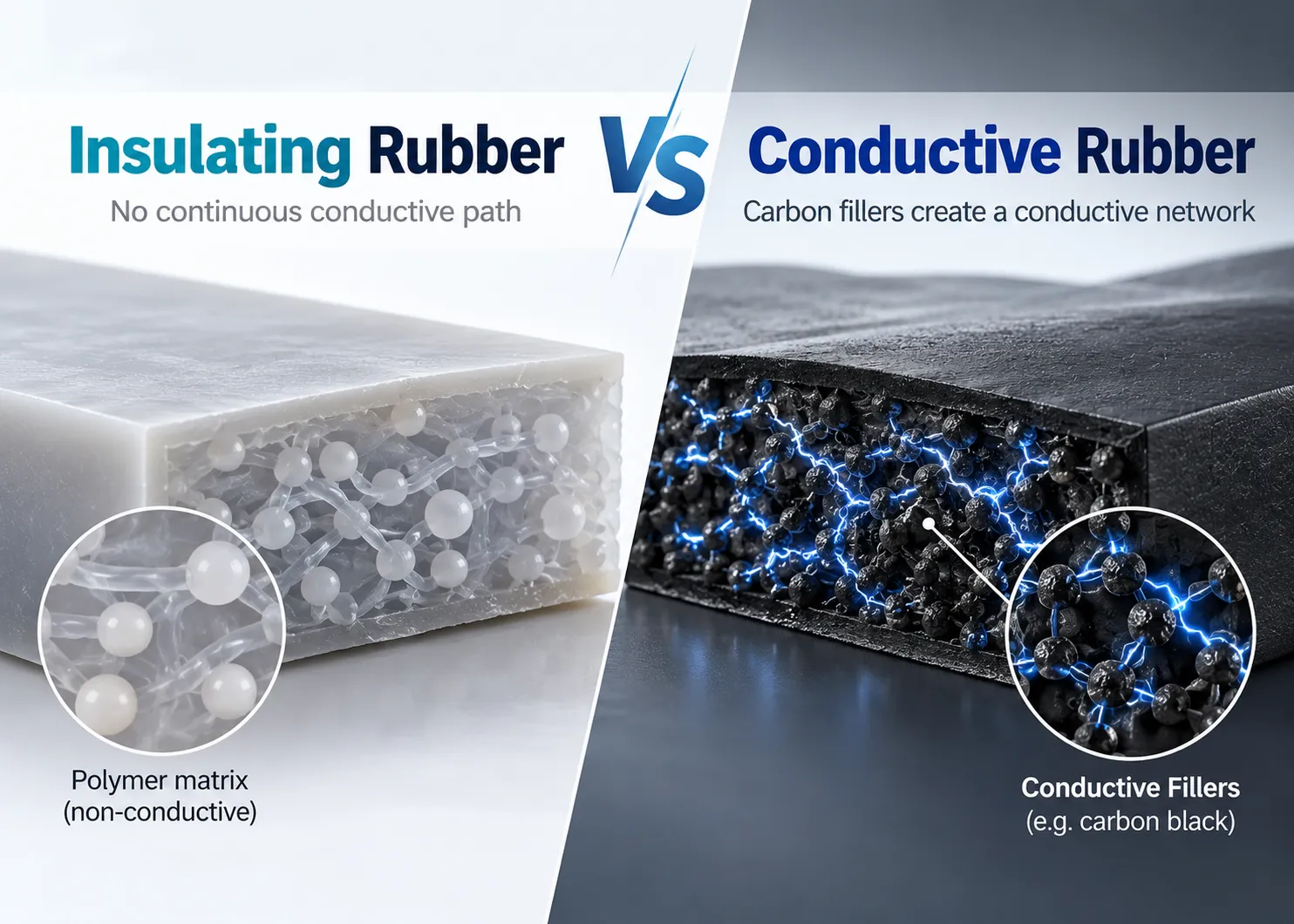
Is Rubber a Conductor or Insulator? Rubber is generally an electrical insulator, not a conductor. Most conventional rubber materials resist the movement of electric charge because they contain relatively few mobile charge carriers. This is why rubber and rubber-like elastomers are widely used around electrical cables, connectors, protective equipment and insulating components. However, the complete […]
Does Rubber Conduct Electricity When Wet?
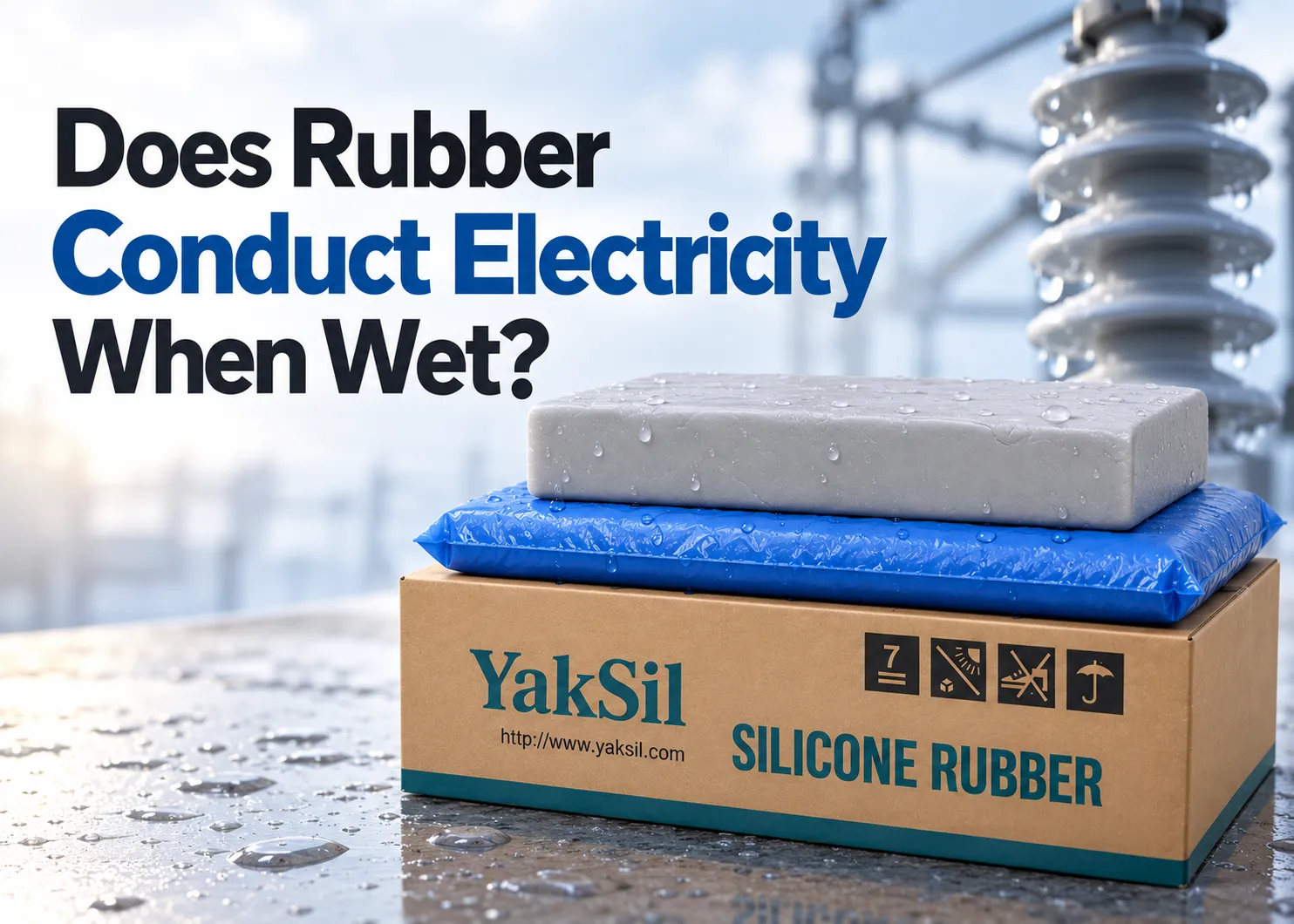
Does Rubber Conduct Electricity When Wet? Does rubber conduct electricity when it becomes wet? In most cases, rubber itself remains an electrical insulator. However, water on the surface can dramatically change how electricity behaves around the material, especially when the water contains salts, dust, minerals or industrial contamination. This distinction is important. A wet rubber […]
Does Rubber Conduct Electricity Under High Voltage?
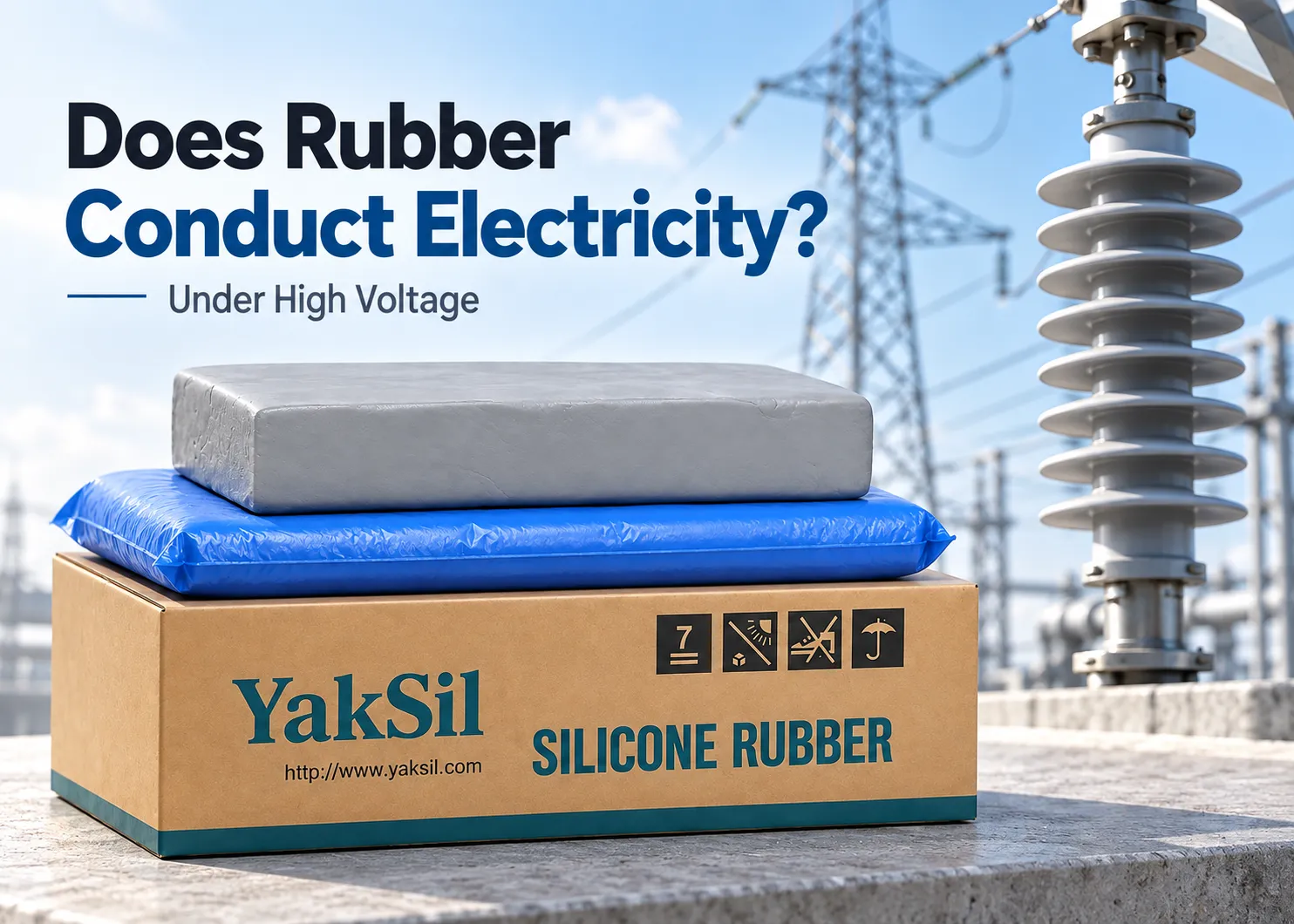
Does Rubber Conduct Electricity Under High Voltage? Does rubber conduct electricity under high voltage? Under normal conditions, most conventional rubber materials are electrical insulators rather than conductors. Their polymer structure limits the movement of free electrical charge, which is why rubber has long been used around cables, connectors, electrical equipment and insulating components. However, the […]
What Is Shore D Hardness?

What Is Shore D Hardness? Shore D hardness is a measurement used to describe the hardness of relatively rigid polymers, hard elastomers and plastics. It indicates how strongly a material resists indentation when tested with a Shore D durometer. Shore hardness is commonly used when selecting polymers because materials that look similar can behave very […]