
Liquid Silicone Rubber (LSR)
Liquid silicone rubber is a two-component silicone elastomer developed for precision injection molding, automated production and complex molded parts. It combines fast heat curing, stable processing and durable elastomer performance for demanding industrial applications.
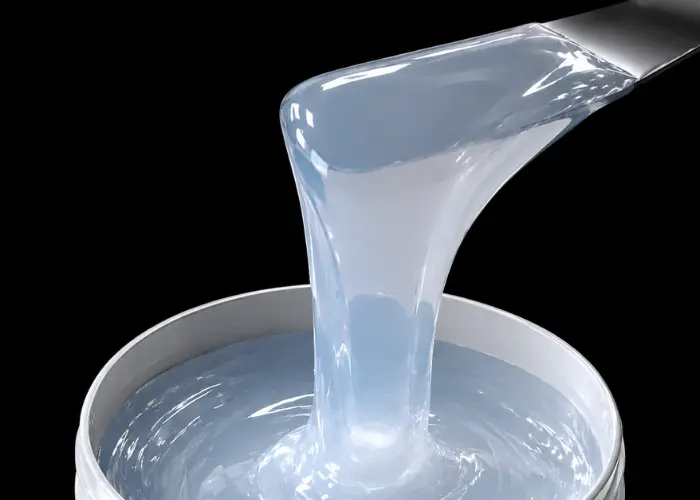
What Is Liquid Silicone Rubber?
Liquid silicone rubber (LSR) is a pumpable or paste-like, two-component silicone material commonly processed by liquid injection molding. The A and B components are metered, mixed and injected into a heated mold where the material rapidly cures into an elastic silicone part.
Compared with conventional high-consistency silicone rubber, liquid silicone rubber is especially suitable for automated molding, small or intricate features, repeatable production and high-volume manufacturing. Its final performance can be adjusted through formulation, hardness, pigmentation and application-specific additives.
Why Use Liquid Silicone Rubber for Injection Molding?
LSR is selected when component design, molding consistency and production efficiency are as important as the finished silicone properties.
Low-Viscosity, Mold-Filling Behavior
Flows into thin sections and detailed mold features that can be difficult to reproduce with gum-based silicone.
Fast Heat Curing
Designed for short molding cycles and repeatable production when matched with suitable tooling and process conditions.
Automated Metering & Injection
A/B feeding, mixing and injection can be integrated into highly automated manufacturing lines.
Precision Molded Parts
Well suited to seals, membranes, valves, gaskets, overmolded parts and other complex elastomer geometries.
Liquid Silicone Rubber Technical Data
The standard liquid silicone rubber range below covers commonly requested hardness levels for precision injection molding. Select the grade according to part geometry, sealing force, mechanical strength, demolding behavior and end-use requirements.
| Hardness | Density | Tensile Strength | Elongation | Tear Strength | Recommended Use |
|---|---|---|---|---|---|
| 20 Shore A | 1.09 g/cm³ | 8.0 MPa | 800% | 24 N/mm | Soft seals, flexible membranes, soft-touch molded components |
| 30 Shore A | 1.10 g/cm³ | 7.5 MPa | 650% | 24 N/mm | Seals, valves, diaphragms, flexible precision parts |
| 40 Shore A | 1.12 g/cm³ | 9.5 MPa | 600% | 30 N/mm | General precision molding, gaskets, consumer and technical parts |
| 50 Shore A | 1.13 g/cm³ | 9.5 MPa | 500% | 30 N/mm | Connector seals, radial seals, gaskets and general industrial parts |
| 60 Shore A | 1.13 g/cm³ | 9.2 MPa | 380% | 28 N/mm | Higher-support seals, electrical parts and robust molded components |
| 70 Shore A | 1.14 g/cm³ | 9.0 MPa | 300% | 22 N/mm | Firm sealing parts, structural elastomer components and technical molding |
Final specification limits, test methods and batch-release values are controlled by the grade-specific TDS / COA supplied for the selected liquid silicone rubber.
Liquid Silicone Rubber Applications
Liquid silicone rubber is used across industries that require repeatable molding, elastic sealing, thermal stability, electrical performance or clean, precise component geometry.
Automotive & EV Sealing
Connector seals, radial seals, gaskets, wire seals, sensor interfaces and precision elastomer components.
Medical & Healthcare Components
Valves, diaphragms, seals, masks, wearable interfaces and molded parts requiring application-specific material compliance.
Food-Contact & Consumer Products
Kitchenware, valves, dispensing parts, infant-care components and soft-touch molded products using suitable grades.
Electronics & Electrical Parts
Insulating seals, protective components, cable interfaces, keypads and molded parts for electrical environments.
Composite Insulators
Outdoor electrical insulation applications requiring hydrophobic silicone surfaces and durable molded housings.
Industrial Precision Parts
Membranes, sealing elements, protective boots, grommets and repeatable molded components for industrial equipment.
How Liquid Silicone Rubber Is Processed
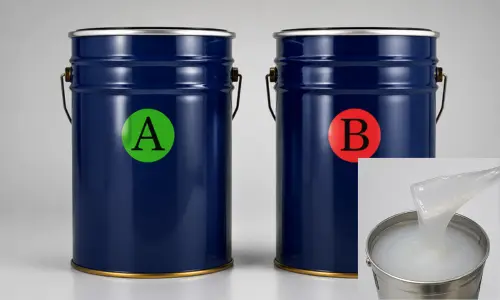
A controlled A/B system helps maintain consistent mixing, injection and curing during liquid silicone rubber molding.
-
01
A/B Metering
Components are supplied separately and metered according to the product processing specification.
-
02
Mixing & Pigmentation
The two components are mixed uniformly; pigment or approved additives can be introduced when required.
-
03
Injection
Mixed liquid silicone rubber is injected into the mold under controlled pressure and temperature conditions.
-
04
Heat Cure
The material crosslinks rapidly in the heated tool to form the final elastomer geometry.
-
05
Demolding & Inspection
Parts are demolded, inspected and post-cured only when the selected grade or application requires it.
Many liquid silicone rubber systems use equal A/B metering, but the exact mixing ratio, mold temperature and cure condition should always follow the technical data sheet for the selected grade.
Liquid Silicone Rubber Selection Guide
For RFQ and sample evaluation, match the liquid silicone rubber grade to the part design, processing conditions, operating environment and required documentation.
| Application | Key LSR Requirements | What to Confirm |
|---|---|---|
| Precision General Molding | Flow, cure speed, tear strength, dimensional consistency | Hardness · mold geometry · cycle target · color |
| Automotive Connector Seals | Compression behavior, tear resistance, sealing reliability, optional lubrication | Seal geometry · fluid exposure · temperature · mating material |
| Medical Components | Clean processing, mechanical consistency, application-specific biocompatibility | Contact type · sterilization · regulatory documentation |
| Food-Contact Products | Low odor / volatiles, clean molding, suitable regulatory compliance | Food-contact standard · temperature · color · post-cure requirement |
| Electrical / Insulation | Dielectric performance, weatherability, tracking / arc requirements where applicable | Voltage environment · outdoor exposure · flame requirement |
| Overmolding / Self-Bonding | Controlled adhesion to thermoplastic or metal substrates | Substrate · primer requirement · insert temperature · bond target |
Liquid Silicone Rubber vs. HCR Silicone Rubber
Both are silicone elastomers, but the material form and production method make them suitable for different manufacturing strategies.
Two-component liquid / paste
Gum-like solid compound
Liquid injection molding
Compression, transfer, injection, extrusion
Excellent for highly automated molding
Depends on molding or extrusion process
Strong fit for detailed, precision parts
Strong fit for robust molded and extruded shapes
High-volume precision molded components
Molded parts, profiles, tubing, cable and sheet
Specialty Liquid Silicone Rubber Formulations
Liquid silicone rubber can be formulated around processing behavior and end-use performance. The final grade should be selected against the complete application specification.
How to Store Liquid Silicone Rubber
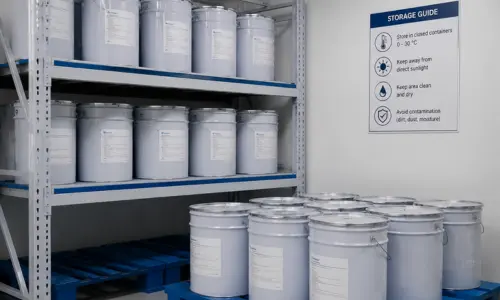
Keep liquid silicone rubber in its original sealed container, protected from direct sunlight, excessive heat, moisture, dust and contamination. Because storage temperature and shelf life depend on the formulation, use the product TDS and SDS as the controlling documents.
LSR Documentation for Material Approval
Material approval should be based on the exact liquid silicone rubber grade rather than general product-family claims. For qualification, request the technical and compliance documents required by your application and market.
Food-contact, medical, flame-retardant, electrical or other compliance claims should be confirmed against the selected grade and its supporting documentation before approval.
What to Send for LSR Grade Selection
-
01
Application & Part
Connector seal, gasket, valve, medical component, food-contact part, electrical part or other molded product.
-
02
Hardness & Color
Target Shore A hardness, transparency, pigmentation and appearance requirements.
-
03
Processing Conditions
Injection machine, mold structure, cycle target, part thickness and any existing process window.
-
04
Performance Targets
Tensile, elongation, tear, compression set, temperature, media exposure, bonding or lubrication requirements.
-
05
Compliance & Volume
Required standards or documents, annual quantity, packaging preference and sample quantity.
Liquid Silicone Rubber FAQ
What is liquid silicone rubber?
Liquid silicone rubber is a two-component silicone elastomer designed mainly for liquid injection molding. The mixed material cures in a heated mold to form a flexible, durable silicone component.
What is the difference between LSR and silicone rubber?
LSR is one type of silicone rubber. Its main distinction is its two-component liquid or paste-like form and its suitability for automated liquid injection molding. HCR silicone is supplied as a gum-like solid compound and is commonly molded or extruded.
Is liquid silicone rubber always mixed 1:1?
No. Equal A/B metering is common for many commercial LSR systems, but not universal. Always use the mixing ratio stated in the technical data sheet for the selected grade.
What products can be made from liquid silicone rubber?
Common molded products include connector seals, gaskets, valves, diaphragms, medical components, infant-care parts, electrical insulation parts, keypads and industrial precision components.
Why is LSR suitable for high-volume production?
Metering, mixing, injection and demolding can be highly automated, while fast heat curing supports short and repeatable production cycles when the material and mold are correctly designed.
Can liquid silicone rubber be used for automotive seals?
Yes. Application-specific LSR grades are widely used for automotive electrical connector seals, radial seals, gaskets, wire seals and other precision sealing parts.
Can LSR bond to plastic or metal?
Special self-bonding liquid silicone rubber grades can adhere to selected thermoplastics or metals. Bond performance depends on the LSR chemistry, substrate, mold design and processing conditions.
Can liquid silicone rubber be colored?
Yes. Many LSR systems can be pigmented during metering and mixing, provided the pigment system is compatible with the silicone formulation and end-use requirements.
How should I select an LSR grade?
Start with the application, part geometry, hardness, mechanical properties, temperature range, media exposure, regulatory requirements, bonding needs and molding process. These factors should be reviewed together before grade selection.
What information is needed for an LSR quotation?
Provide the target application, hardness, color, required certifications or standards, expected properties, annual quantity, processing method and any existing technical specification or sample reference.
Select Liquid Silicone Rubber for Your Next Project
Send your part application, hardness, processing method, performance targets and compliance requirements. Yaksil can use these inputs to narrow the LSR grade for technical review and sampling.