
What Is Silicone Elastomer?
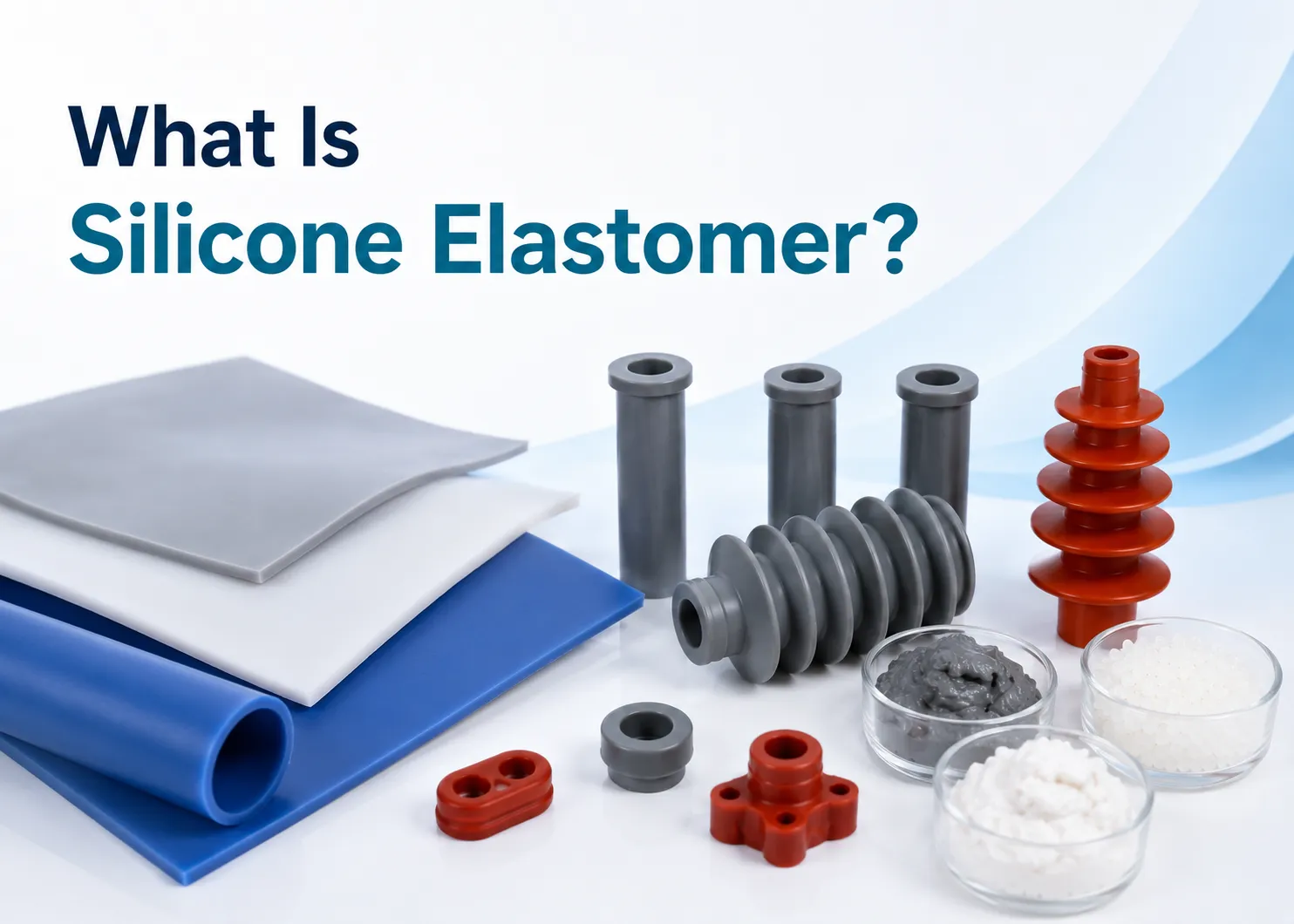
Silicone Rubber Material Guide What Is Silicone Elastomer? Silicone elastomer is a high-performance silicone-based rubber material known for its excellent elasticity, temperature resistance, electrical insulation and long-term stability. Unlike conventional organic rubber materials, silicone elastomer uses a silicon-oxygen backbone structure that provides outstanding resistance to heat, ozone, UV radiation and environmental aging. Because of these […]
Does Rubber Conduct Electricity?
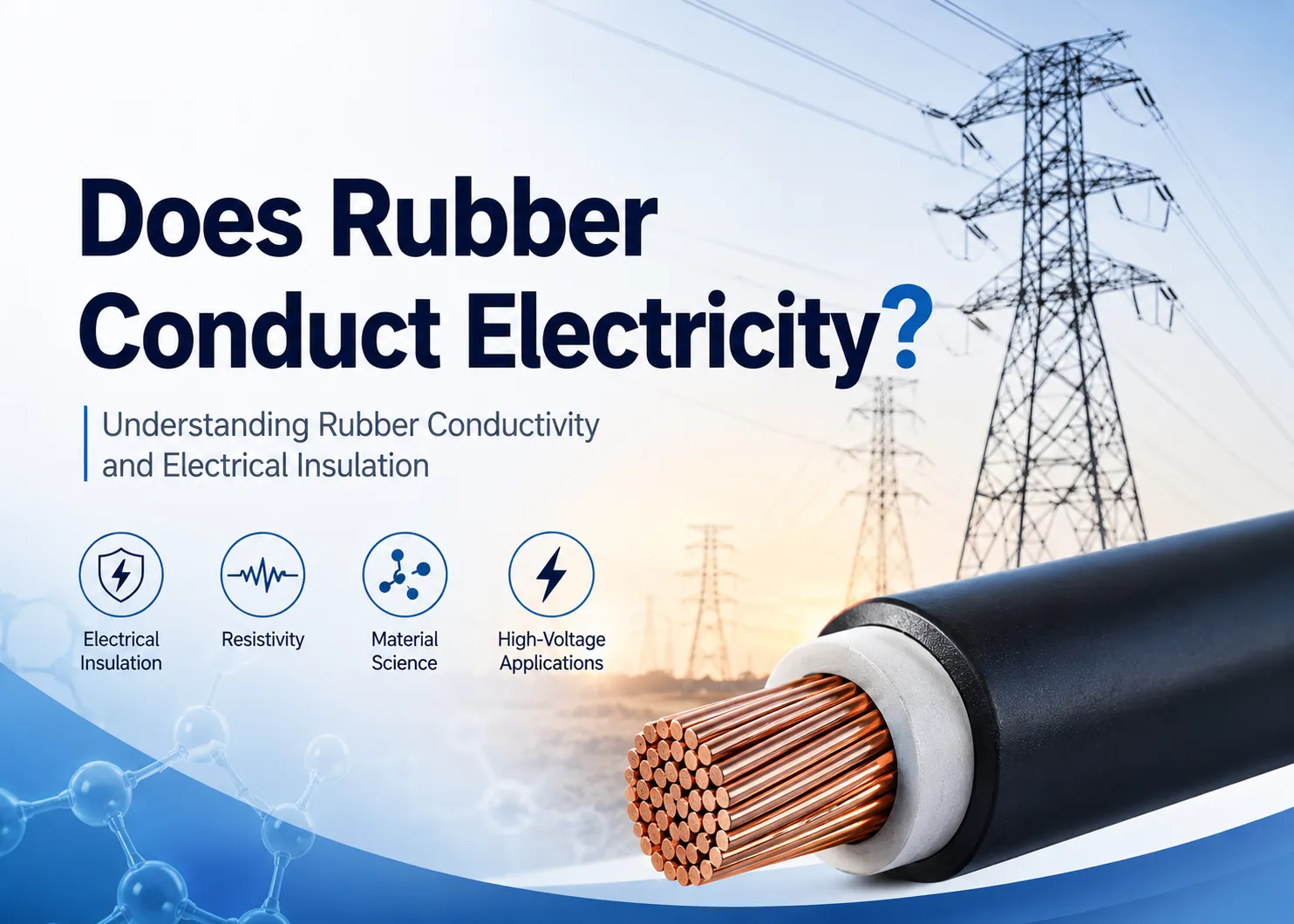
Silicone Rubber Electrical Material Guide Does Rubber Conduct Electricity? Does rubber conduct electricity? In most everyday and industrial applications, standard rubber is considered a poor electrical conductor and is commonly used as an insulating material. However, not all rubber behaves the same way. Silicone rubber, EPDM, natural rubber and other elastomers can provide high electrical […]
What Is a Rubber Cable Grommet?

Silicone Rubber Component Guide What Is a Rubber Cable Grommet? A rubber cable grommet is a flexible component installed around a hole in a metal, plastic or composite panel to protect electrical wires and cables as they pass through the opening. It prevents the cable jacket from rubbing directly against sharp panel edges and can […]
What Is Dimethyl Silicone?
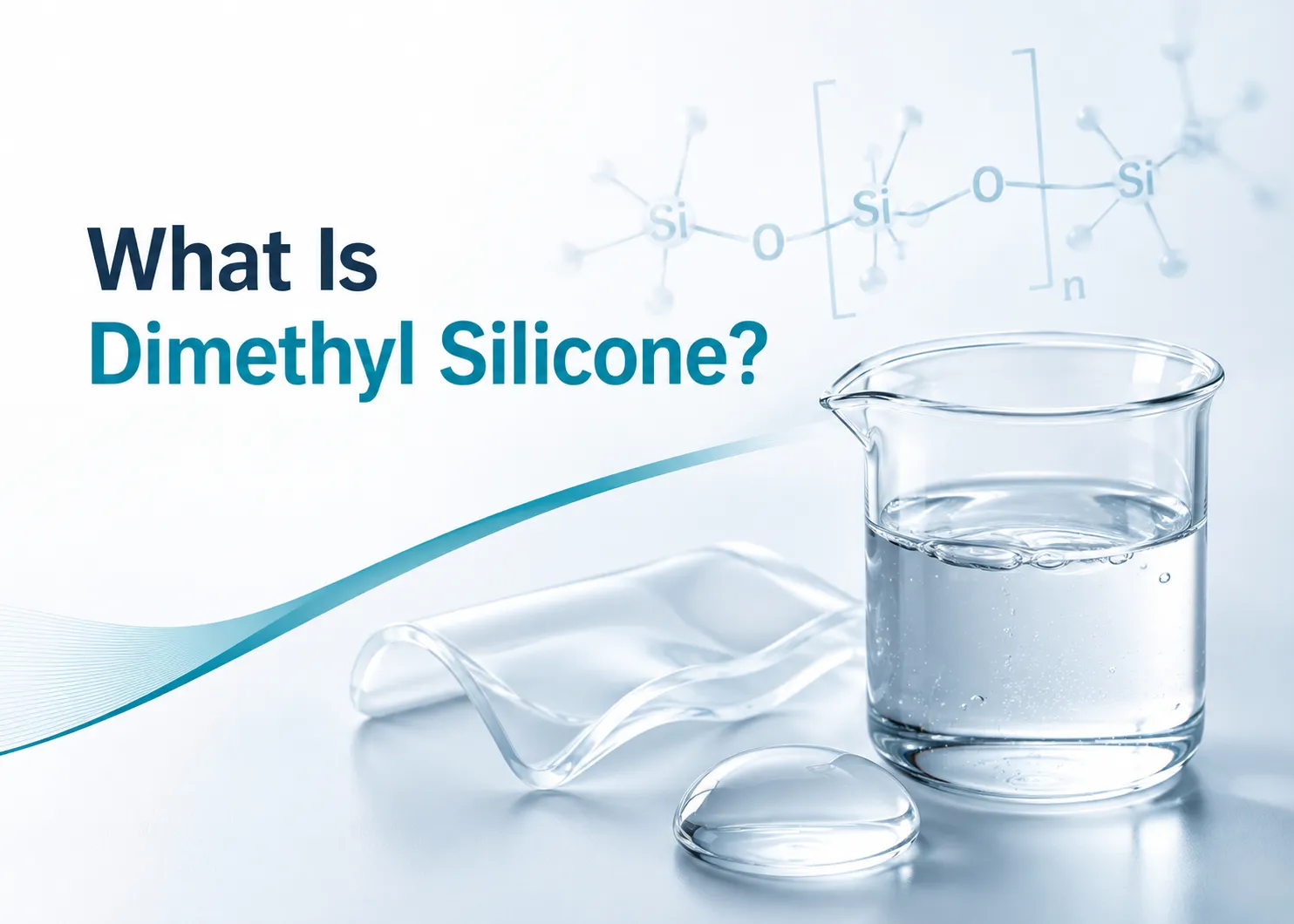
Silicone Rubber Material Guide What Is Dimethyl Silicone? Dimethyl silicone generally refers to silicone materials based primarily on polydimethylsiloxane, or PDMS, in which methyl groups are attached to the silicon atoms along the siloxane polymer backbone. Depending on molecular weight, formulation and crosslinking, dimethyl silicone can exist as a low-viscosity fluid, a high-viscosity polymer gum […]
シリコンゴムの耐熱温度は?使用温度・耐熱性・高温環境での選び方
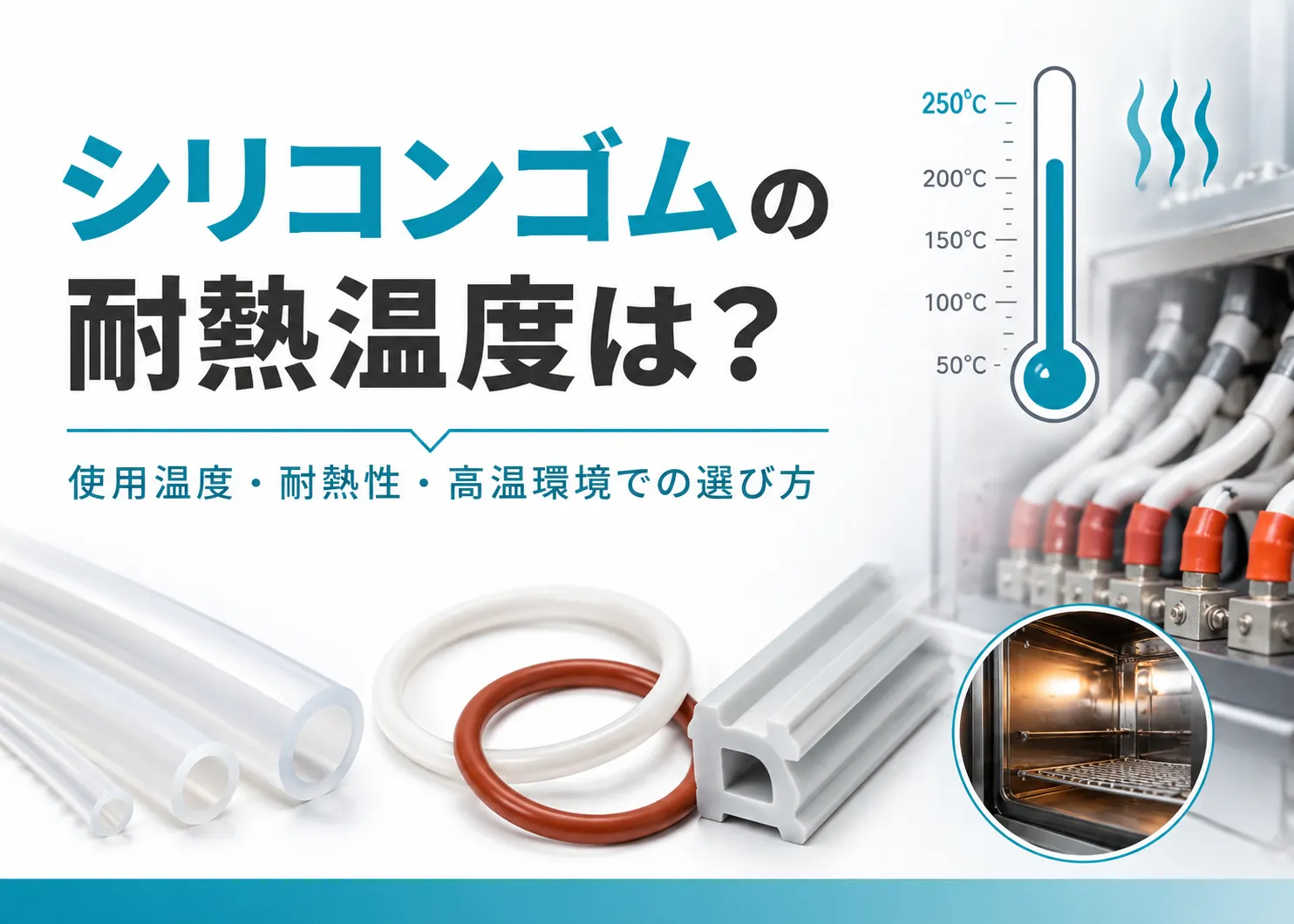
シリコーンゴム材料ガイド シリコンゴムの耐熱温度は?使用温度・耐熱性・高温環境での選び方 シリコンゴムの耐熱温度は、一般ゴム材料と比較して高く、高温環境で使用されるシール、チューブ、電線・ケーブル、EV部品、電気絶縁部品などに広く利用されています。ただし、「シリコンは200℃まで使える」と一つの数字だけで判断するのは適切ではありません。実際の使用温度は、シリコーンゴムの種類、配合、硬さ、加硫方式、使用時間、荷重、空気・油・冷却液などの周囲環境によって変わります。 シリコンゴムの耐熱温度は何度? シリコンゴムは、耐熱性に優れたエラストマーとして知られています。 一般的な工業用シリコーンゴムでは、高温環境で長期間使用できるグレードが多く、さらに耐熱性を強化したHTV・HCRシリコーンゴムでは、より高い温度域を対象とした専用グレードもあります。 ただし、シリコンゴムの耐熱温度はすべての材料で同じではありません。 例えば、一般用途向けシリコーン、高耐熱タイプ、超耐熱タイプでは、配合設計や熱安定性が異なります。 重要: 「耐熱温度」はシリコーンゴムという材料カテゴリー全体の固定値ではなく、個々のグレードと使用条件によって決まります。 そのため、設計時には「シリコンだから何℃まで大丈夫か」ではなく、「このシリコーンゴムグレードを、この環境で、何時間使用できるか」という考え方が重要です。 シリコンとシリコーンは同じ意味? 日本では「シリコンゴム」という表現が広く使われていますが、材料としてより正確な名称はシリコーンゴムです。 Siliconは元素としてのケイ素を意味し、Siliconeはケイ素を含むポリマー材料を意味します。 ただし、日本の市場や検索では「シリコンゴム」「シリコン 耐熱 温度」といった表現も一般的に使用されています。 本記事では検索時に理解しやすい「シリコンゴム」という表現も使用しながら、材料について説明する場合には「シリコーンゴム」という名称も併用します。 シリコンゴムの一般的な使用温度の目安 シリコーンゴムの温度性能を考える場合、一般グレード、高耐熱グレード、特殊高耐熱グレードを分けて考える必要があります。 シリコーンゴムのタイプ 高温側の目安 主な考え方 一般工業用シリコーンゴム おおよそ180~200℃前後を検討するケースが多い 実際の連続使用温度は個別グレードの仕様を確認 高耐熱HTV / HCR 200~250℃領域に対応する専用グレードあり 耐熱安定剤や専用配合によって高温特性を強化 特殊・超耐熱タイプ 250~300℃領域を対象とする製品例もある 一般グレードとは別の専用材料として選定 この表は材料カテゴリーを理解するための目安です。 例えば同じ「60 Shore AのHTVシリコーン」であっても、一般グレードと高耐熱グレードでは長期熱老化後の硬さ、引張強さ、伸びなどが異なる可能性があります。 設計上の注意: カタログに記載された最高温度を、そのまま長期連続使用温度として採用しないでください。温度と時間をセットで確認する必要があります。 「耐熱温度」と「連続使用温度」は同じではない シリコンゴムの耐熱性を比較するときに最も注意したいのが、温度の定義です。 「耐熱温度」という表現だけでは、その温度に何分、何時間、何か月、何年間耐えることを意味しているのか分かりません。 高温に数分さらされる部品と、同じ温度で数年間使用されるシールでは、材料に要求される耐熱性が大きく異なります。 温度表現 意味 設計時の注意 連続使用温度 長期間継続して使用する温度 熱老化後の物性保持を確認する 短時間耐熱温度 短い時間だけ許容される高温 連続使用温度として扱わない ピーク温度 一時的に到達する最大温度 […]
What is Shore Hardness?
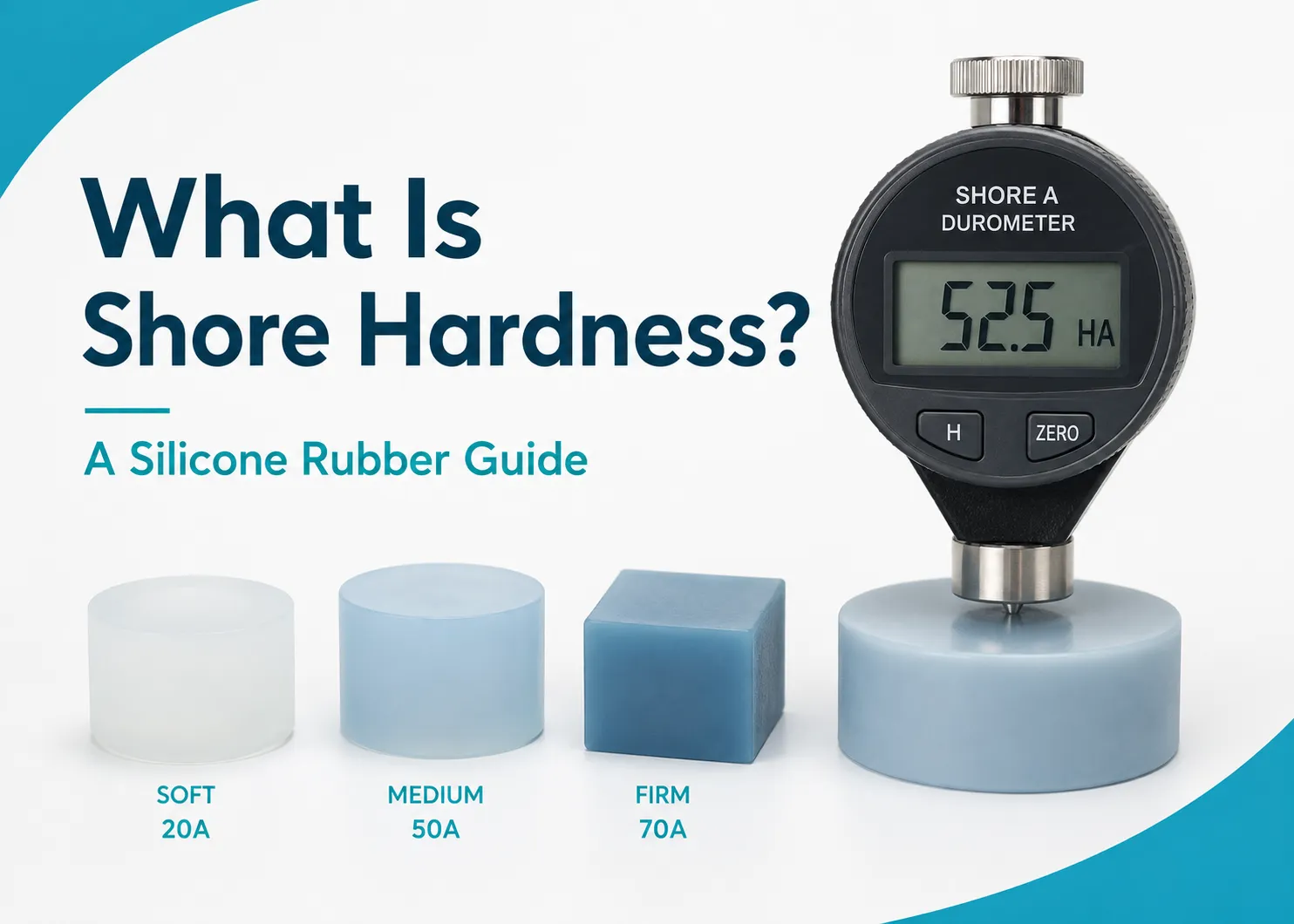
Silicone Rubber Material Guide What Is Shore Hardness? Shore hardness is a measure of how strongly a material resists indentation under a specified test force. For silicone rubber, Shore hardness is one of the most commonly used specifications because it provides a practical way to describe whether a silicone compound is soft, flexible, medium-hard or […]
What is Vulcanized Rubber?
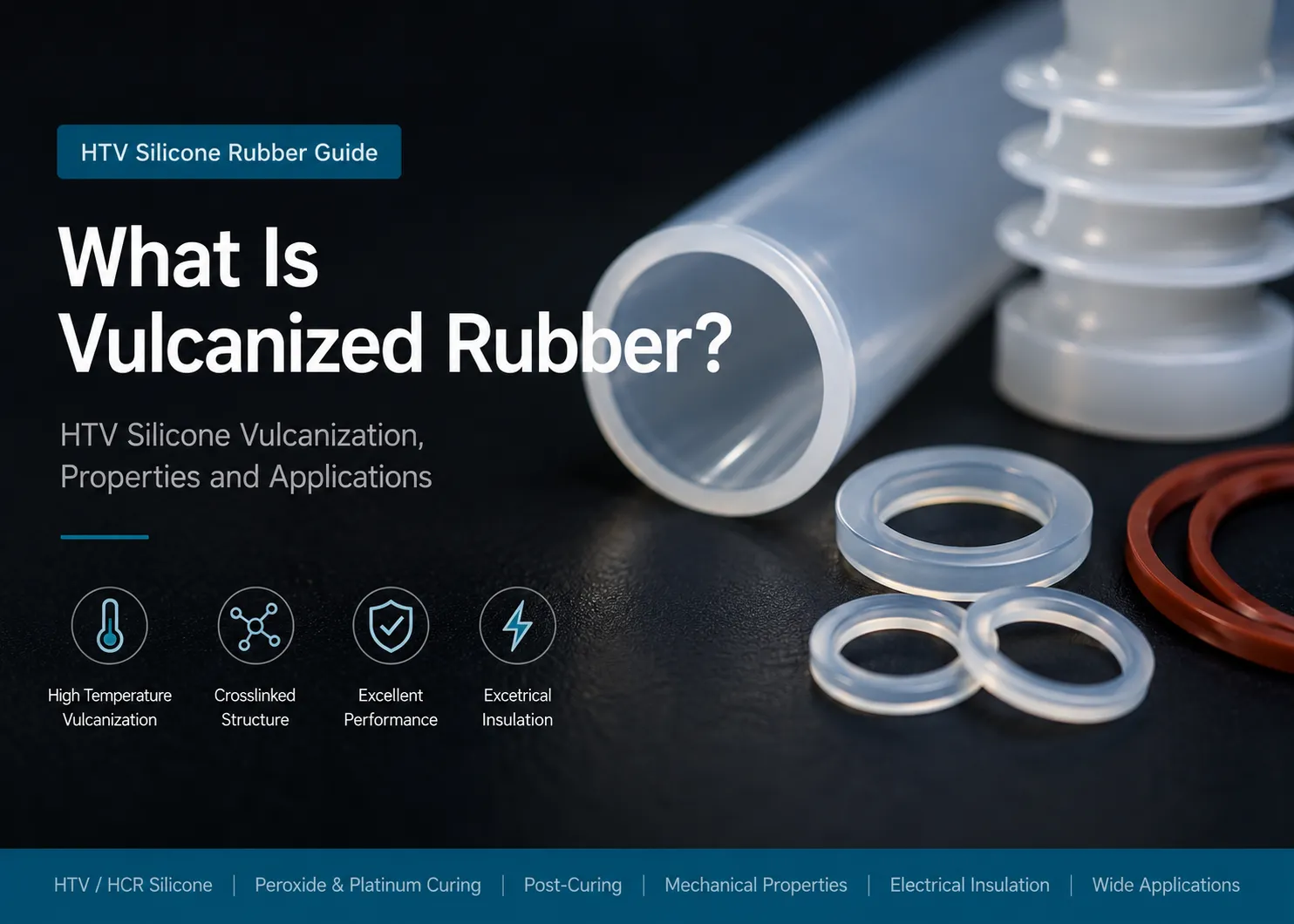
Rubber & Silicone Material Guide What Is Vulcanized Rubber? Vulcanized rubber is rubber that has been chemically crosslinked through a curing process, converting a processable rubber compound into a stable elastic material. In HTV silicone rubber manufacturing, vulcanization transforms a high-consistency silicone compound into finished rubber with controlled hardness, elasticity, mechanical strength, temperature resistance and […]
Silicone Rubber Selection Guide
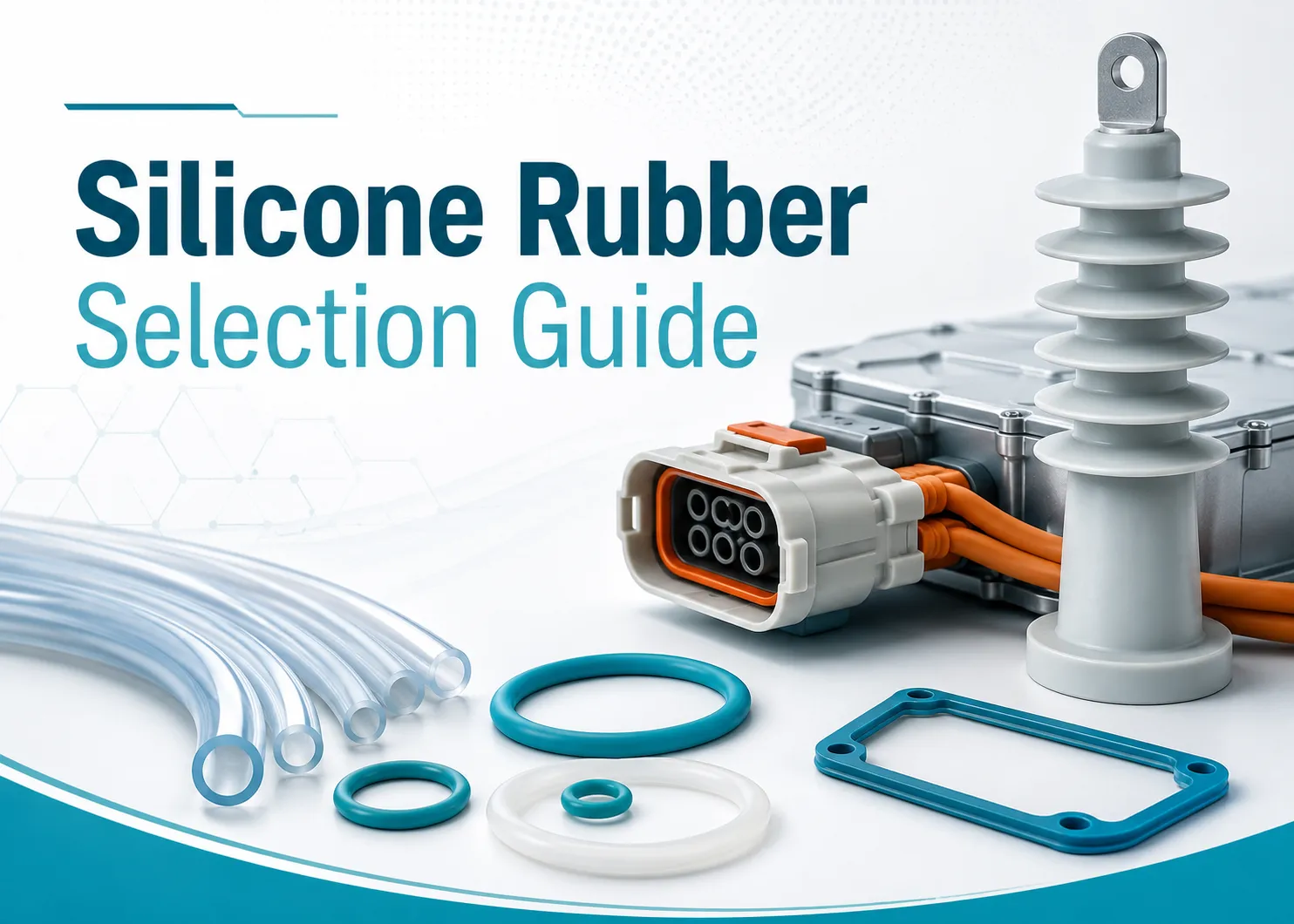
Silicone Material Guide Silicone Rubber Selection Guide Choosing silicone rubber requires more than selecting a hardness or temperature rating. The correct material must match the manufacturing process, mechanical load, operating temperature, electrical requirements, chemical environment and final application. This guide explains how to compare HTV, HCR, LSR and RTV silicone and how to select silicone […]
Shore A vs Shore D Hardness
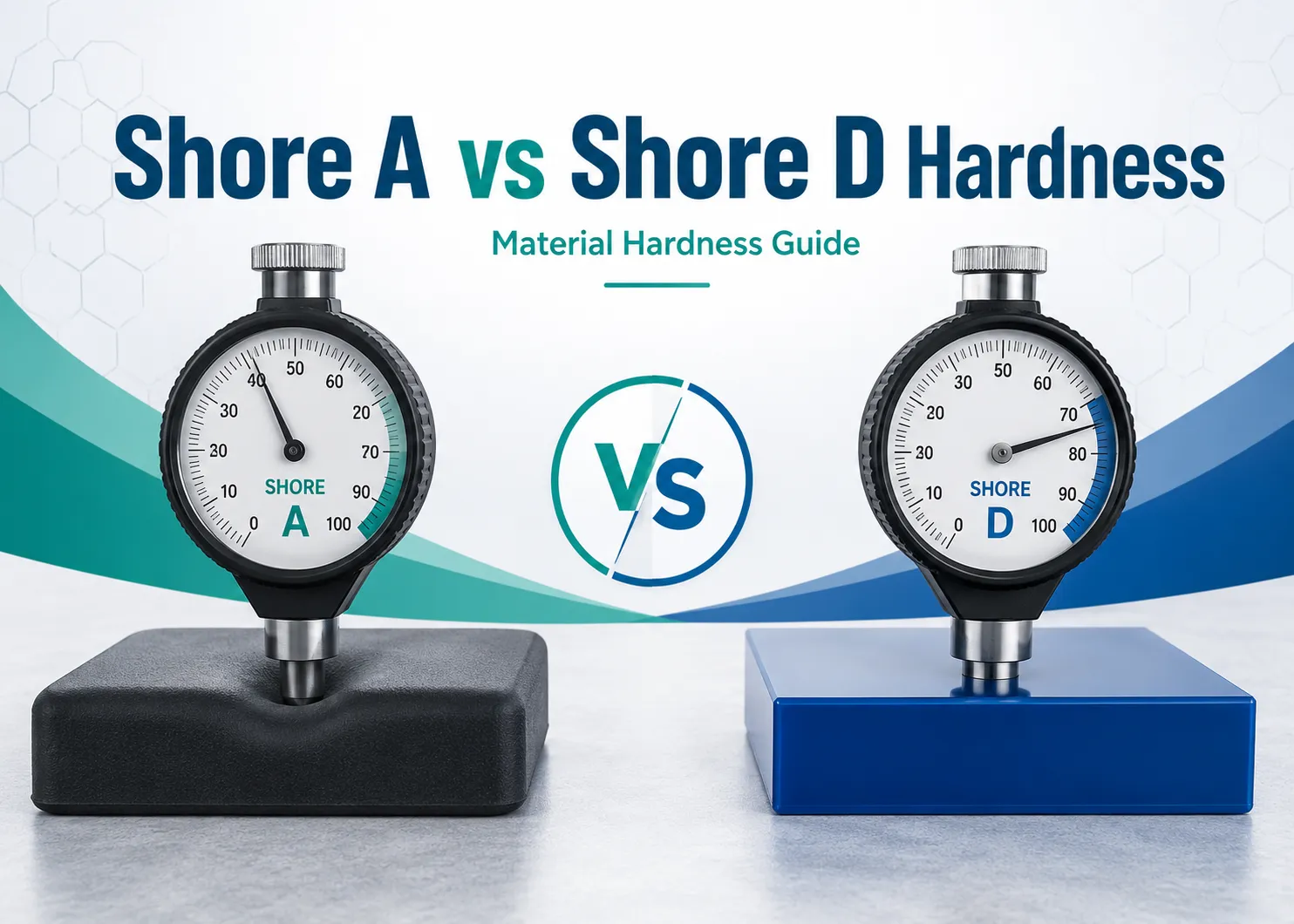
Material Hardness Guide Shore A vs Shore D Hardness Shore hardness is widely used to compare elastomers, silicone rubber, thermoplastic elastomers and semi-rigid plastics. Shore A is mainly used for softer and flexible materials, while Shore D hardness is designed for harder elastomers and plastics. Understanding the difference helps engineers choose the correct material and […]
Medical Grade Silicone Guide
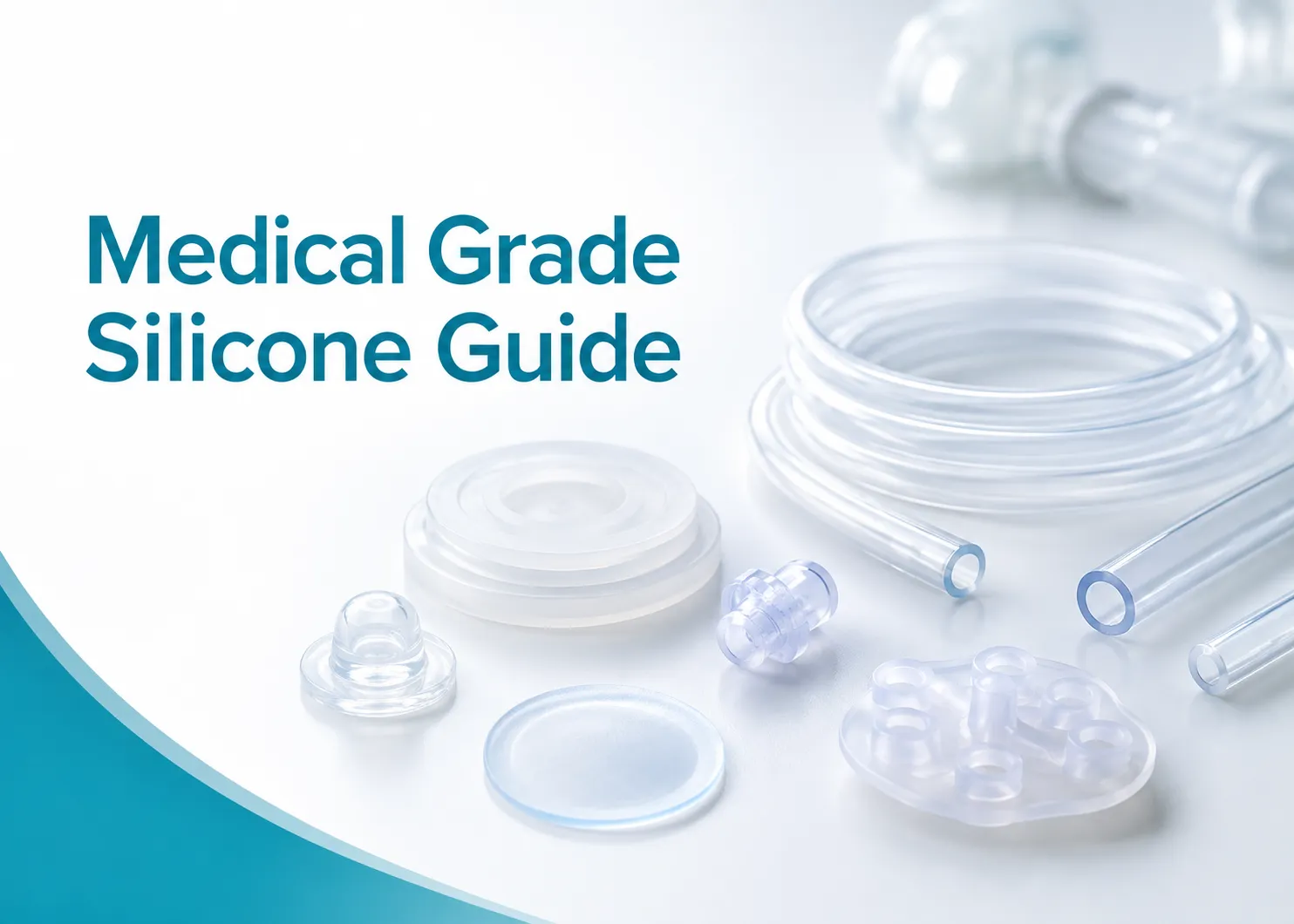
Healthcare Silicone Material Guide Medical Grade Silicone Guide Medical Grade Silicone is widely used in healthcare products because silicone can combine flexibility, temperature stability, electrical insulation, chemical stability and compatibility with multiple manufacturing processes. However, medical suitability depends on the exact silicone formulation, manufacturing controls, sterilization method, biological evaluation and intended device application. What Is […]