
Fournisseur de silicone pour les équipementiers
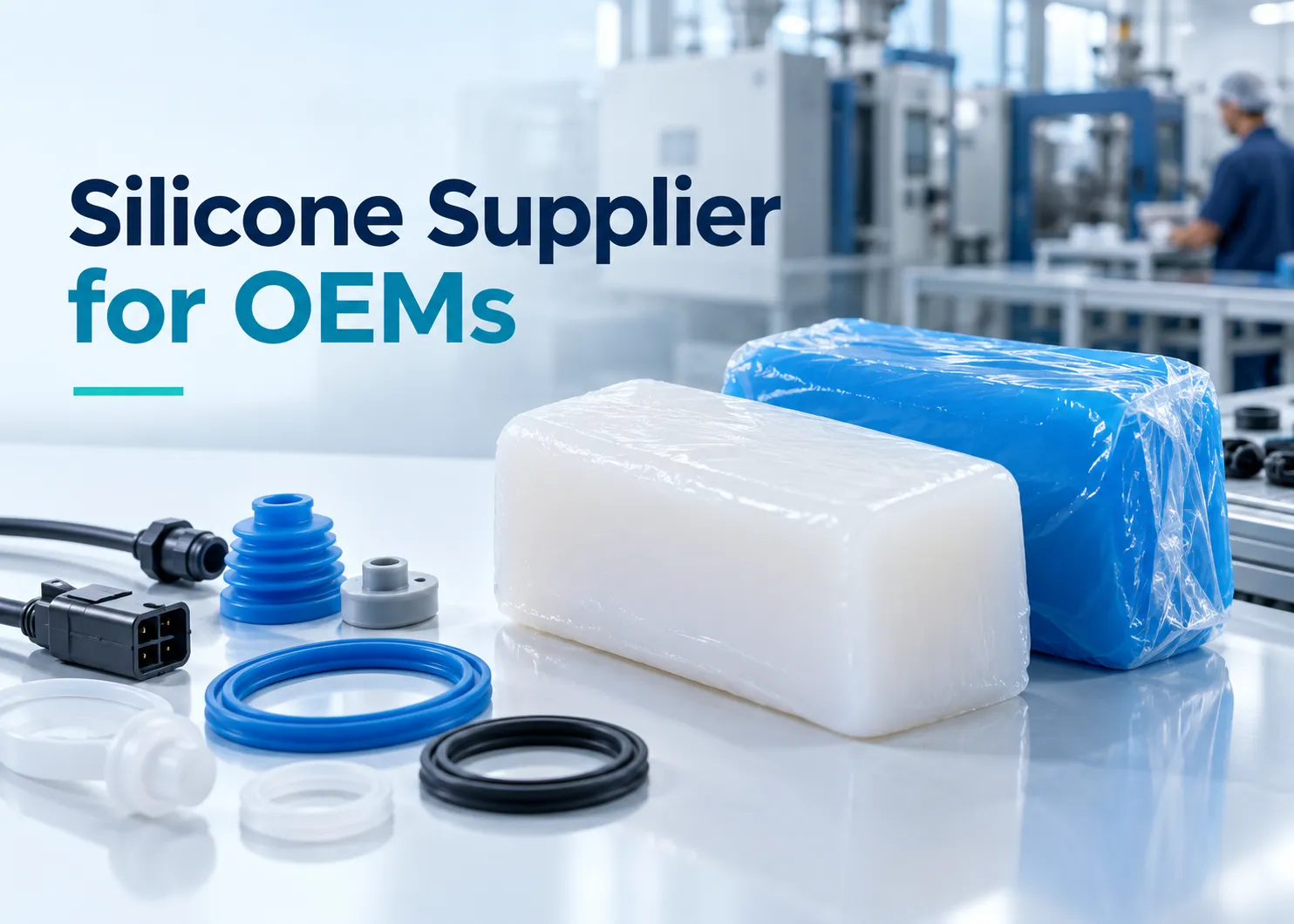
Silicone Supplier for OEMs Choosing the right silicone supplier for OEMs involves much more than comparing material prices or Shore A hardness. For an original equipment manufacturer, silicone rubber becomes part of a production system. It must run consistently on existing equipment, meet the mechanical and functional requirements of the finished product, and remain stable […]
Silicone HTV pour joints en caoutchouc
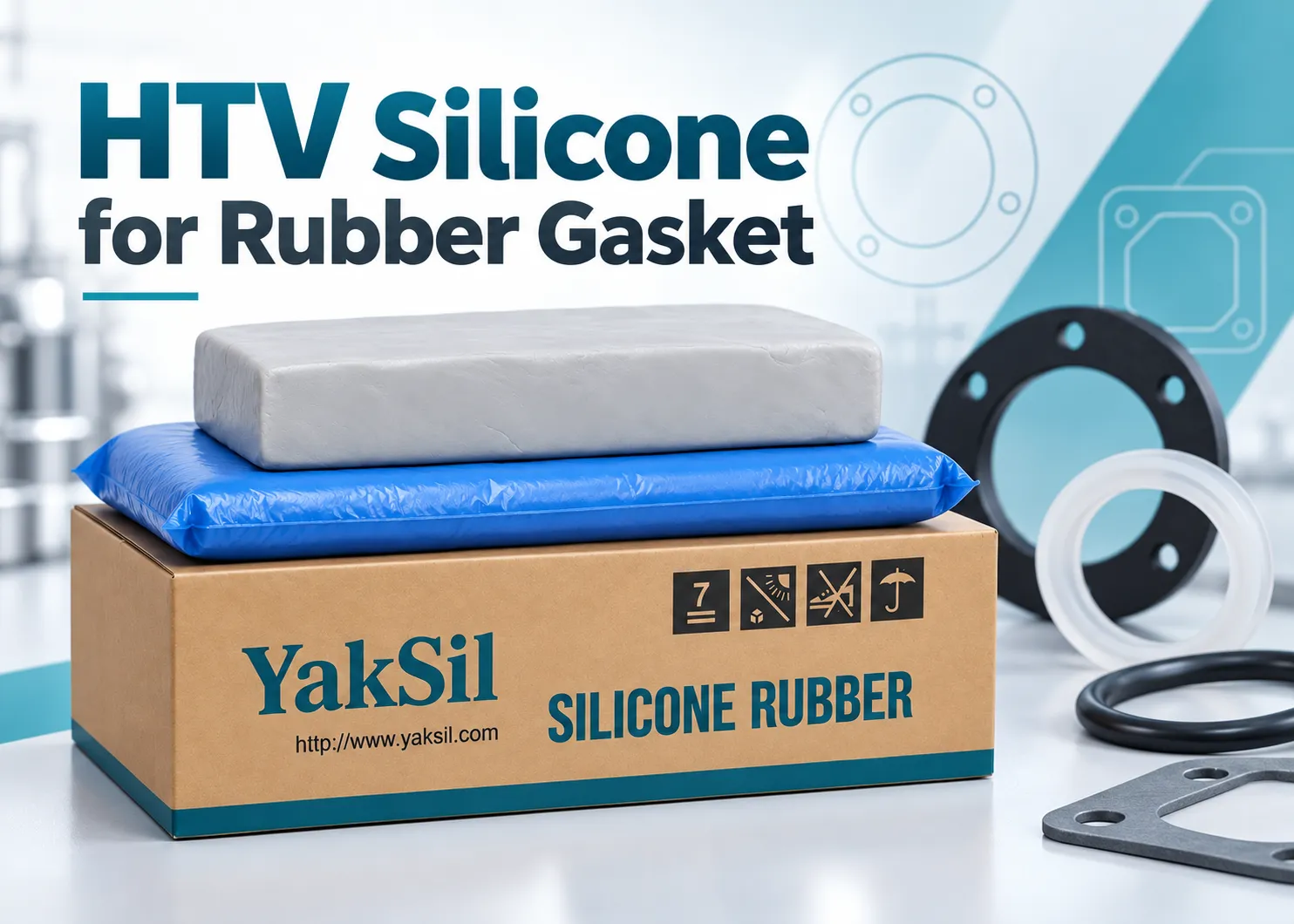
HTV Silicone for Rubber Gasket A rubber gasket must do more than simply fit between two surfaces. It needs to maintain sealing pressure, recover after compression, tolerate temperature changes and resist the operating environment throughout its service life. HTV silicone rubber is widely used for gasket applications where heat resistance, flexibility, electrical insulation or long-term […]
Plage de températures du caoutchouc silicone
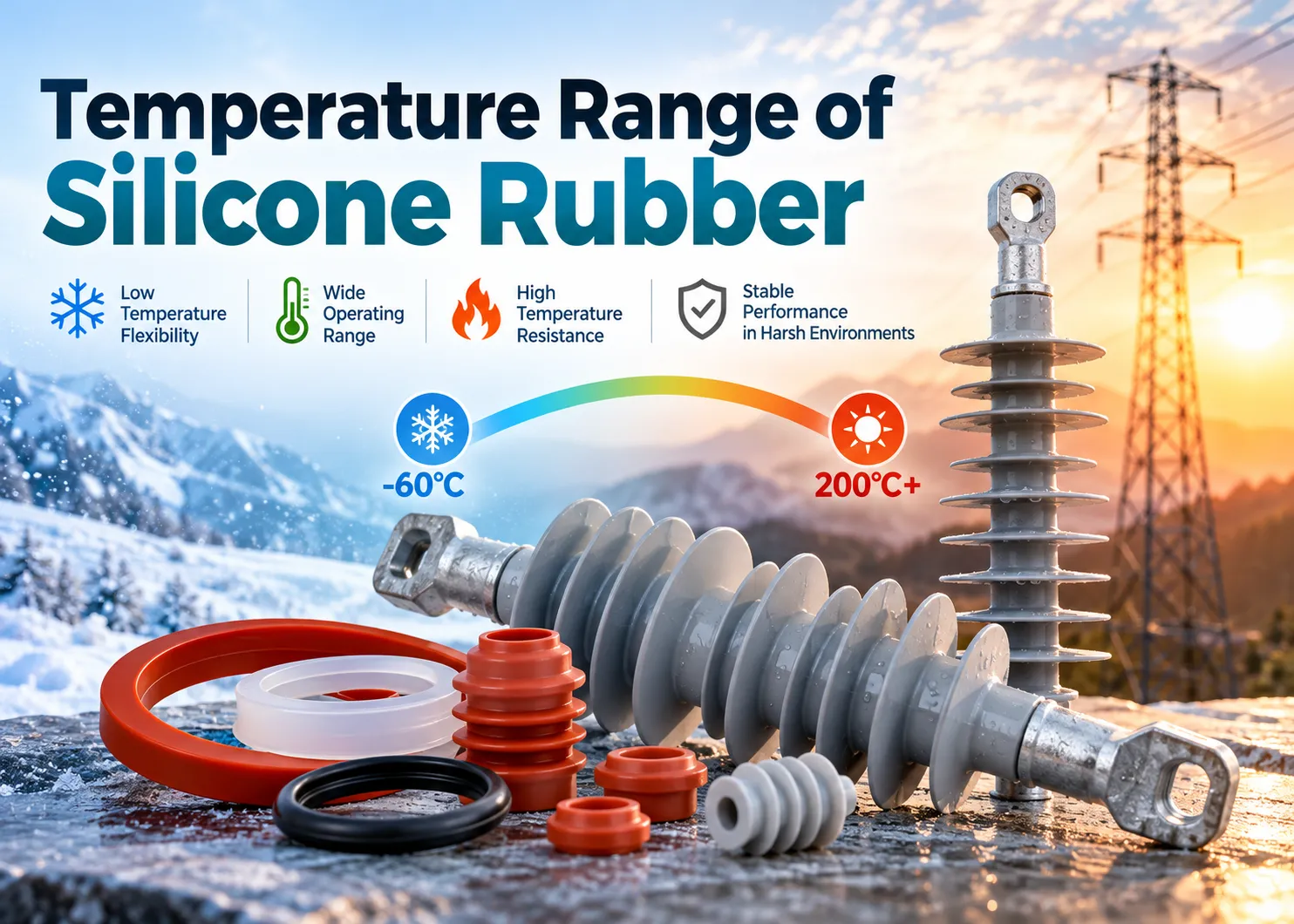
Temperature Range of Silicone Rubber Silicone rubber is widely selected for industrial applications because it can remain flexible and functional across a much broader temperature range than many conventional elastomers. It is used in electrical insulation, composite insulators, wire and cable, EV systems, seals, food-processing components and high-temperature molded parts. But there is no single […]
Silicone Rubber Injection Molding for Composite Insulators
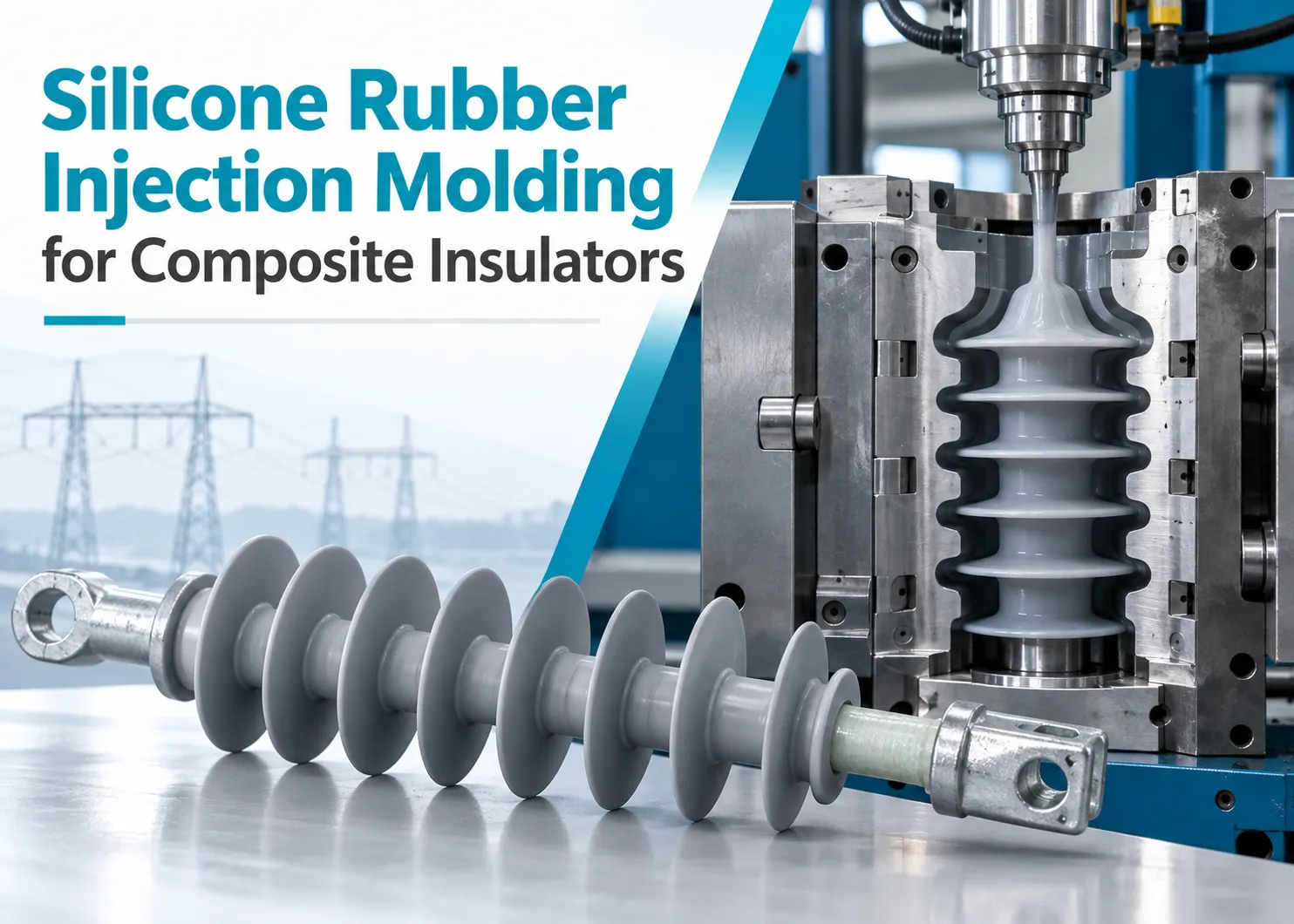
Silicone Rubber Injection Molding for Composite Insulators Silicone rubber is one of the most important housing materials used in modern composite insulators. Its hydrophobicity, weather resistance, electrical insulation and resistance to tracking and erosion make it highly suitable for transmission lines, distribution systems, substations and other outdoor high-voltage applications. But material performance alone is not […]
Food Grade Silicone Guide
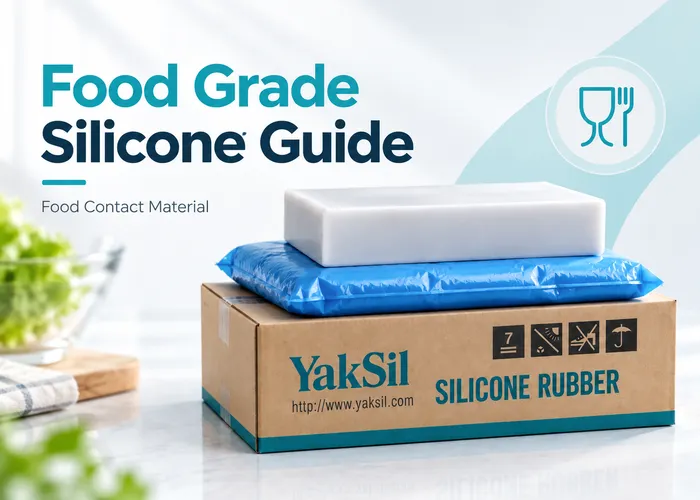
Food Grade Silicone Guide Food grade silicone is widely used in kitchenware, baking products, food-processing equipment, seals, gaskets, tubing and other products that come into contact with food. Its flexibility, heat resistance and mechanical stability make it useful for applications where conventional rubber materials may not meet the required performance conditions. However, not all silicone […]
A Complete Guide to High Tear Strength Silicone Rubber
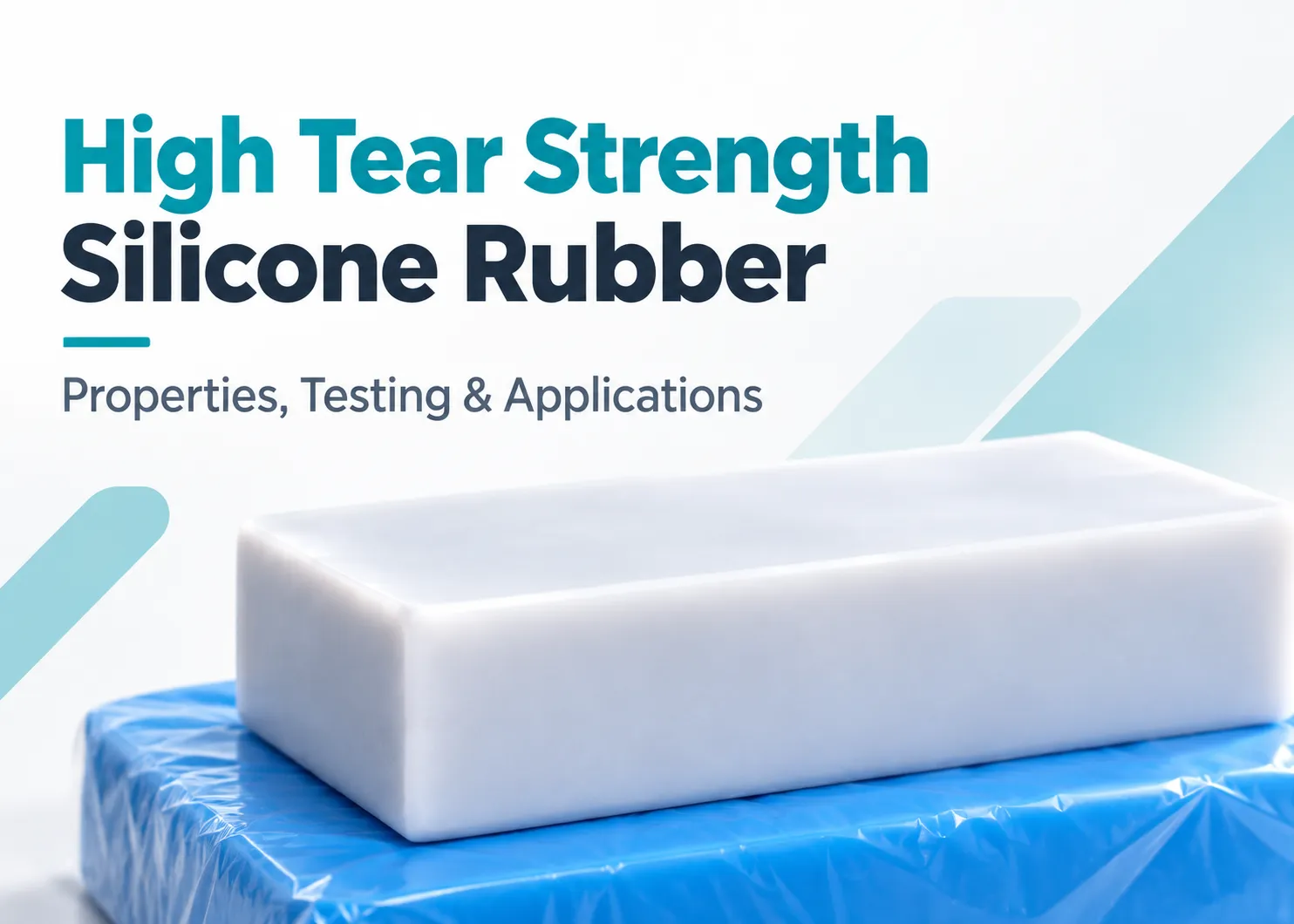
A Complete Guide to High Tear Strength Silicone Rubber Silicone rubber is widely used in electrical insulation, industrial seals, molded components, wire and cable, and high-temperature applications. However, not every silicone rubber compound provides the same resistance to tearing. When a molded component contains thin walls, sharp corners, flexible sections or complex geometries, tear strength […]
Liquid Silicone Rubber (LSR) vs High Consistency Rubber (HCR)
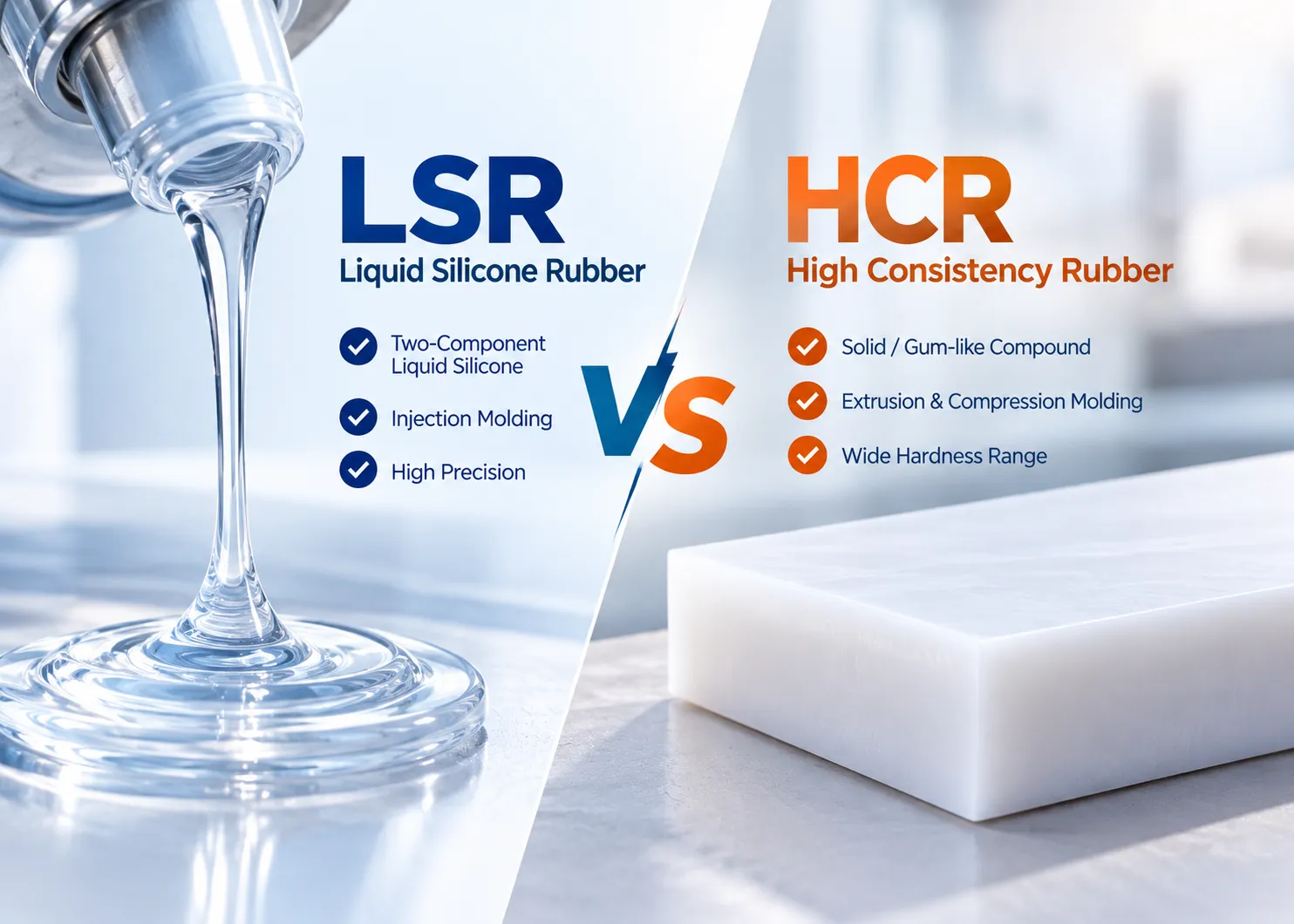
Liquid Silicone Rubber (LSR) vs High Consistency Rubber (HCR) Liquid silicone rubber (LSR) and high consistency rubber (HCR) are two of the most important silicone rubber material systems used in industrial manufacturing. Both can provide excellent heat resistance, flexibility, electrical insulation and long-term durability, but they are processed very differently and are suited to different […]
Silicone Rubber Shore A: 30A vs 40A vs 50A vs 60A vs 70A
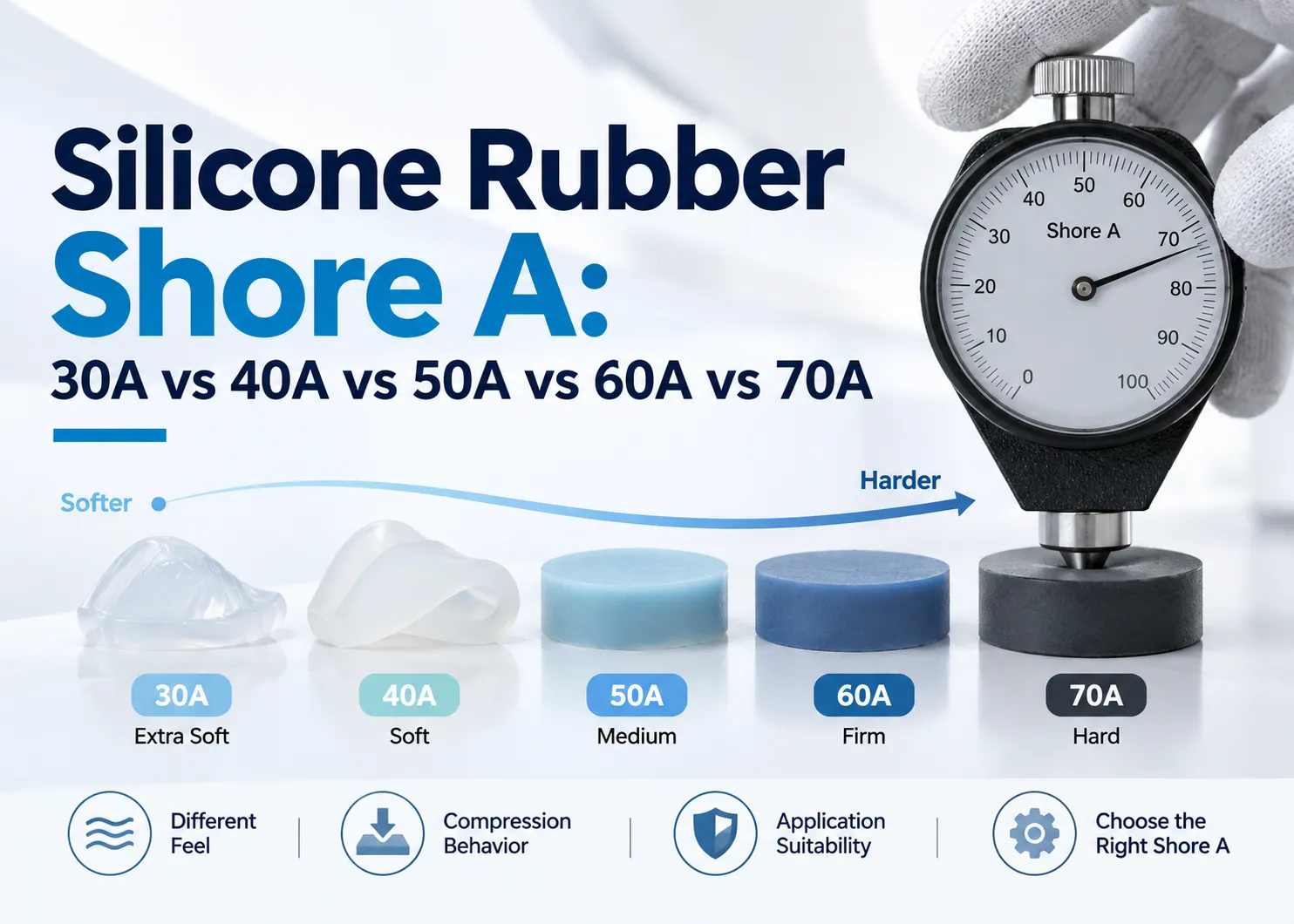
Silicone Rubber Shore A: 30A vs 40A vs 50A vs 60A vs 70A When choosing silicone rubber, Shore A hardness is usually one of the first specifications buyers compare. But what is the real difference between 30A, 40A, 50A, 60A and 70A silicone rubber? Does a higher Shore A value mean better silicone? And which […]
HTV or LSR for Electrical Insulation?
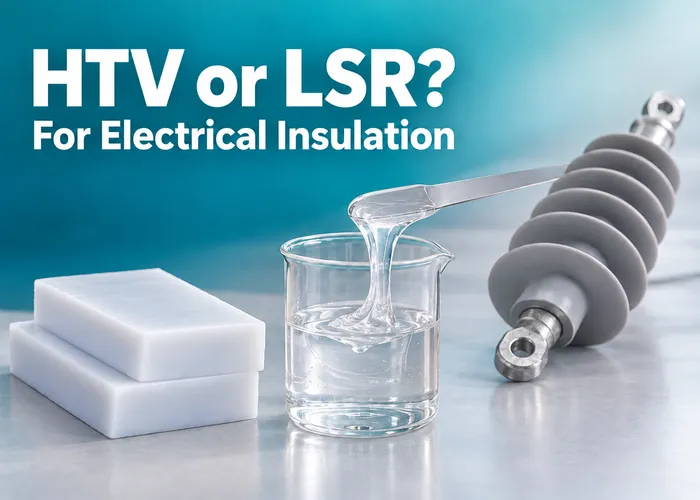
HTV or LSR for Electrical Insulation? Choosing between HTV and LSR for electrical insulation involves more than comparing two forms of silicone rubber. The right material must meet the electrical specification, suit the component geometry and process consistently on your production equipment. For composite insulator manufacturers, outdoor surface performance and reliable molding are equally important. […]
Hydrophobicity of Silicone Rubber for Composite Insulators
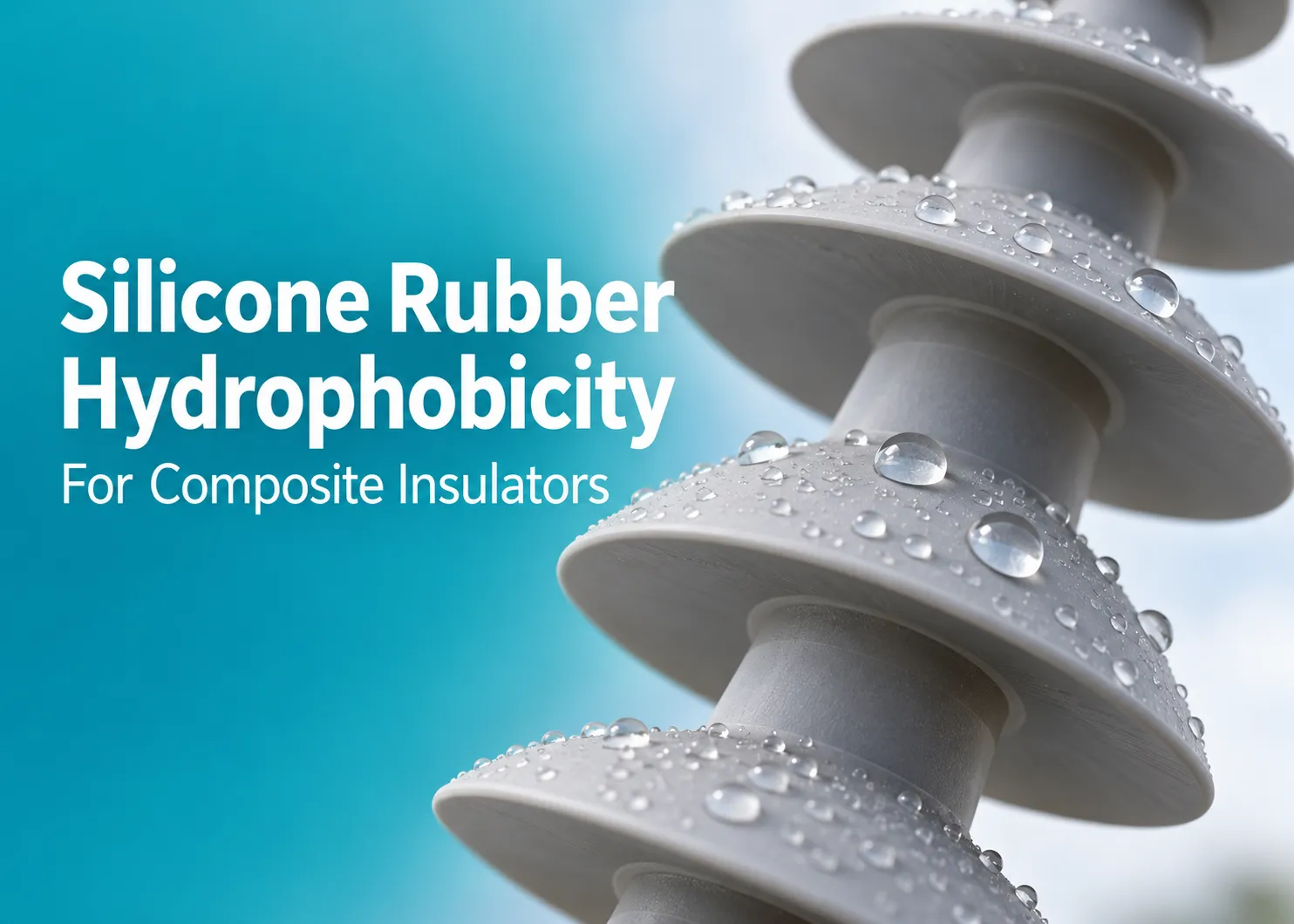
Hydrophobicity of Silicone Rubber for Composite Insulators Hydrophobicity of silicone rubber is its ability to resist surface wetting by water. In composite insulators, this property helps the cured silicone housing maintain a water-repellent surface during outdoor service. Rain and condensation tend to form separate droplets rather than spreading immediately into a continuous film, supporting electrical […]